It's November, and next year's calendar is filling in. Conference dates are locked, sponsorship decks are sitting in inboxes, and somebody on your team has been asked which experiential marketing trends deserve a line in the 2027 budget. Plenty of trend lists answer that with last year's ideas and a new year on top.
We wanted a list we could defend in a planning meeting. So every trend below has a named source: Amex GBT's 2027 forecast, surveyed in August 2026; EventTrack 2026 from Event Marketer and Sparks; a peer-reviewed study on how people react to AI-written marketing; and our own booking data. Where a popular claim didn't hold up, we say so. The thread running through all six is the one we build our experiential marketing platform around: people are getting pickier about what they show up for, and a live moment has to give them something a feed can't.
Key takeaways
- Attendees say they'll go to more events in 2027. Planners are optimistic too, just less loudly than last year, and they expect the cost per attendee to rise for every type of meeting.
- The photogenic backdrop is giving way to something personal. Amex GBT's 2027 forecast says the "instagrammable" era is receding.
- B2B attendees still go to learn first. They want more of that learning to happen through networking and hands-on workshops.
- AI is moving behind the scenes, and research on AI-written marketing gives a good reason to keep the guest-facing moment human.
- Consent and visible sustainability are rising attendee expectations, not footnotes.
What are the biggest experiential marketing trends for 2027?
The biggest experiential marketing trends for 2027 are six shifts, each backed by research fielded in 2025 or 2026:
- More live events, with a higher bar for every one.
- Personal takeaways replacing photogenic backdrops.
- Participation over sitting through sessions.
- AI moving behind the scenes.
- Consent built into how guest data is collected.
- Sustainability that attendees can see.
None of them is a spend forecast. For budget growth and market size, our experiential marketing statistics roundup has the numbers, and our guide to experiential marketing covers the basics of planning a program.
Will brands run more live events in 2027?
Yes, and the people they're for say they'll come. In EventTrack 2026, 56% of attendees said they plan to go to more events than they did in 2025, rising to 59% among B2B attendees. Planners agree. In Amex GBT's 2027 Global Meetings and Events Forecast, a YouGov survey of 500 meeting professionals in 11 countries, 93% are optimistic about the sector next year, and they expect to run more meetings of every type.
The enthusiasm is quieter, though. Only 45% call themselves "very optimistic," down from 62% a year earlier, and they expect the cost per attendee to rise across every meeting type. More events at a higher cost each means every activation faces the same question in the budget review: what did this one do that a webinar or a paid campaign couldn't?
That's the real trend under the headline. Live events are growing, and the ones that get renewed are built to answer that question before anyone asks it. A moment people forget by the coffee break is getting harder to justify. Our look at how experiential marketing evolved shows how often the channel has had to prove itself; 2027 asks again, at a higher price per head.
Is the "Instagrammable" activation over?
Not over, but the backdrop on its own is fading. The planners in Amex GBT's survey describe attendees as more discerning, and the report says it plainly.
"The 'instagrammable' era is receding"
"...replaced by in-person experiences that feel human, authentic and highly personalized." Asked how attendee expectations have changed over two years, 35% of meeting professionals named more personalized interactions. Source: Amex GBT, "2027 Global Meetings and Events Forecast," October 2026, p.11.
EventTrack shows the same shift from the guest's side. For the first time in the study, more consumers said they didn't capture content during a brand interaction at an event (56%) than said they did (44%). B2B attendees still capture more often, at 71%, though that's down from 78% the year before.
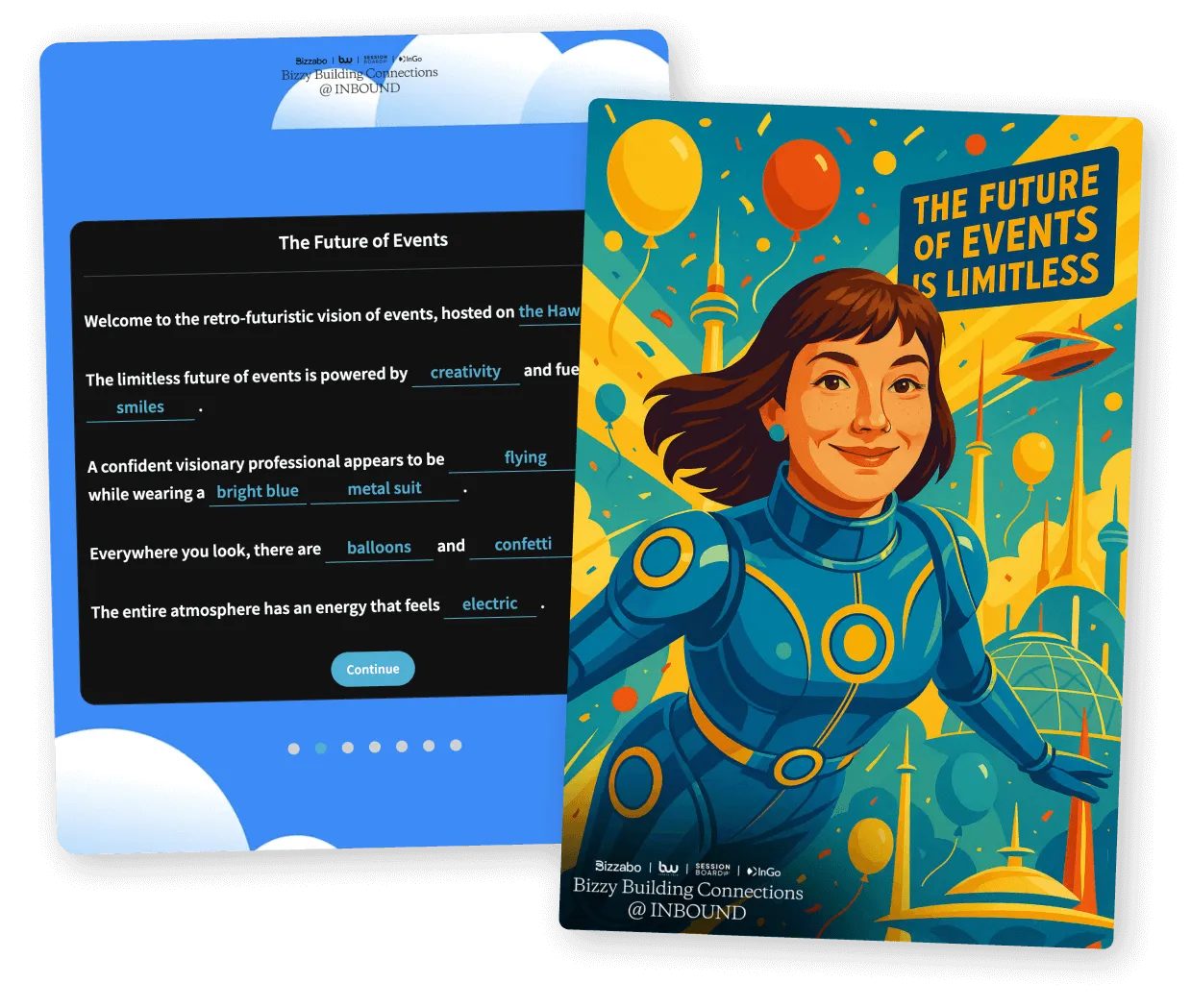
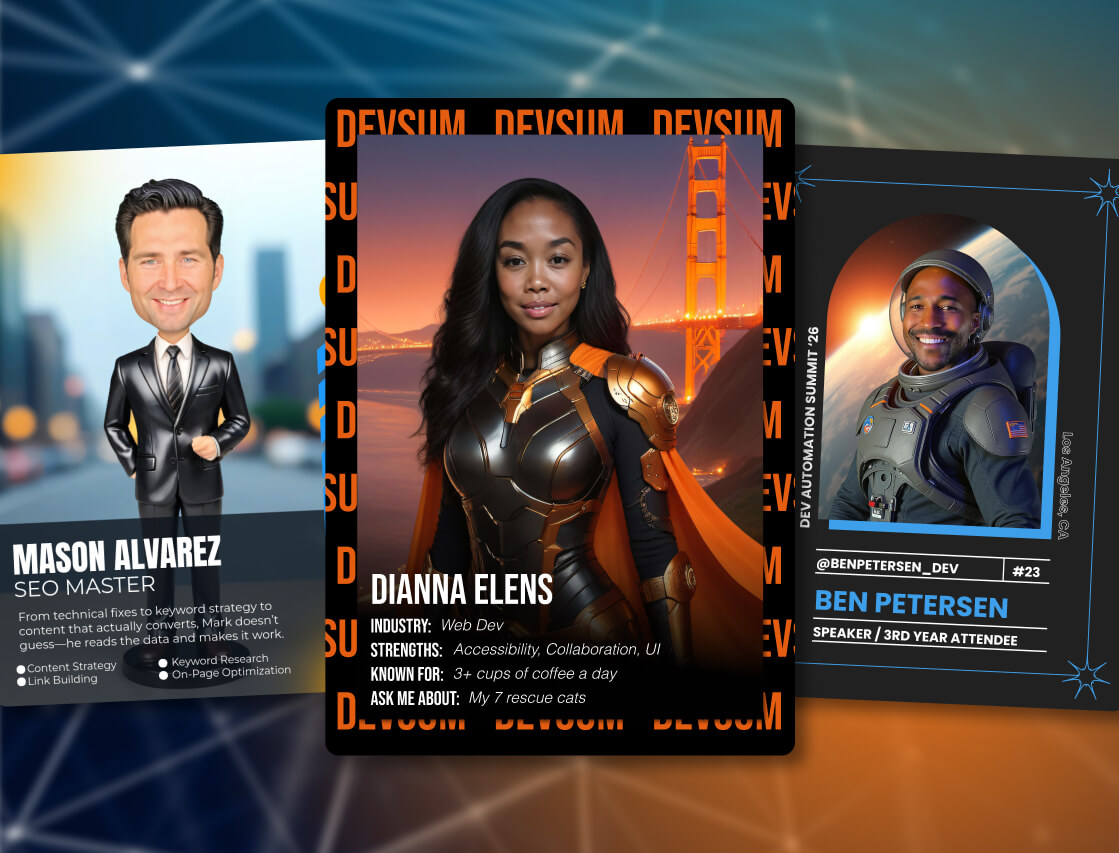
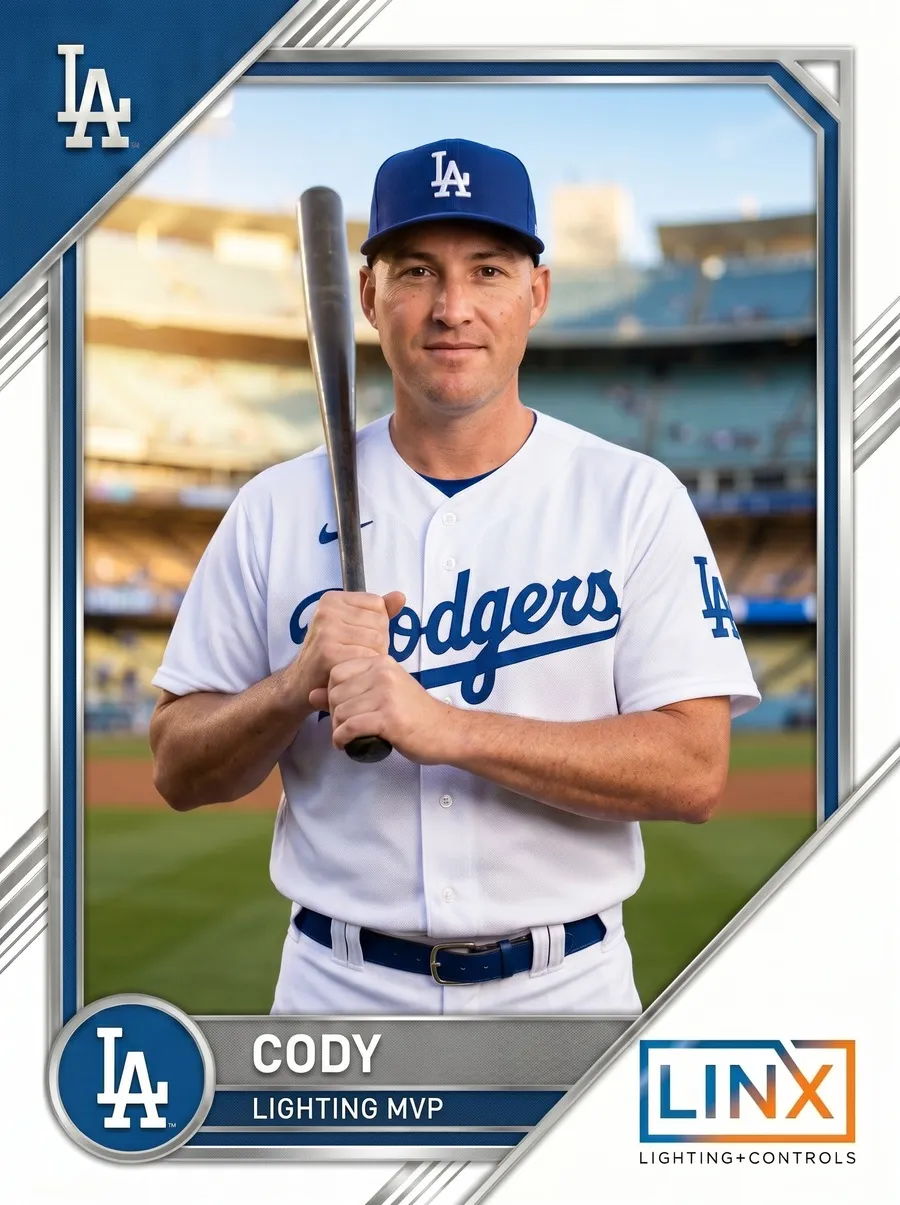
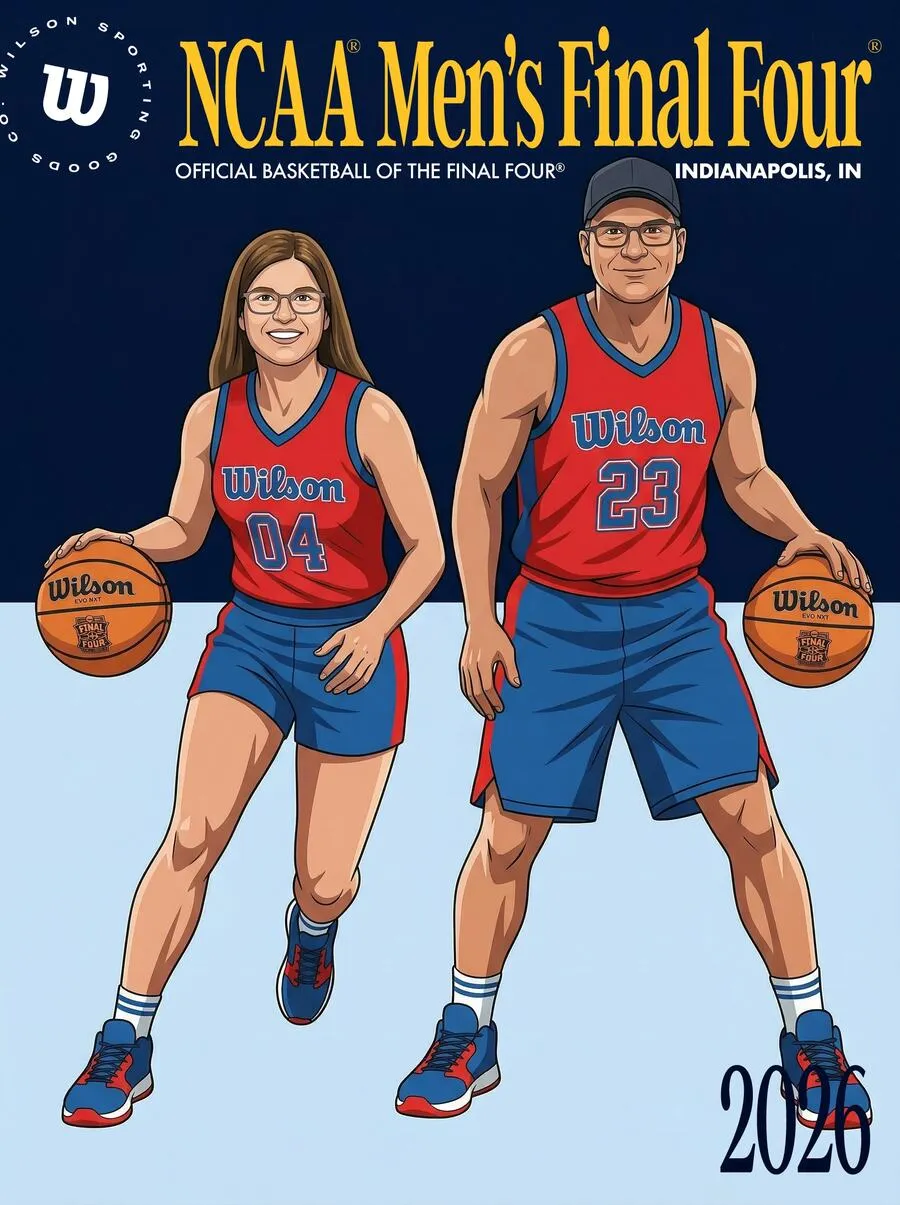
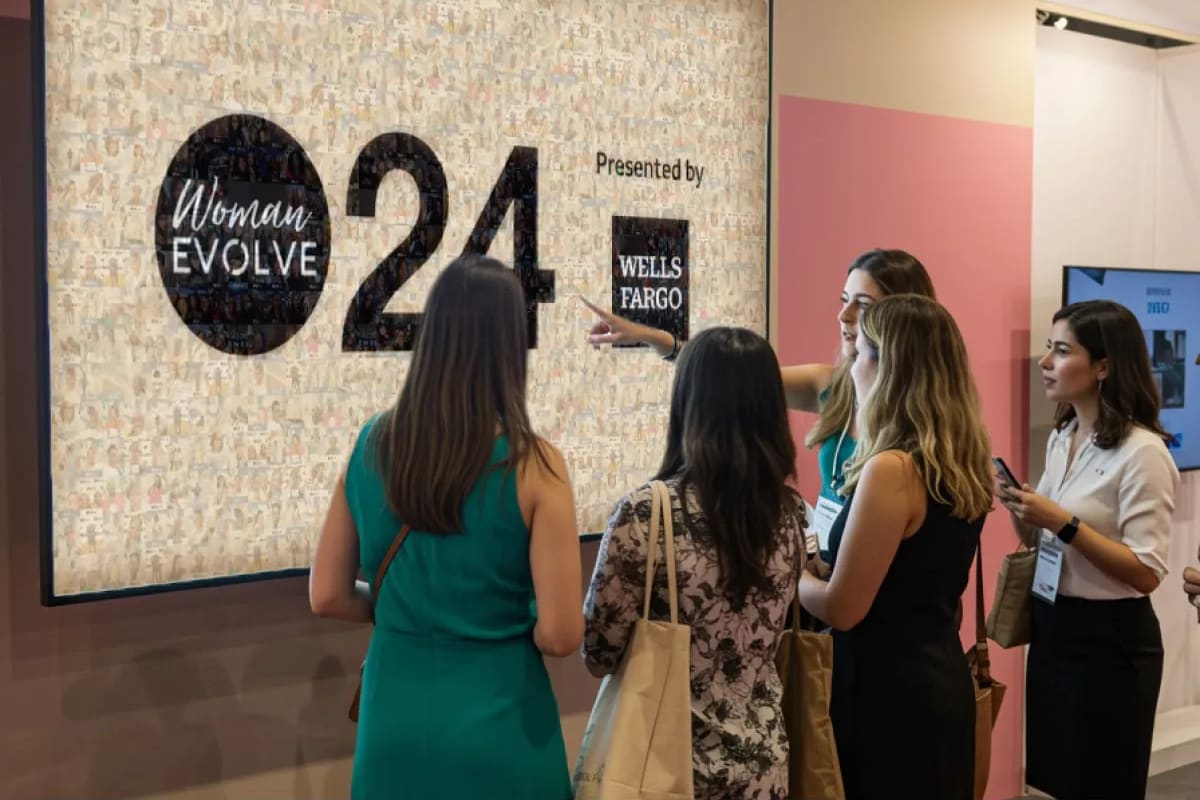
Here's what's easy to miss in those numbers. Fewer people pulling out a phone to photograph your set doesn't mean they want less content. It means a generic picture of a branded wall isn't worth the effort anymore. Content made about the guest is a different thing. Their portrait in your event's style. Their name on a card. Their own photo in the mosaic. People keep that because it's theirs.
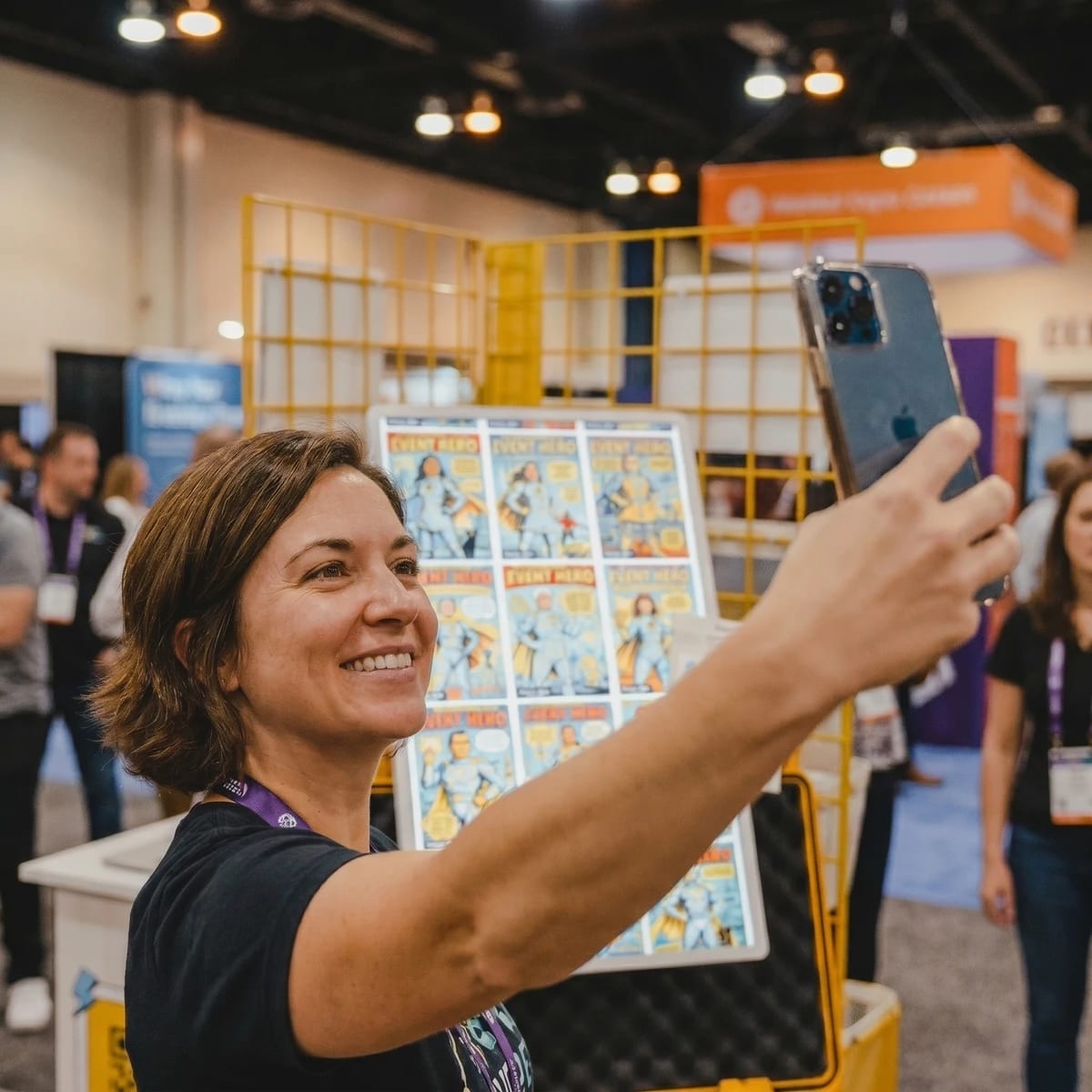
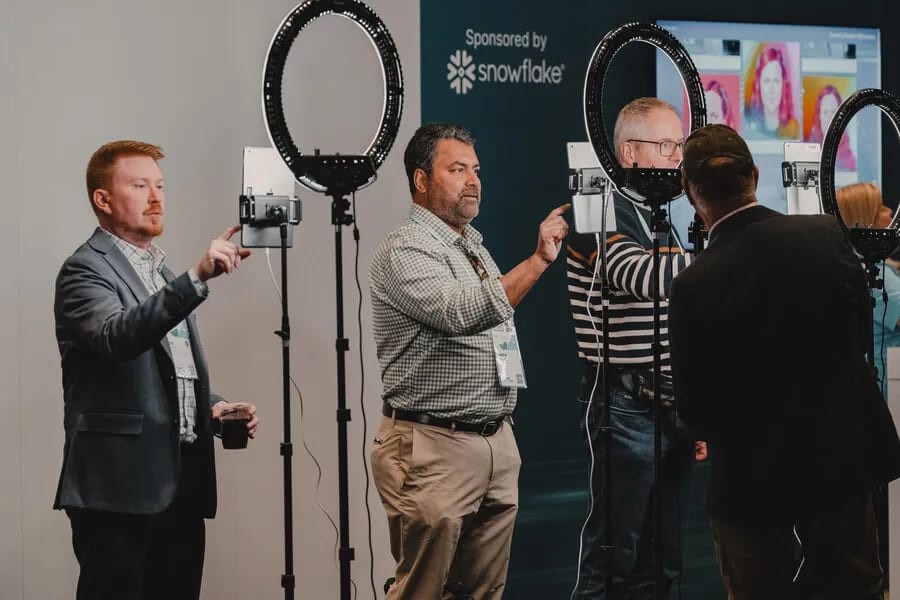
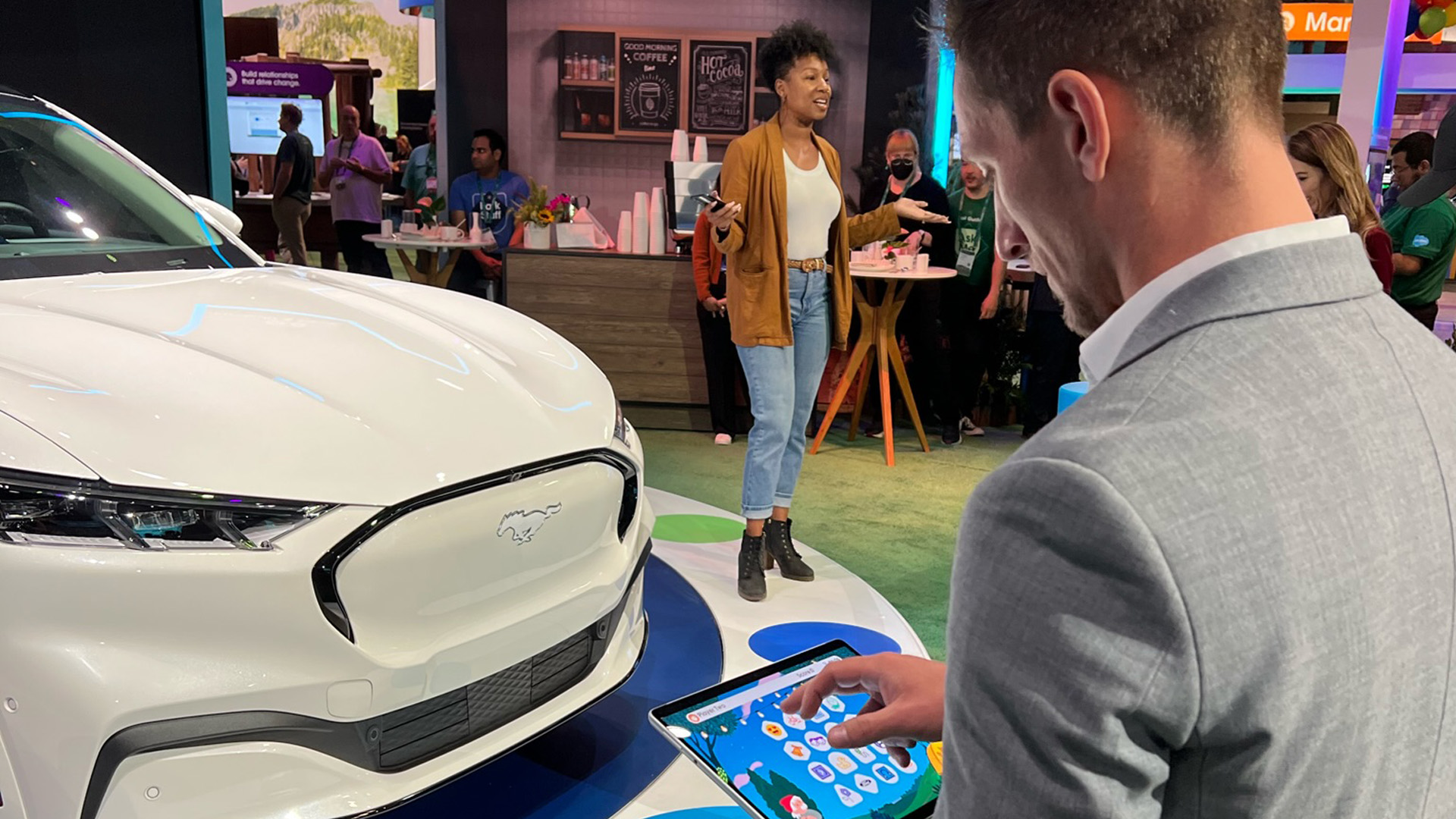
That's where we'd put the budget in 2027. With Snapbar, each guest's content is delivered to them by email or text, and they share it from their own gallery when they want to, instead of being asked to post on the spot. A backdrop still earns its place at a gala or a launch party, where the photo is the souvenir. It just needs to give each guest something with their name on it. For how AI formats in particular are changing, see our read on AI photo booth trends.
What do conference attendees want more of in 2027?
More time with each other, and more chances to do something instead of watching. When EventTrack asked B2B marketers how their events will look in 2030, on-site networking came out on top at 41%, and general sessions ranked dead last. Attendees asked to design their ideal business event said much the same thing.
That last figure is a correction worth making, because a claim did the rounds in 2026 trend lists: that connection had overtaken content as the reason people go. Among B2B attendees, EventTrack found it hasn't. Learning still leads, ahead of networking with existing peers at 43%. Attendees want both, and they want the learning to happen in more places than a session room. The same group would trim the schedule, too: 46% would cut back on the number of event days.
So the most useful of the event marketing trends for 2027, if you run or sponsor a conference, is learning that happens in conversation. Amex GBT's planners point the same way, with 31% naming hands-on sessions and workshops and 31% richer, curated networking among the ways attendee expectations have changed. In practice that means formats that give strangers a reason to talk: a structured networking event with a real mechanic behind it, or conference networking cards that tell someone what to ask before they've said hello.
How will AI show up at events in 2027?
Mostly behind the scenes. Amex GBT asked planners how they'll use AI at their 2027 events, and the top answer wasn't a guest-facing feature. It was equipping onsite staff with insights so they can personalize service (34%), followed by event communications (32%) and tracking attendee engagement (31%). The same report notes that only a minority of meeting professionals plan to use AI in their 2027 programs at all.
So the AI trend for next year is quieter than the headlines. AI helps people do the job in the room; it isn't the reason anyone came.
There's research behind keeping it that way. Across seven preregistered experiments, Kirk and Givi found that when people believe an emotional marketing message was written by AI rather than a person, positive word of mouth and loyalty drop, and the effect is weaker for factual messages ("The AI-authorship effect," Journal of Business Research, 2025). That's a useful line to draw at an event. Let AI handle the logistics and the factual. Keep the welcome, the thank-you and the host human.
Melanie Peterson, our digital design lead, puts the split this way. AI is useful "when it comes to creating initial ideas, drafting things, getting things out of your head," she says, but "whether it looks good and does what it's supposed to, those really need a human brain behind it versus just AI."
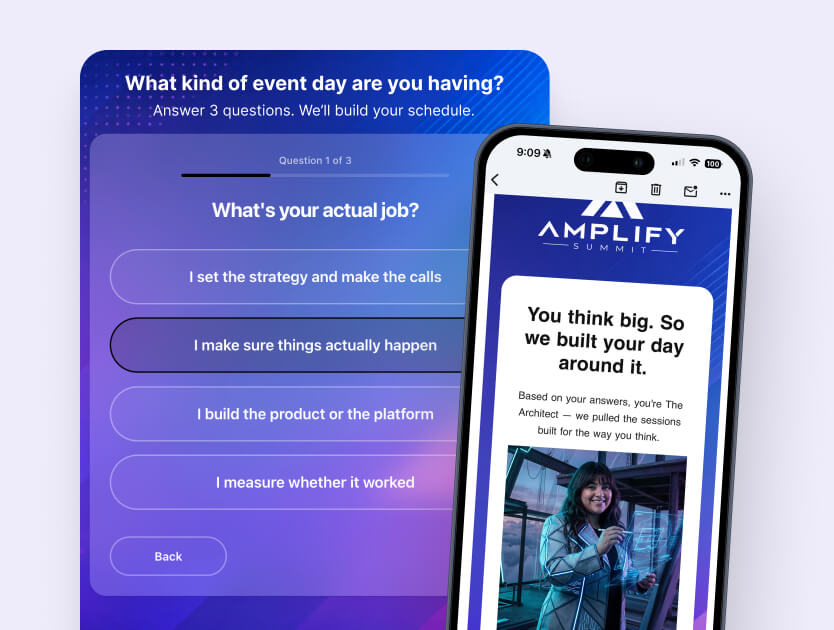
Where AI does make the output, as in an AI portrait or video, the guest's own face is doing the emotional work, and the result is only as good as the creative direction behind it. Our briefing on what to expect from an AI activation covers how that direction gets set.
Why will consent matter more at events in 2027?
Because the tools that personalize an event run on attendee data, and attendees are paying closer attention to how it's used. Amex GBT's own advice to planners for 2027 is to be transparent with attendees about what information is collected and how it's used, to tell them when they're dealing with an automated assistant, and to bring in legal and privacy teams before deploying attendee tracking or sentiment tools. The report also flags that camera-based, facial analysis and other biometric technologies may need notice and consent in some places.
Most planners haven't made it a priority yet. Only 23% say using attendee data more effectively to design experiences is a priority for next year. We read that gap as an opening. Brands that ask clearly, explain the trade and keep the promise will end up with better data than the ones collecting quietly.
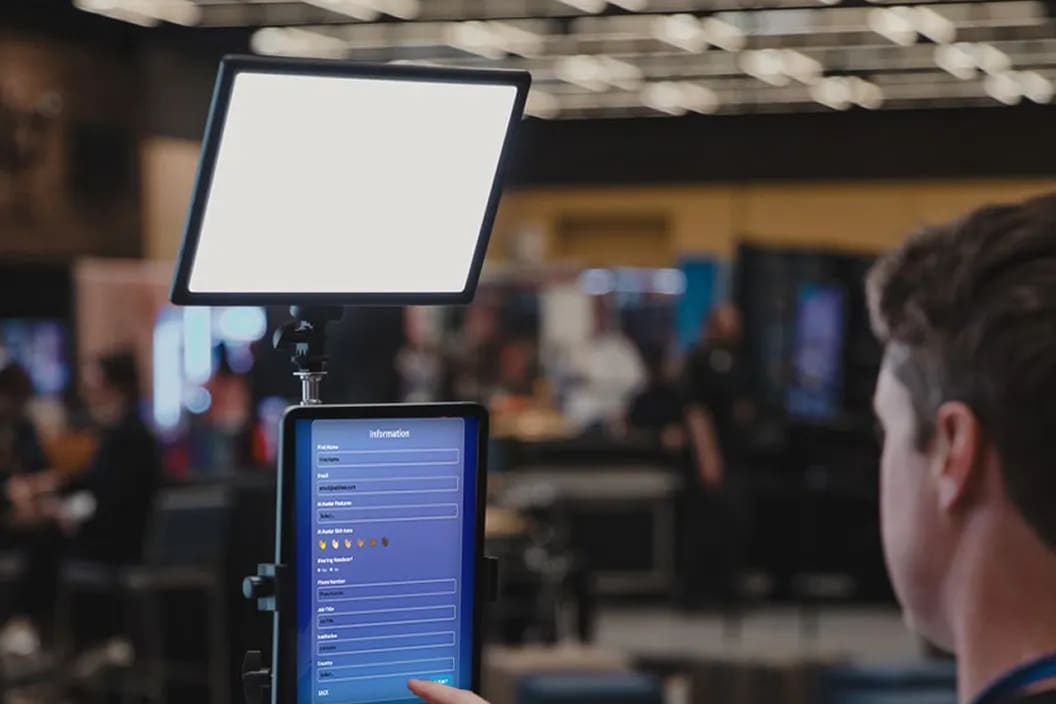
The trade most guests accept is a simple one: their details in exchange for content they actually want. On our platform, the data capture step is consent-gated by default, so details from a guest who doesn't opt in are dropped while their content still processes. Our guide to event photo consent covers what to ask and when, and our framework for measuring experiential marketing ROI covers what to do with the data once you have it. None of this is legal advice; your own counsel sets the rules where you operate.
Do attendees still care about sustainability?
Yes, more than the headlines suggest. Amex GBT notes that sustainability has, anecdotally, slipped down the agenda, then reports the opposite in its data: planners say visible sustainability measures are the number one way attendee expectations have changed in the last two years.
The word doing the work is visible. Guests notice what they can see: less to throw away, fewer things printed for a single day, a takeaway that arrives in their inbox instead of riding home in a tote bag. They're also quick to spot a claim that doesn't hold up, so be careful what you call green. Our guide to sustainable experiential marketing covers what you can fairly say.
How should brand teams plan for 2027?
Decide on formats early, then leave room for approval. Our own booking data is a useful reality check. Across thousands of activations booked between January 2021 and August 2026, the median activation was booked 28 days before the event, and 23.4% were booked within 13 days. AI activations were booked about a week further out than Digital Photo Booth activations, a 35-day median against 27, and the difference is creative approval, not logistics.
Put that next to the trends above and a few planning moves follow:
- Pick the personal format first. A takeaway made for each guest needs its creative signed off, so start that conversation before the venue contract is final.
- Write the consent language alongside the data capture step, not the week of the event.
- Plan the networking moments as carefully as the keynote. They're what B2B attendees say they'd add.
- Give October and December events extra runway. Our event activation planning timeline shows those months book 10 to 13 days earlier than a first-quarter event.
On the platform side, customers build everything themselves: they brand their microsites, invite their team, and write and test their own custom AI styles. Experiences run on iPads or kiosks, laptops or guests' own phones. For a lot of events guests' own phones are enough; if you want an iPad or kiosk or event staff, line those up with your venue or production partner early, since we don't supply them. If you're weighing tools for next year, here's how to evaluate an experiential marketing platform.
Six trends, one question underneath all of them: did each guest leave with something that was theirs? Plan for that, and the rest of the list gets easier.
Planning your 2027 calendar?
Book a demo
Or explore: Experiential Marketing Platform | Activation Concepts