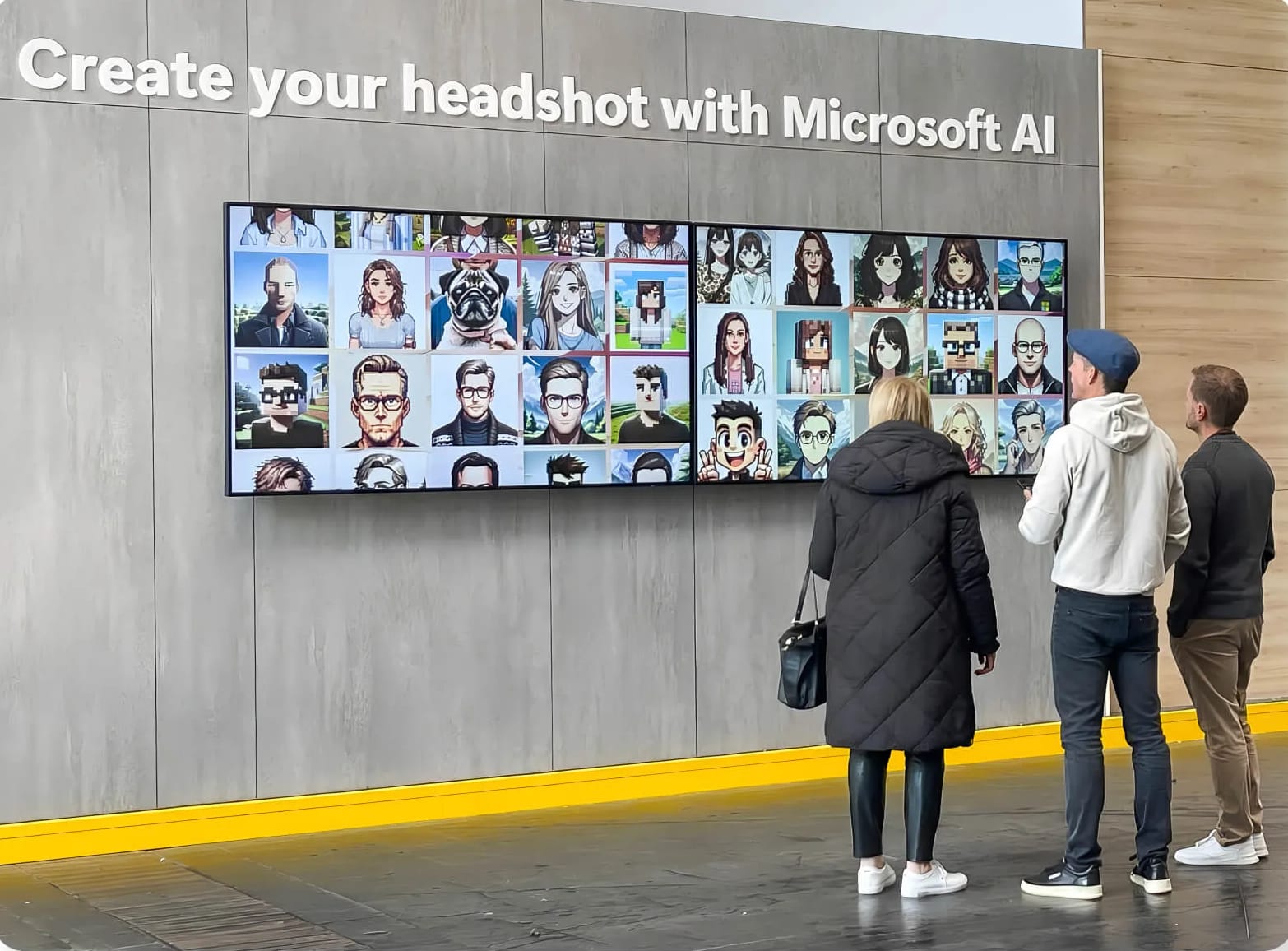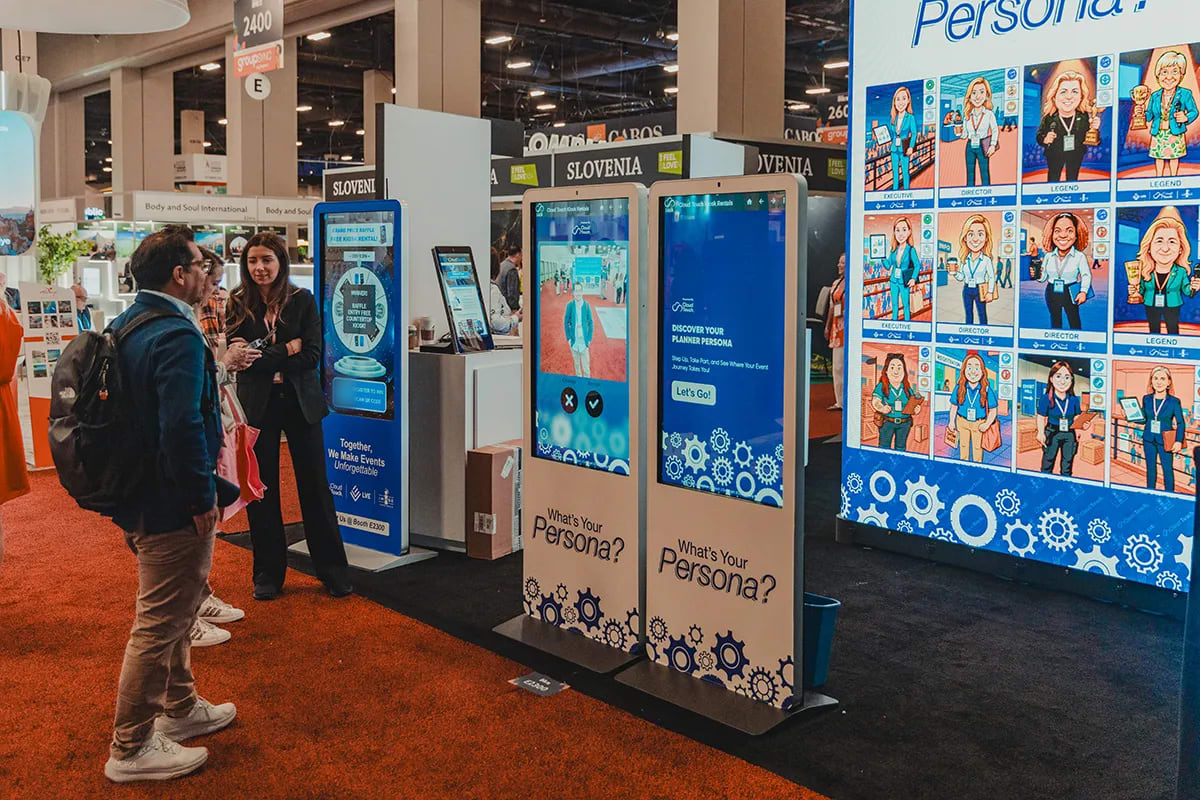
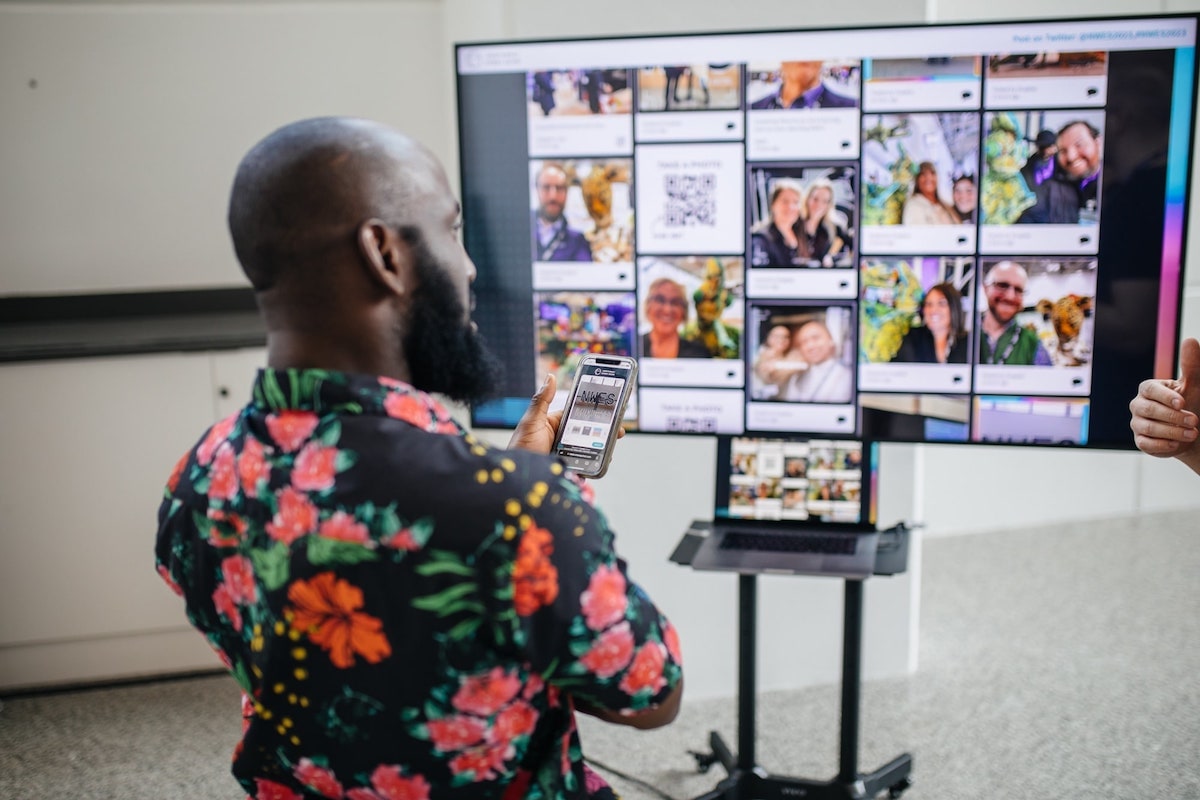
The photo a guest loved on the conference floor on Tuesday can be the one they want gone by Friday. A new job. A colleague who wasn't meant to be at that dinner. A face they'd rather not see in next year's promo. People change their minds, and the brands that handle it well make taking a photo back as easy as saying yes to it in the first place.
That's the real job of event photo consent, and it runs in two directions. Across one branded capture point or dozens run on an experiential marketing platform, the question your privacy reviewer eventually asks doesn't change: what happens when someone wants their photo down? We wrote this guide so you have a clear answer before doors open, for conferences, customer events and brand events where the photos go on to live in recaps, social posts and sales decks.
Key takeaways
- Consent happens twice: when a guest agrees to take part, and later, if they want to take it back.
- A visible way out makes more people say yes, not fewer.
- The removal link lives in the delivery email, so plan a separate route for text deliveries and for the friend in the background.
- Name one person to review removal requests, and don't reuse a single photo while a request is still open.
What does event photo consent actually cover?
Event photo consent covers two moments: what a guest agrees to before their photo is taken, and how they withdraw that agreement after it's been delivered. Most event teams plan the first moment carefully and leave the second to an inbox someone may or may not be watching.
The capture model matters here. A roaming photographer works from implied consent, usually a sign at registration that says photography is happening. That's a different setup with its own playbook, which we cover in our guide to using event photography in your marketing. At a guest-initiated capture point, the guest walks up on purpose, takes part on a kiosk, an iPad or their own phone, and sees your consent step on the screen before anything is submitted, if you include one. Consent is something they do, not a sign they walked past.
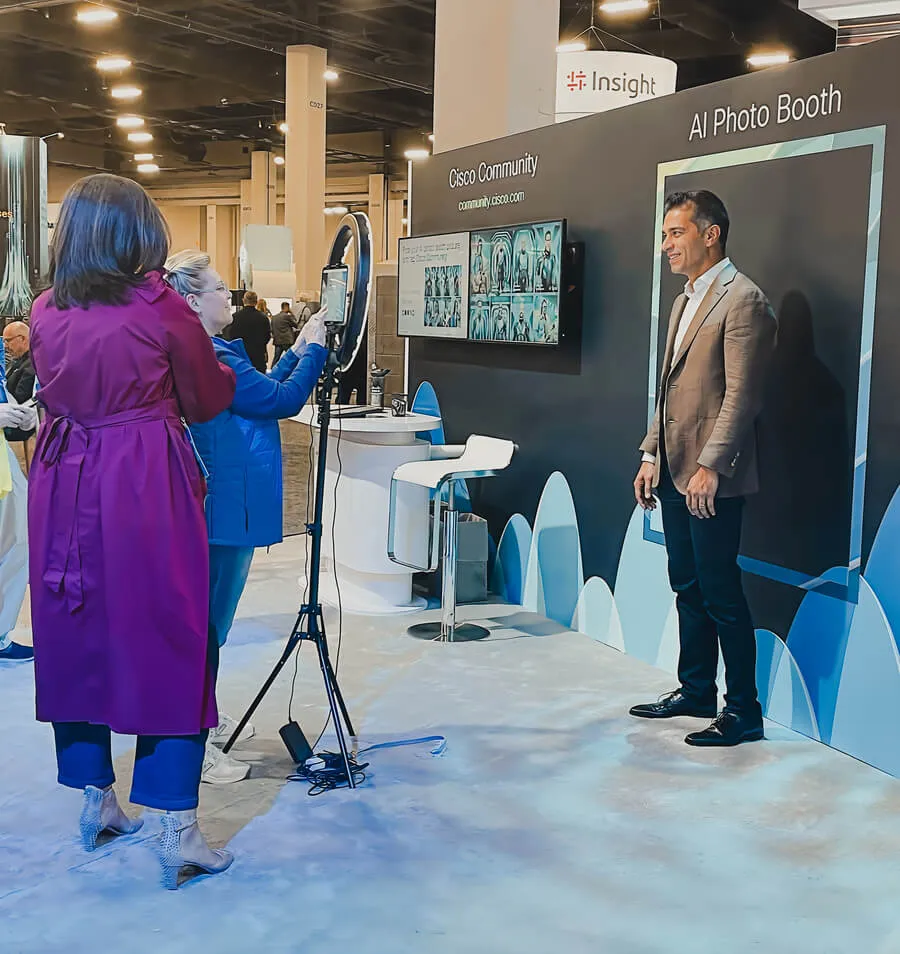
Marketing follow-up is a separate decision from the photo itself. A guest who declines marketing still gets their photo, and their details are never passed on. That split is the cleanest consent signal you can give a reviewer.
This is how we think about it as a platform, not legal advice; your privacy or legal team owns the final wording. For context, European law already expects people to be able to make requests electronically (GDPR Recital 59), which is part of why a removal route that lives in the guest's own inbox matters.
Why does an easy way out make more guests say yes?
An easy way out makes more guests say yes because people share more when they feel in control of what happens next. That runs against the instinct to bury the exit, and the research is clear on the direction.
In a study of 132 university students, those who knew exactly what would be published answered 80.8% of the intrusive questions. When chance decided whether their answers went up at all, a lower real risk, that fell to 61.5%. (Brandimarte, Acquisti and Loewenstein, 2013)
The authors call this the control paradox: felt control drives disclosure more than actual risk does. For an event team, it means a visible, working way to take a photo down is part of why people step up to the camera at all. The guest who knows they can change their mind is the guest who says yes on Tuesday.
The flip side matters just as much. Felt control can outrun real protection, which is exactly why the paradox is a warning as well as an opportunity. If the exit is a promise nobody can act on, you've borrowed trust you can't repay. The removal route has to actually work, all the way to the recap.
Interview research on how students handle unwanted photos found the person in the picture usually has one move left: in one participant's words, "there's not much you can do besides convince them to delete it." The authors argue for designs that share the power over a photo with its subjects and bystanders, not only the person holding the camera (Rashidi et al., SOUPS 2018). A removal link in the guest's inbox is a small, practical version of that.
What should guests agree to before they take an event photo?
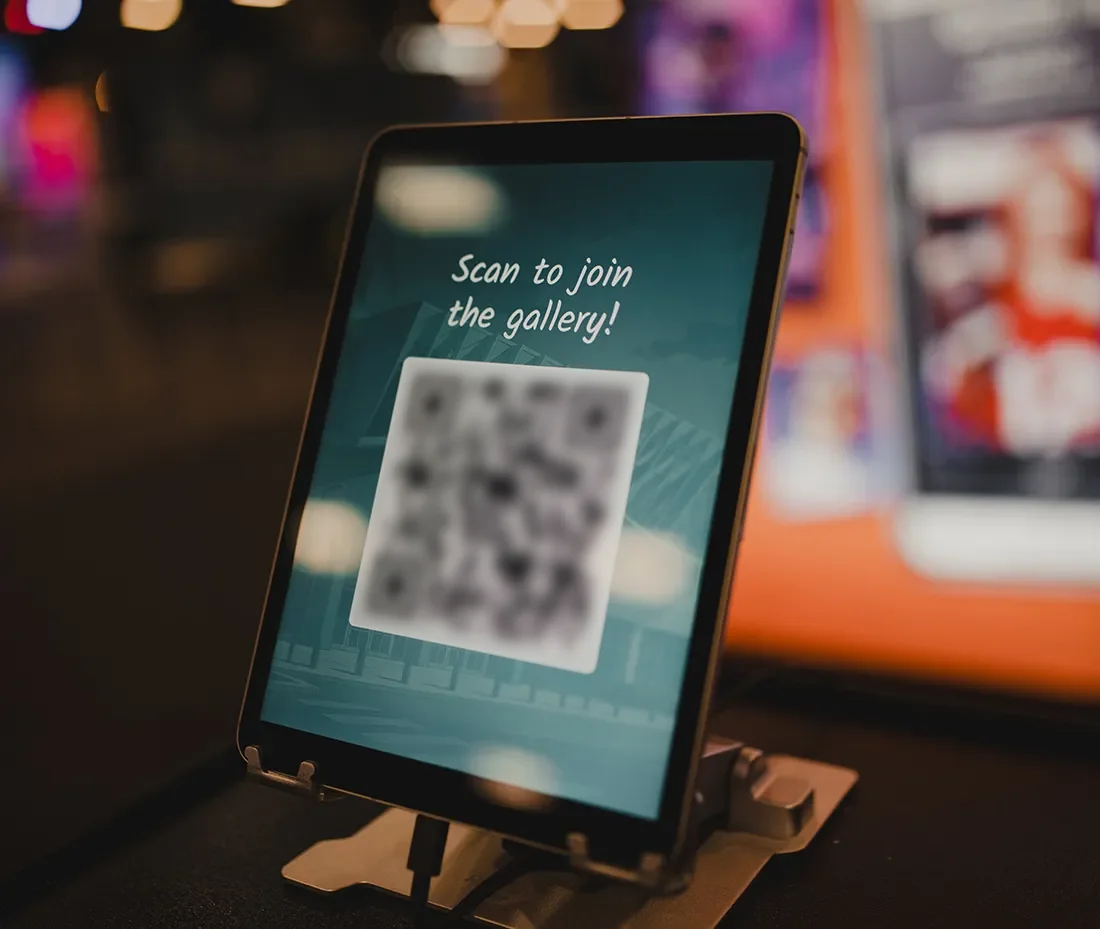
Guests should agree to where their photo will appear, in plain words, before they submit it. You decide whether to show a consent step at all, what it says, and which details you ask for in the first place. Short beats complete here. Nobody reads a wall of terms on a kiosk while their colleagues wait behind them.
Name the places a photo can end up. The screens in the room. The event gallery. The recap video, your social channels, next year's promo. If you plan to cut guest moments into something like Customer Highlight Reels, that's exactly the kind of reuse to spell out, because it's the one guests are least likely to expect.
Then keep marketing follow-up as its own choice, separate from taking part. And tell guests how to ask for removal, especially if the experience delivers by text, since that route has no built-in link (more on that below). A one-line contact address on the screen or on signage covers it.
Your privacy reviewer will have a longer list of questions about the data side, from consent wording to how long records are kept. We answer those in where event lead data goes, and the consent captured up front is covered on our lead capture page.
How does a guest ask for their photo to be removed after the event?
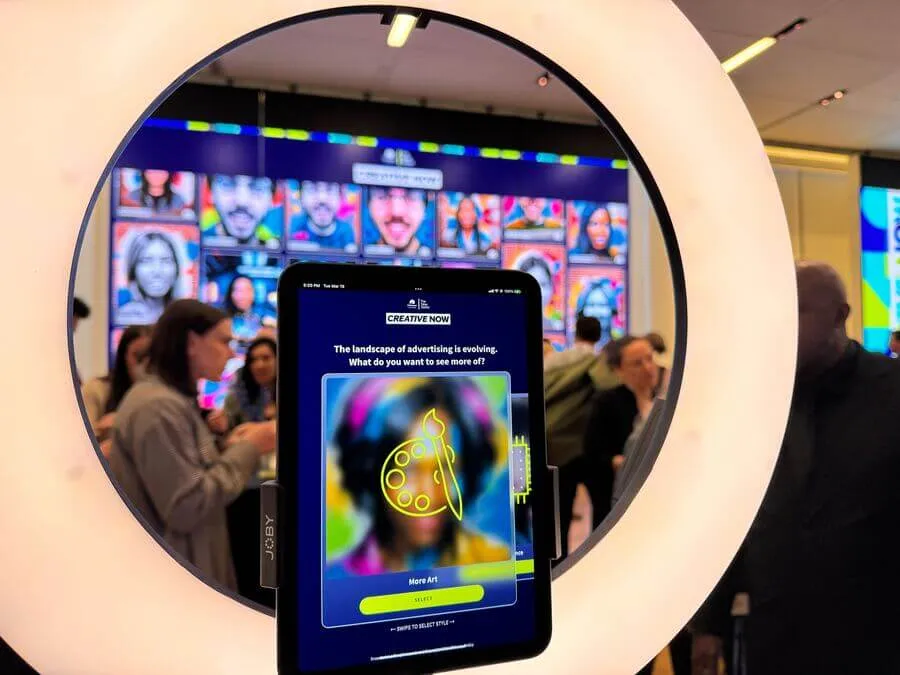
A guest asks for their photo to be removed through the link in their delivery email. Every delivery email carries one. Once they use it, the photo or video comes off the live gallery, the slideshow, the leaderboard and Live Mosaic, and off the guest's own share page, and it stays down until someone on your team reviews it. One honest caveat: a screen that already has the photo loaded keeps showing it until that screen refreshes, so it comes off every screen as each one refreshes.
There are two gaps worth planning for, and neither is hard.
Text deliveries carry no removal link. If an experience delivers by text, the guest gets their content without a built-in way to ask for it to come down, so give them a contact route on the consent screen or on signage instead.
The link also goes only to the guest the photo was delivered to. The friend in the background of someone else's group shot didn't get that email. Same answer: an address they can write to, and a reviewer who acts on it.
See it in action
Consent captured up front, and no details passed on without it
Ask only for what you need, keep marketing follow-up as its own choice, and guests who decline still get their photo.
Explore Lead Capture
None of this works without someone on the other end of the request, which is where most consent plans quietly fall short.
Who should handle photo removal requests, and how fast?
One named person on your team or your agency should handle photo removal requests, and they should check daily through the week the recap is being built. Snapbar doesn't provide on-site or post-event staff, so this is your person, and it helps to name them in the run-of-show next to whoever owns the guest list.
Requests show up in your dashboard. Nobody gets an email alert, so a reviewer who doesn't look won't know. A daily check while the content is being cut is enough for most events.
Decide the policy before doors open, not after the first request lands. We'd recommend honoring requests by default and restoring a photo only when the guest confirms they asked by mistake. The one rule that shouldn't bend: never reuse a photo with a request still open. Since the request arrives through the delivery email, it's worth knowing how that email works for guests, which we break down in our guide to event delivery emails.
How is a removal request different from moderating photos before they go on screen?
Moderation decides what reaches a screen in the first place. A removal request is the guest's own say after their photo has been delivered. One is your team's judgment before the fact; the other is the guest's choice afterward.
Most events that need one want both. Moderation protects the room from the photo nobody should see on a twelve-foot wall. Removal protects the guest from a photo they were happy with at the time and aren't anymore. We cover the first half in how event photo moderation works.
How do you know your consent process worked?
Your consent process worked if nothing a guest asked to take down was in the recap, and no removal request was still open when it shipped. That's the test we'd hold any event to, and it's one you can check yourself on the day the recap goes out.
Be careful what you promise stakeholders, though. The event report covers participation and the lead data guests entered. It doesn't report a removal rate, so don't put one in the wrap-up deck. The rest of that deck is covered in how to measure event success.
It also helps to know where the link sits. Delivery emails average a 95% open rate, so the removal route is in an email most guests actually open. Text deliveries are the exception, which is why the contact route on your consent screen matters as much as the link does.
Getting both moments right is mostly planning: the words on the screen, one route out for every guest, and one person who checks. Do that, and your team can use the photo library with confidence long after the event, with nobody feeling ambushed by their own face.
Planning an event where the photos have a second life?
Get a Quote
Or explore: Lead Capture | How It Works