
Table of Contents
An AI photo booth is an event activation that turns each guest's photo into a new, branded portrait in a style your brand designed, then delivers it to the guest by email or text. The guest walks away with a picture of themselves they actually want to keep. The brand gets the contact details they traded for it, content with its name in the frame, and a moment on the floor that people stop for.
If you've seen one at a trade show and wondered whether it's more than a novelty, that second half is the part worth understanding.
Key takeaways
- An AI photo booth creates a new image with the guest as its subject. It doesn't just put a frame around the photo they took.
- Styles are designed before the event and locked, so every portrait is different and every one stays on brand.
- It runs in a browser on whatever you bring: a kiosk, an iPad on a stand, a laptop, guests' own phones, or all of them at once.
- The brand gets opted-in contacts, shareable content, screen moments and participation data.
What is an AI photo booth?
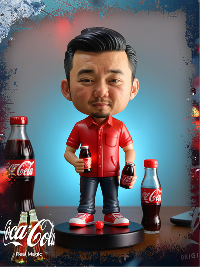
An AI photo booth is a branded event activation that uses generative AI to create a new portrait of each guest, in a style the brand chose ahead of time. The finished portrait reaches the guest by email or text, ready to download and share.
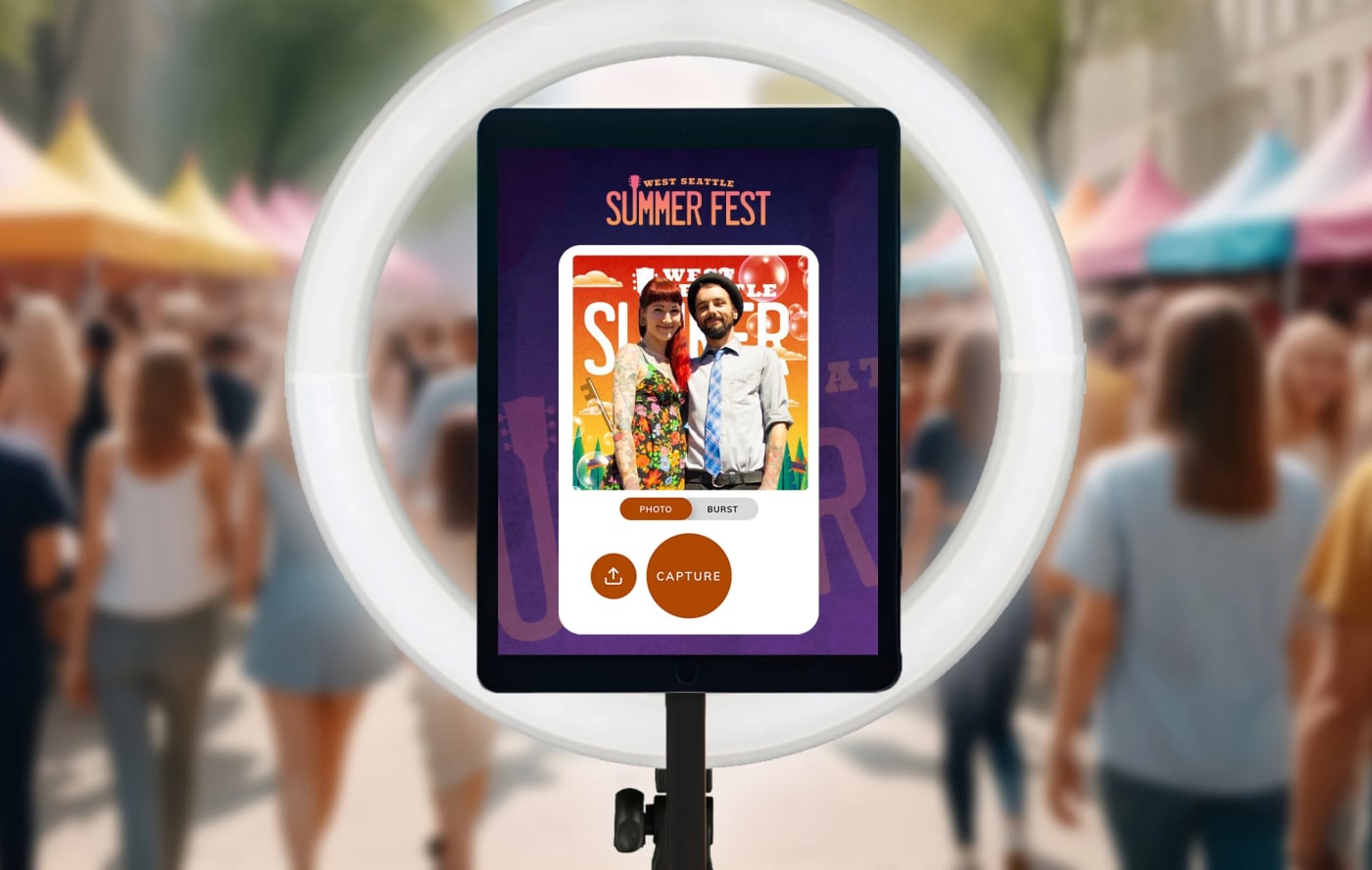
Every AI photo booth does three jobs, whatever the theme. First, capture: the guest takes a photo on whatever the event provides. That might be a kiosk at your stand, an iPad, a laptop at registration or their own phone after scanning a QR code, and plenty of events run several at once. Snapbar provides the platform; you source the hardware and anyone staffing it.
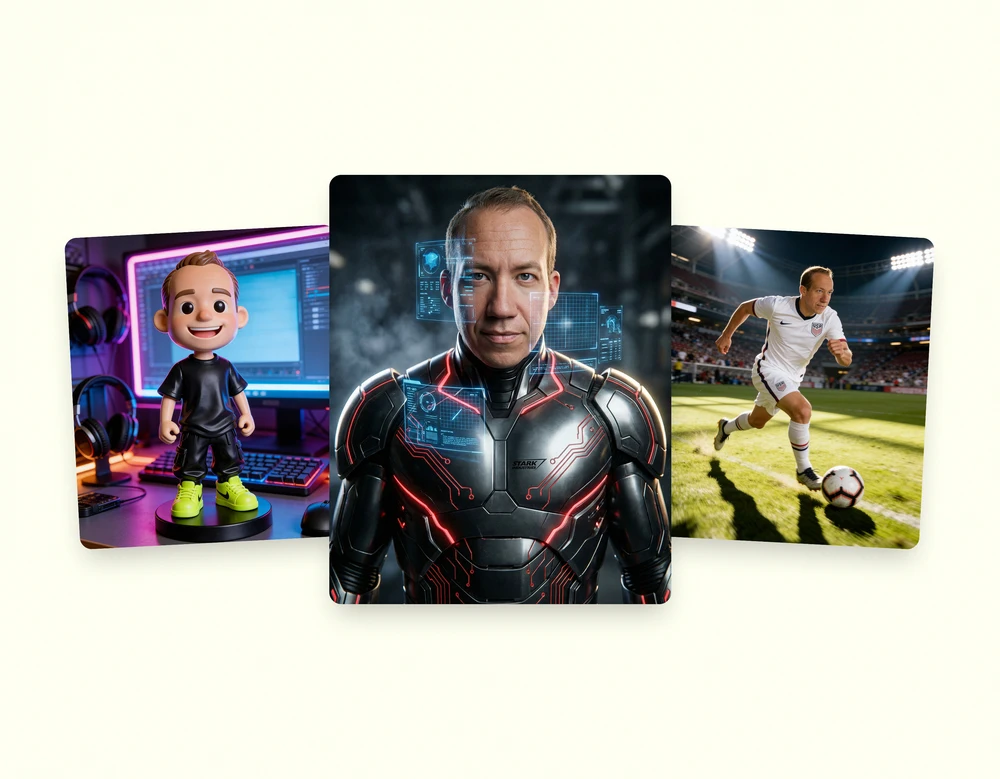
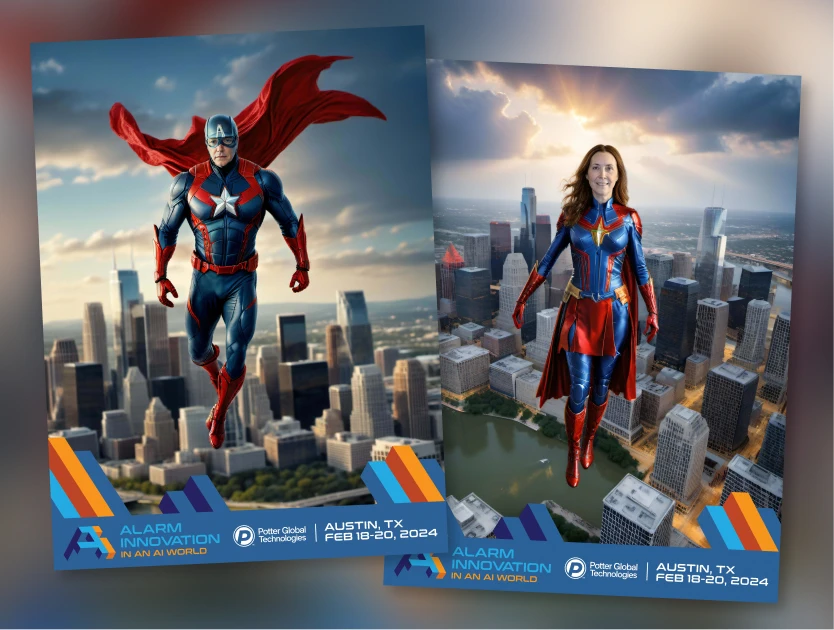
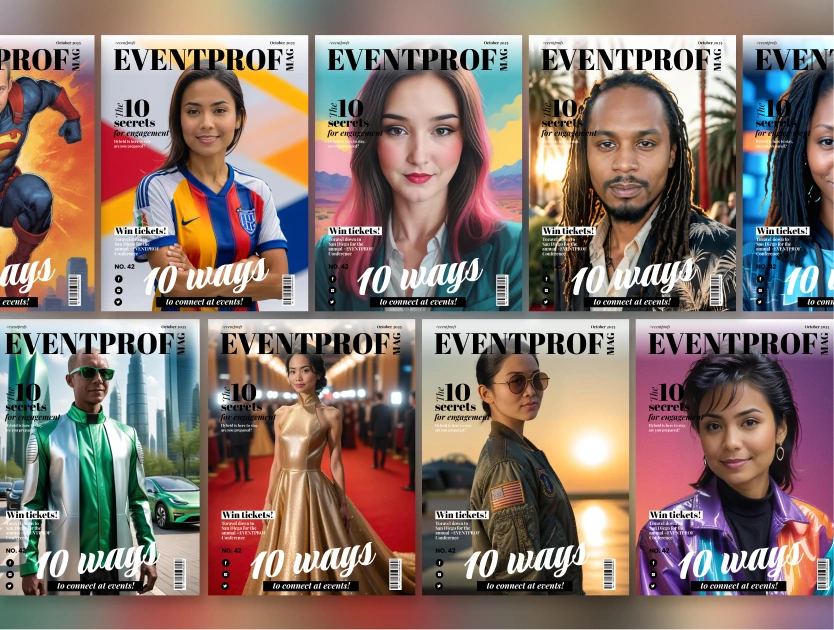
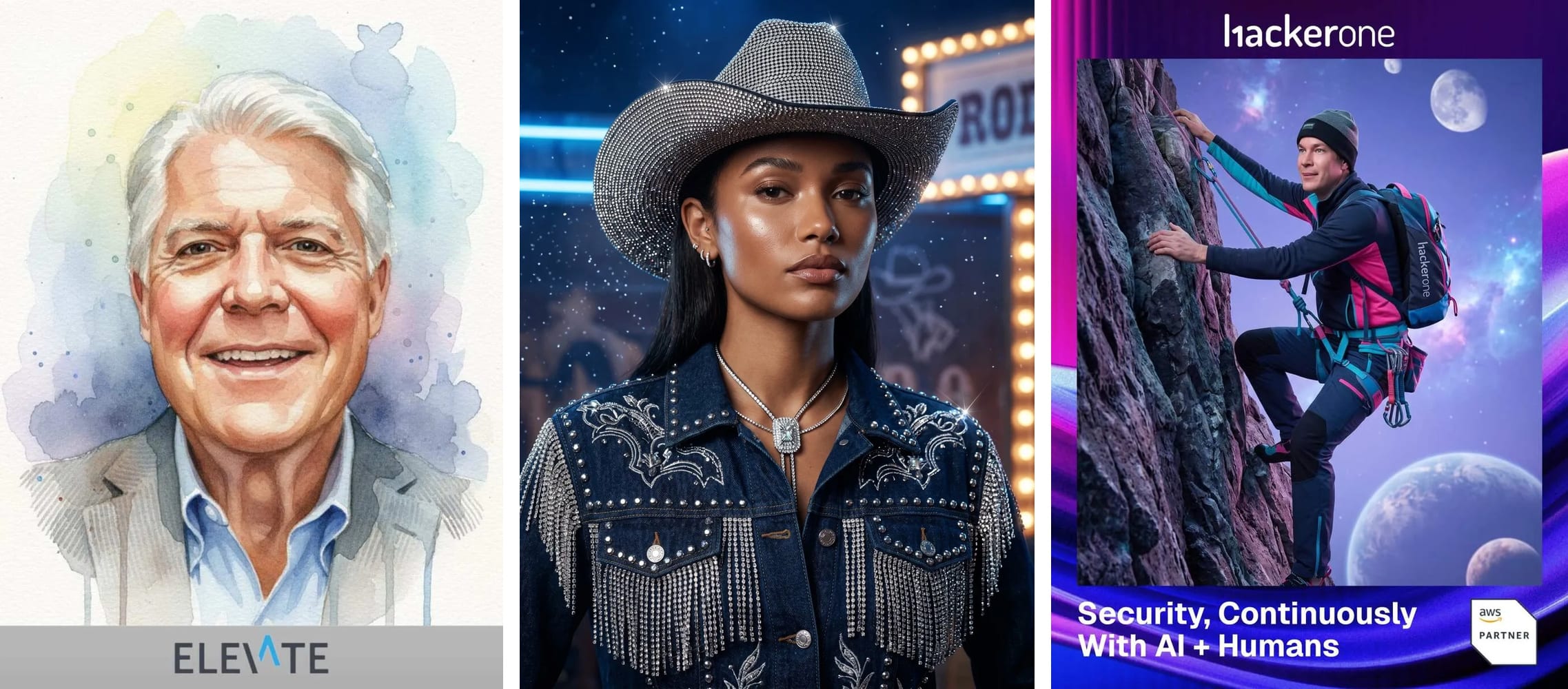
Second, the transformation. A generative AI photo booth doesn't apply a filter. It builds a new picture, using the guest's face as the anchor and the brand's style as the brief: a magazine cover, a watercolor, a superhero mid-stride. Third, delivery. The portrait arrives by email or text, in a gallery where the guest downloads and shares it. What happens in between is covered in how an AI photo booth works.
How is an AI photo booth different from a regular photo booth?
A photo booth records the moment and puts a frame around it. An AI photo booth produces a picture that didn't exist before, with the guest in it.
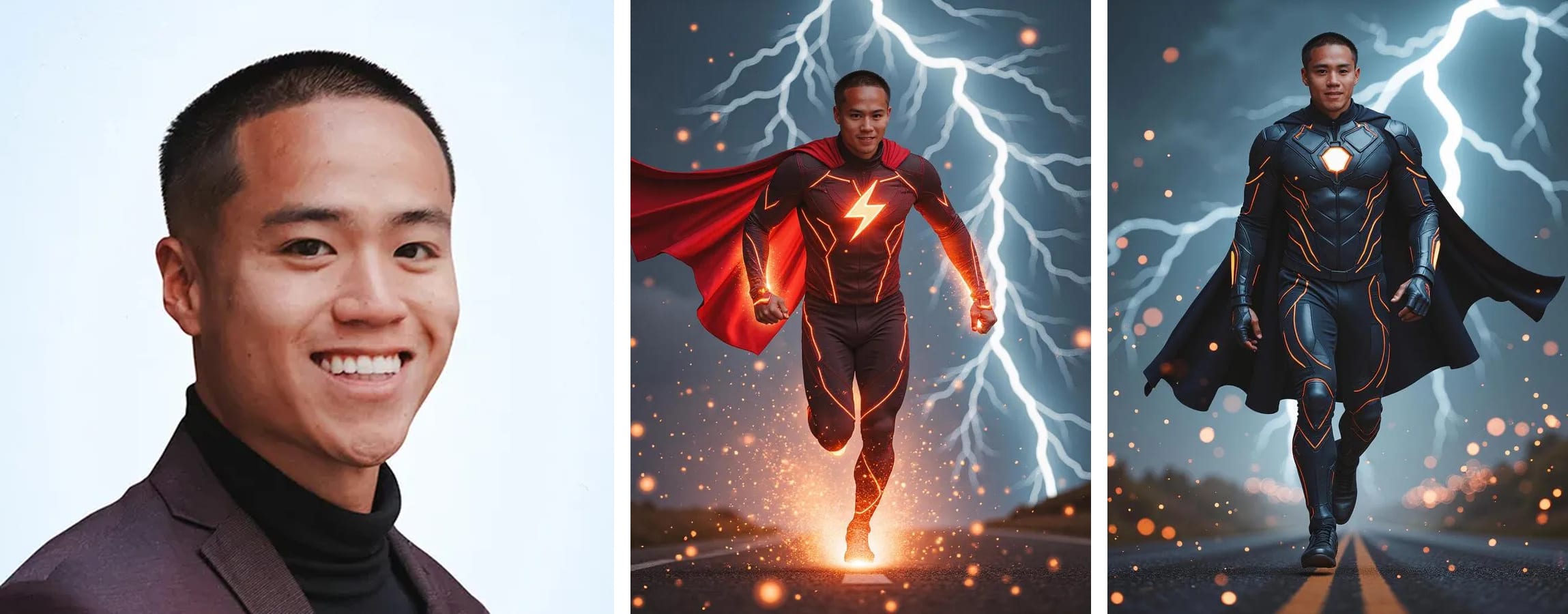
That difference changes what you plan. With a digital photo booth, the creative work is the frame: overlays, a backdrop, your branding on every shot. With an AI photo booth, the creative work is the style itself, which is why it needs a review round before the event, and why the result reads as a keepsake.
| Digital Photo Booth | AI Photo Booth | |
|---|---|---|
| What the guest gets | Their real photo, branded with overlays and frames | A new portrait of themselves in a style the brand designed |
| What you design ahead | Templates, overlays and backdrop | The styles: setting, wardrobe, era and look, reviewed on test portraits |
| Best when | Real photography matters: candid moments, a product in hand, a big crowd moving quickly | The creative idea is the point, and every guest should leave with something nobody else has |
Neither one is the better product. They solve different problems, and plenty of events run both: a digital setup for broad coverage of the room, an AI style for the moment people line up for.
What does a guest actually experience?
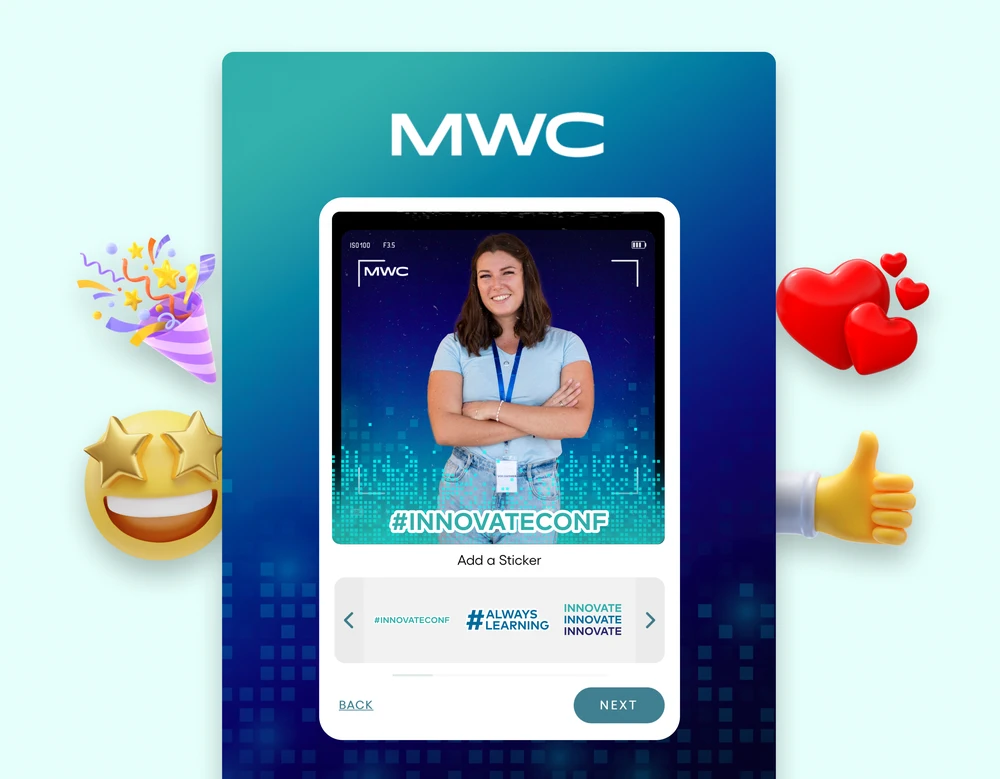
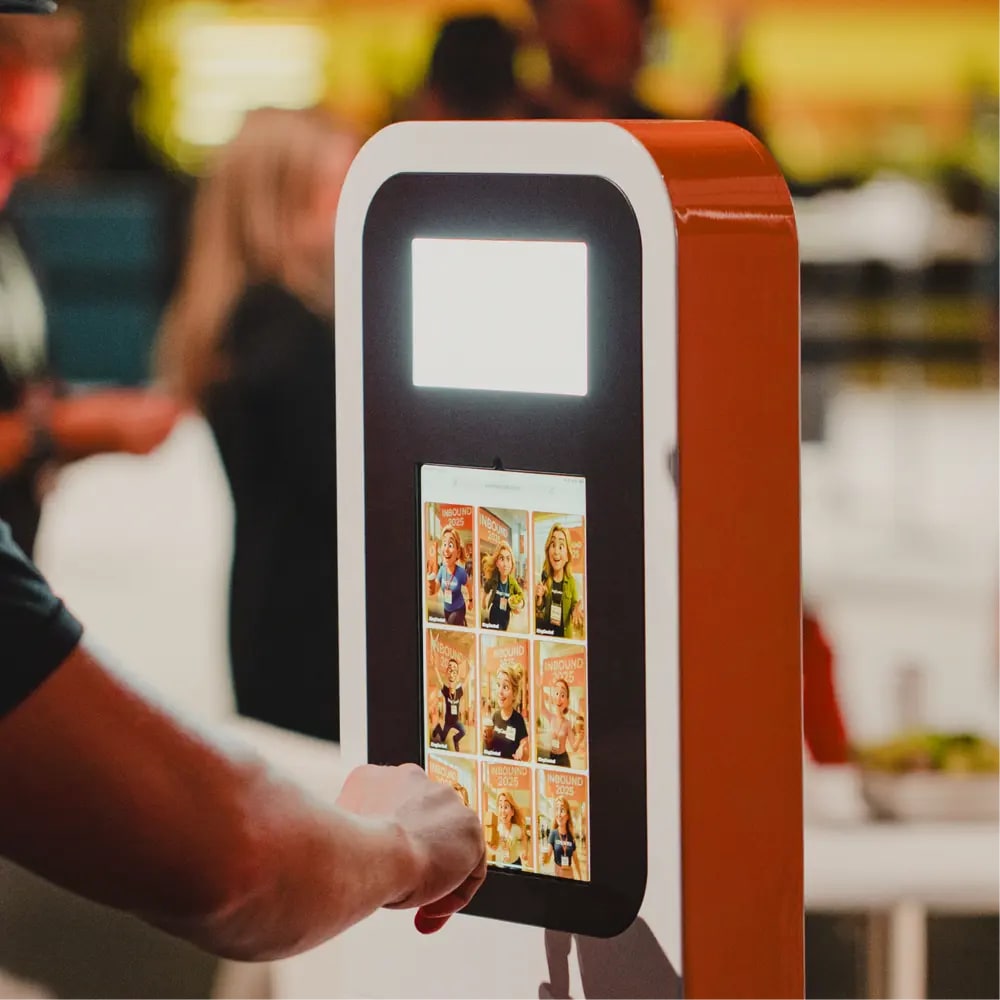
Less than you'd think, which is the point. The guest picks a style, takes a photo, fills in the details the brand asks for and submits. The portrait arrives by email or text, in a gallery they download and share from. There's no app to install.
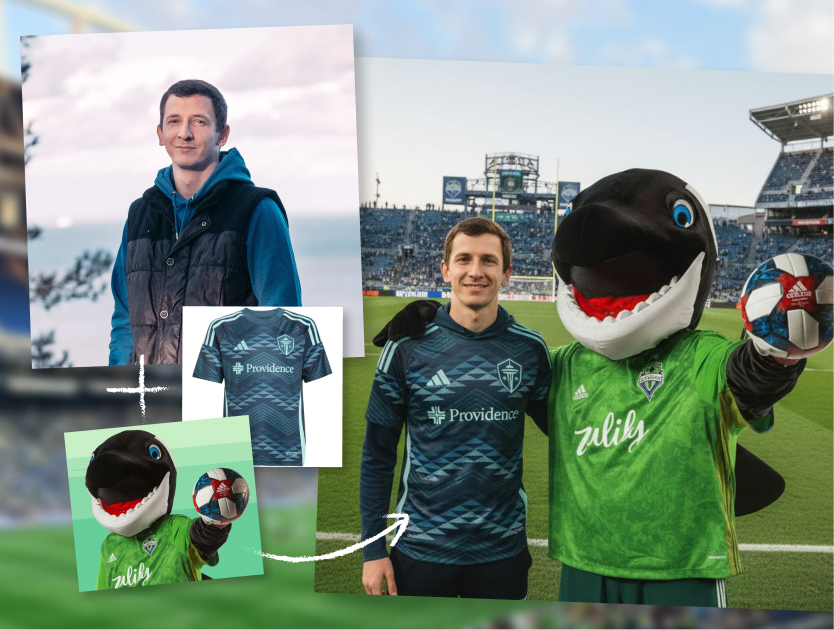
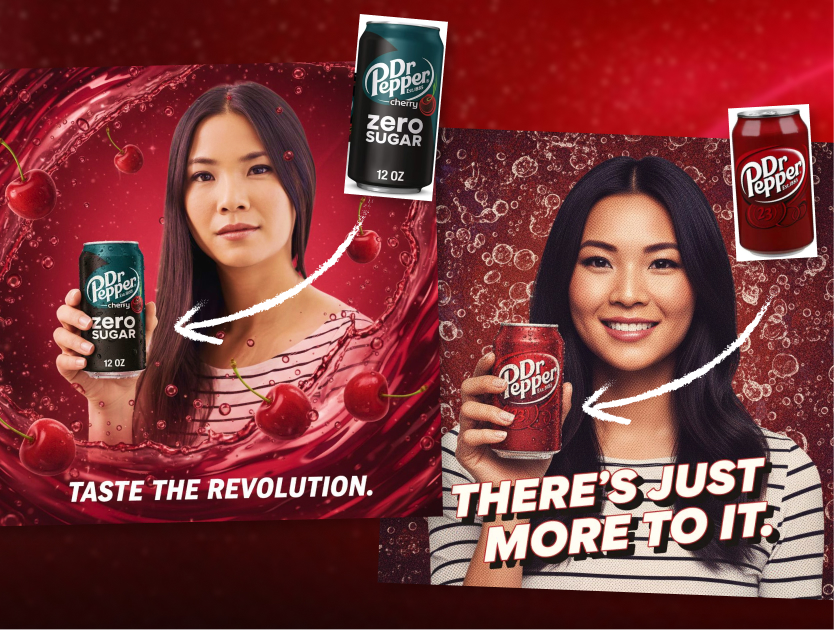
Some styles go a step further. A guest can blend a second photo into the portrait, so a product, a mascot or a pet appears in the brand's scene alongside them.
Attendees have told researchers what they value here, and it isn't the technology.
61% vs 16%
Asked what makes an event experience "immersive," 61% of attendees in Freeman's 2025 Experience Trends Report chose hands-on interaction, a chance to try something for themselves. Only 16% chose experiences that use technology such as VR or AR.
That's the right way to think about the AI in an AI photo booth experience. Guests don't notice a model. They notice being in the picture.
What does a brand get from an AI photo booth?
The first thing is contacts who came willingly. Guests trade contact info for content they want, so the entry form can ask for more than an email address: a company, a role, or a qualifying question about what they're shopping for.
The second is content with your brand inside it. A portrait of a person travels further than a branded graphic. Researchers at Georgia Tech and Yahoo Labs studied 1.1 million Instagram photos and found that photos with faces drew 38% more likes and 32% more comments than photos without them. An AI portrait is a photo of the guest first and a piece of your event second, and your brand rides along in the frame.
Research on the self-reference effect adds a memory angle: people remember material better when it relates to themselves. We won't claim that makes a guest remember your logo, but it's a fair reason the portrait outlives the lanyard.
The third is moments on the floor. A live gallery, a slideshow and a leaderboard come with every activation, so portraits can fill the screens at your stand or beside the main stage while the event runs. If you'd rather see each one first, an approval hold keeps anything unreviewed off every display until your team says yes.
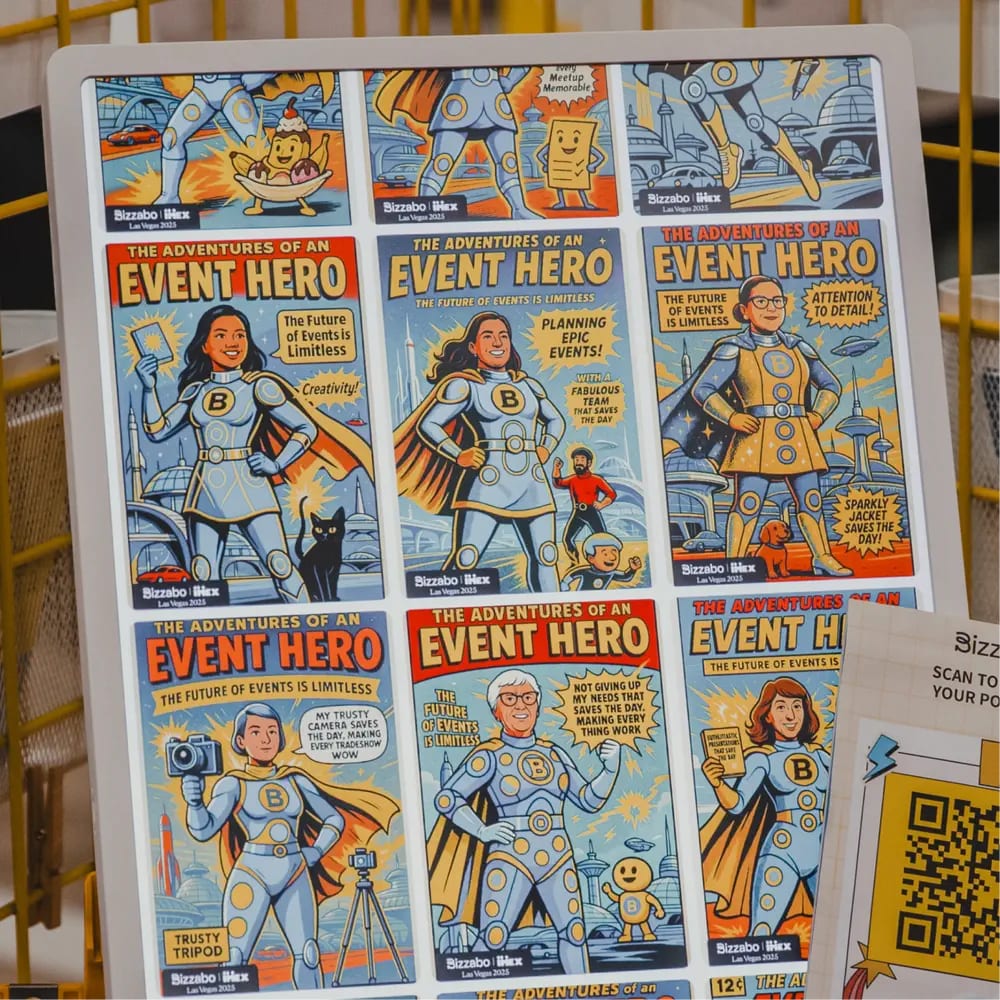
The fourth is numbers you can use afterward. Participation shows by hour, day or week, so you can see which sessions sent people your way, and the lead data exports ready for CRM import.
See it in action
Build your own AI Photo Booth activation
Styles designed with our team, locked before your event, delivered to every guest by email or text.
Explore AI Photo BoothPut together, that's the trade the format runs on: leads in, marketing fuel out, from one activation.
What do you decide before the event?
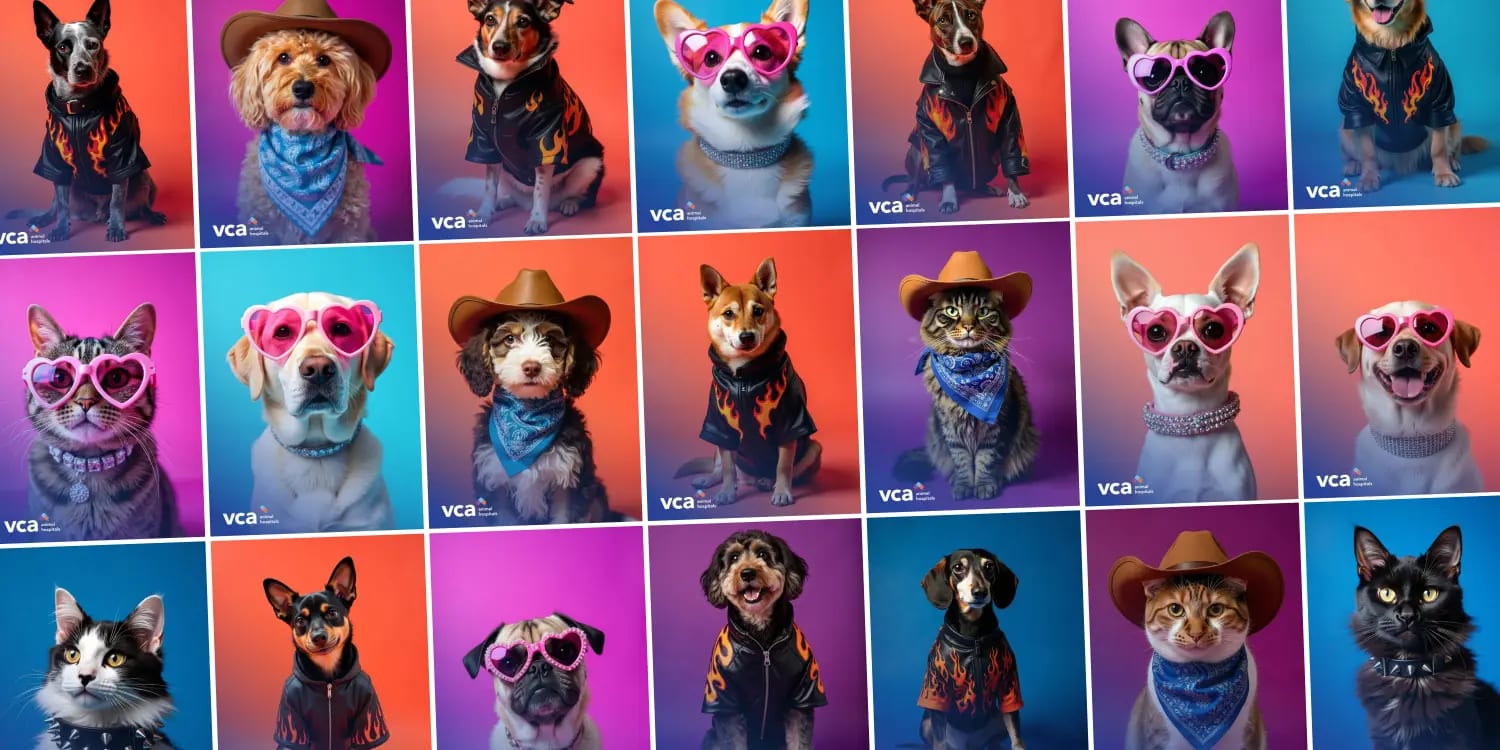
Mostly the creative, and that's where the time goes. Styles are built with our team ahead of time: the setting, the wardrobe, the era, the look. You review them on test portraits, approve them, and they're locked before the doors open. That's how every portrait differs while every one stays on brand.
It also explains the calendar. Across our booking data, AI Photo Booth activations book at a 35-day median, against 27 days for Digital Photo Booth. Setup on site takes about the same time for both. The extra week is creative approval, which our event activation planning timeline breaks down by season.
A few operational choices sit alongside the creative. Should photos go straight to the screens or wait for approval? For an internal event, our team can limit the experience to guests who enter an email on your company's domains, and cap how many portraits each email address or phone number can create. Every delivery email also carries a link a guest can use to ask for their photo to be taken down, and your team reviews those requests in the dashboard. For briefing the styles themselves, read what to expect from an AI activation.
Where does an AI photo booth work best?
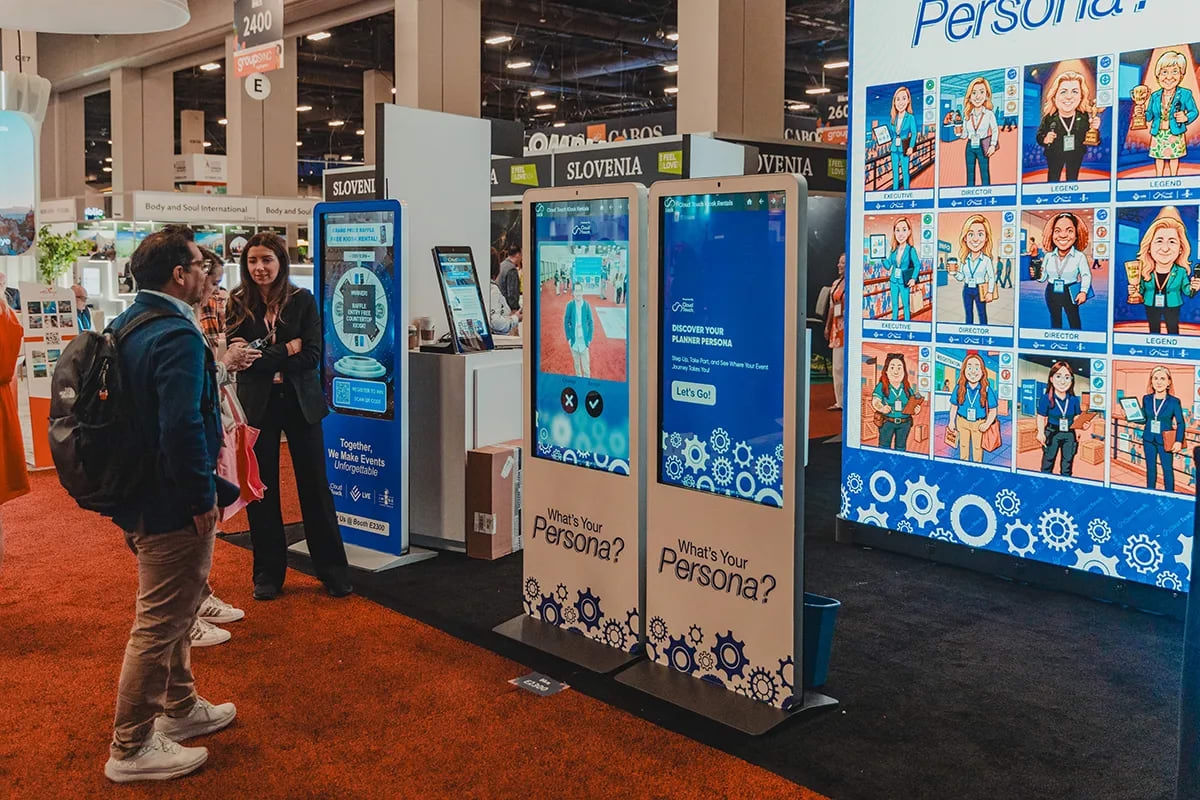
At a trade show, it gives people walking the aisle a reason to stop, and a screen at the stand turns each finished portrait into an invitation for the next person. At a conference, it rewards attendance with something guests want to share. At a brand activation, it's often the thing people queue for. At internal events, from sales kickoffs to all-hands meetings, it gives a spread-out team one shared moment.
It fits less well at a small private party where nobody needs leads, data or a branded style. A local rental operator is often the simpler fit there, and that's fine.
For where demand is heading, see AI photo booth trends. For the range of styles brands have actually run, browse our AI photo booth examples.
How do you choose an AI photo booth provider?
Ask four questions before you compare prices. Who designs the styles, and how many review rounds do you get? What does it run on, and can you mix devices at the same event? How does content reach guests, and where do they share it from? What data do you keep afterward, and in what form? We put nine platforms through those questions in our roundup of the best AI photo booth software.
Want to see what an AI photo booth would look like for your brand?
Get a QuoteOr explore: AI Photo Booth | Activation Concepts