
Table of Contents
Search for AI photo booth trends and you'll get a dozen lists of features to try next year: age transformation, faceswap, lenticular prints, whatever shipped last. The features are real. What the lists miss is that this market already turned, and it turned a while ago.
We started selling AI activations in 2023, the year image models got reliable enough to put in front of a line of guests. Since then the outputs have kept improving and the novelty has kept shrinking. Those are two different curves. If you've run one, you've felt it: a style that pulled a crowd two years ago now gets a polite nod and a shorter line. Here's what changed, when, and where the demand went instead.
Key takeaways
- The arc in four beats: usable in 2023, rough for six months, our most-requested product through 2024, familiar by 2026.
- The novelty faded because guests can make this themselves now, not because the outputs got worse. They got much better.
- AI photo booths still sell and still work, on a narrower condition: the transformation has to do a job for the brand instead of being the whole attraction.
- Demand moved toward outputs a guest helps make, which is why trading cards and AI Stories keep landing in briefs that used to say "AI portraits."
What happened to AI photo booths after 2024?
The short version: the product got good, then it got common.
Our first AI experiences ran in 2023. We took the digital photo experience we'd run for years and pointed an image model at it. For six months it barely held together. Results came back with extra limbs and faces that had wandered off, and after a couple of rounds of that, brands booked the version that worked every time instead. I didn't blame them.
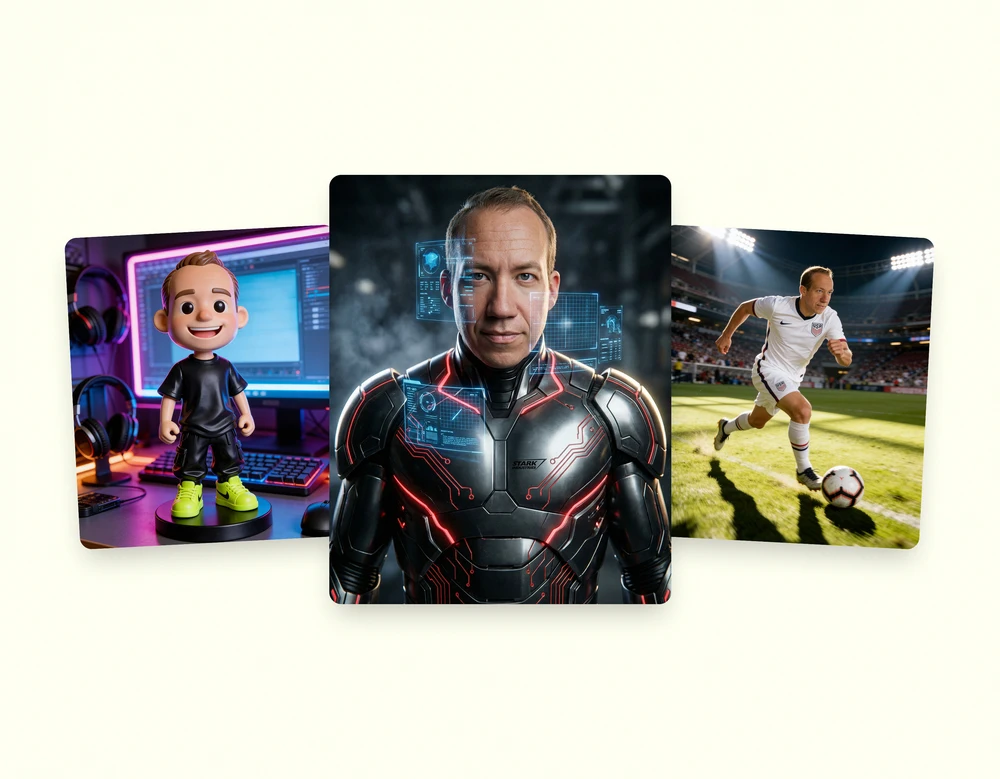
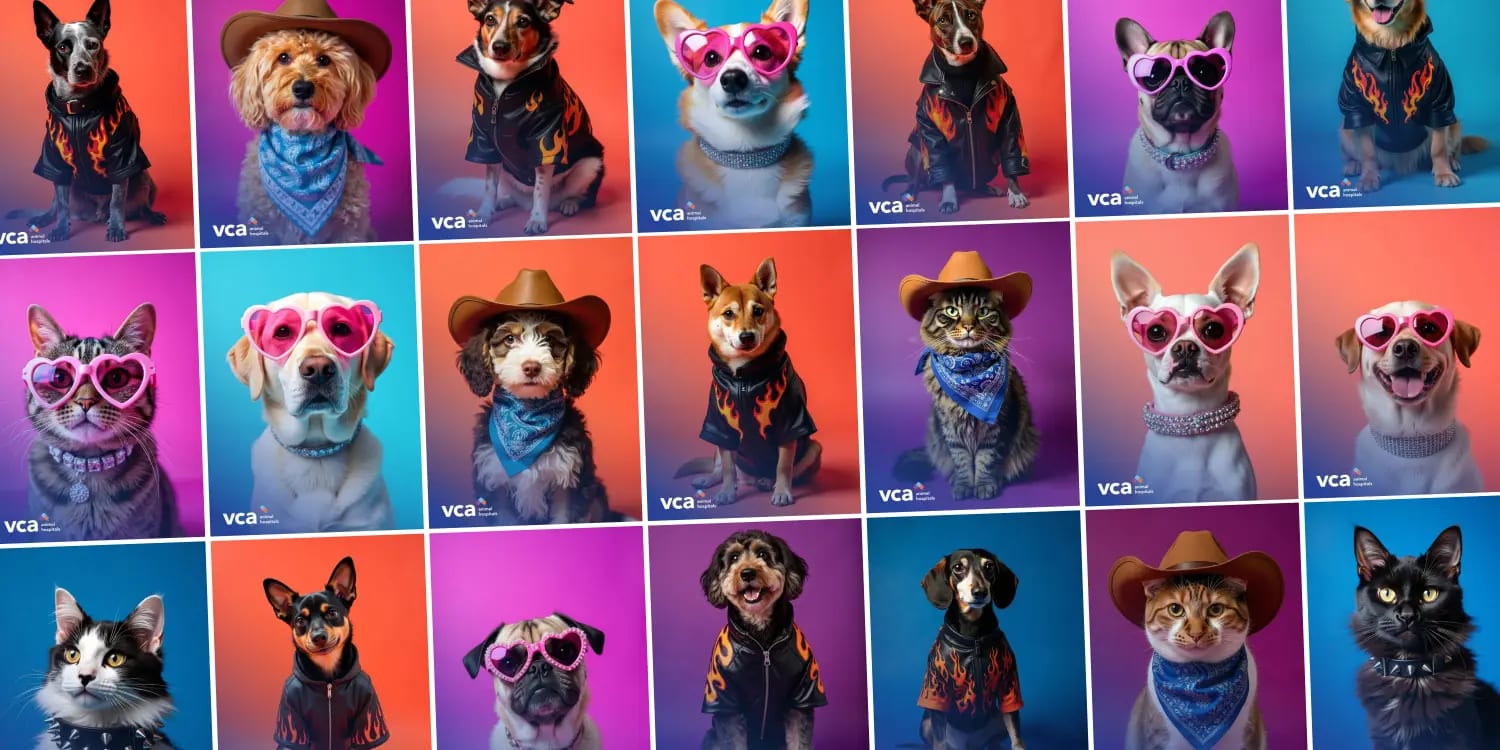
Then the models improved, faster than we expected. Roughly six months after that first attempt the same idea landed, and the AI photo booth became the most-requested thing we sold. It stayed that way through 2024. Everyone wanted to see themselves as a superhero or a pirate, and in a B2B room that usually meant becoming whatever the product made possible.
Two years on, it's a normal item on the menu. We still run plenty of them. They're no longer the thing that makes a marketing director sit up in a planning meeting. Joe covered the mechanics in how an AI photo booth works, and the longer arc sits in the evolution of experiential marketing.
Why did AI photo booths stop feeling new?
Because your guests can do it themselves. I put it this way on Sorgatron Media's Awesome Chat in September: "The events industry is very trendy. And so after a year or two, AI photo booths are less cool. You can turn yourself into a superhero at home."
That isn't a guess about mood. It's a measured change in the guest population.
49% of U.S. adults use an AI chatbot
Pew Research Center surveyed 5,119 U.S. adults between February 17 and 23, 2026, with a margin of sampling error of plus or minus 1.6 percentage points. About half, 49%, said they ever use an AI chatbot. Among those chatbot users, 2,605 of them, 48% said they ever use it to create or edit images or videos (Americans and AI 2026).
Novelty also has a shape researchers have measured. Joseph Redden's study in the Journal of Consumer Research found that people like an experience less as they repeat it, and that how they categorize it changes the speed. People given jelly beans identified by specific flavor stayed happy with them longer than people eating the same beans described generically (Redden, 2008). Once "an AI photo booth" became one category in a marketer's head, every version of it counted against the same tally. The technology's limits matter too, and our team is direct about those in a look inside how the generation works.

The outputs are sharper than they were in 2024. The feeling around them is smaller. Both are true.
Are AI photo booths still worth running in 2026?
Yes, with a condition, and the condition is what separates a busy activation from a polite line of six people. The transformation has to be doing a job for the brand rather than carrying the activation on its own.
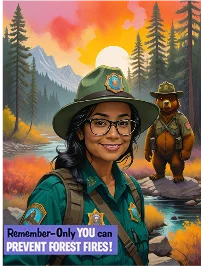
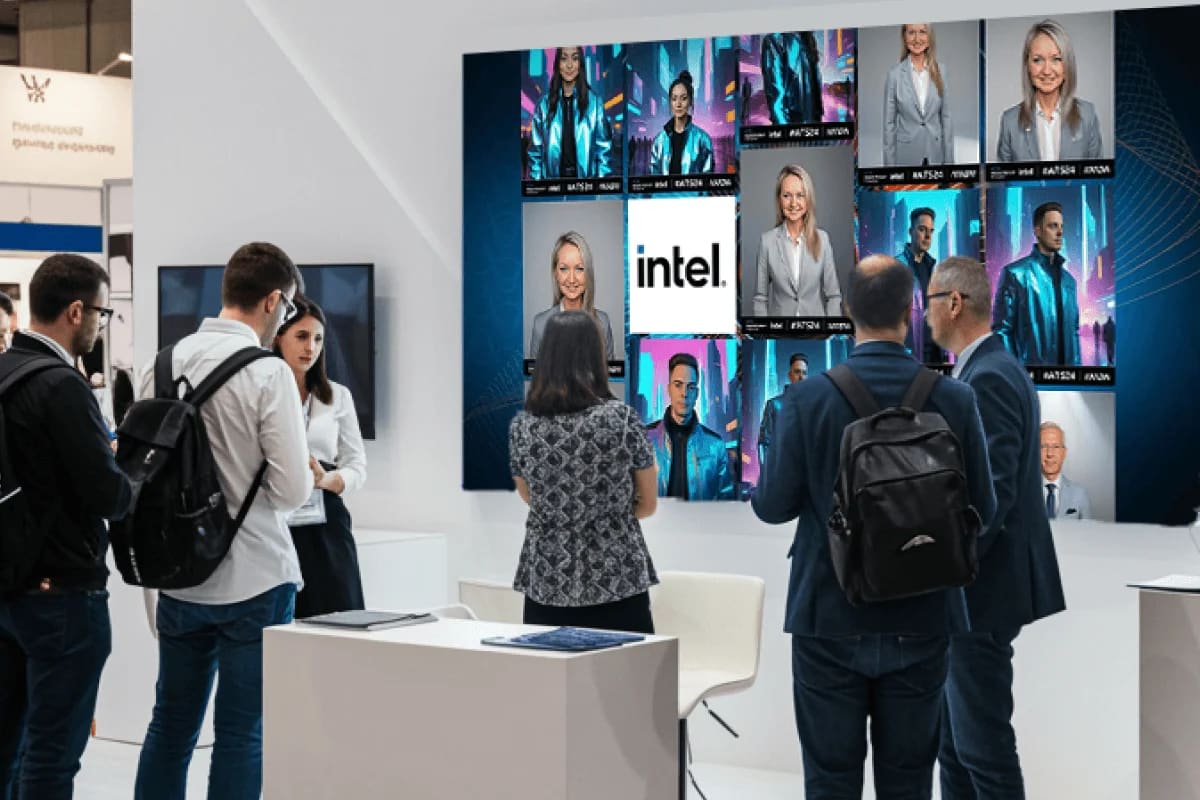
An experiential marketing photo booth earns its floor space when the output says something you wanted said anyway: who your customer is, what the product does, the world you're inviting people into. Plenty of guests don't want a straight photo of themselves on a given day, and the same person will queue up to become an animated version. That's a quiet reason these still work in rooms where a camera setup falls flat.
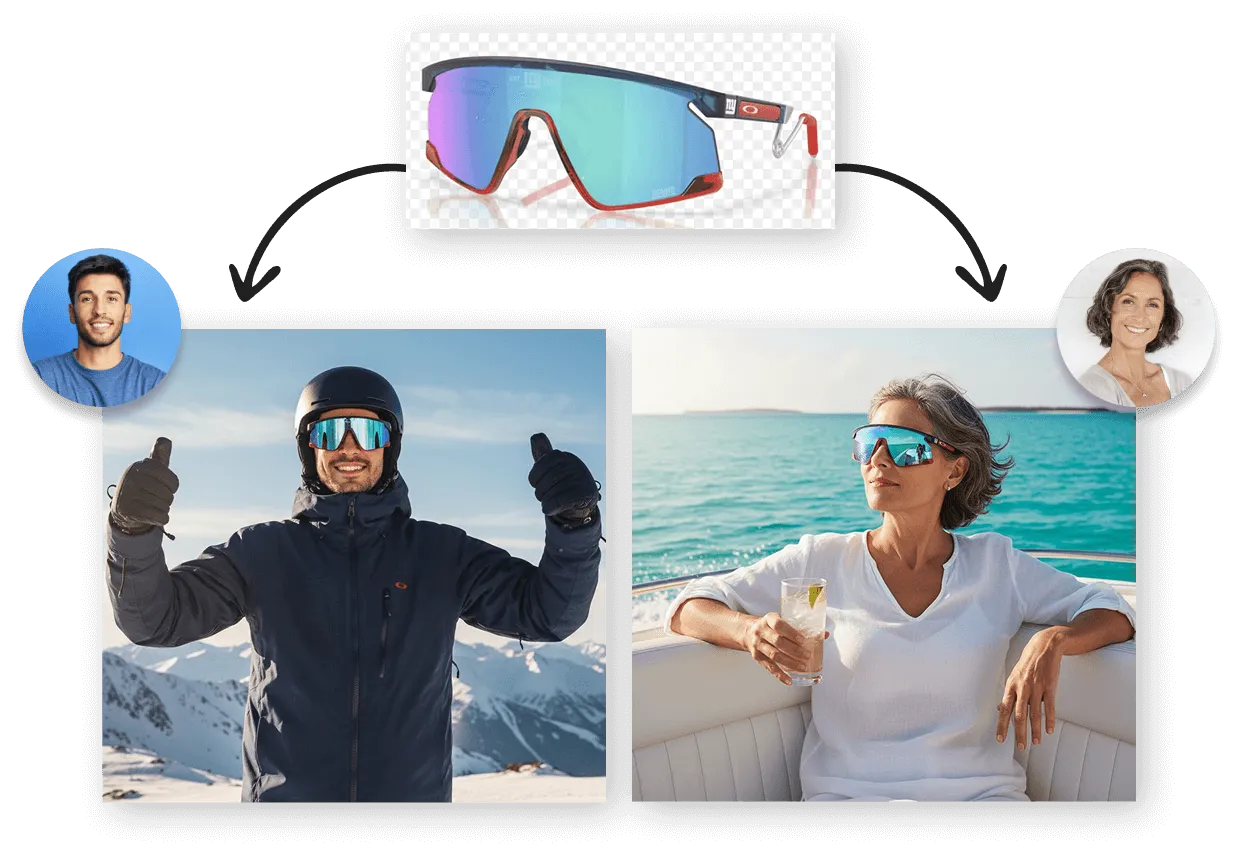
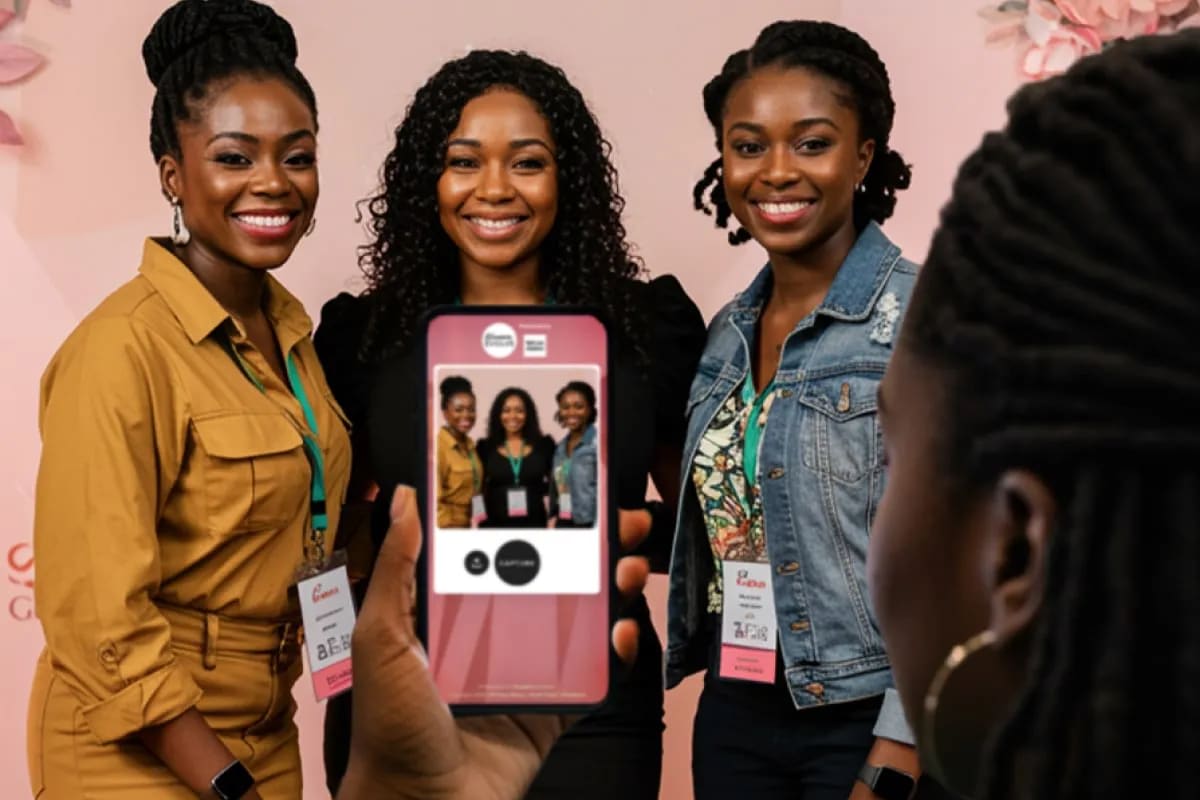
The product kept improving while the novelty faded. In August we added the ability to blend a second photo into any AI portrait, so a guest's shot can pull in a product, a jersey or a mascot instead of a backdrop (it's on the what's new feed). Where it runs is your call: a kiosk in the main hall, an iPad on a stand, a laptop at registration, or every guest's own phone by QR code, all at once if the room calls for it.
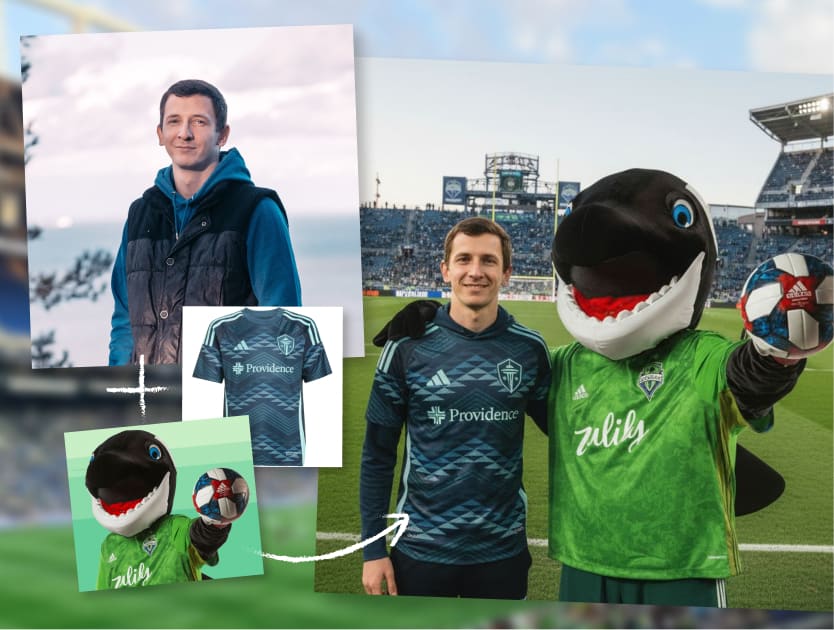
If your audience has never seen one, the first time still lands, and that's worth buying. A repeat audience needs a reason beyond the transformation itself. The product page shows what the current version does.
Where did the demand move?
Toward outputs the guest had a hand in making. Two formats carry most of that shift.
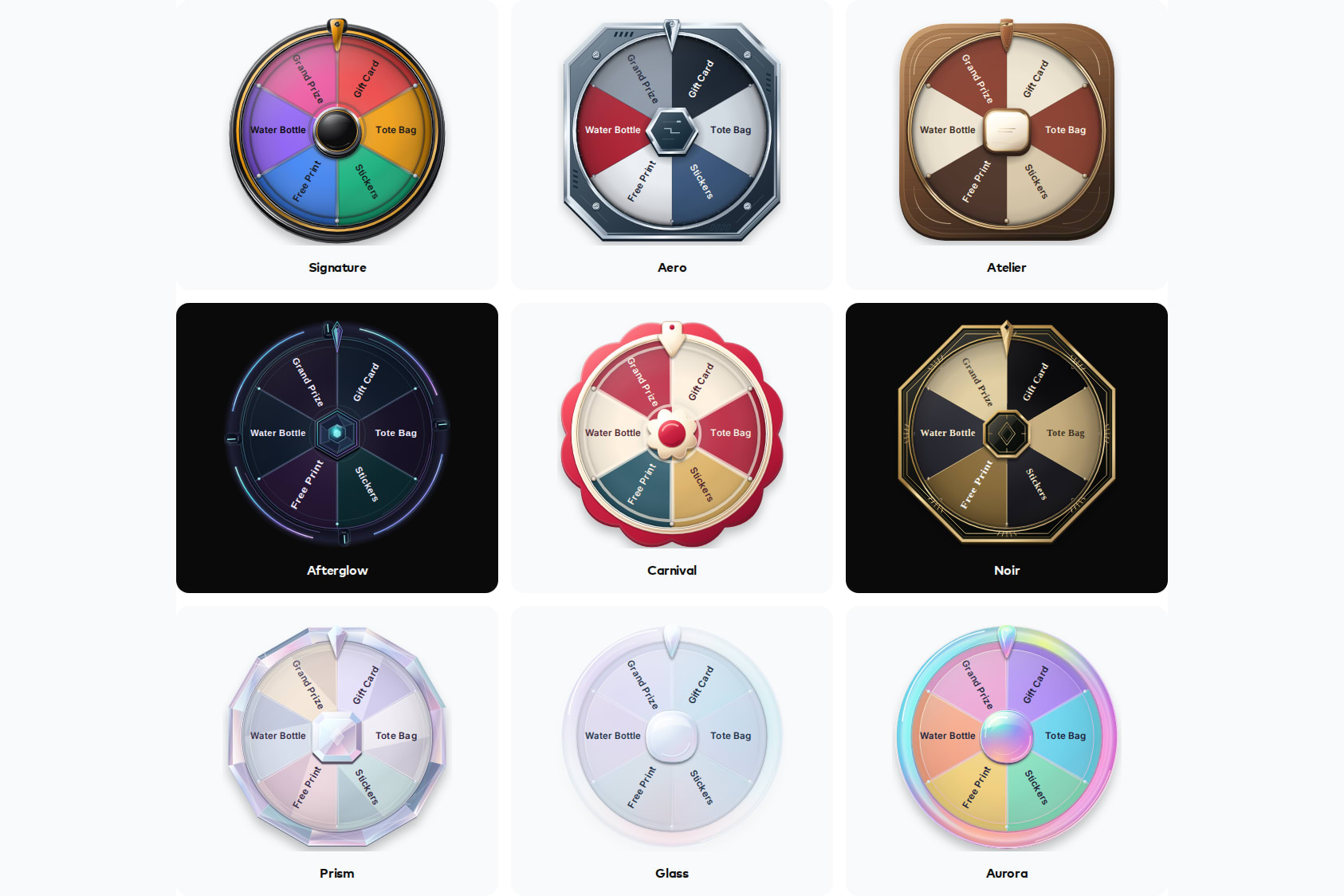
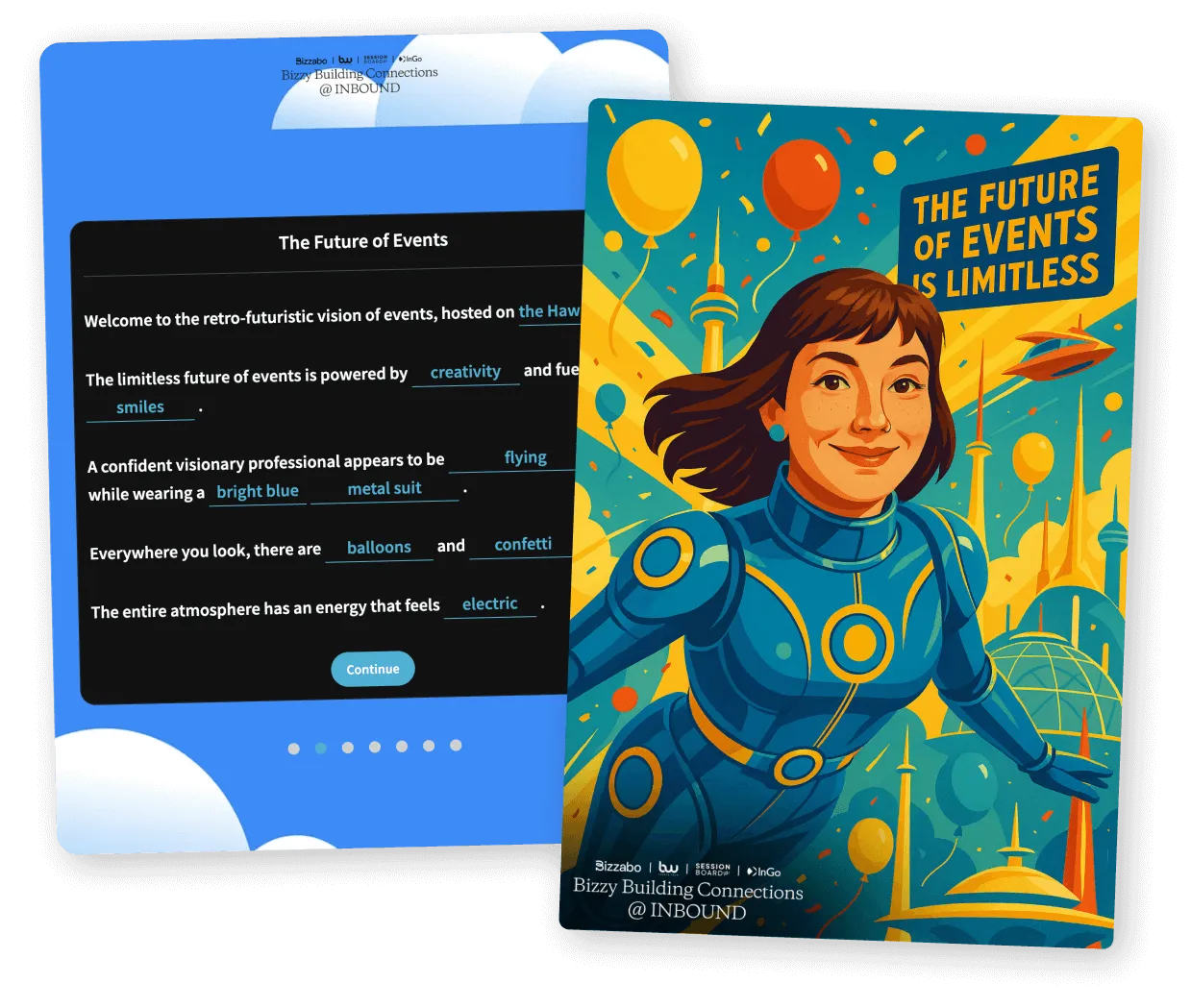
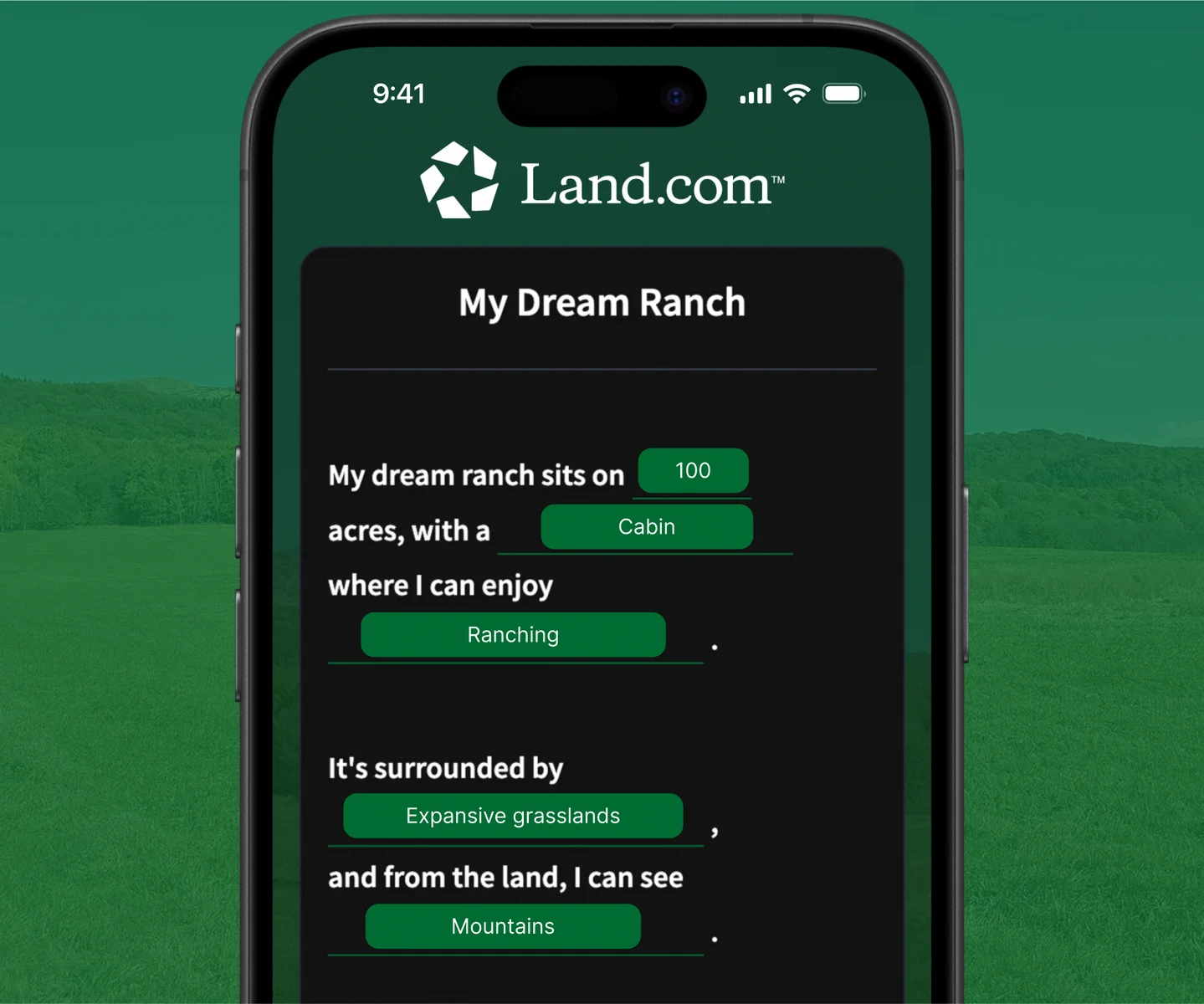
AI Stories is the first. Rather than picking a style and standing still, the guest fills in the blanks of a short story about themselves, inside limits the brand sets, and the image comes back built from what they wrote. Open text where you want it, dropdowns where you don't. I said on that same podcast that "people love it when their content is extra personalized." It sounds obvious written down, and it's still the best predictor I have of whether a guest shares the result. Full explainer: AI Stories activations explained.
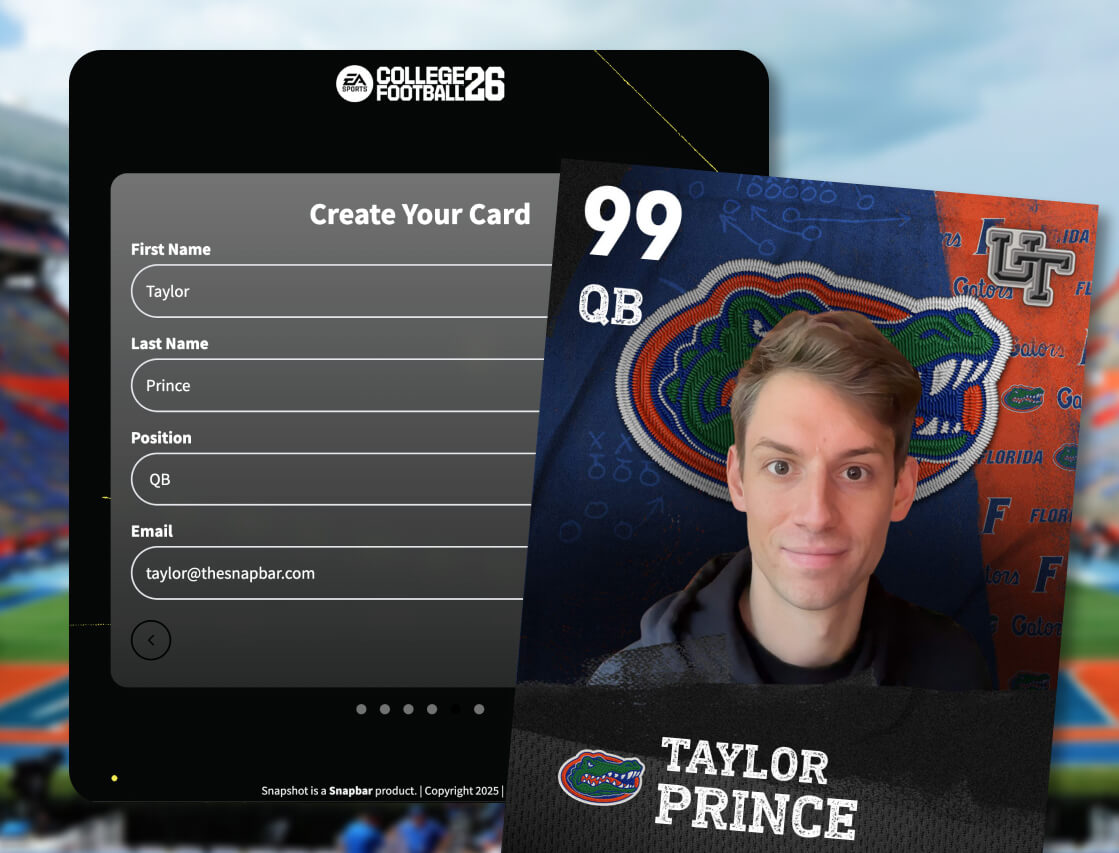
Trading cards are the second, and they carry a collectible logic a portrait doesn't. Holographic cards tilt with the motion of a phone and shimmer when they sit still, and the effect survives every share: whoever opens a forwarded link gets the interactive card, not a flat screenshot. Cards can also carry a back now, designed like the front and filled in for each guest from their own entry, on any style built with one. A card reading "Networking MVP" under a guest's name is a statement about them that happens to carry your logo.
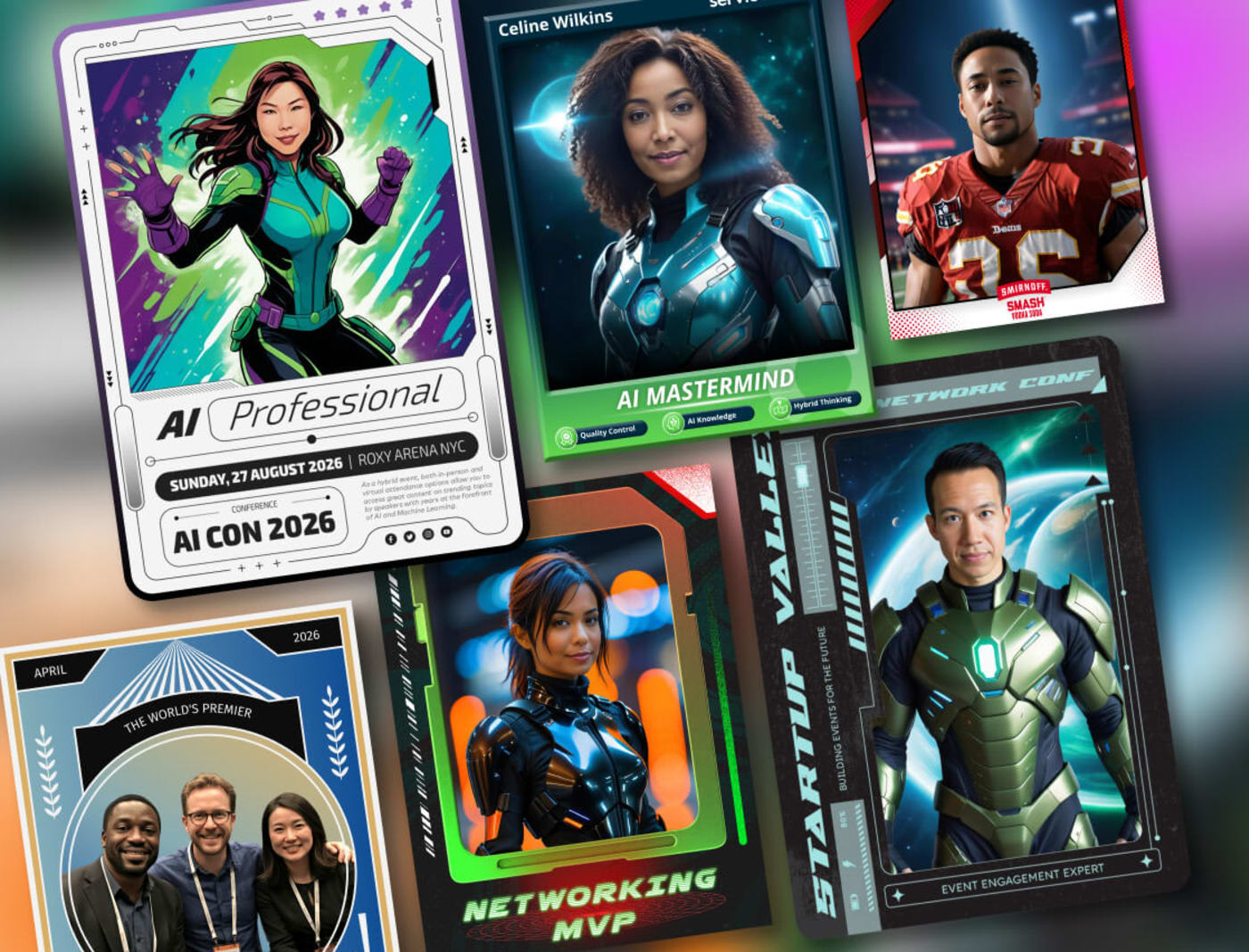
Neither format replaced the AI photo booth. They sit beside it, and they answer the question a repeat audience never asks out loud: what do I get to do here, other than stand still? Trading card activations goes deeper on the formats, and our experiential marketing examples cover the wider sweep.
See it in action
Build your own AI Stories activation
Guests write themselves into your brand's story, and the image they get back is one only they could have made.
Explore AI StoriesWhat makes a personalized activation hold attention longer?
Specificity slows the wear. Back to Redden for a second: the same jelly bean lasts longer when it's cherry rather than "candy." An output that's unmistakably about this guest, carrying their name and their own answer, doesn't slot as neatly into the category that already wore out.
Variation does the other half, and this part is counter-intuitive. Leif Nelson and Tom Meyvis ran six studies on interrupted consumption and found that breaking up a pleasant experience makes what follows more intense, even though people avoid the break (Nelson & Meyvis, 2008). Running one style at four shows a year is the quickest way to flatten your own response rate with the people who attend all four. Changing the mechanic between events isn't indecision. It's what keeps the reaction alive.
The cost is briefing time. A vague story setup produces worse content than a well-chosen fixed style, and a team that can't say what the output is for will get less from the flexible format than the simple one. What to expect when you run an AI activation walks through what varies and what you control.
What should you brief for your next AI activation?
Four calls decide most of the outcome.
- Pick the mechanic from your audience, not from the show you attended last month. A room of litigators and a room of security engineers want different things, and copying a winner from one floor to another is how a good idea dies. More on that in why event activations fail.
- Decide what the output is for before anyone picks a style. Recruiting, a product launch, a quarter of content: each implies a different image.
- Change something between events. The style, the format, or the question you ask at the data capture step. Not everything. Enough that a repeat attendee meets something new.
- Test it before the doors open, and try to break it. The work that makes an activation look effortless happens the week before.
If what you want is AI photo booth ideas rather than a format decision, our activation concepts library is the faster way in.
What this means for next year's plan
Budget for the mechanic, not the trend. An AI portrait still earns attention when it's pointed at something specific, and it won't carry a booth on its own the way it did in 2024. For the channel-wide view, see our read on event industry trends.