
Table of Contents
Ten years ago, experiential marketing was the fun line item. It was the pop-up everyone talked about for a week, the festival booth, the installation that made for great photos and an even better recap video. It was also the first thing cut when budgets tightened, because nobody could say what it returned. That is no longer the story. Over the last decade experiential did not just grow, it changed shape, from a one-off brand stunt into a measurable, structural pillar of how brands acquire and keep customers. Here is how that happened, and why it matters for where you put your 2026 budget.
We've been running activations through that whole decade, since 2012, and we were doing it before the category had a name. Today we build the experiential marketing platform brands use to run it.
A Decade in Three Shifts
The growth was not a straight line. It moved through three distinct phases, each one a response to what was happening in the wider marketing world. For what the most recent of those phases looks like in practice, see these experiential marketing examples from 2024 to 2026.
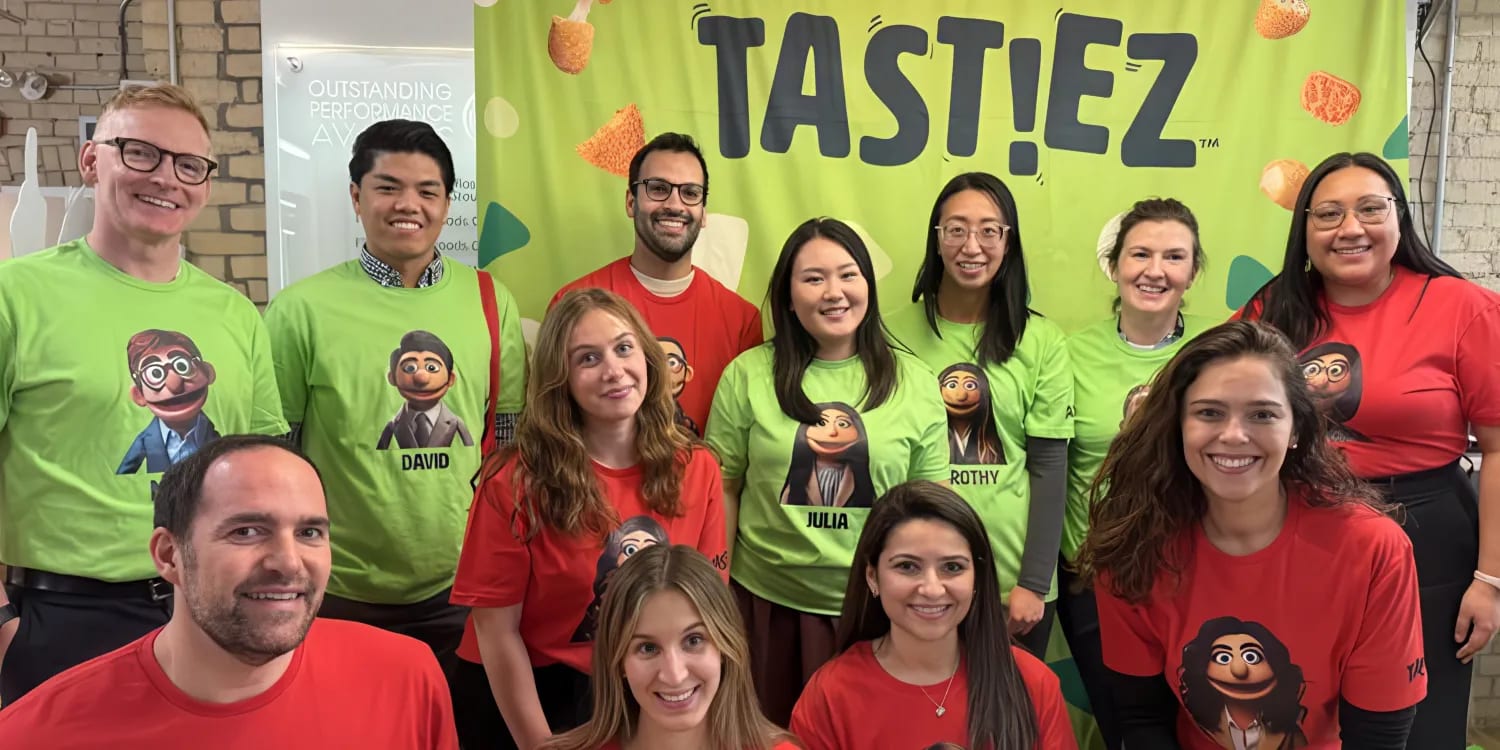
 2016 – 2019
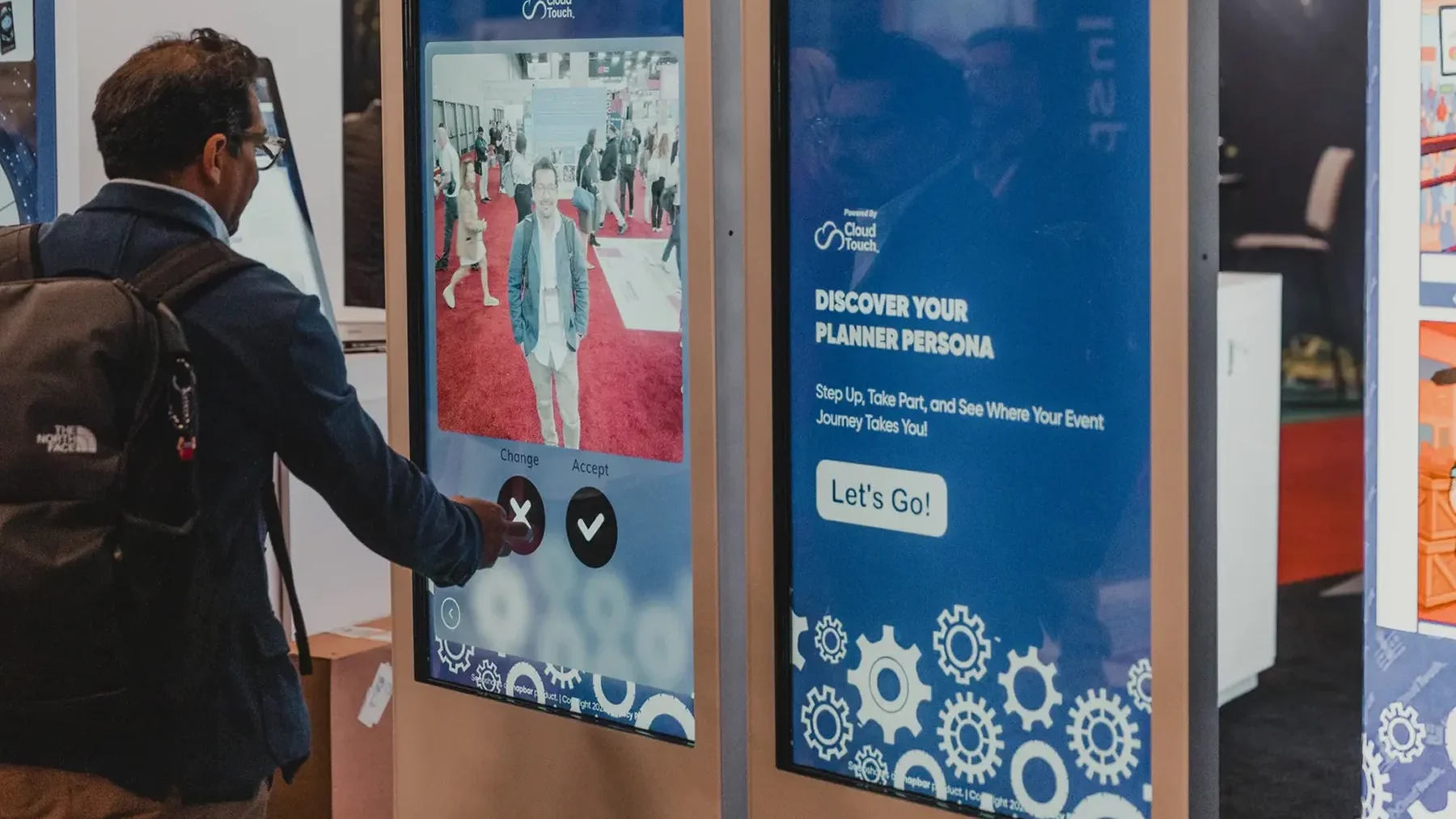
 2020 – 2021
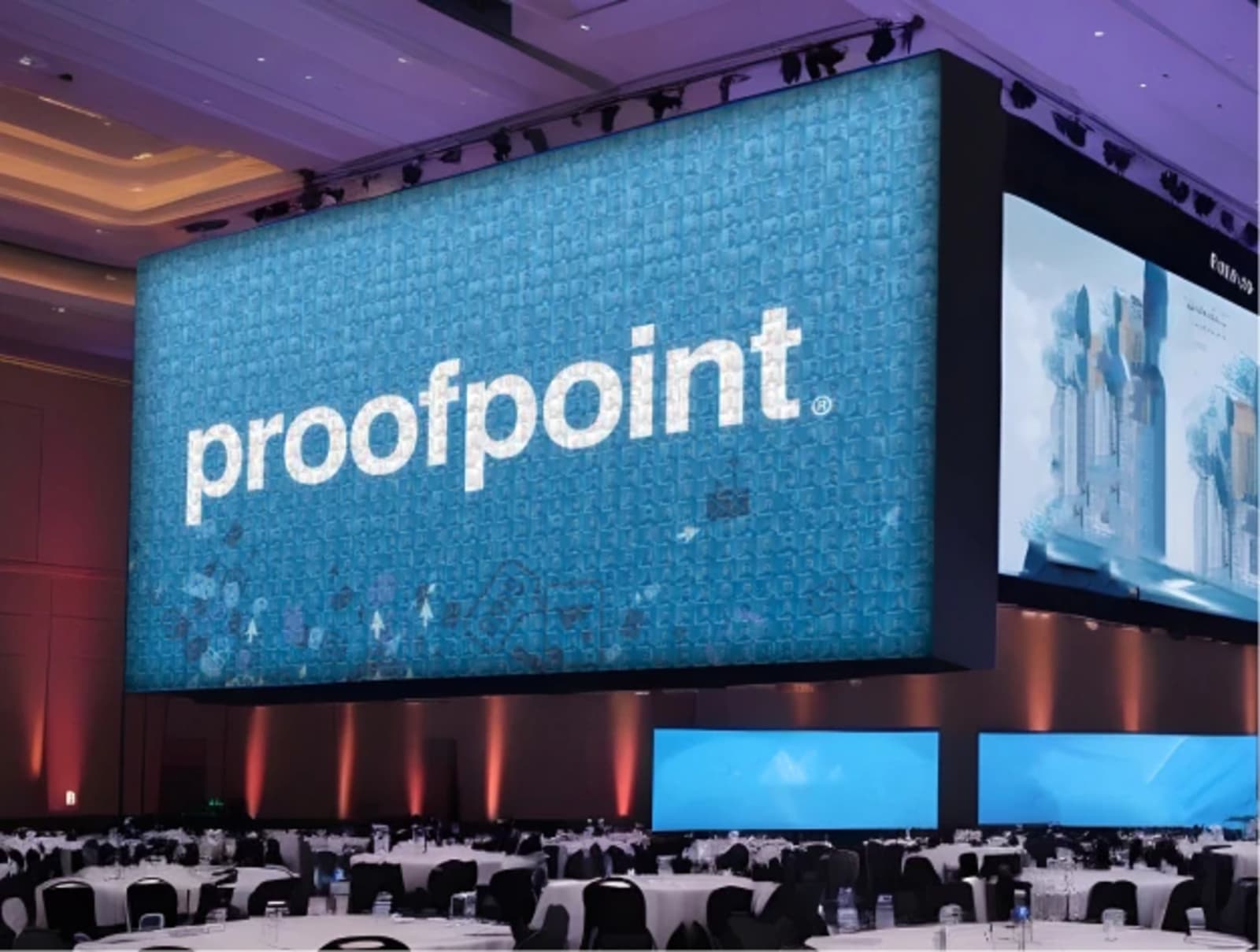
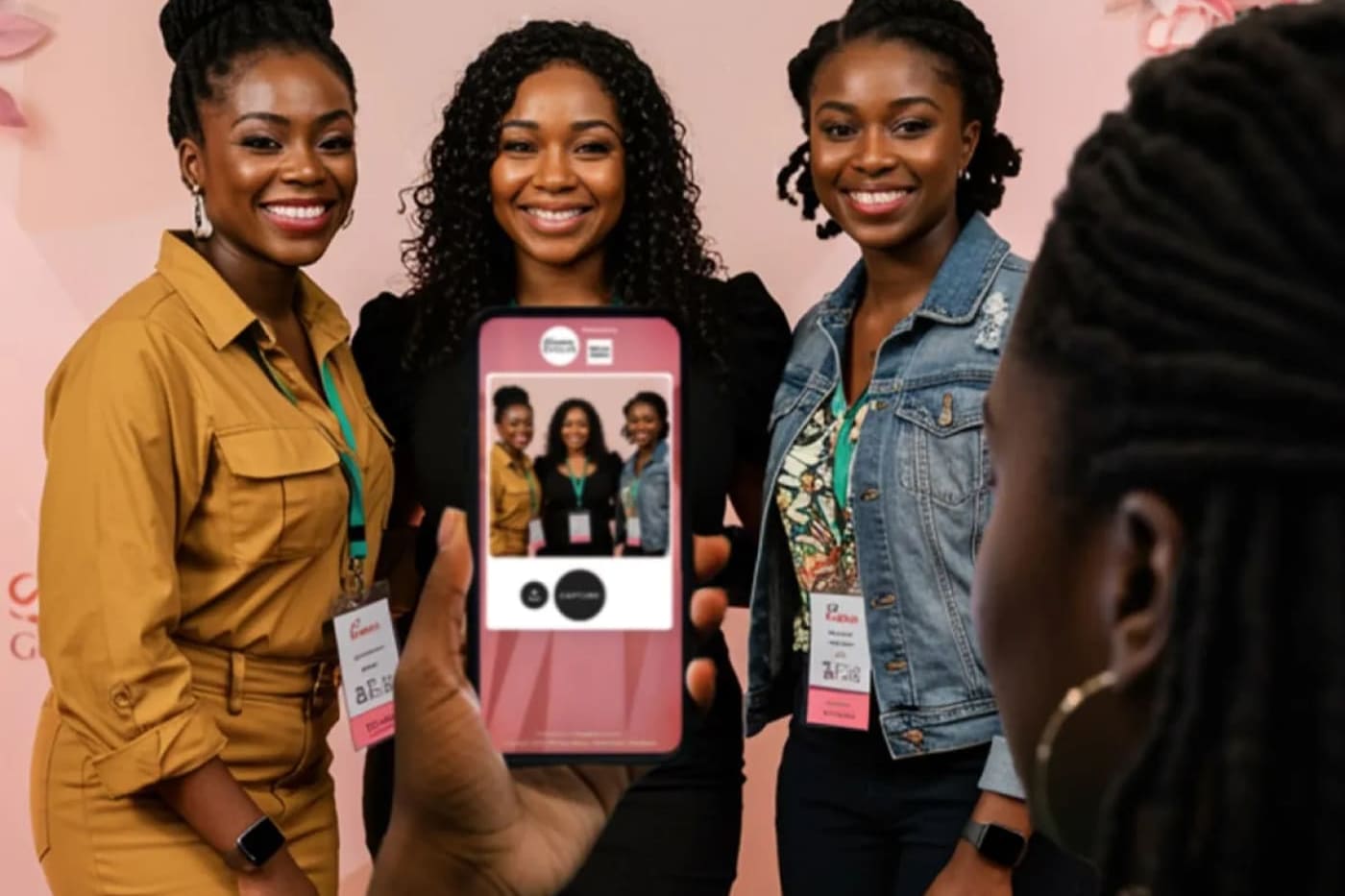 2022 – 2026
How the Playbook Changed
The clearest way to see the maturation is to compare how an activation was run then versus now.
| Dimension | The past paradigm (2016-2019) | The current era (2022-2026) |
|---|---|---|
| Core metric | Foot traffic, social impressions, general PR buzz. | First-party data capture, lead quality, post-event retention, pipeline contribution. |
| Role of technology | Surface-level add-ons: a backdrop, a hashtag, a basic kiosk. | Integrated capture and measurement built into the experience from the start. |
| What guests expect | A novel backdrop or a quick, passive entertainment moment. | Active participation, genuine connection, and content worth sharing. |
| How it is budgeted | A discretionary brand expense, first to be cut. | An accountable acquisition and loyalty channel, measured like the rest. |
The shift in the first row is the one that changed everything. Once the core metric moved from “how many people saw it” to “how many people we can now follow up with and attribute,” experiential stopped being a cost to defend and started being an investment to scale.
The Rise of Return on Experience
That change of metric has a name in the way leading teams now think: a move from narrow ROI to Return on Experience. Instead of asking only what revenue closed in the same quarter as the event, the question widened to capture everything a live moment produces, the reach, the engagement, the shift in how people feel about the brand, and the first-party data that feeds the pipeline for months afterward. As third-party tracking continues to degrade, a well-built activation has become one of the cleanest first-party data channels a brand has left, which is a large part of why the budgets keep climbing.
Measuring all of that is its own discipline, and it is the natural next read after this one. Our guide on how to measure experiential marketing ROI lays out the framework, the benchmarks, and a calculator to project your own numbers. For the data behind the growth story above, see our roundup of experiential marketing statistics for 2026. For planning the program itself, see our guide to event and experiential marketing.
What This Means for Your 2026 Budget
The takeaway for anyone deciding where marketing dollars go: experiential is no longer the speculative line item. It is one of the few channels growing in both spend and share, and the only one that produces a physical, emotional brand interaction and a clean stream of first-party data in the same motion. The brands winning with it in 2026 are not the ones spending the most. They are the ones who design measurement in from the start, treat each activation as a data touchpoint rather than a one-off, and build a year-round relationship with the people they meet in the room.
That is also the shift behind Snapbar's own positioning. We are not a booth at the back of the hall. We are the experiential marketing platform built for the era where a live moment has to earn its place in the budget, by turning engagement into content guests want to share and data your team can actually use.
We started in 2012 as a photo booth at weddings, and we've been several different businesses on the way to the platform we run today.
Key Takeaways
Experiential marketing grew through three phases over the decade: cutting through digital ad fatigue (2016-2019), mutating into digital formats during the pandemic (2020-2021), and returning as data-wired live experiences (2022-2026). The defining change was the core metric, moving from foot traffic and impressions to first-party data, lead quality, and pipeline contribution. That maturation turned experiential from a discretionary expense into an accountable acquisition channel, which is why global spend hit a record $128.35 billion in 2024 and budgets keep rising into 2026. The brands winning now design measurement in from the start.
Ready to treat your activations like the channel they've become?
Let's TalkOr explore: How to Measure Experiential Marketing ROI | The Platform