
Table of Contents
An AI activation is one of the most engaging tools in experiential marketing right now. You give a guest a few seconds and a camera, and they walk away with something personal, on-brand, and genuinely worth sharing. Whether you're planning your first or you've already run a handful, you're working with a format that turns a quick moment into real reach.
Here's something that's easy to miss, even after you've run a few: the part that can feel unpredictable, the fact that every guest's result comes back a little different, is exactly the part doing the work. Decades of behavioral research point at it from three angles. People value what they help create, they share what surprises them, and they remember the high point of an experience long after the rest fades. An AI activation taps all three, and every one of them depends on outputs being unique. Once you can see that, the goal shifts from making the AI repeat itself to setting it up to surprise people brilliantly. Here's what's happening under the surface, and how to get the most out of it.
Key takeaways
- Chasing one identical, predictable result misses what makes the format work. The variation is the value, not a flaw to engineer out.
- Variation is the engine. It creates the surprise people share, the personalization people value, and the standout moment people remember.
- You direct the conditions (brand style, creative guidance, moderation), not the individual output. That division is correct, not a limitation.
- A clear brief and lead time aren't how you force a specific image. They're how you make sure the variation lands well.
- The research is consistent: co-creation, surprise, and a peak moment are what turn a guest into someone who engages, shares, and remembers.
What is an AI activation?
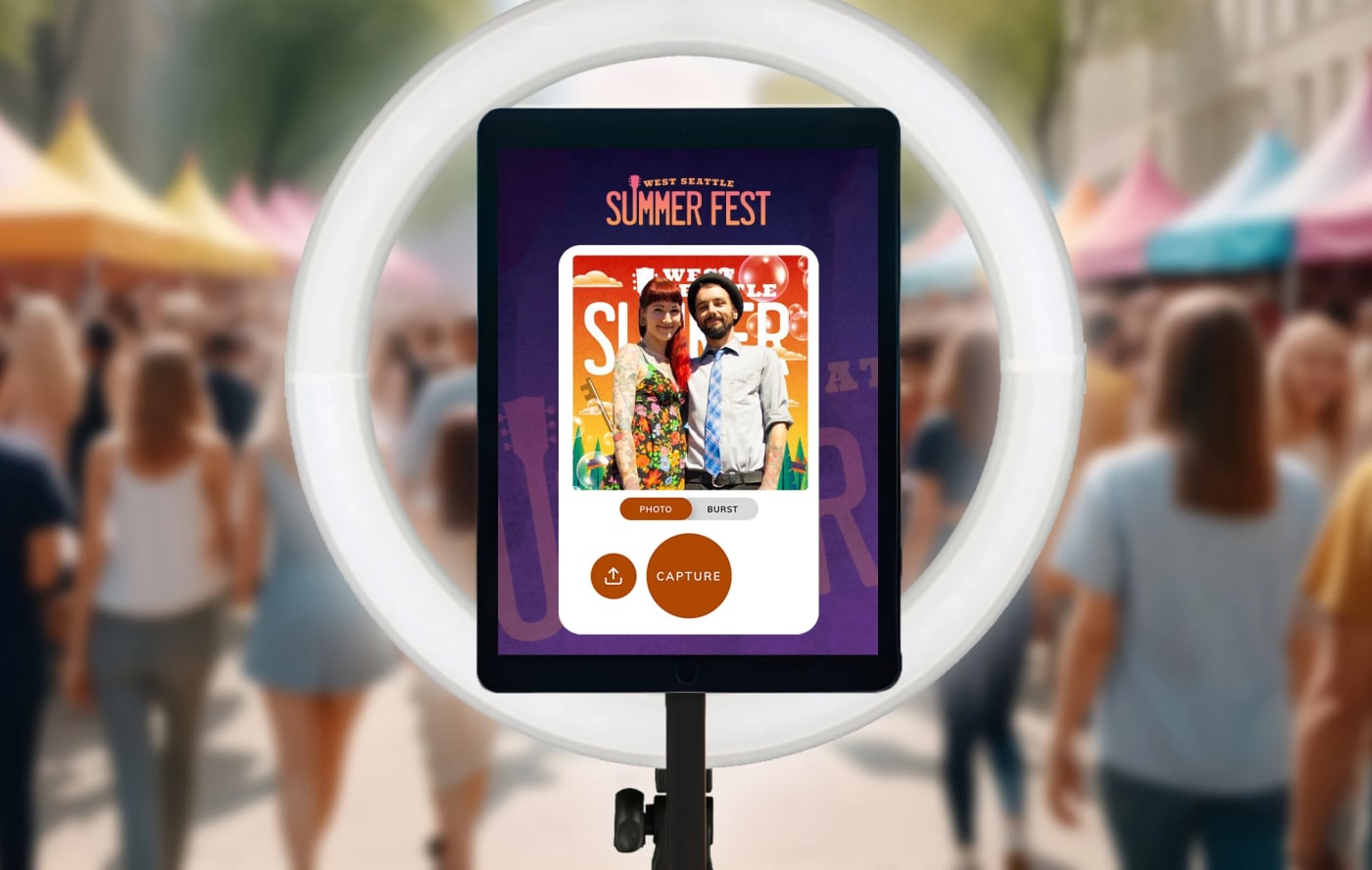
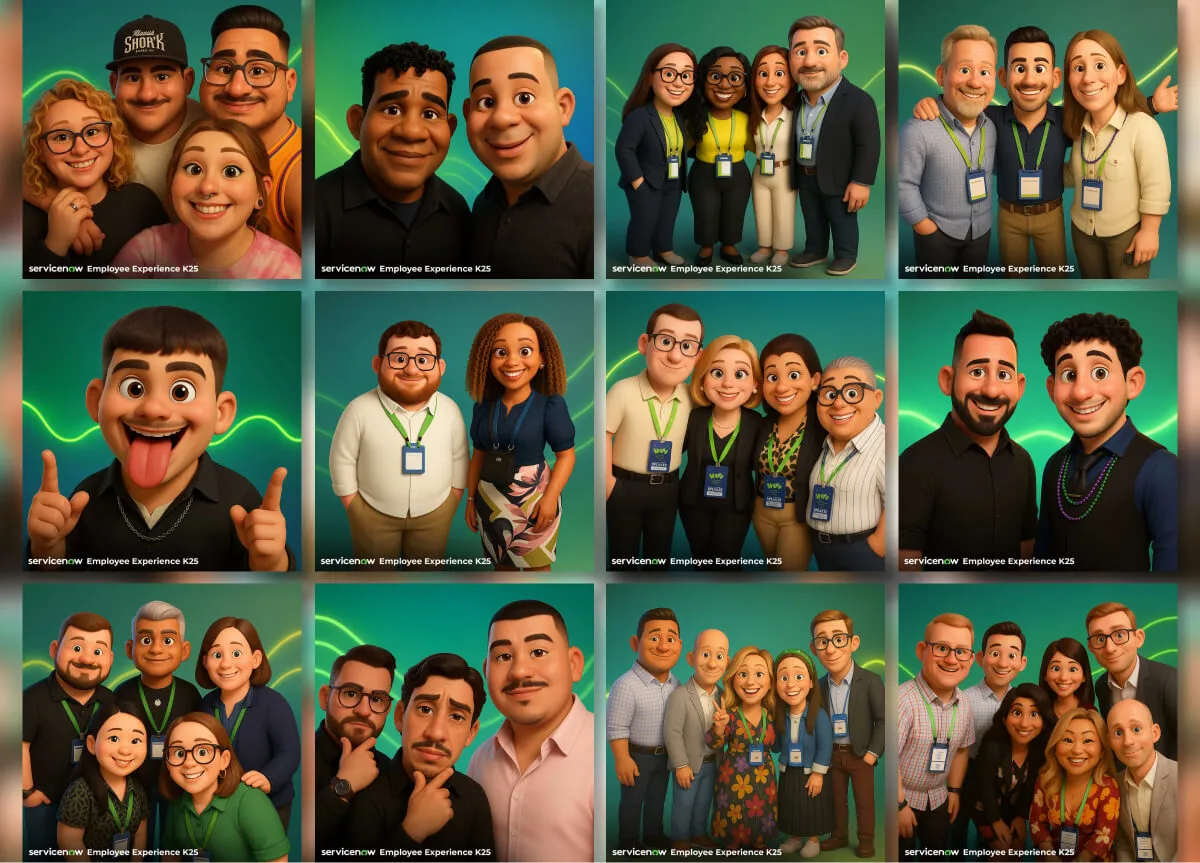
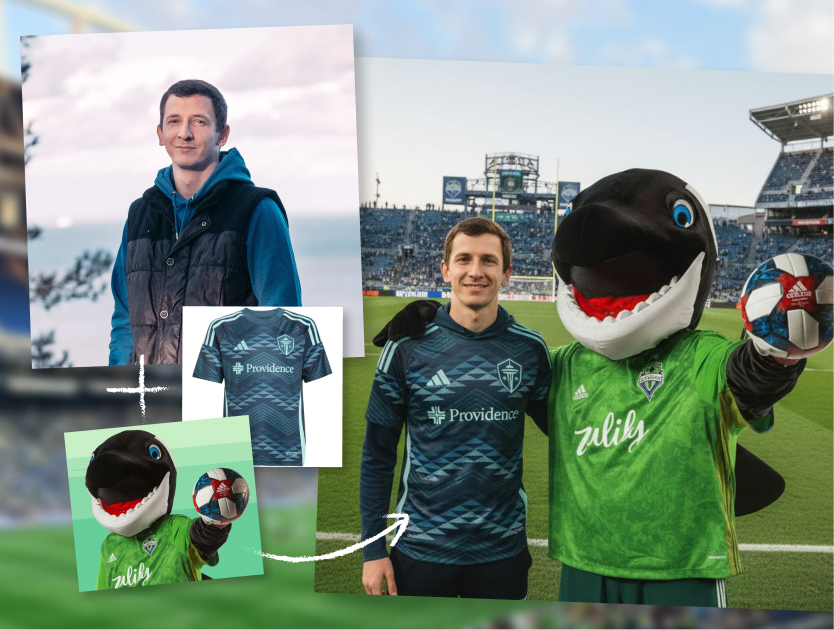
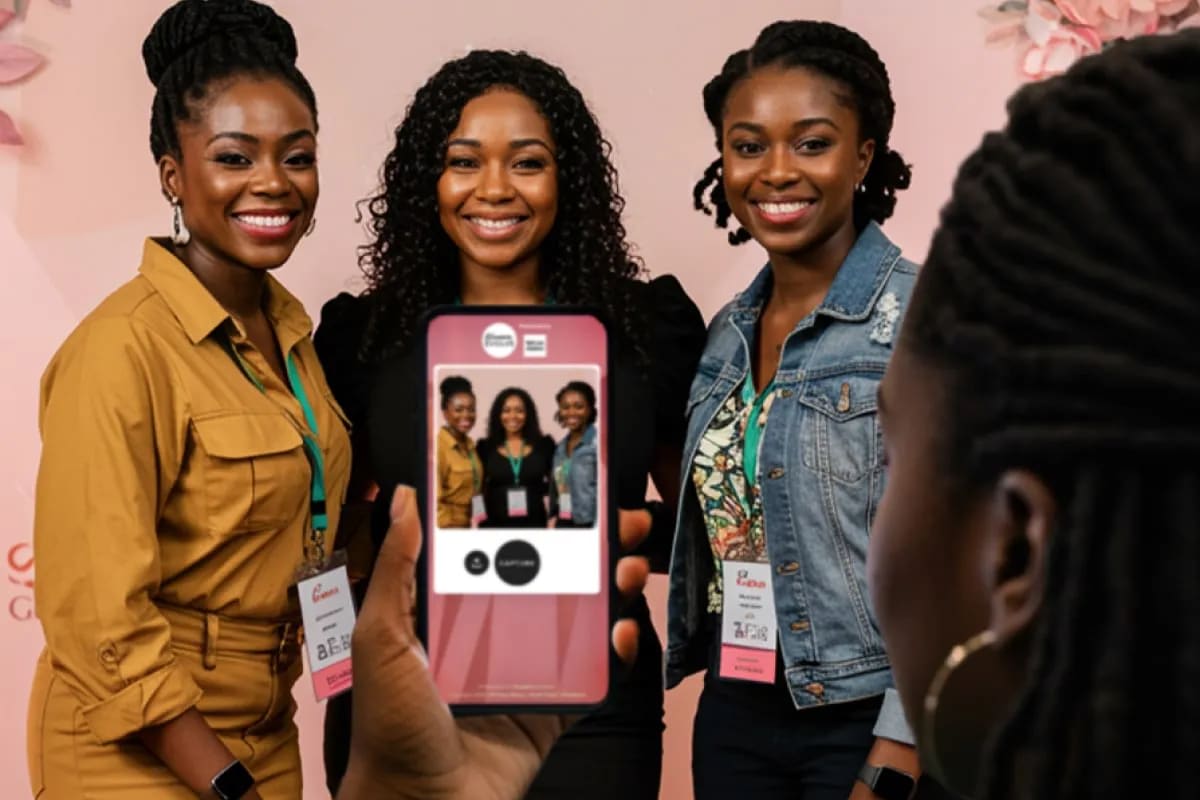
An AI activation is a guest-facing event experience that uses generative AI to turn a guest's photo or video into custom, on-brand content they want to share. Because the output is generated fresh rather than filtered, every result is one of a kind. That uniqueness isn't a side effect to manage. It's the source of the value.
This is a different thing from the AI that handles event logistics, scheduling, or promotion. An AI activation is the live, interactive moment on the floor: a guest steps up, and something personal gets created in seconds. If you want the technical version of how that generation happens, our breakdown of how AI photo booths work covers the pipeline. This piece is about the part that actually decides whether the activation succeeds, which is how you think about it before you ever run it.
Why does AI output vary from one guest to the next?
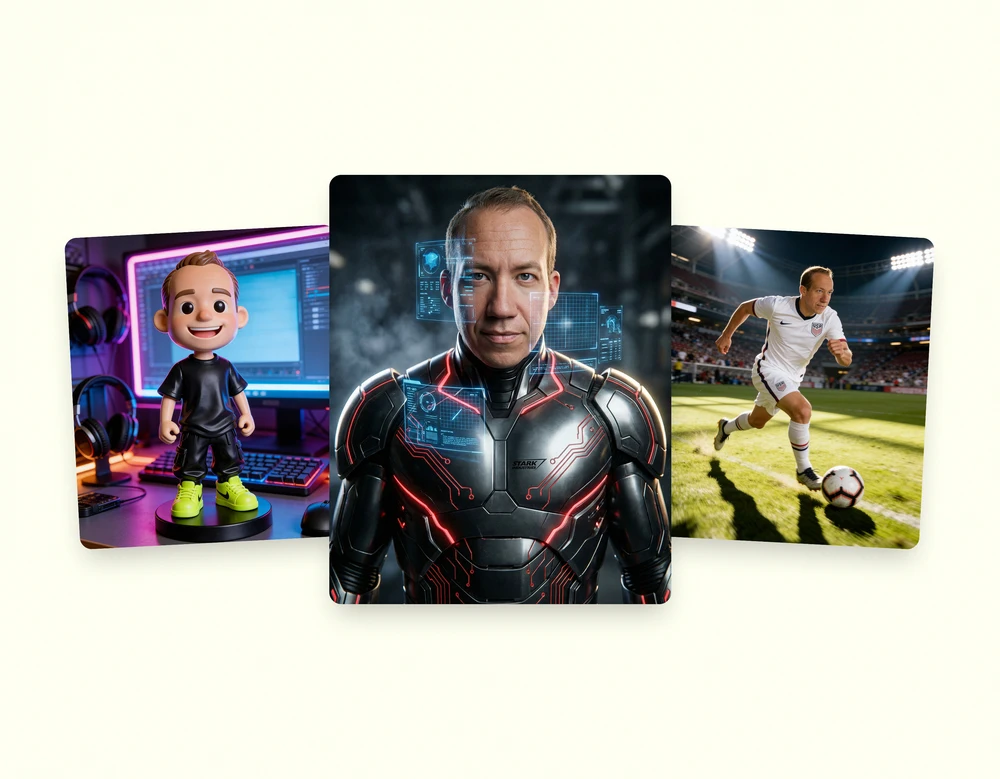
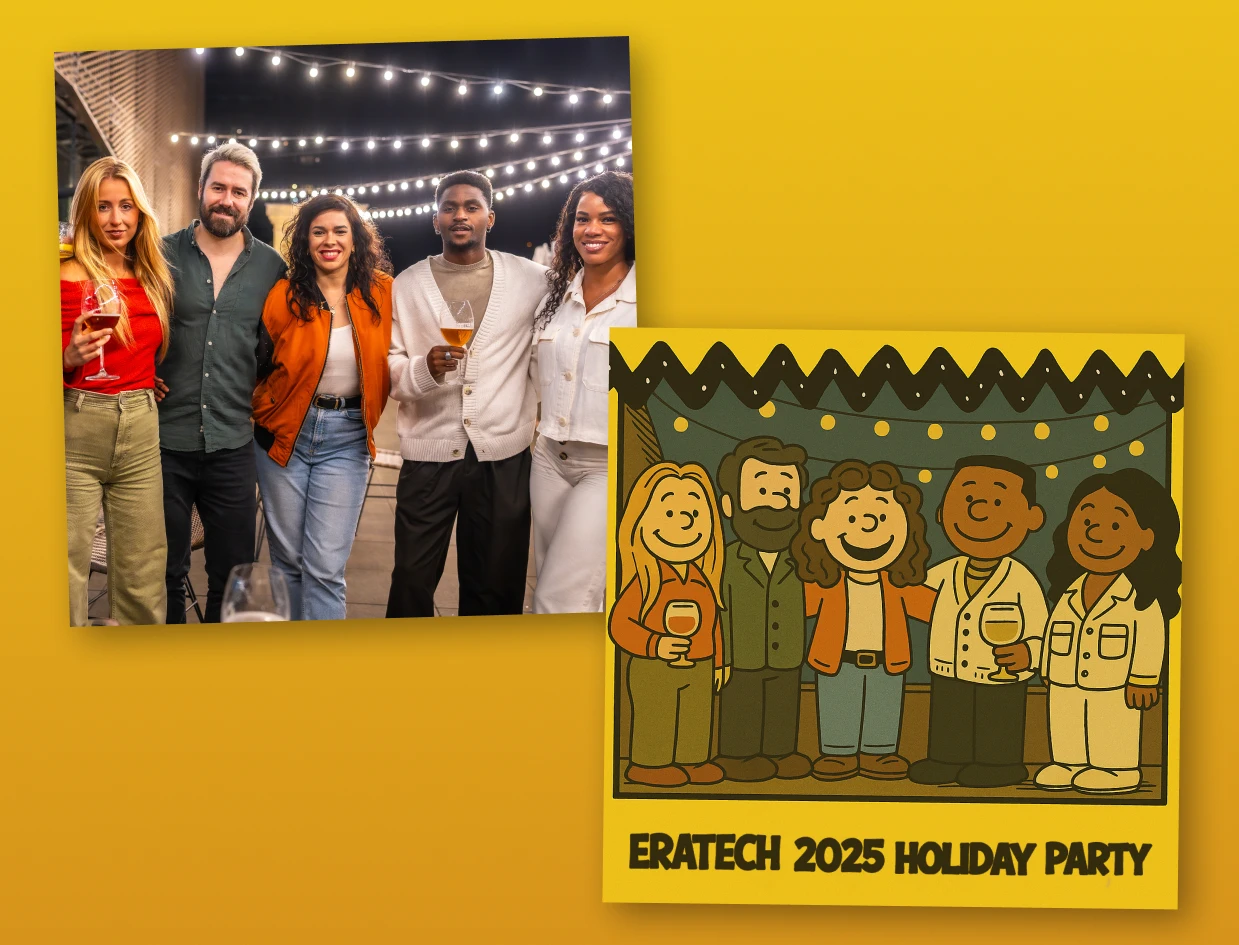
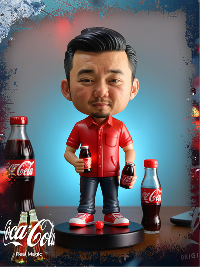
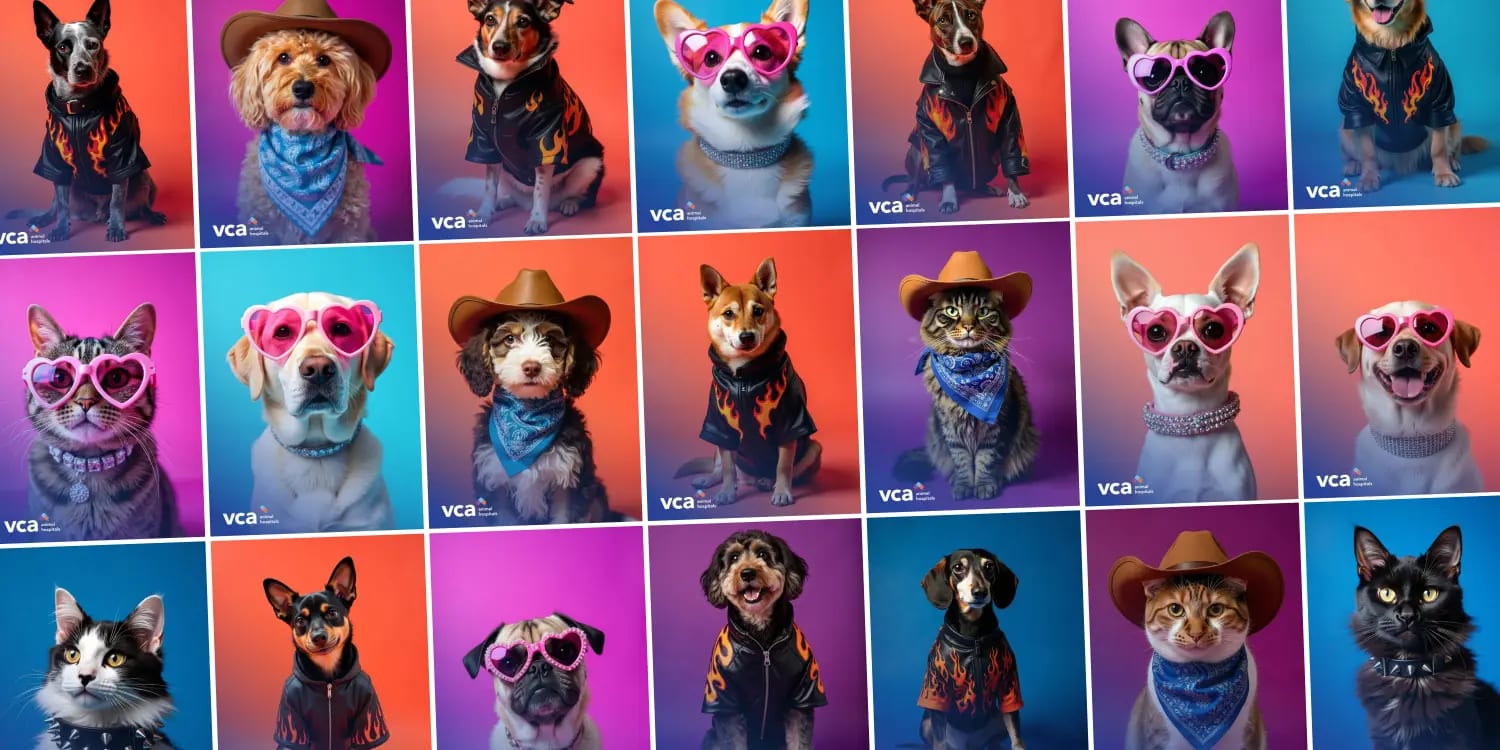
Because it generates rather than copies. A filter applies the same fixed transformation to every face. A generative model builds each image fresh, guided by your brand style and shaped by that specific guest's input. Two people in the same superhero style won't get the same superhero. That feels like a loss of control. It's actually the mechanism that makes the content travel. The video version of that variability, and the clip-length and physics limits behind it, are covered in how an AI video generator works.
Here's the part that doesn't get talked about enough. In a large study of what spreads online, Wharton researchers Jonah Berger and Katherine Milkman found that the strongest driver of sharing wasn't how useful or even how positive a piece of content was. It was whether it sparked a high-arousal emotion, especially something like awe. A result a guest didn't see coming clears that bar. A filter everyone already recognizes doesn't.
+30%
In their analysis of what spreads online, Berger and Milkman found that a one-standard-deviation increase in awe raised an article's odds of hitting the New York Times' most-emailed list by 30%. Surprise is what gets content shared (Journal of Marketing Research, 2012).
So when you sand down the variation in pursuit of a predictable output, you're sanding down the surprise that makes someone stop and post it. The unpredictability and the shareability are the same property. You don't get one without the other.
What should you expect to get back?
Expect results that are personal, varied, and visibly co-created, not a uniform stack of the same image. And expect that to matter more than it sounds like it should.
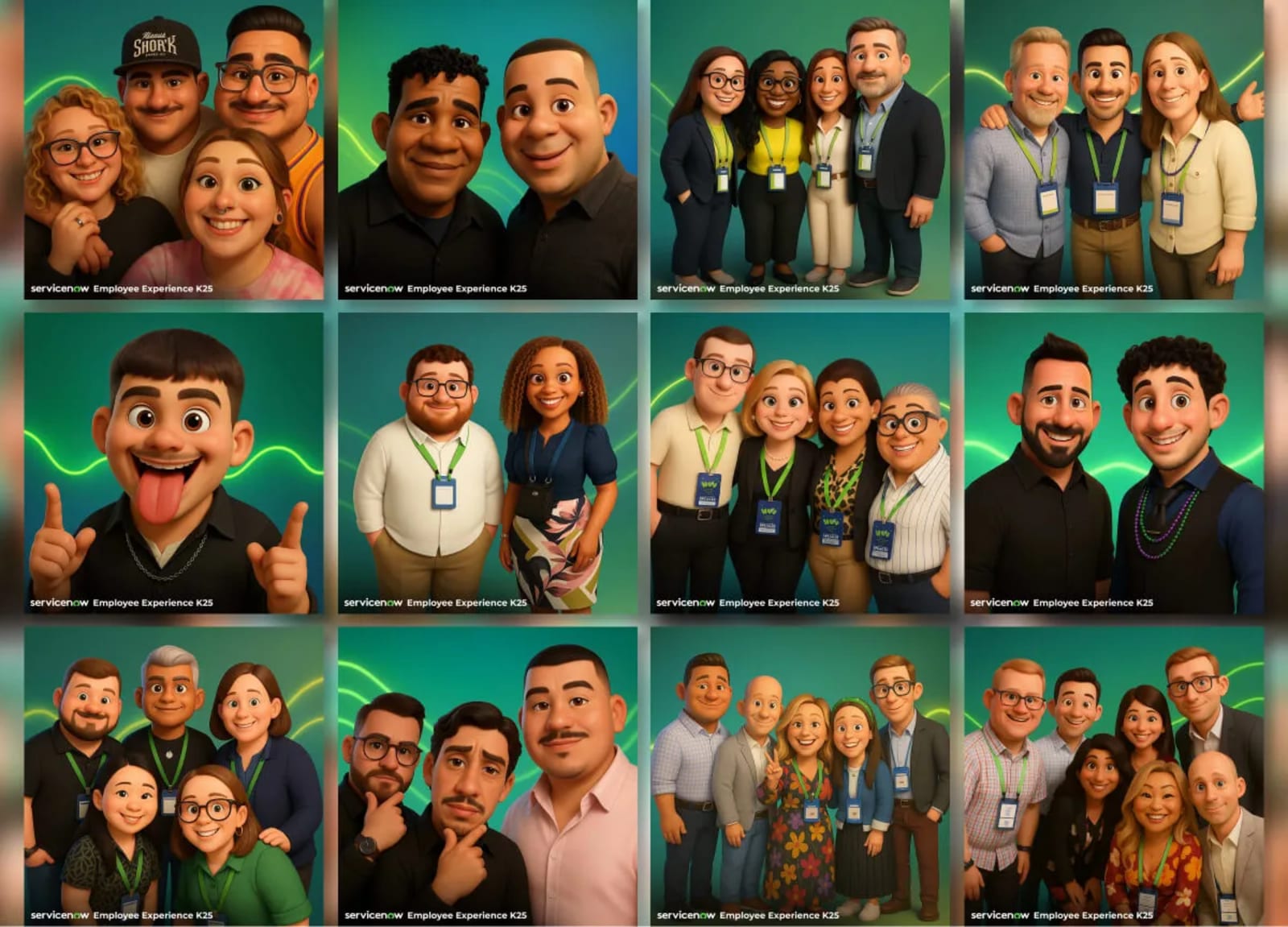
Part of why a guest treasures their output is simply that they helped make it. Behavioral researchers have a name for this: the IKEA effect. In a series of studies, Michael Norton, Daniel Mochon, and Dan Ariely showed that people place a much higher value on things they had a hand in creating, even when the result is amateur (Norton, Mochon & Ariely, 2012). A guest who picks a style and steps into the frame is invested in that result in a way nobody is invested in a standard photo strip handed to them. The same research carries a caveat worth holding onto: the effect only shows up when the effort succeeds. A frustrating or low-quality output does the reverse. That single finding is the whole reason the setup work matters, and it's where the next section comes in.
What can you control, and what should you let go of?
More than you might assume, and the confusion usually comes from aiming at the wrong target. You're not there to control each output. You're there to control the conditions that output is generated under.
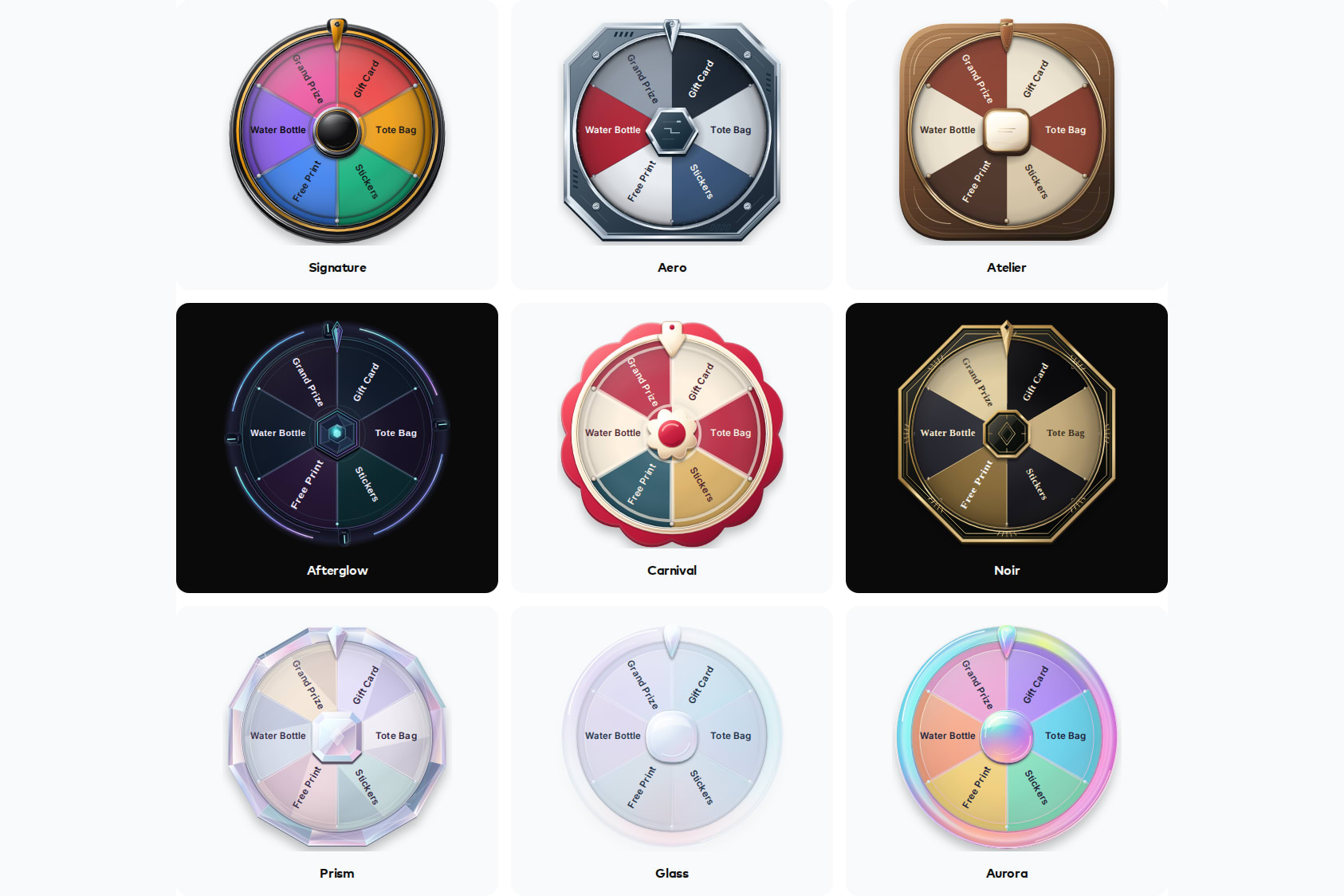
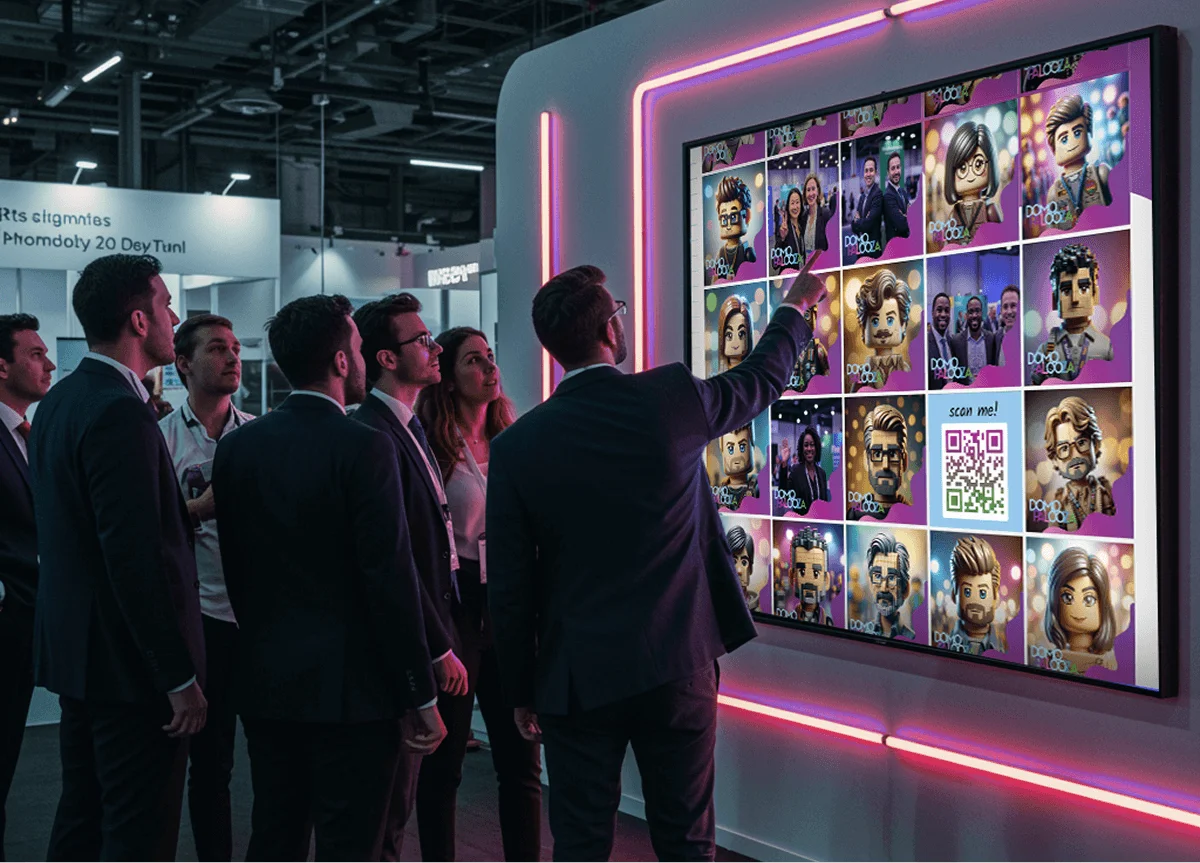
You shape the brand style. Our creative team builds custom AI styles for every activation to match your visual direction, so every generation already lives inside a look you approved. You shape the menu, offering guests a few styles to choose between. You shape the data you collect through custom lead fields. And you shape what becomes public, with moderation tools that let you review outputs before they hit a shared gallery or display.
What you don't shape is the exact rendering of any single image, the precise pose, the fine background detail, the specific way an effect resolves. And that's good news, because pushing every output toward identical would flatten the surprise and the sense of co-creation that the research says are doing the work. The goal isn't a perfect output. It's a great set of conditions, so the variation lands well every time.
How do you brief an AI activation so the variation pays off?
This is the highest-return thing a marketer can do, and it costs nothing but clarity and lead time. A good brief doesn't try to dictate a single image. It defines the brand, the feeling, and the guardrails, then leaves room for the model to create inside them.
Dylan Bell, who runs technical accounts on our team and has shepherded a lot of these, frames the relationship better than we could:
From our technical account team
"AI is like working with an extra person on your team. You can ask it to do exactly what you want, but because it's interpreting your instructions from its own perspective, some of the results might be a little different than you imagined. AI works best when you embrace the dynamism that comes with those idiosyncrasies. Trying to force AI into a box tends to breed disappointment."
In practice that means three things. Submit your creative direction early, so there's time to refine and test the styles before the event. Be specific about the goal: what you want guests to feel, what the content is for afterward, what the brand can't bend on. And give the process room. Last-minute is possible, but lead time is what reliably turns the variation into something on-brand instead of something you're nervous about.
How do you keep outputs on-brand and appropriate?
This is the question most teams want answered up front, and the answer is reassuring: brand control and moderation don't depend on the model nailing every output. They're built into the setup.
On brand, because the styles are built around your identity before the event, guests aren't generating from a blank prompt. They're stepping into a look you signed off on. On appropriateness, every output flows into a gallery you can moderate in real time, so nothing reaches a public display or social wall unless it clears review. For most brands, custom styles plus live moderation is enough to run with confidence in front of a large crowd. The creative work happens in advance, not on the show floor.
Why the activation becomes the moment guests remember
There's a well-documented pattern in how people remember experiences, the peak-end rule, identified by Daniel Kahneman and colleagues: we judge an experience by its most intense moment and how it ended, not by its average or its length. Most of an event blurs together. The peak is what stays.
A vivid, personal, surprising activation is built to be that peak. It combines the three things the research keeps pointing at:
- The guest co-creates it, so they value it.
- It surprises them, so they share it.
- It lands as a high point, so they remember it.
A traditional photo booth captures reality and hands back something predictable. Predictable is exactly what doesn't become the peak, and exactly what doesn't get posted.
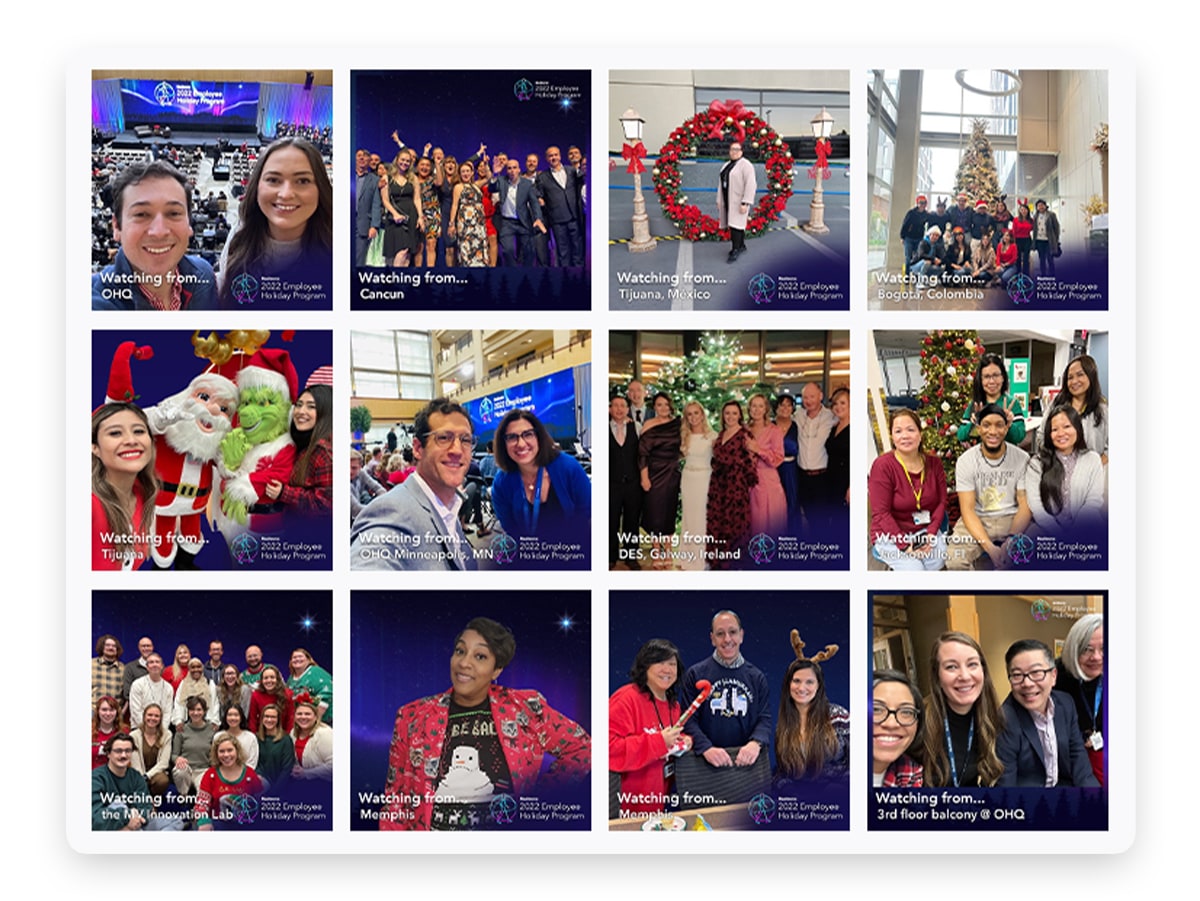
There's a practical payoff on the back end too. Because the content gets delivered to the guest afterward, your brand travels home with them and keeps working long after the doors close. If you want to measure that downstream effect, our guide to measuring event activation ROI covers tracking pipeline, brand lift, and engagement.
Getting the most out of your AI activation
So take the pressure off controlling every output. Set up the conditions instead, then let the variation do what the research says it does best: create something a guest helped make, didn't expect, and won't forget. Brief it clearly, give it lead time, and lean on the brand styles and moderation that are yours to direct. Work with the AI this way and you walk away with a room full of guests who genuinely engaged and a pile of content they actually want to share. That's a far better outcome than wrestling the AI to behave like software it was never meant to be.