
Table of Contents
People still ask me whether Snapbar rents photo booths, and I get why. We started in 2012 with one booth at a friend's wedding, and for years after that we shipped gear and ran events all over the country. But the honest answer is no. In 2021 we stopped renting gear, stopped staffing events, and went all in on our experiential marketing platform, which our clients now run on hardware they choose, with their own teams in the room.
It was the right decision, and it cost us real revenue. I've told the story in three short videos, so I'll put them here with the parts that didn't fit in a minute of camera time, and what I think it means if you're planning an activation now.
Key takeaways
- Snapbar stopped renting gear and staffing events in 2021. Clients source their own hardware and on-site staff.
- The reasons were stress, risk and where we wanted the company to go. Running the room is a specific skill, and shipping put every event on a chain we couldn't control.
- The same experience now runs on a kiosk, an iPad, a laptop or guests' own phones, all at once if you want.
- Plan for the box that doesn't arrive.
Does Snapbar still rent gear or staff events?
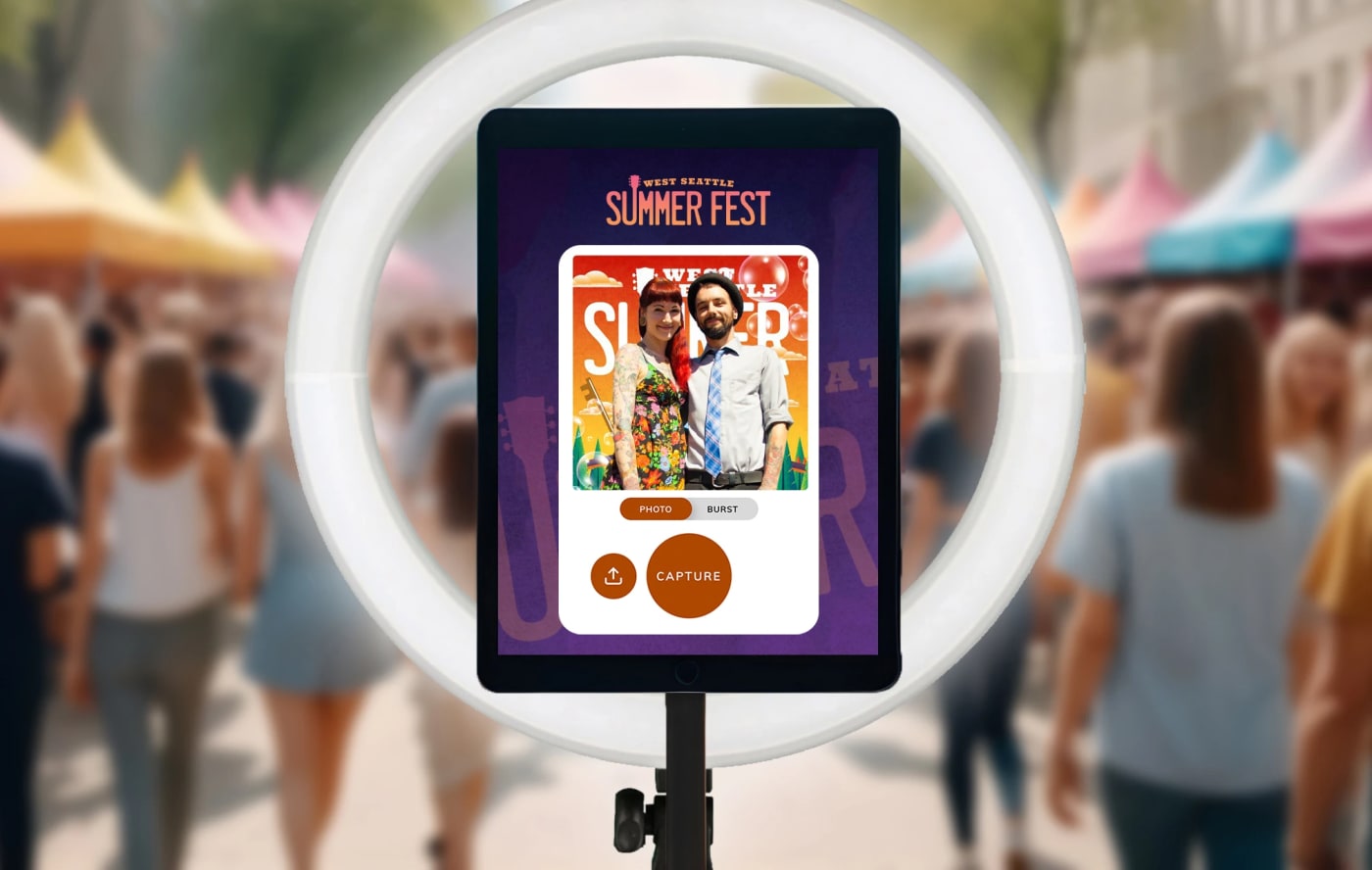
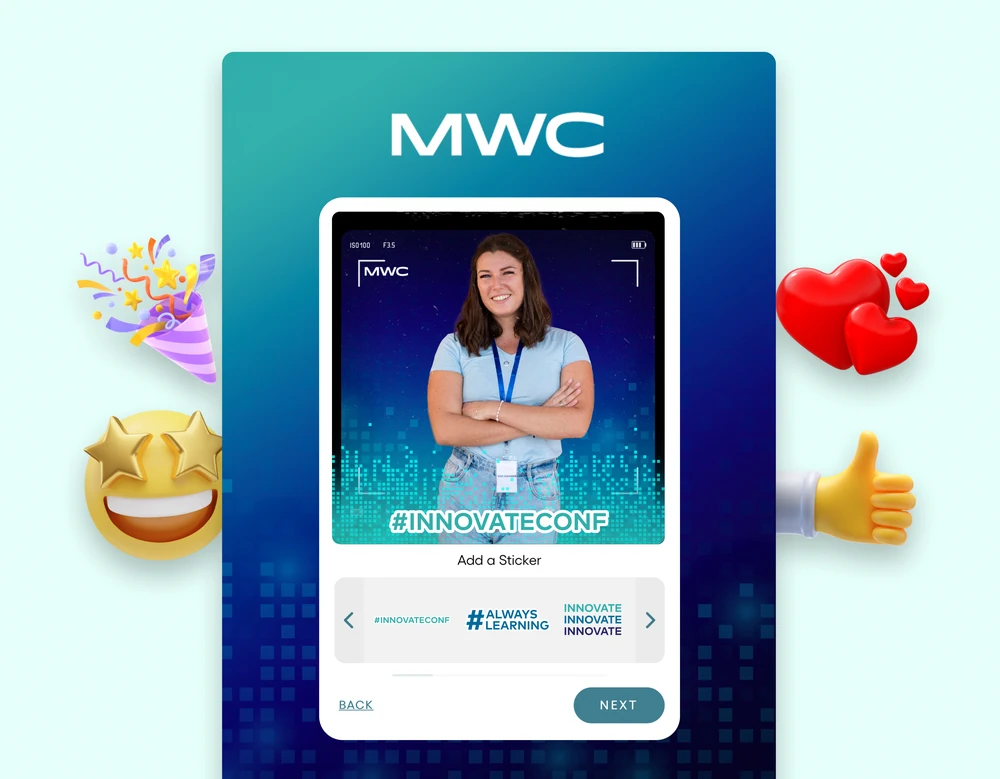
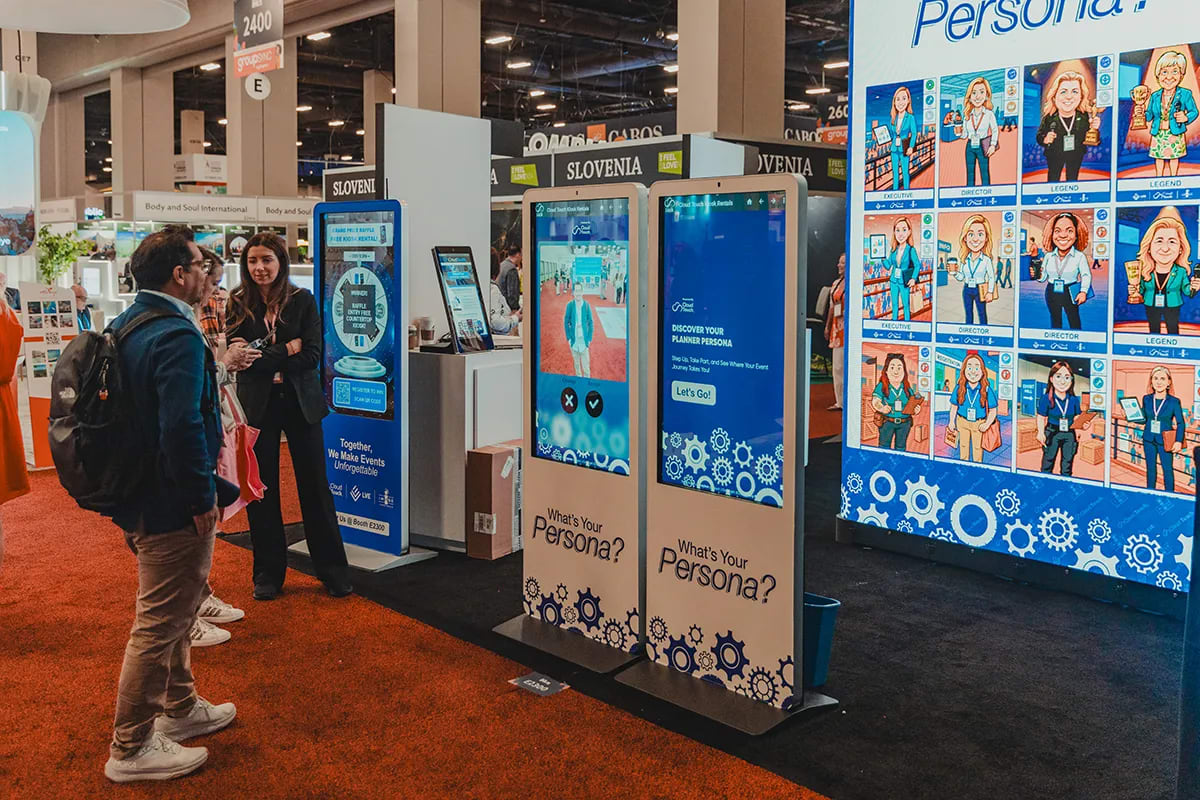
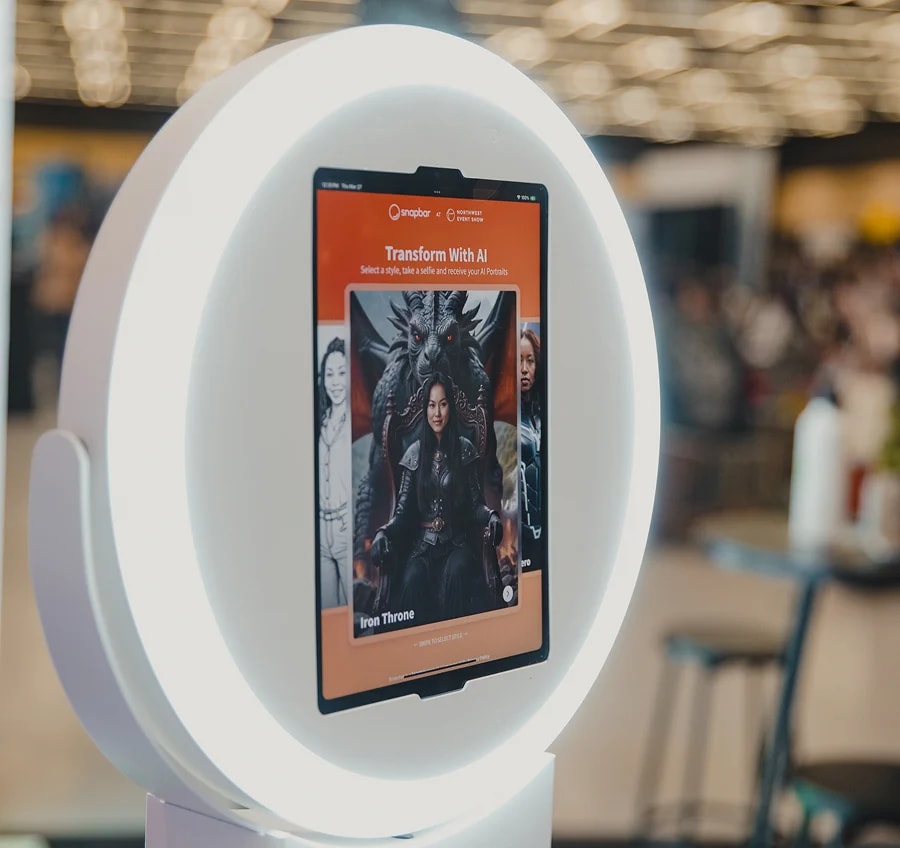
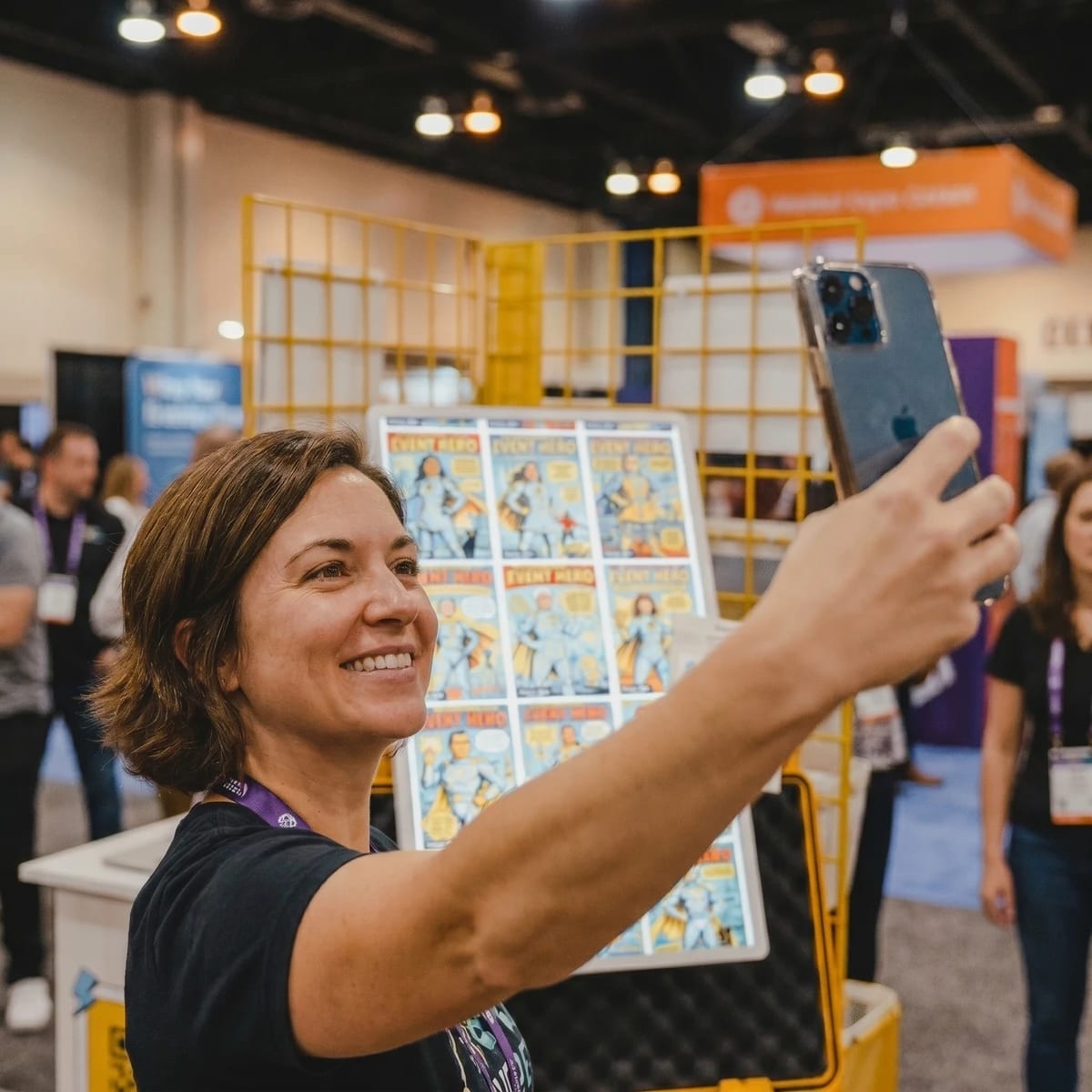
No. Since 2021 Snapbar has been a platform, and our clients source the hardware and the people who run it on the day. What we build is the experience itself, and it's browser-based, so it runs on a high-end kiosk, an iPad on a stand, a laptop at a desk or every guest's own phone through a QR code. Most of our clients run hardware of some kind, and they can run several of those at the same time.
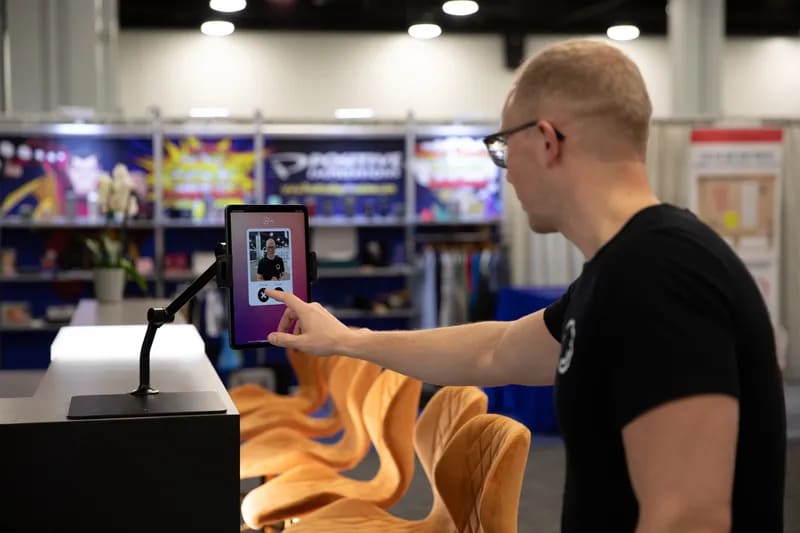
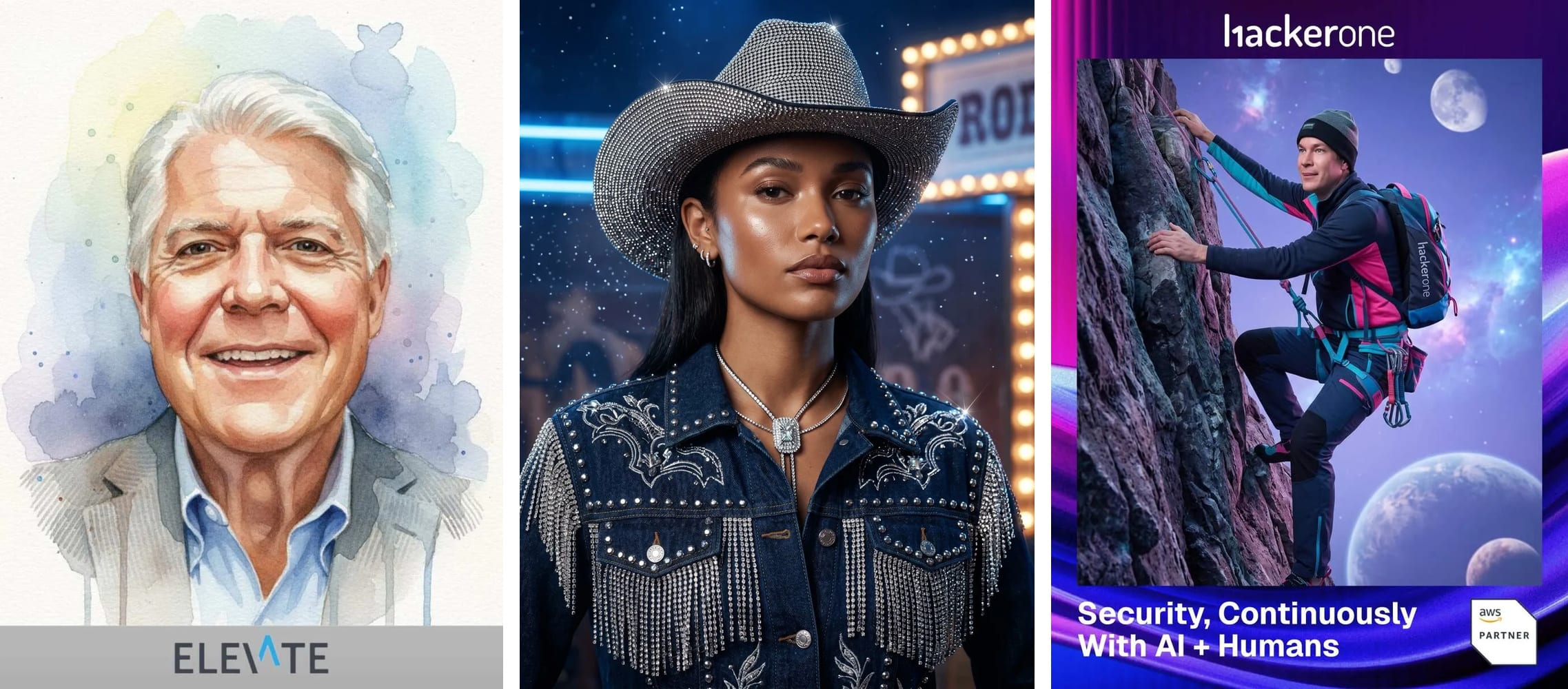
Your team controls the branding and design in the platform. Our team brings the expertise on the harder parts, like the AI prompts and how the data flows. That split is the whole model, and you can see how it works end to end.
Why did Snapbar stop running event logistics?
A big part of it was that I wasn't good at it. That's not modesty; I said it pretty plainly on camera. "The stress of events is so intense," and the event pros who run the biggest shows "know how to handle it." Then: "To be completely honest, I didn't."
That's what pushed us. "I did not handle it well. And so I found myself realizing I think I need to run a different type of business and we pivoted the business accordingly." Snapbar "pivoted out of the logistics side of events," and the platform is what came out of that.
The job really is that hard. The U.S. Bureau of Labor Statistics describes event planning as work that "can be fast paced and demanding," where planners "face numerous deadlines" and often work additional hours as an event gets close. I admire people who thrive on that, and I don't want this to read like I'm knocking the work. "I have so much respect for people in events."
Admiring a skill and having it are two different things. I figured out which one I had, and we built the company around it.
What goes wrong when an activation depends on shipping?
Your activation becomes only as reliable as the weakest link between your warehouse and the venue. "The worst experiences I had in events have actually been related to shipping." We had selfie stations, branded units "going all over the country," and gear on the road with them. Sometimes we got it wrong ourselves. Other times it wasn't on us at all, because "shipping doesn't work sometimes, right? Like a van breaks down."
The worst one was a resort "at the top of a gondola in the middle of the mountains of Colorado." Our gear was "stuck in a FedEx office that was closed early," even though the hours posted online said it would be open. "So it wasn't our fault, but it kind of was." We flew a staff member "from Seattle to Denver," they rented a car, and "they drove overnight through the mountains to get to the resort." The gear went up the gondola hours before the event started.
"Really cool finish but horribly stressful experience." There's a reason it felt that bad. In a 1979 study built on national survey data from Sweden and the US, the researcher Robert Karasek found that mental strain comes from heavy demands combined with little control over how you meet them. Doors were opening on that mountain at a set time, and the one thing we needed was behind somebody else's locked door.
What did walking away from that revenue cost?
Real revenue, and time to make it back. We stopped the in-person side and went all in on the platform, partly "because of stress honestly and because of how we thought the future of our company would go." The plan was simple: "get rid of the logistic side, stop renting gear and stop trying to staff events."
What replaced it came from places a business that ships boxes can't easily reach. Once we focused on the platform, "so much of that was eventually made back as we scaled to new countries, different types of experiences and events that found us to be useful." It wasn't instant. "It was a really good decision, but it took a minute."
One thing it wasn't: a bet against being in the room. We did bet that virtual events would outlast the pandemic, and we were wrong. People wanted to be together again. Leaving logistics never meant leaving live events. It meant the experience could travel without a truck.
What does this mean if you're planning an activation now?
You own the room, so decide early who brings the hardware and who runs it on the day. If you work with a platform like ours, that part is yours, and the experience is ours. Here's what I'd put on the plan:
- Name an owner for every device and every station. Who sources it, who sets it up, and who stands next to it when the doors open.
- Own the stand, license the experience. A kiosk or an iPad stand doesn't go out of date; the experience on it should keep improving. Our piece on whether to rent, buy or run it on a platform walks through that call.
- Run more than one way in. Put a kiosk by the entrance and a QR code on every table. There's no charge for adding devices, and if the kiosk is stuck somewhere, the activation slows down instead of stopping.
- Put the shipping deadline on the plan, not on hope. Work back from doors-open with real buffer for anything that travels. Our data on how far ahead brands book activations helps set that calendar.
None of that needs us on a plane. It needs a clear plan for the room and an experience that runs on whatever is in it.
We left the logistics, not the events. I still think the people who run great live events are some of the most impressive operators in marketing. We just build for them now, instead of trying to be them.
Planning an activation that runs on the hardware you choose?
Tell us about the event and we'll show you what the experience can look like on your setup.
Get a QuoteOr explore: The Platform | How It Works