
Table of Contents
A year ago, we published our predictions for the events industry in 2025. We talked about the in-person boom, AI personalization, hybrid formats, and the growing demand for measurable ROI. Some of those calls landed. Others missed the mark. And a few trends showed up that nobody, including us, saw coming.
This is our honest scorecard on what actually happened, plus the shifts we're tracking for 2026, backed by fresh industry research from Boldpush's 2026 Event Industry Outlook (798 event professionals surveyed) and what our own team has seen across thousands of activations.
"The future of events isn't about replacing human connection with technology. It's about using AI and digital tools to make those connections even more meaningful. At Snapbar, we're seeing firsthand how the right tech can turn moments into memories."
-- Sam Eitzen, CEO & Founder
The 2025 Scorecard: What We Got Right (and Wrong)
We made six predictions heading into 2025. Here's how each one played out, with honesty about where we overshot, undershot, or just missed the real story.
Prediction 1: In-Person Events Keep Booming, Powered by AI Personalization
The verdict: Mostly right, but the "why" shifted.
In-person events absolutely continued their post-pandemic surge. That much we nailed. But the reason people show up has changed in a way we didn't fully anticipate. According to the 2026 Boldpush industry research, connection has officially overtaken content as the number one driver of event attendance. People aren't coming for the keynotes. They're coming for each other.
The AI personalization piece also proved out, but with a twist. Smart event apps, personalized schedules, and AI-driven recommendations are real and growing. Yet the biggest lesson from 2025 wasn't about the technology itself. It was about managing expectations around what AI can and can't do.
From our team: "AI is like working with an extra person on your team. You can ask it to do exactly what you want, but it's interpreting your instructions from its own perspective. AI works best when you embrace the dynamism that comes along with those idiosyncrasies. Trying to force AI into a box tends to breed more disappointment." — Dylan Bell, Technical Account Manager
Prediction 2: Digital Tools Go Mainstream at Physical Events
The verdict: Confirmed and accelerated.
We predicted that blending digital engagement tools with in-person events would become standard. That happened faster than expected. QR-activated experiences, mobile-first photo activations, and web-based participation tools are now table stakes at most major conferences and trade shows.
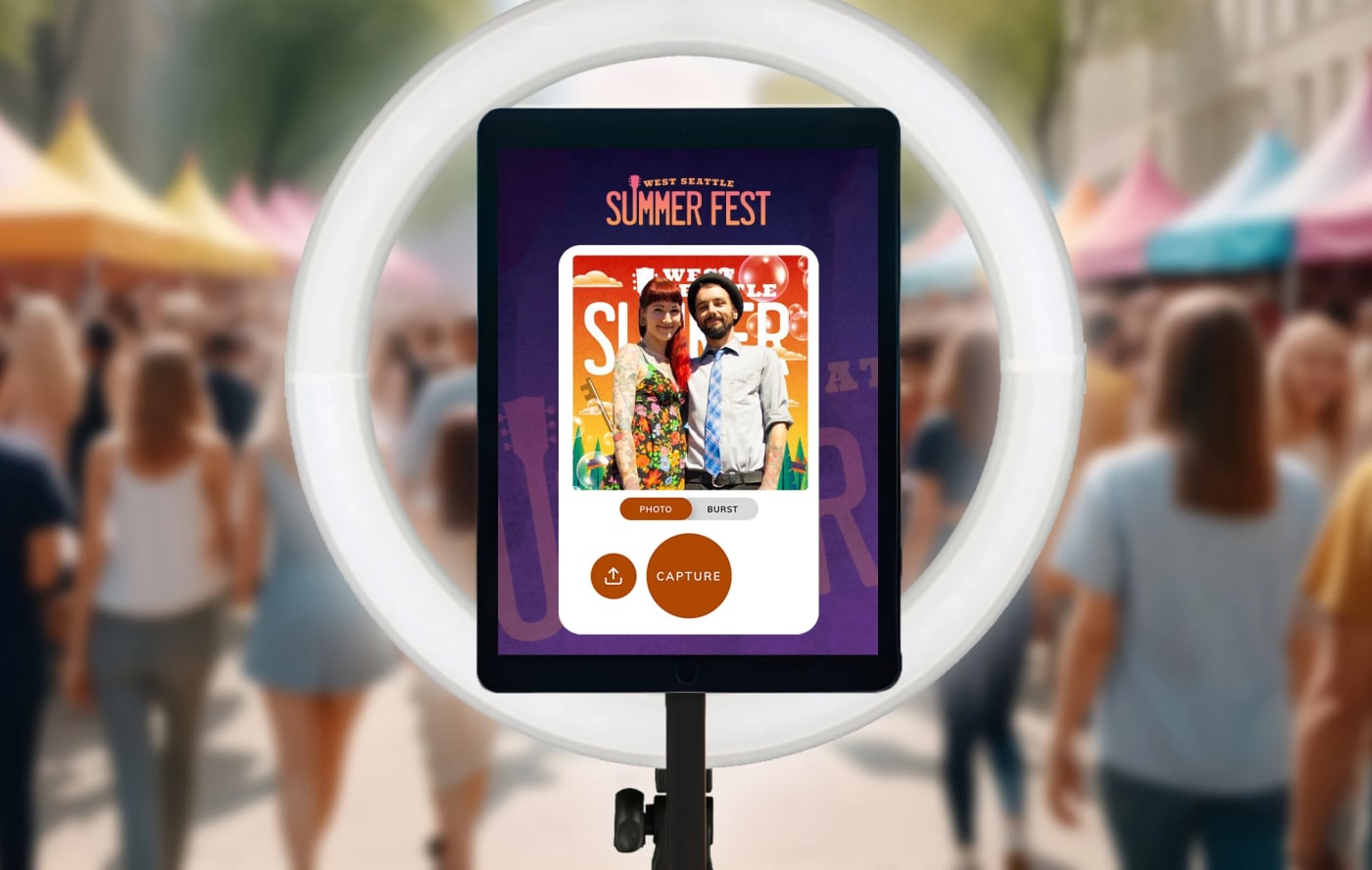
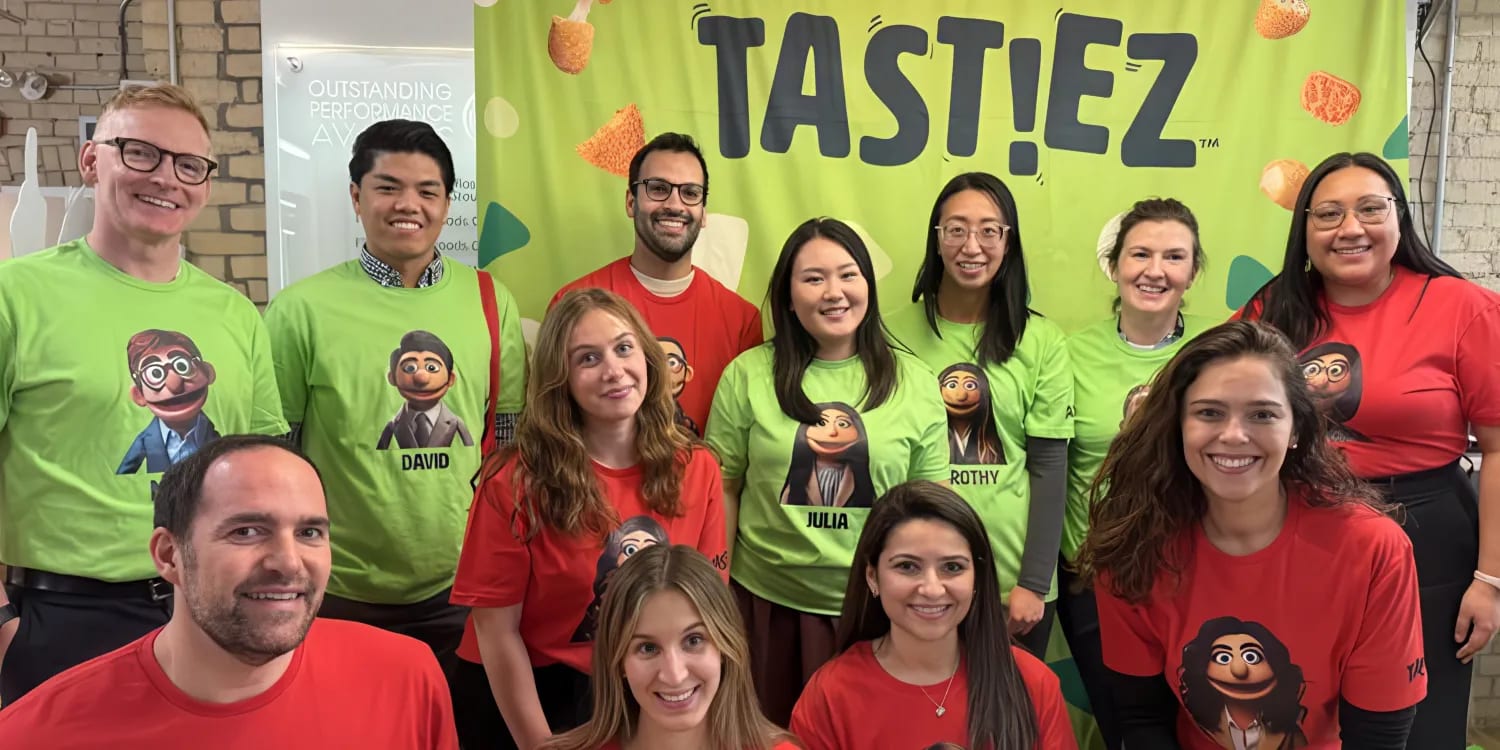
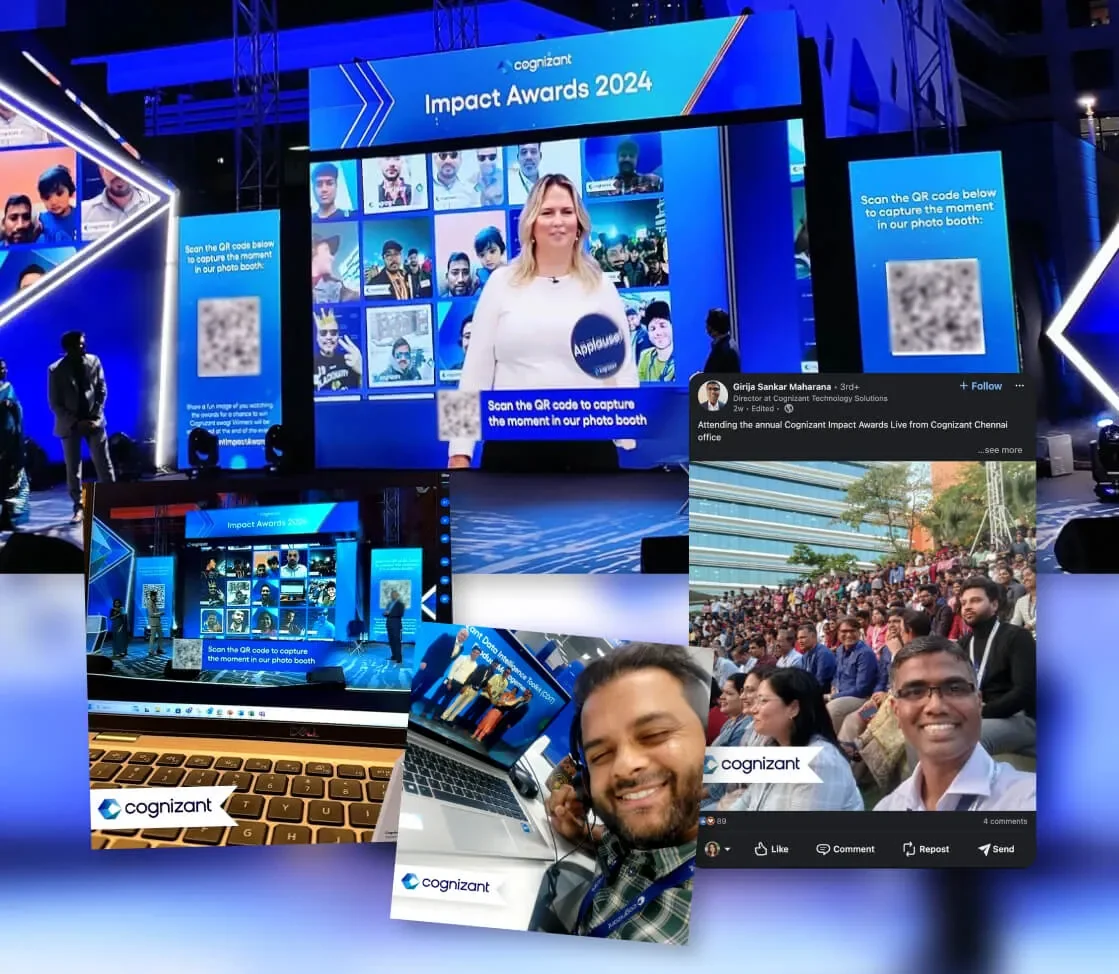
Our specific call on crowdsourced photography proved especially accurate. The shift away from dedicated event photographers toward giving every attendee the tools to create and share branded content has gone from "interesting idea" to "standard practice" for forward-thinking brands. We've seen this firsthand through our Digital Photo Booth platform, where participation rates have consistently climbed as more events adopt mobile-first approaches.
One area where reality diverged from our prediction: we expected AR and VR to take bigger leaps toward mainstream adoption at events. That hasn't happened at the pace we anticipated. The hardware is improving, but most event organizers are still choosing simpler, higher-ROI engagement tools over immersive VR setups. Practical beats flashy.
Prediction 3: AI Levels Up Event Experiences
The verdict: Right on direction, wrong on nuance.
AI absolutely transformed event experiences in 2025. Across the industry, 95% of event professionals now expect AI adoption to increase further in their organizations. That's not a trend anymore. That's infrastructure.
But we oversimplified the story. Our 2025 take focused heavily on capabilities: predictive analytics, automated content creation, AI photo and video experiences. What actually mattered more in 2025 was the human layer on top of those capabilities.
From our team: "AI is useful in creative work when it comes to creating initial ideas, drafting things, getting things out of your head. But those really need a human brain behind it versus just AI." — Melanie Peterson, Digital Design Lead
The brands that got the most out of AI at events in 2025 weren't the ones with the most advanced models. They were the ones that paired AI tools with skilled people who understood the experience they were trying to create. Good AI activation design is still a craft, not a commodity. Having assets that look like they belong together, that tie into the microsite, that connect back to the email, creates a complete experience. Mismatched elements feel off-brand and unmemorable, regardless of how sophisticated the underlying AI is.
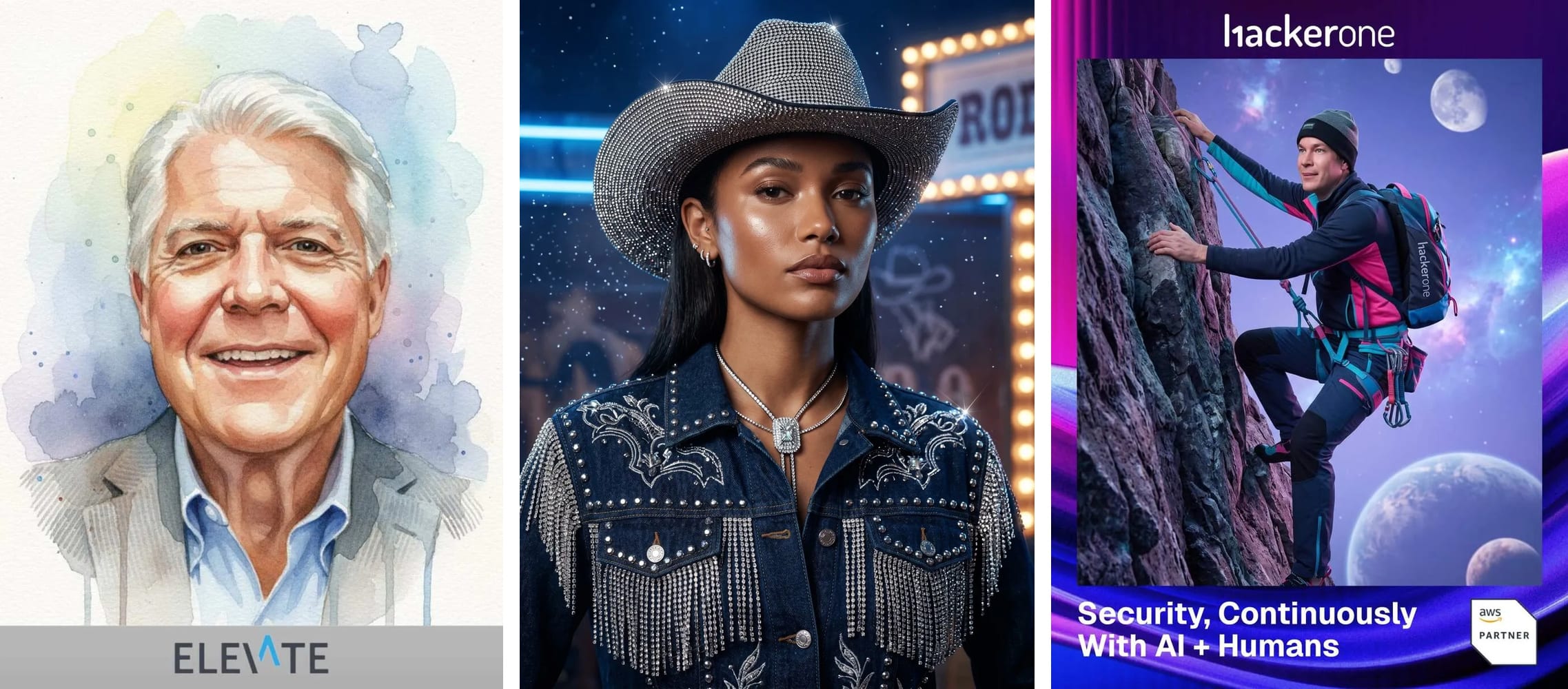
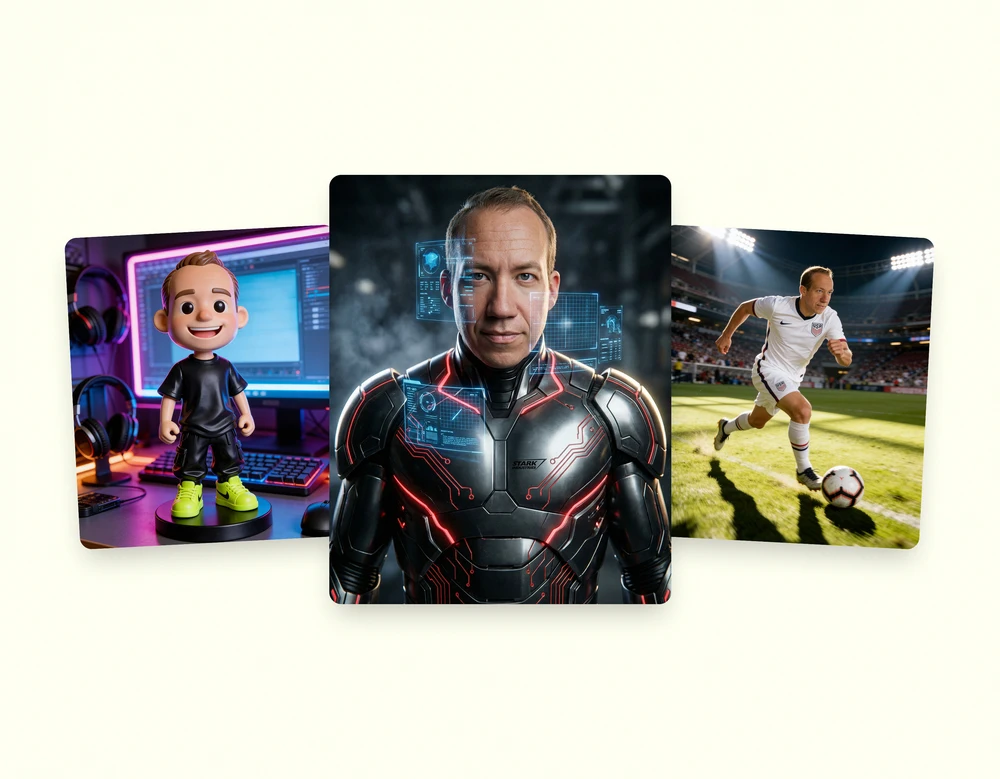
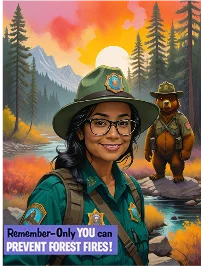
Our own AI Photo Booth experiences have become a core offering at brand activations, trade shows, and corporate events. The technology keeps getting better. But the secret isn't the model. It's the creative direction, the brand integration, and the thoughtful design around it.
Prediction 4: Hybrid Events Keep Evolving
The verdict: Partially right, but we missed where the real growth happened.
We predicted that hybrid formats would keep getting more sophisticated. In practice, the industry doubled down on in-person and the "hybrid" conversation shifted. Pure hybrid events (live + remote simultaneous audiences) exist but haven't become the dominant format we expected.
The real growth happened in a different direction: post-event digital extension. What you do after an event is becoming the strongest predictor of your next event's performance. Session recaps, AI-generated summaries, content distribution across weeks (not just the day-of recap reel), and community building between events are where the smart organizers are investing.
Social walls and live galleries bridging physical and digital still have a role, but the bigger opportunity is extending the event's life well beyond the venue.
Prediction 5: Sustainability and ROI Accountability
The verdict: ROI is now a crisis. Sustainability faded as a headline.
We grouped these together because that's how the year played out. Sustainability remains an expectation, not a differentiator. It hasn't disappeared, but it's no longer the trend driving event strategy conversations.
The ROI story, though, turned out worse than we predicted. We said brands would demand measurable value. They do. But the industry's ability to deliver that measurement is surprisingly poor. According to Boldpush's research, 13.6% of event professionals aren't measuring ROI at all. Among those who do, many rely on NPS scores or attendance numbers instead of pipeline and revenue metrics.
The gap: Brands are spending more on events while simultaneously admitting they can't prove the return. Only 40% of organizers expect budget increases in 2026, down from 53% in 2025. That's not a budget crisis. That's an accountability crisis.
For brands running activations, this is actually an opportunity. When you can capture qualified leads directly through your experience and tie those leads back to pipeline, you stand out from the majority of event investments that can't prove their impact.
What Surprised Us: Trends Nobody Was Talking About a Year Ago
Some of the most important shifts in 2025-2026 weren't on anyone's prediction list. These are the ones we're paying the closest attention to heading into the rest of 2026.
Connection Beats Content as the Top Reason People Attend
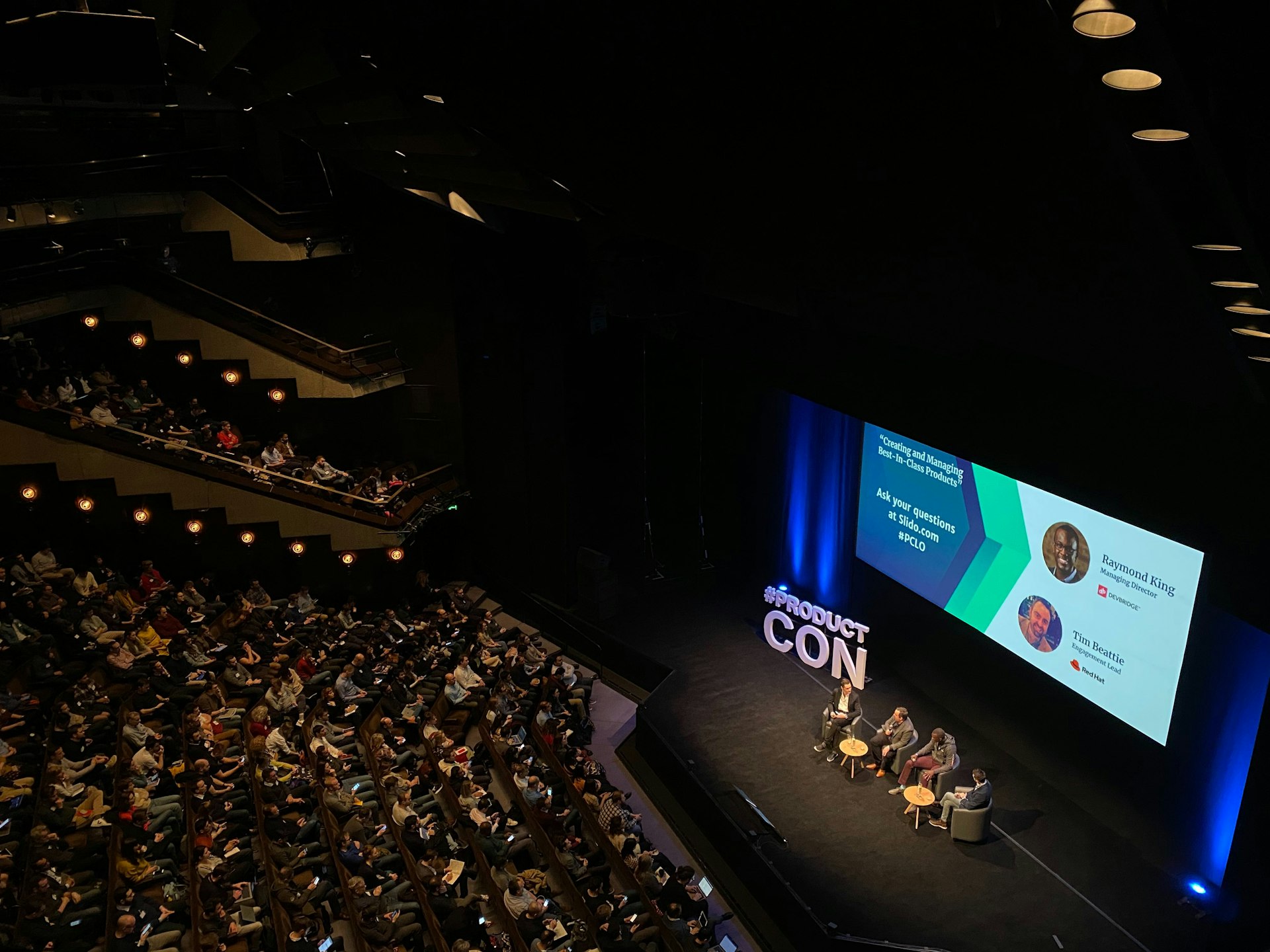
This is a fundamental shift. For years, the event industry operated on the assumption that content (speakers, sessions, education) was the primary draw. According to Boldpush's 2026 research, that's no longer true. Connection, the opportunity to build relationships, network, and be part of a community, is now the number one reason people attend business events.
Content still matters. Gen Z attendees in particular attend events to learn and develop skills (based on a 500-respondent Gen Z study from Boldpush). But how you deliver that education makes the difference. Static keynotes and panel discussions are losing ground to interactive formats, smaller group experiences, and community-driven sessions.
For event marketers, this changes the value proposition. You're not selling "learn from industry experts." You're selling "connect with people who share your challenges."
Gen Z Is Rewriting Event Behavior
The Gen Z data is striking. Only 13.6% of Gen Z attendees register for events more than four weeks in advance. The rest are late registrations, driven by impulse, peer influence, and social media discovery.
This has cascading implications:
- Registration funnels built for 6-8 week lead times break down
- Email-heavy marketing campaigns miss this audience (they discover events through social, not inbox)
- Registration forms need to be shorter and faster (95% cart abandonment rates are being reported at some events)
- Paid and organic social needs to carry more of the marketing weight
Community and email still account for 70% of event registrations overall. But organic and paid social account for just 18.7%, which Boldpush's Julius Solaris calls a "massive missed opportunity." As Gen Z becomes a larger share of business event attendees, that gap will become increasingly expensive to ignore.
Short Attention Spans Are Restructuring Events
Session lengths are shrinking. The average presentation at major events is now 35 minutes, and few sessions run longer than 40. Attendees check their phones constantly during sessions. The old format of hour-long keynotes followed by 45-minute breakouts is dying.
What's replacing it: thematic stages, lounges, microevents. Instead of one massive agenda with generic tracks, the most effective events in 2025 organized around focused experiences that rotate people through different modes of engagement. Main stage for broad context, vertical content areas for depth, microevents for hands-on connection.
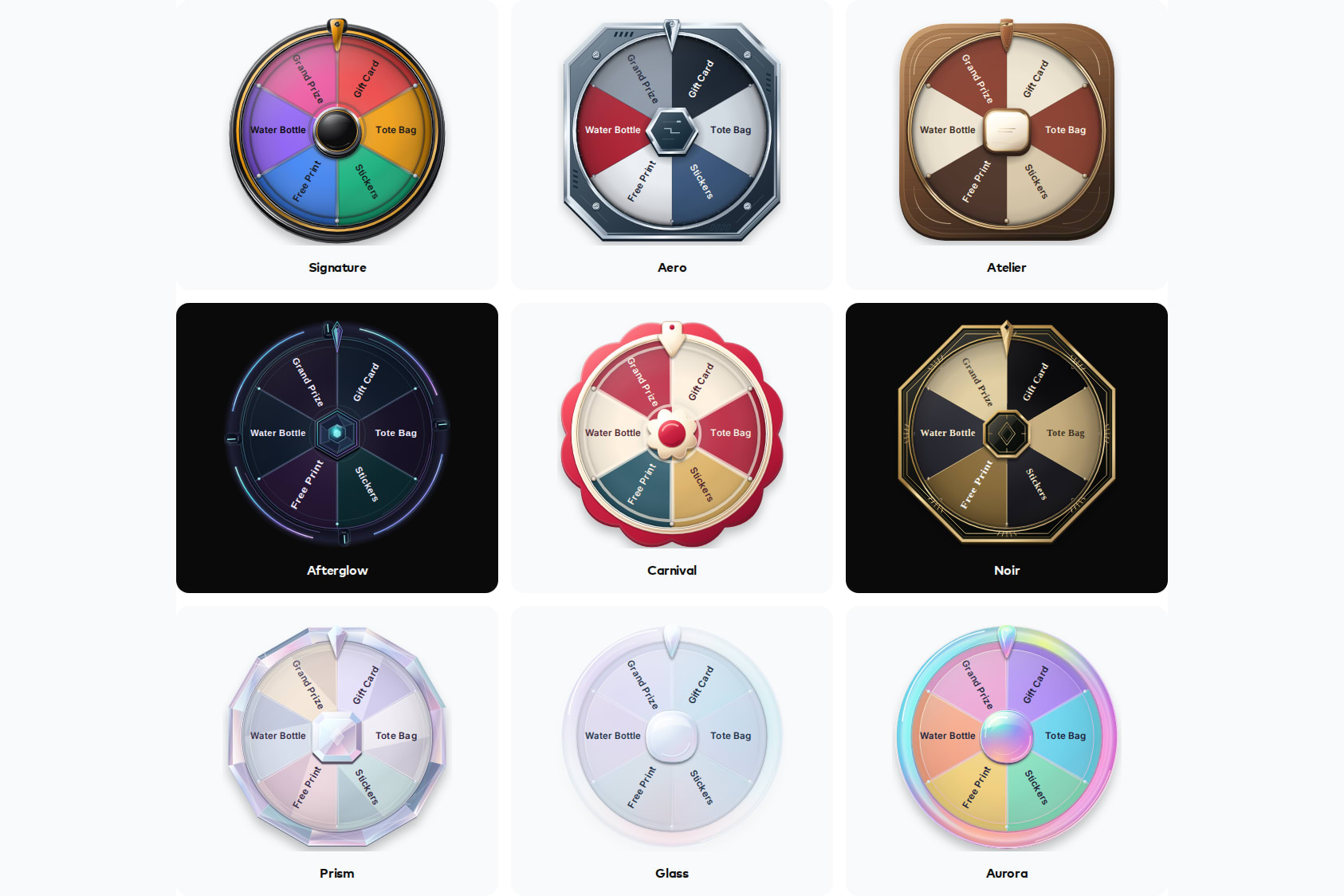
This trend directly supports interactive activations. When attention spans demand variety and movement, experiences like AI photo activations, interactive displays, and gamified engagement become more than entertainment. They become structural elements that keep people engaged and moving through the event.
What's Actually Changing in 2026
Based on what we've seen, heard from our clients, and tracked across industry research, here's where we think the event industry is heading for the rest of 2026.
AI Expectations Are Maturing
The hype cycle is settling. Event professionals are moving past "AI will change everything" into the practical question of "what does AI actually do well, and where does it fall short?" That's a healthy shift.
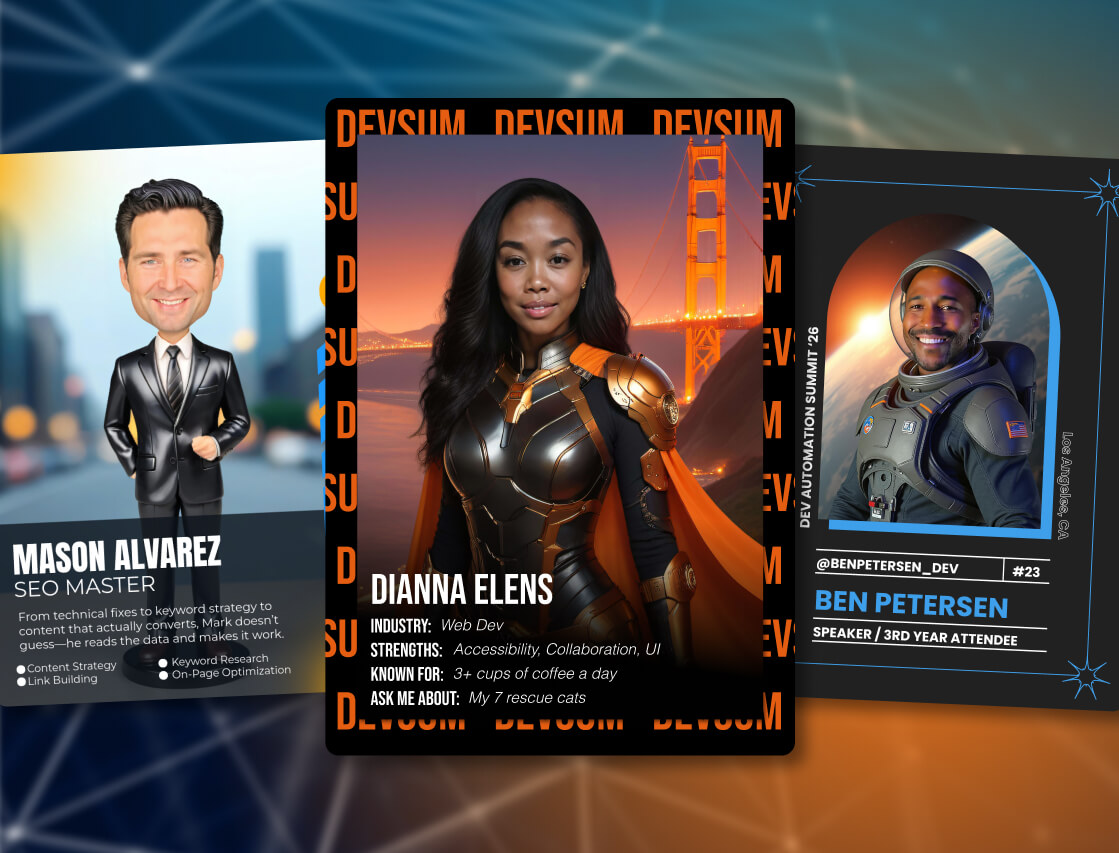
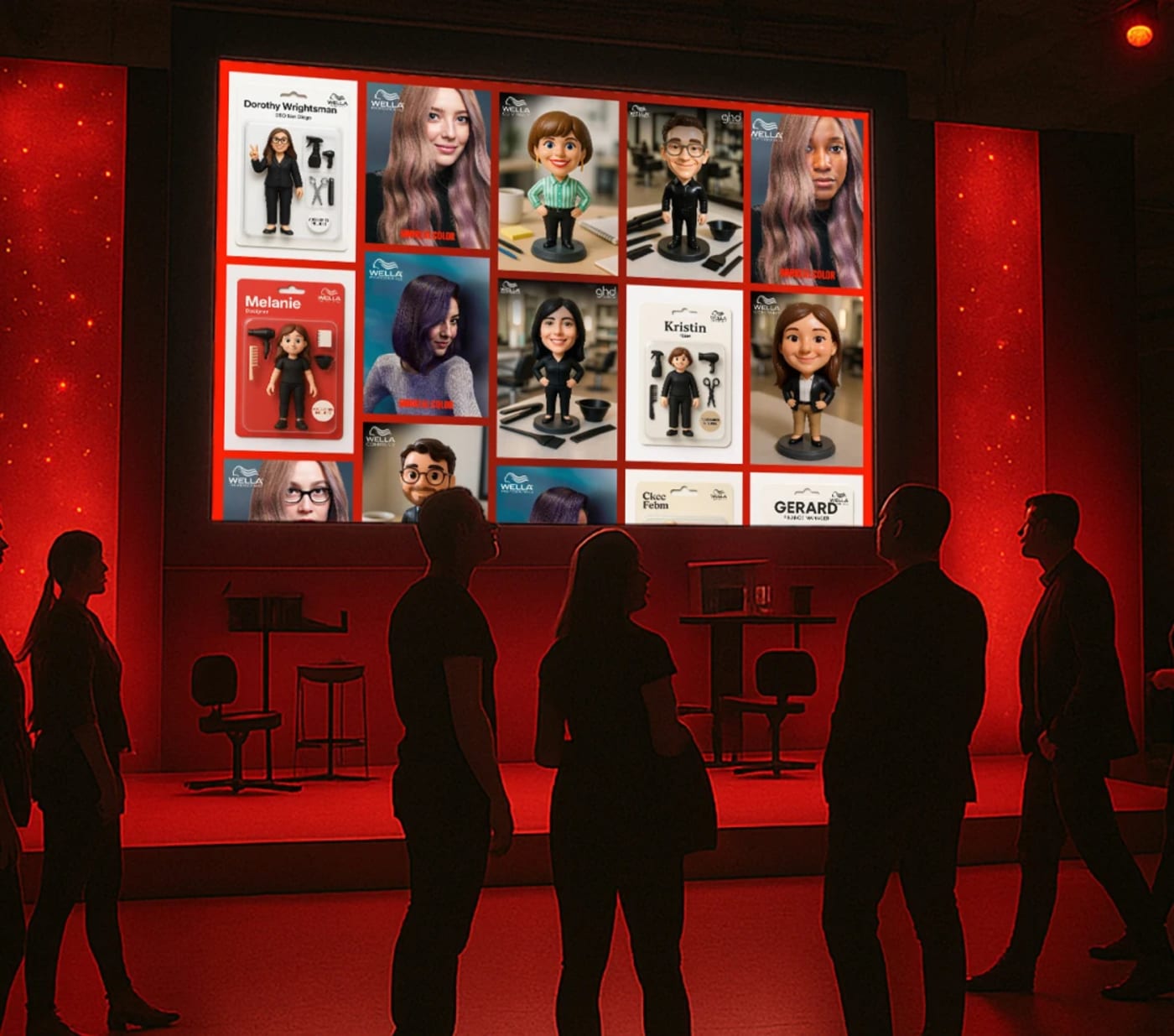
For activations specifically, the winning formula is clear: AI generates the novel, personalized content that stops people in their tracks. Skilled designers and operators shape that content into a branded experience that's cohesive and memorable. Both pieces matter. Neither works alone.
Expect fewer "look, we have AI!" marketing messages and more evidence-based conversations about specific outcomes. Which AI tools actually improve event workflows? Which ones generate measurable attendee engagement? Which ones are still more promise than practice?
Self-Serve Is Shifting the Event Tech Relationship
Across event technology, there's a clear shift toward giving clients more control over their own setups and configurations. We're experiencing this ourselves at Snapbar as our platform evolves toward more self-service capabilities.
From our team: "My role becomes less about creating experiences and more about guiding clients as they build their own. I hope to become someone who can help clients iterate more strongly on their upcoming experiences." — Dylan Bell, Technical Account Manager
This doesn't mean "set it and forget it." The clients who get the best results still invest in design and strategy. But the operational model is changing from "we build it for you" to "we guide you while you build it, with expert support when you need it." Templates, preset design options, and intuitive builders lower the barrier, while expert partnership remains available for brands that want to push creative boundaries.
Post-Event Strategy Becomes a Growth Lever
If you only do one thing differently in 2026, invest in what happens after your event ends. The Boldpush research makes this clear: post-event activity is the strongest predictor of future event performance.
Three areas to focus on:
- Feedback collection: Shorter, AI-assisted surveys that respect attendees' time. A million-question post-event survey gets ignored. Two smart questions get answered.
- Content distribution: Session recaps, key takeaways, and highlight content distributed over weeks, not dumped in one post-event email. This helps attendees justify their presence to their organizations.
- Community building: Events that build year-round community between installments reduce their marketing spend dramatically. Community and membership already drive more registrations than paid social. Leaning into that advantage makes your next event easier to fill.
Event Tech Consolidation Signals a Bigger Shift
Bending Spoons' acquisition of Eventbrite for roughly $500 million is the clearest signal yet that event technology is consolidating. Bending Spoons already owns Meetup, StreamYard, Vimeo, and Brightcove. Combined with Eventbrite, they're quietly assembling the largest consumer-event technology stack in the market.
For event professionals, this means fewer independent tools and more integrated platforms. It also means the vendor ecosystem will look different in two to three years. If your event tech stack relies heavily on niche point solutions, it's worth thinking about platform resilience alongside feature sets.
How Should Event Marketers Respond to These Shifts?
Not every trend demands action. But a few of these shifts are practical enough to act on right now:
- Audit your registration flow. If it takes more than 90 seconds to register, you're losing Gen Z and first-time attendees. Cut fields ruthlessly.
- Invest in social content from your events. Zero-click social content (posts that deliver value without requiring a click) outperforms link-heavy promotion posts. Repurpose content from previous events for social distribution.
- Build measurement into your activations. If you can't answer "how many qualified leads did this generate?" you're in the 13.6% without ROI measurement. Experiences that capture lead data through natural value exchange solve this problem by design.
- Plan for after the event before the event. Map out your post-event content calendar, feedback process, and community touchpoints before the event starts, not as an afterthought.
Looking Ahead
The events industry in 2026 is more disciplined, more data-aware, and more focused on connection than it was a year ago. AI is part of the infrastructure now, not the headline. The brands and organizers who will win are the ones who pair smart technology with real human insight, measure what matters, and build lasting communities around their events.
We're excited about what's ahead. At Snapbar, we're continuing to build technology that helps brands create interactive, measurable experiences that people actually want to participate in. The tools keep getting better. But the principle hasn't changed: create something worth sharing, and your audience will do the marketing for you.