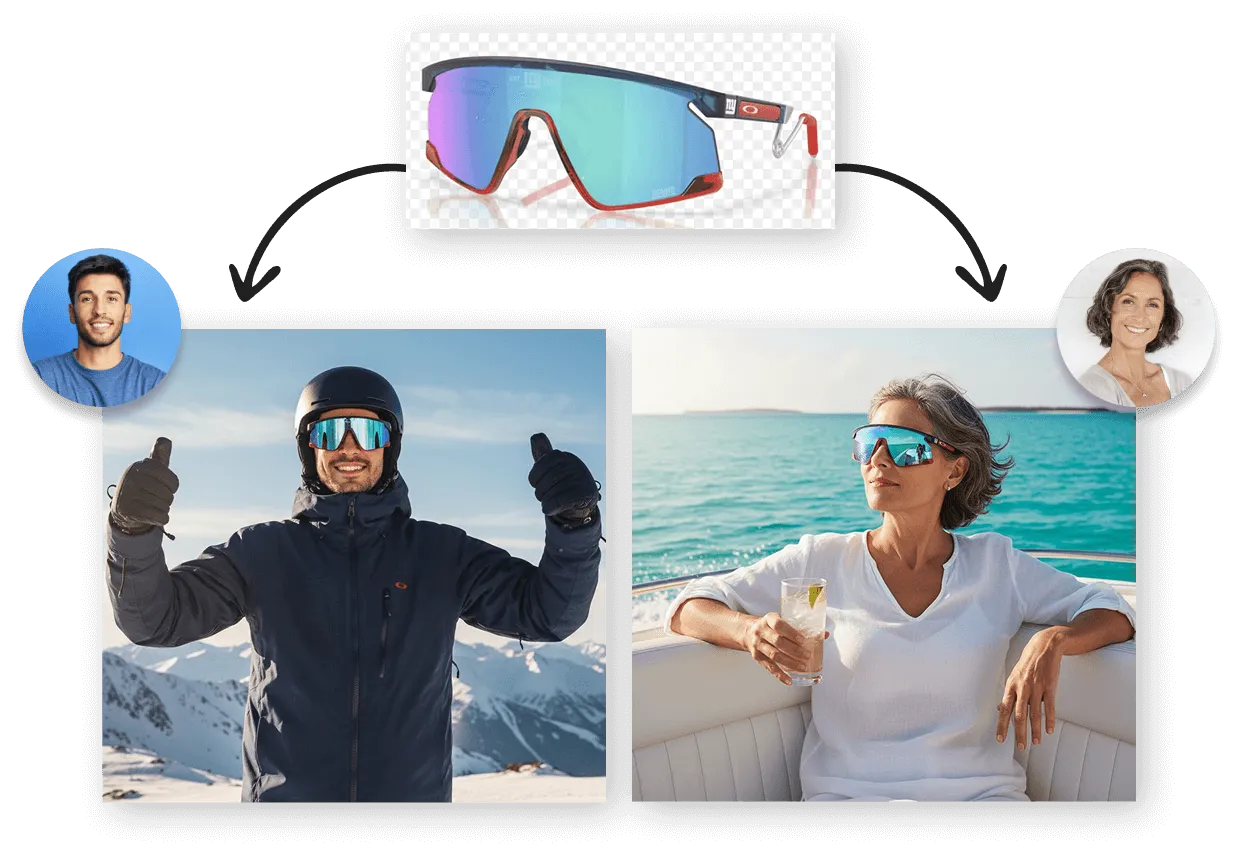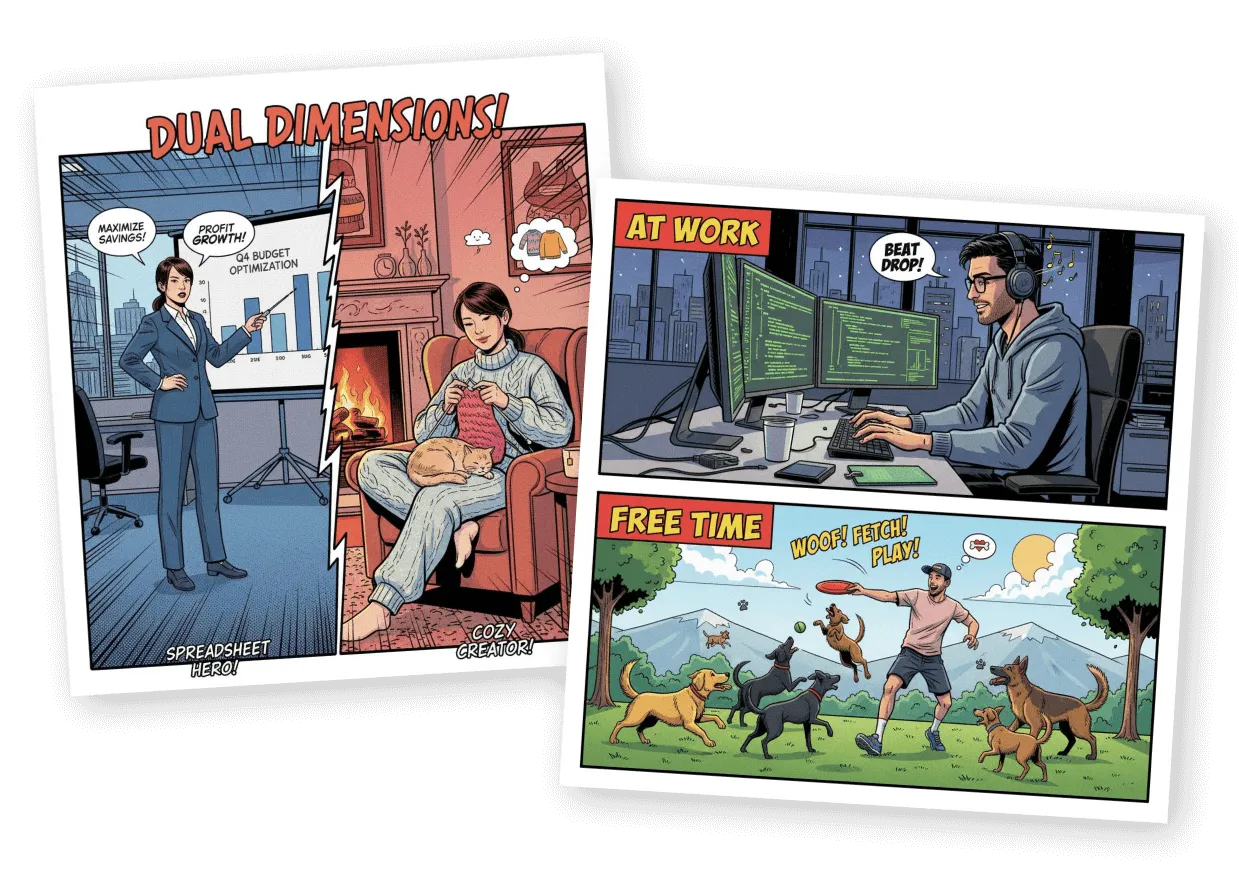

Table of Contents
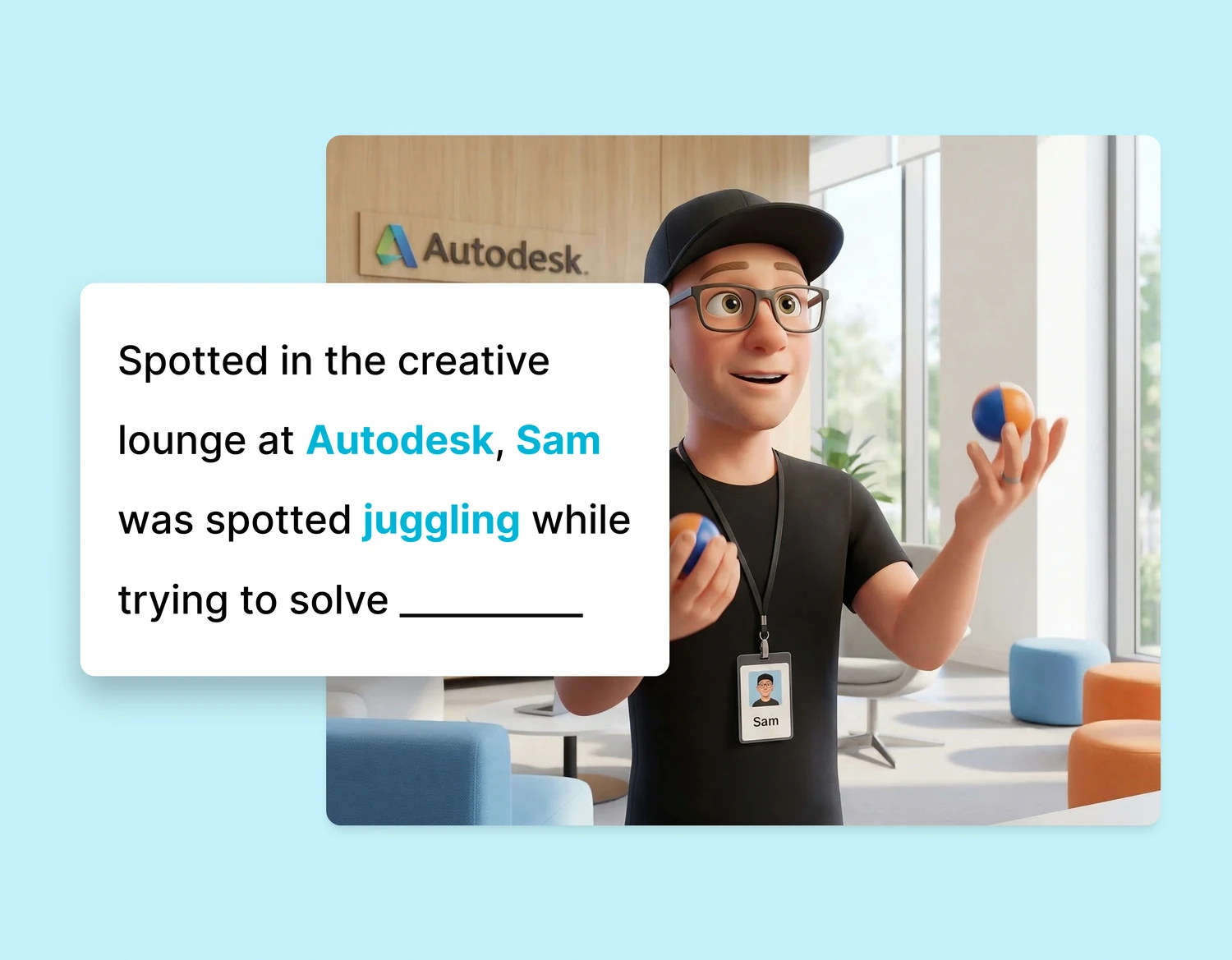
An AI Stories activation is one of the most personal experiences you can put on an event floor. A guest fills in a few blanks in a brand-themed story, and AI turns their answers into a one-of-a-kind illustration built around what they wrote. Whether you're planning your first activation or you've already run a handful, you're working with a format that hands every guest something that feels genuinely theirs.
Here's something that's easy to miss, even once you've watched it land in a room: the pull isn't really the image, it's the authoring. The moment a guest writes themselves into your story, they pay closer attention, remember it longer, and value the result more, because they helped create it. This piece covers what an AI Stories activation is, how it runs, why that story-driven mechanic works, and how to design one that lands.
Key takeaways
- An AI Stories activation lets guests fill in a brand-themed story; AI generates a personalized illustration from their answers.
- Letting guests write themselves in triggers three documented effects: sharper attention, stronger memory, and a sense of ownership.
- Every story blank doubles as a lead field, so you capture qualitative context, not just an email address.
- The best activations start with a story the brand genuinely wants to tell, kept to about four blanks.
- It's the right pick when narrative is part of the experience and you want richer data than a quick photo can give.
What is an AI Stories activation?
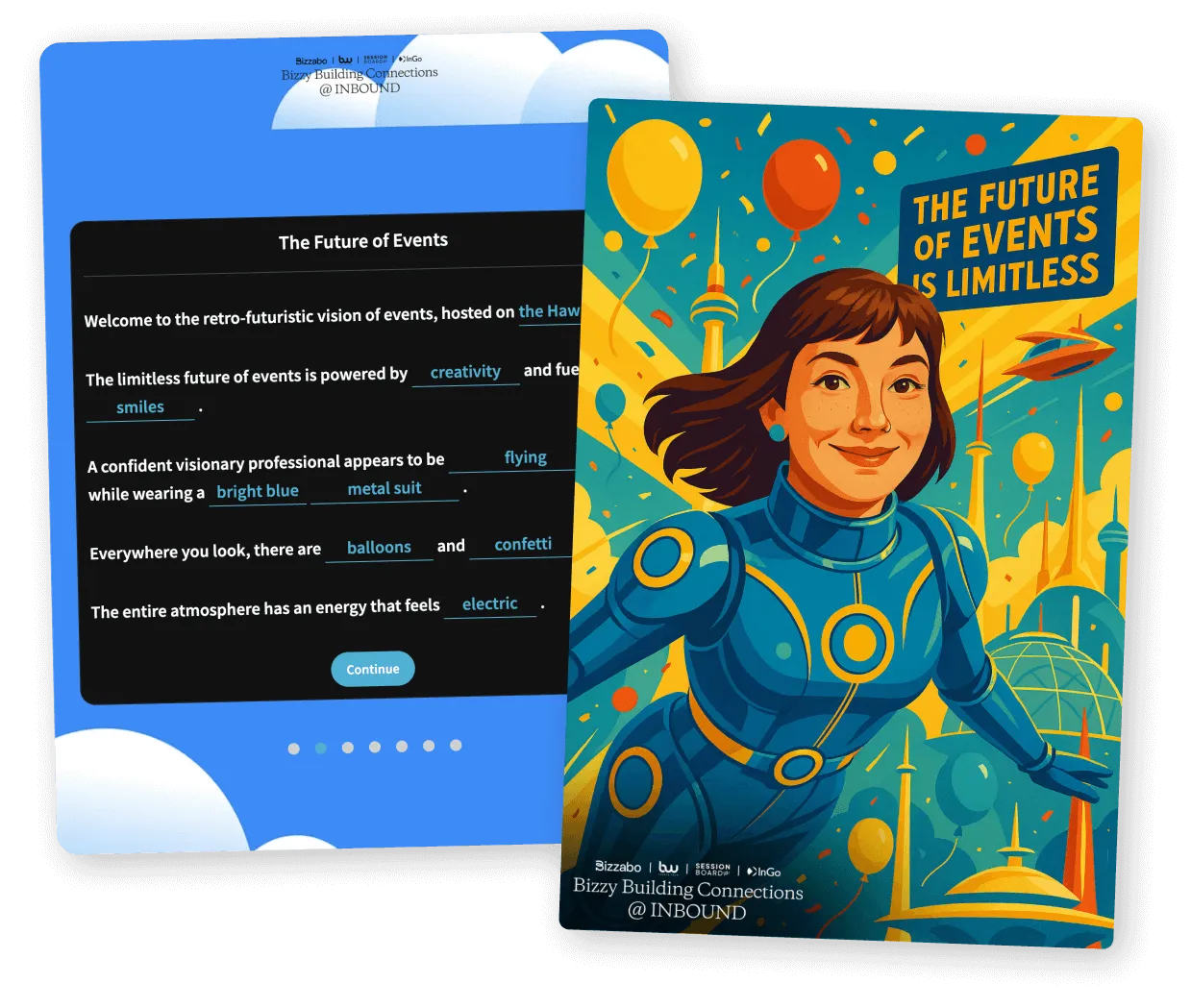
An AI Stories activation is an event experience where guests complete a brand-themed story with their own words, and AI uses those answers to generate a personalized illustration unique to each guest. Think of it as a Mad Libs the brand authors and the guest finishes, with an on-brand image as the payoff.
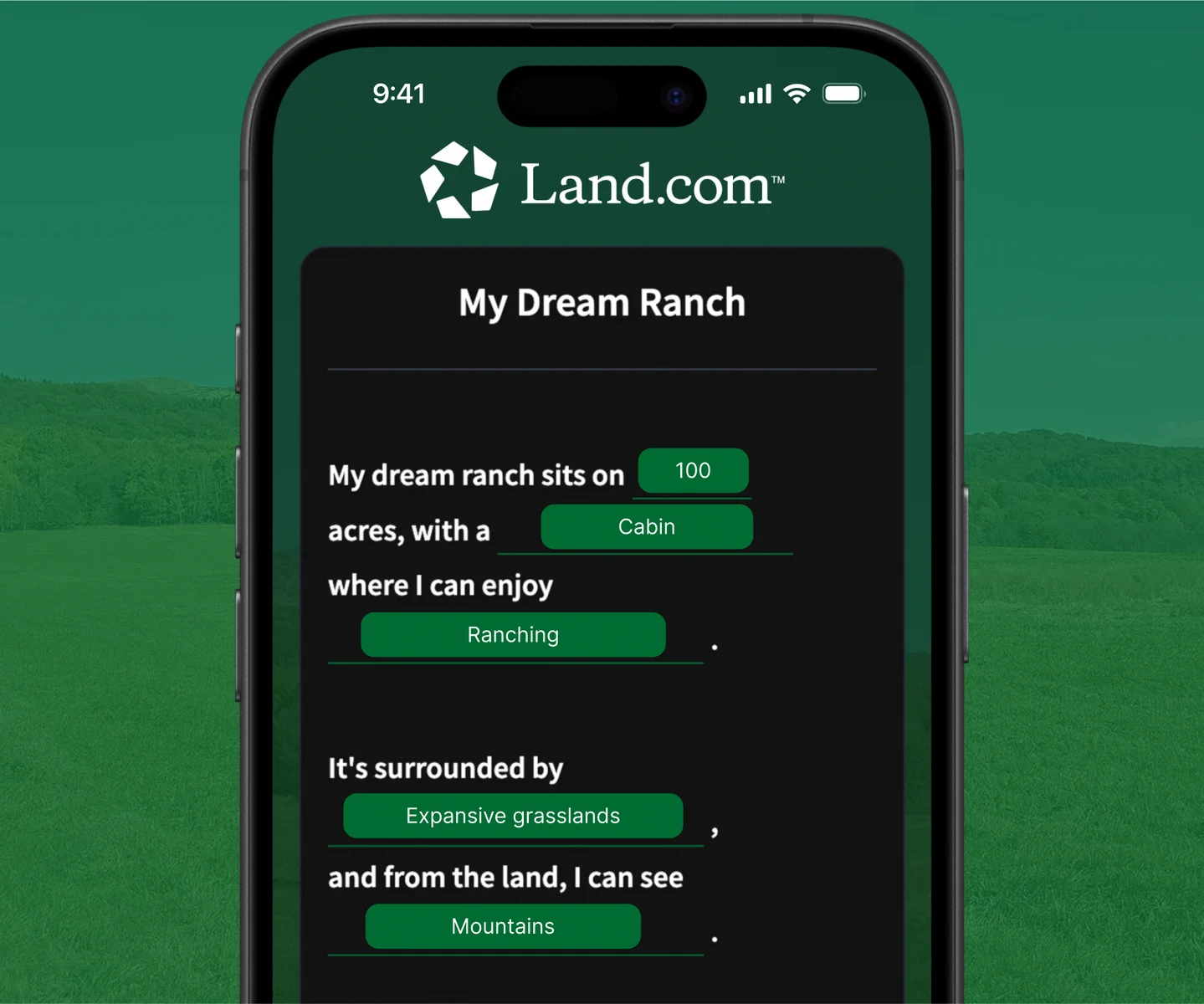
The structure stays consistent. You set the theme and the story template; the guest fills in the strategic blanks (their role, an industry prediction, a scenario, a hidden talent, whatever serves the campaign). Those answers feed directly into the prompt that drives the visual, so two guests starting from the same template walk away with two genuinely different results. The brand styling holds steady. The story, and the picture it produces, belongs to the guest.
How does an AI Stories activation work?
From the guest's side it takes under two minutes and runs entirely in a browser. There's no app to download and no dedicated hardware to ship. Here's the flow:
- Access. The guest scans a QR code or opens a custom-branded link on a phone, tablet, or event kiosk.
- Story. They see your branded story template with a handful of blanks and fill them in. Four fields across a few short screens is the sweet spot for in-person events.
- Capture. Each blank doubles as a lead-data field, and a quick photo step adds the guest into the result where the activation calls for it.
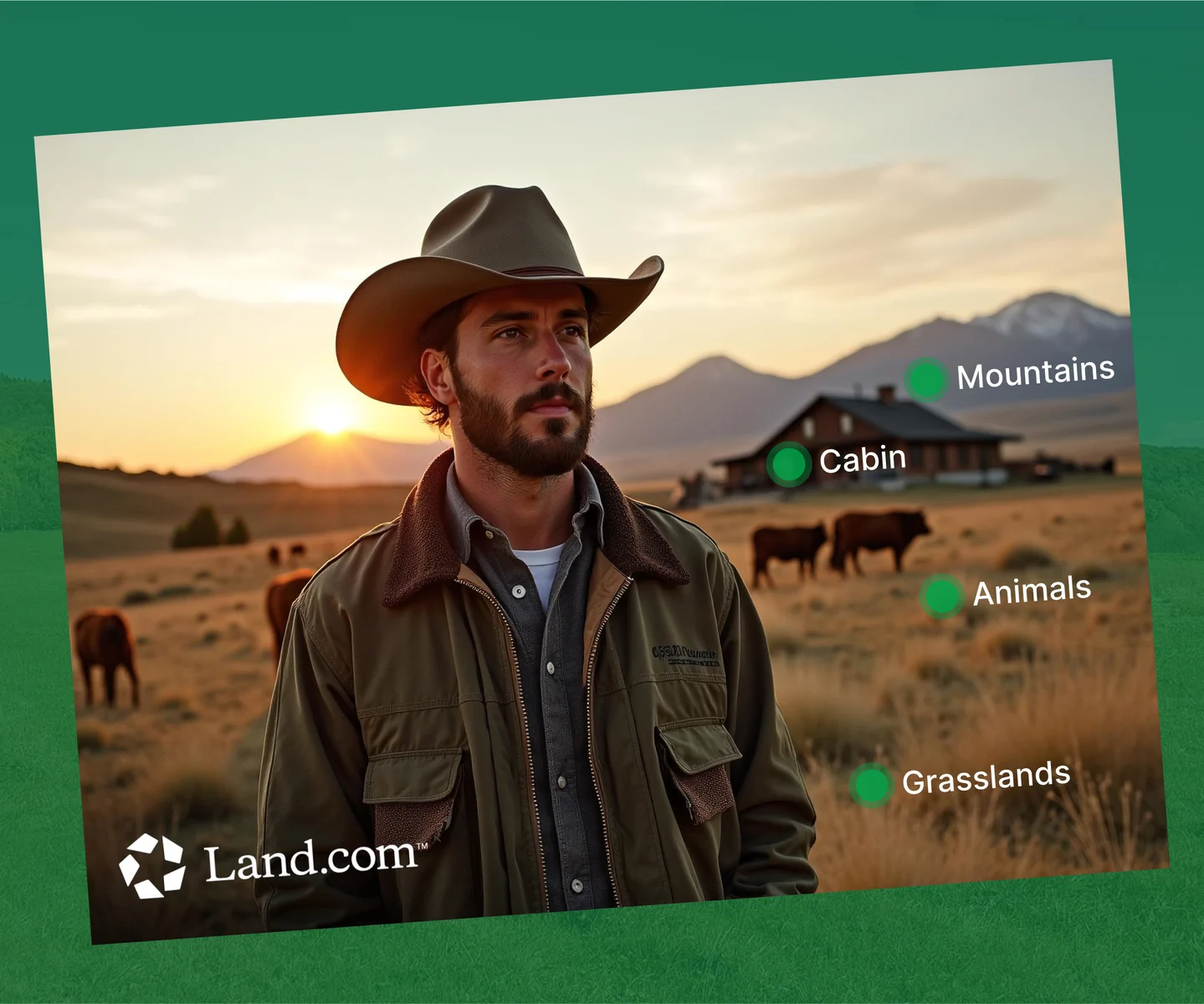
- Generate. AI builds a one-of-a-kind illustration from the guest's answers, rendered in the visual style you approved in advance.
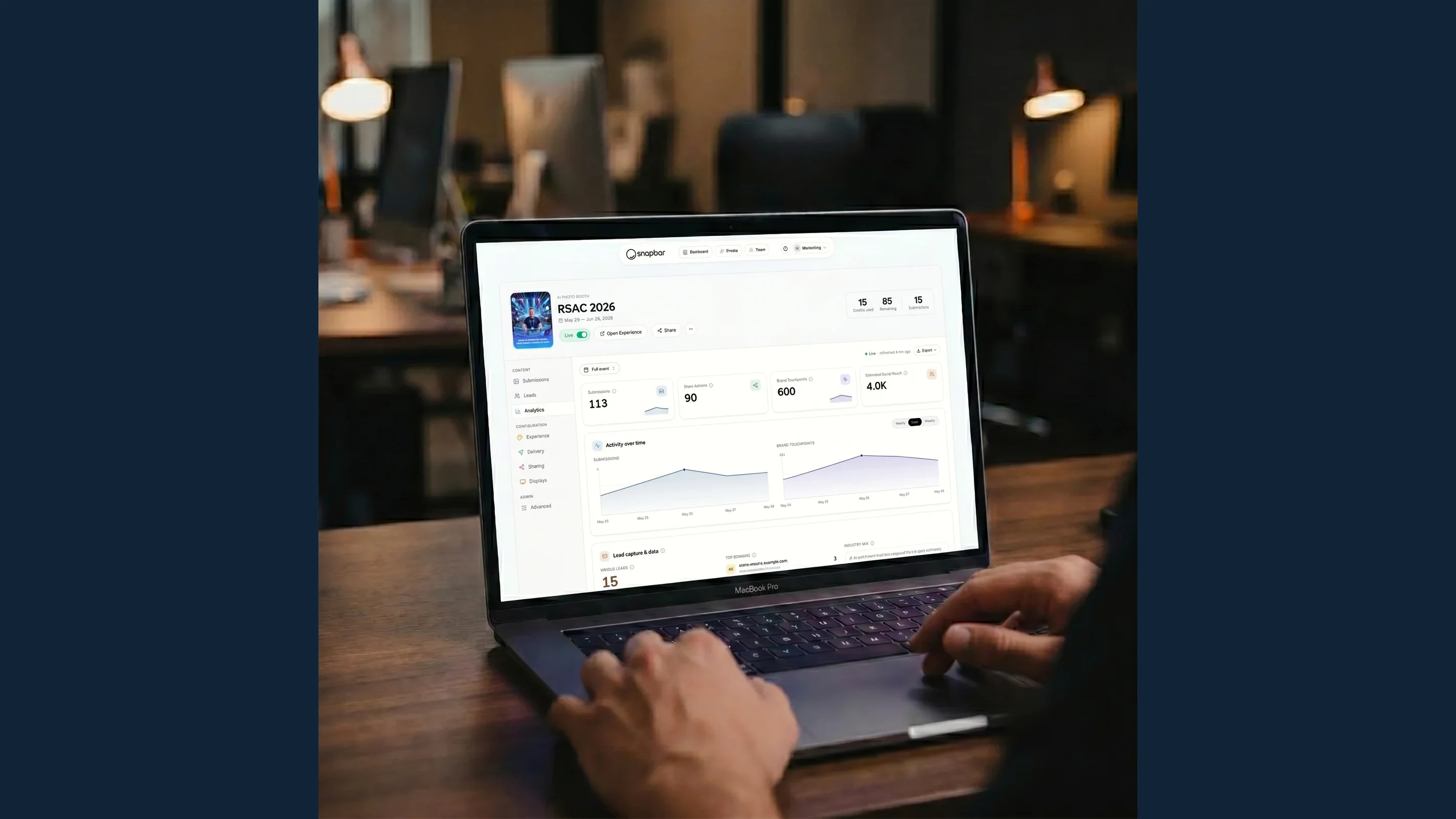
- Deliver. The output lands in the guest's inbox within seconds, populates a live gallery or slideshow on the floor, and flows into a dashboard your team can export.
Every Snapbar activation runs on the same generative AI platform. You can see that technology at work on our AI Photo Booth page, the flagship of the AI suite.
Why do story-based activations work so well?
Because the act of writing yourself into a story isn't a gimmick. It's one of the most reliable ways known to make a message land and stick. A guest who fills in your story does one small thing, and three separate strands of behavioral research show that one act pulling three levers at once.
| What it drives | The principle | Why it matters in an activation |
|---|---|---|
| Attention | Narrative transportation | When guests get absorbed in a story, your brand message lands instead of getting skimmed. |
| Memory | Self-reference effect | Information people relate to themselves is remembered better than anything else. |
| Ownership | The IKEA effect | People value what they had a hand in creating, so the output feels worth keeping and sharing. |
Put together, the picture is hard to argue with. The guest remembers the activation because it's about them, your message lands because they were absorbed in the story rather than skimming a banner, and they treasure the result because they helped create it. That's a lot of work for a format that takes under two minutes, and every bit of it depends on the guest doing the authoring rather than just standing in front of a camera.
The research behind this
- Self-reference effect. A meta-analysis spanning 129 studies found that information people relate to themselves is remembered better than information encoded any other way (Symons & Johnson, Psychological Bulletin, 1997).
- Narrative transportation. When people are absorbed into a story, their beliefs shift toward it and they evaluate what they encounter inside it more favorably (Green & Brock, Journal of Personality and Social Psychology, 2000).
- The IKEA effect. People place a higher value on things they had a hand in making, even when the result is amateur (Norton, Mochon & Ariely, Journal of Consumer Psychology, 2012).
What an AI Stories activation looks like in practice
Picture a B2B software company on a busy trade show floor. Instead of another bowl of branded pens, their booth runs an AI Stories activation built around a single prompt: "In 2030, my team's most valuable tool will be ___, and the skill we'll need most is ___."
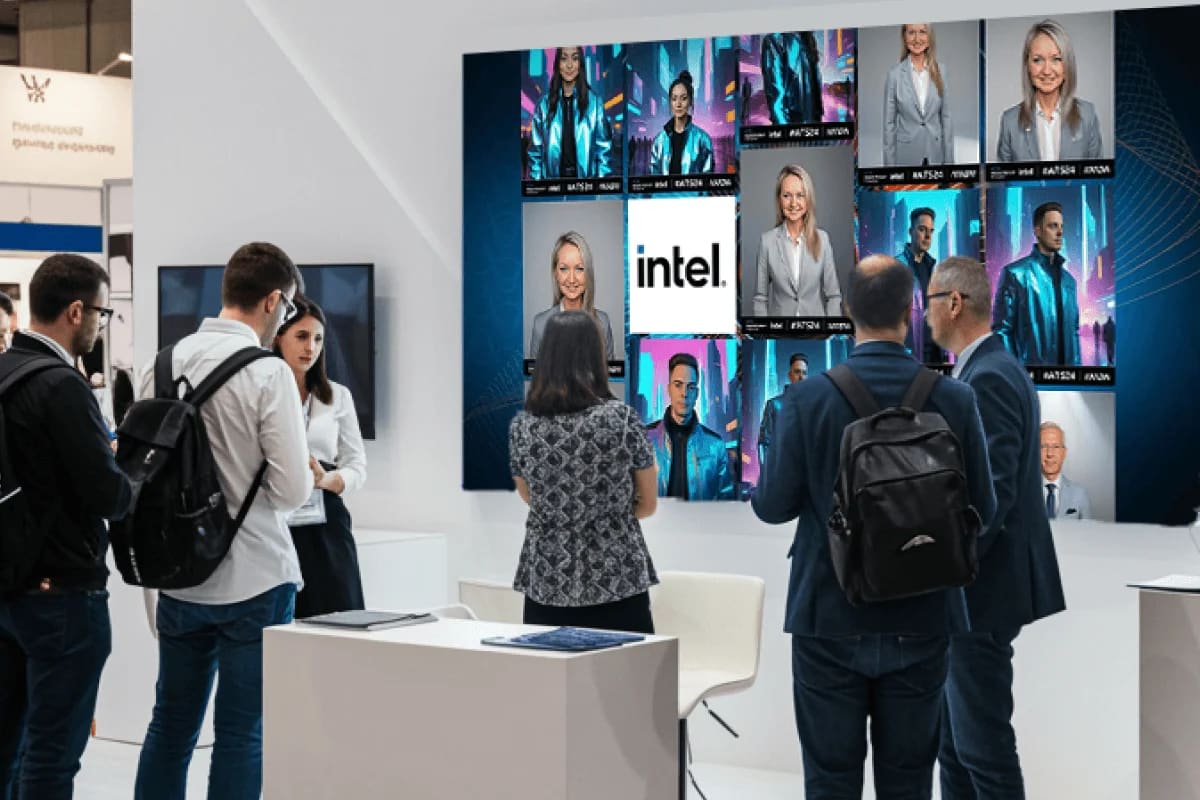
A guest scans the QR code, fills in their two answers and their role, and snaps a quick photo. A few seconds later they get an illustration of themselves in a confident, near-future version of their workplace, rendered in the company's brand style and shaped entirely by what they wrote. It lands in their inbox, and it appears on the big gallery wall behind the booth alongside everyone else's vision of 2030. People stop to read the wall. Some share their own to LinkedIn before they've left the hall.
Here's what the brand walks away with. Every guest handed over their role and two pointed answers about where their industry is heading, all structured and exportable straight into the CRM. The team has a wall's worth of shareable, on-brand content tied to real customer sentiment. And the booth became a place people lingered and talked, rather than walked past. One prompt did the work of a lead form, a content shoot, and a conversation starter at once.
How to design an AI Stories activation that works
The format rewards a little planning, and most of the value is decided before the event in how you write the story. A few principles separate an activation guests love from one they shrug at:
- Start with something the brand actually wants to say. The strongest prompts extend a real campaign theme, launch moment, or point of view. If the story ties to your narrative, every guest answer reinforces it.
- Keep it to about four blanks. Enough to make the output personal, short enough to avoid a line at the kiosk. Spread the blanks across a few clean screens so it feels like a quick story, not a survey.
- Write blanks that double as lead data. A blank asking for someone's role, their use case, or their biggest challenge personalizes the output and captures segmentation in the same motion. Storytelling and data capture stop being two separate steps.
- Constrain the blanks so outputs stay on-brand. Each blank's position in the prompt shapes what the AI generates, so the story template keeps results aligned to your visual direction even as the content varies guest to guest. The Snapbar team tunes that template with you before launch.
- Give it lead time. A clear prompt and a custom visual style, built and tested ahead of the event, are what turn the natural variation into content you're confident putting in front of a crowd.
If you want a head start, our activation concepts library collects story patterns that travel well across event types, from industry-prediction prompts for trade shows to "hero of the launch" storylines for product reveals and icebreaker prompts for networking events. If your goal leans more toward qualifying the room than telling a story, our companion guide to persona quiz activations covers a sister format that captures and segments leads through a quick branded quiz.
What you walk away with
Beyond a room of engaged guests, an AI Stories activation produces three assets a marketing team can use long after the event ends. The first is story-rich lead data: because every blank is a custom field, each guest hands you qualitative context alongside their contact details, the kind of segmentation your sales team can actually act on. The second is shareable, branded content, since every output is a personalized illustration tied to a story the guest told, which is exactly the kind of thing people post because it feels like theirs. The third is deeper engagement on the floor, because the story step asks for a moment of genuine thought and sends each guest home with something they helped make.
If you want to put numbers to that downstream effect, our guide to measuring event activation ROI covers tracking pipeline, engagement, and brand lift.
See it in action
Build your own AI Stories activation
Guests write themselves into a branded story and get a personalized AI illustration, while you capture structured answers. Explore example concepts and see how a build comes together.
Explore AI StoriesGetting started with an AI Stories activation
Most activations go from concept to launch in two to three weeks. The Snapbar team helps design the story template, tune the AI illustration style to your brand, configure lead capture, and test the whole flow before the event. On the day itself, setup is minimal: you share the activation link and you're live, with no hardware to manage and no on-site staffing required.
Have a story your brand wants to tell?
Explore AI StoriesOr see how it fits a live event: browse activation concepts | AI Video Booth