Table of Contents
Every event marketer has run an activation that pulled a steady crowd, and one where the aisle kept walking. When it's the second kind, the post-mortem usually blames the technology. The real reason event activations fail is rarely that. Our CEO, Sam Eitzen, names what actually goes wrong in the short video below.
Here's what Sam means, and what to check before the doors open.
Key takeaways
- Activations rarely fail because the technology broke. They fail on where they sit and why anyone would walk over.
- A line doesn't form just because something interesting is in the room.
- Plan where, why and how before the event, then watch the first hour to see which one slipped.
Why do event activations fail?
Most event activations fail on deployment, not technology. They sit where guests don't pass, or they never give anyone a reason to walk over. Sam is candid about it: "Not every event that Snapbar does goes well to be completely honest." When a client pushes back, though, "it's not usually because of our tech or anything going wrong, although of course that also can happen." What comes up instead, he says, is "the way that our tech is deployed at an event."
The technology still takes the blame, because it's the part with a vendor attached. If the tool is your worry, learn what to expect from an AI activation early, and give the rest of your prep to the floor.
Why doesn't a good activation draw a line on its own?
Because guests are busy with something else. Sam describes the common assumption that "lines will magically form and people will leave their groups of friends and kind of wander towards the photo experience" like "bugs to a light. That just doesn't happen."
Attention research shows why. In a well-known study by Daniel Simons and Christopher Chabris, viewers counted basketball passes in a video while a woman with an umbrella, or a person in a gorilla suit, walked through the scene.
46%
of 192 observers failed to notice the unexpected event while they focused on counting. Source: Simons and Chabris, "Gorillas in our midst," Perception, 1999.
Being close to where viewers were looking didn't help. The authors concluded that people attend to "objects and events, not spatial positions." An activation a few feet from a crowd can still go unseen if nothing connects it to what that crowd is doing.
What are the most common brand activation mistakes?
Sam's list of what still has to be planned is short: "strategic placement and incentives for why people should engage, how they should interact, where they need to go to do that are still incredibly important." Each part fails in a way you can spot.
- Where: it sits off the path. Planners' assumptions about how people move are often wrong. When researchers tracked shopping carts with RFID tags, the real paths dispelled common assumptions about aisles and end-cap displays. Base activation placement on the routes guests actually walk; a corner behind a pillar is a detour most won't take. At a conference, see where to put an activation so guests pass it.
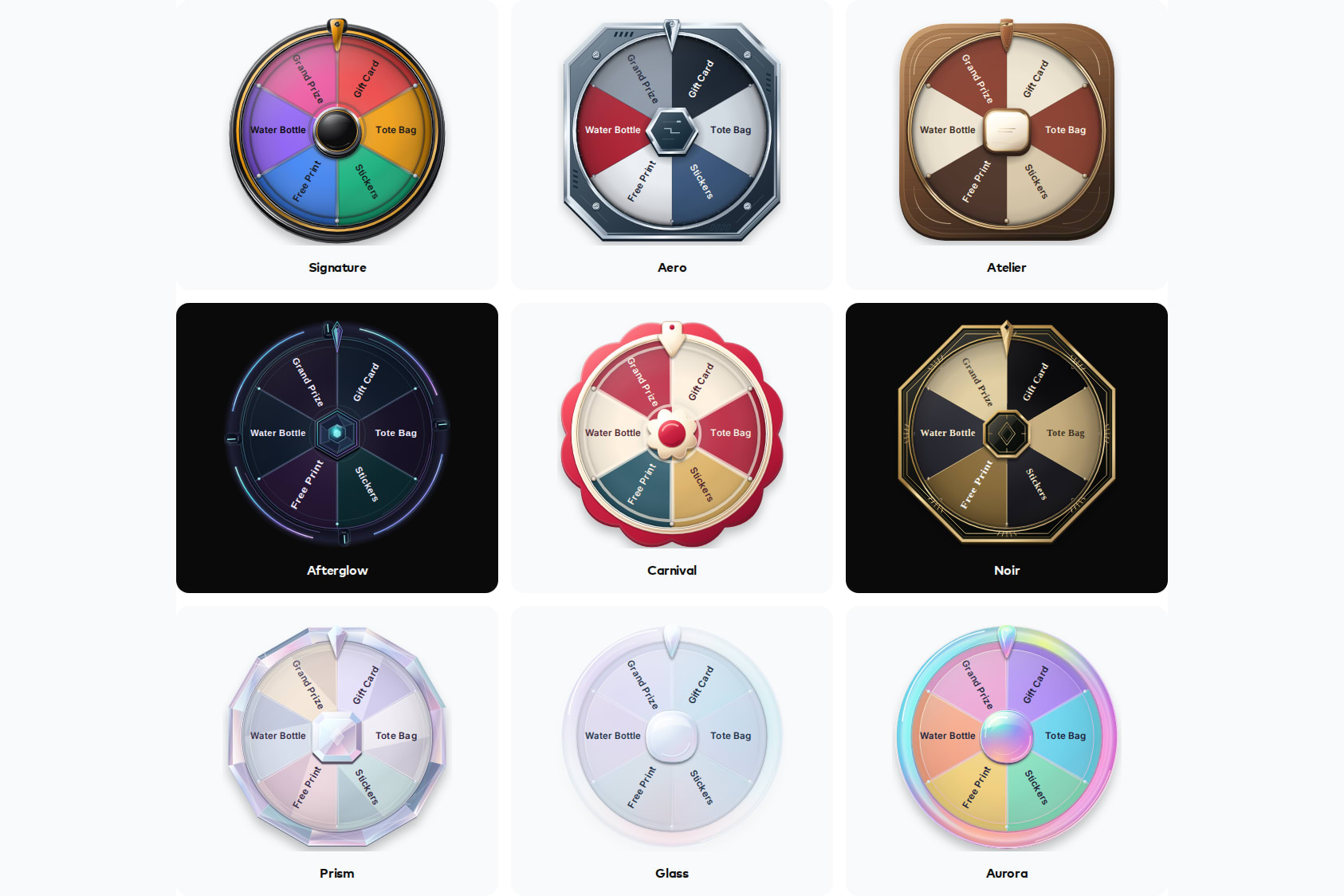
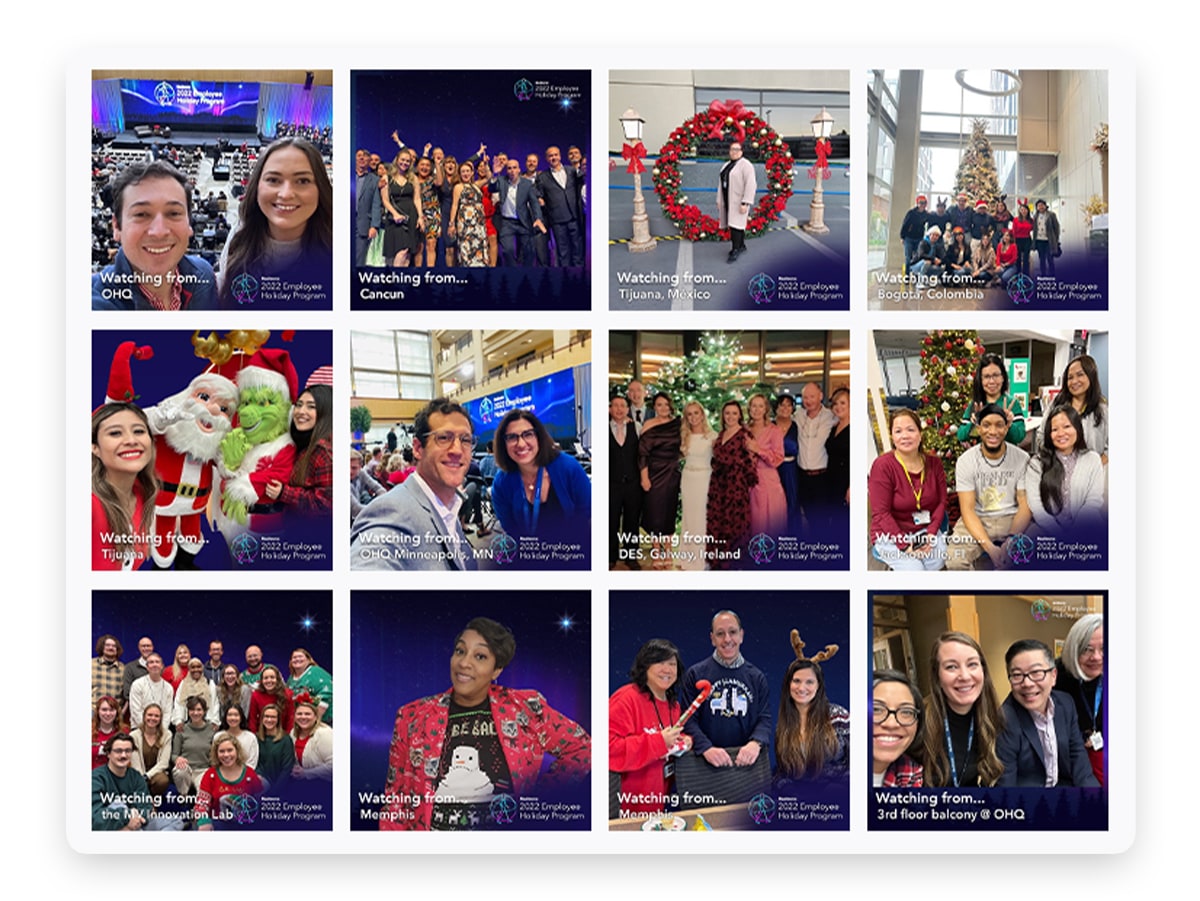
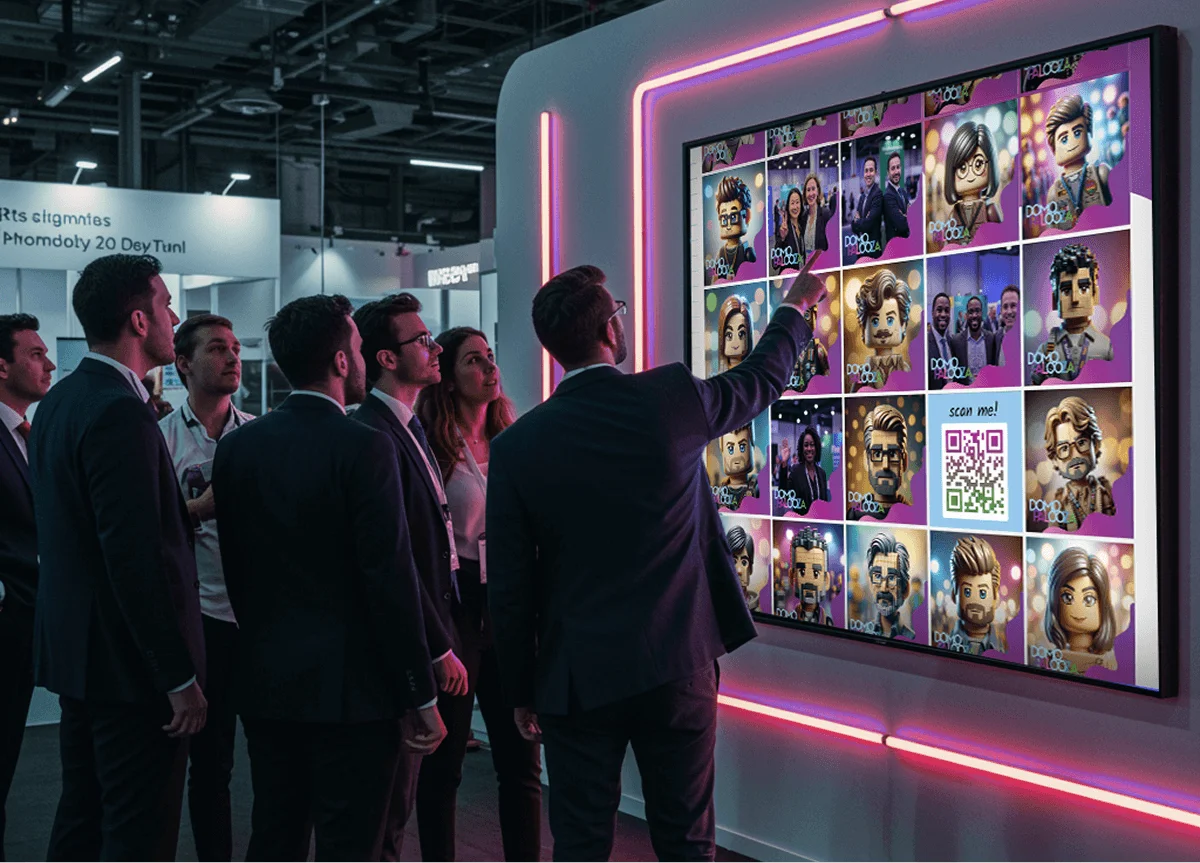
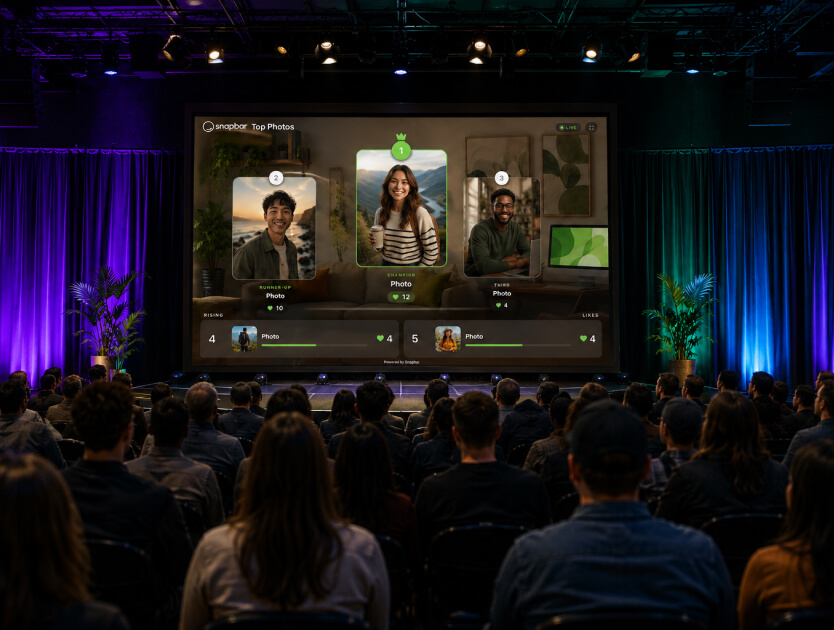
- Why: there's no clear reason to stop. There are two ways to give guests that reason: let them create something, or give them something. If guests create, show what they made where the aisle can see it; a live gallery, a slideshow and a leaderboard come with every activation, and how to draw a crowd at your trade show booth covers the rest. If you're giving, a prize wheel that puts swag in the right hands makes the reason visible.
- How: guests can't tell what to do. A scan code with no instruction asks people to solve a puzzle in public. Most won't.
- Prep: the tool gets the attention. We've seen teams test an experience for weeks and pick its spot at load-in. That order is backwards.
None of these event activation mistakes needs a new tool, only a decision made before load-in.

Did easier technology fix any of this?
No. Sam says it was "one of the number one reasons" for pushback "before we had a software platform," and that placement and incentives "still are incredibly important even though everything that we do now is software-based and the experiences are pushed on and run by our clients on site at events all over the world."
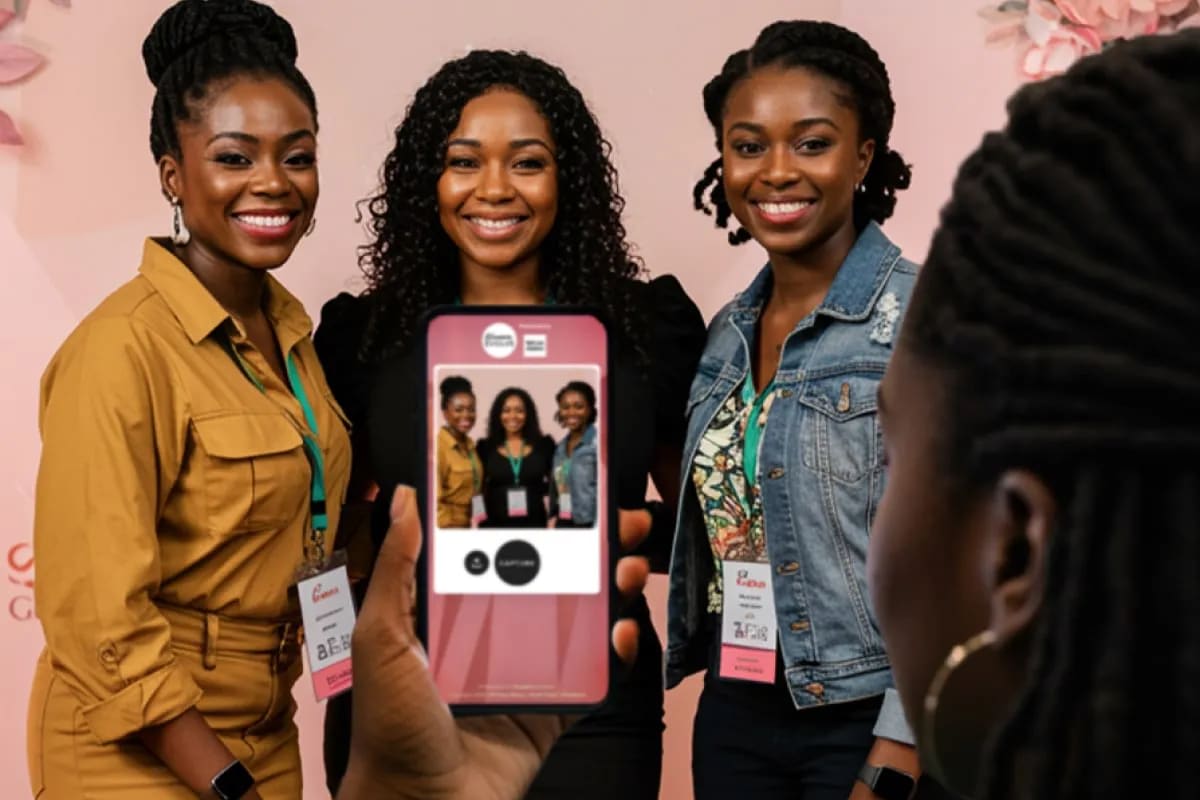
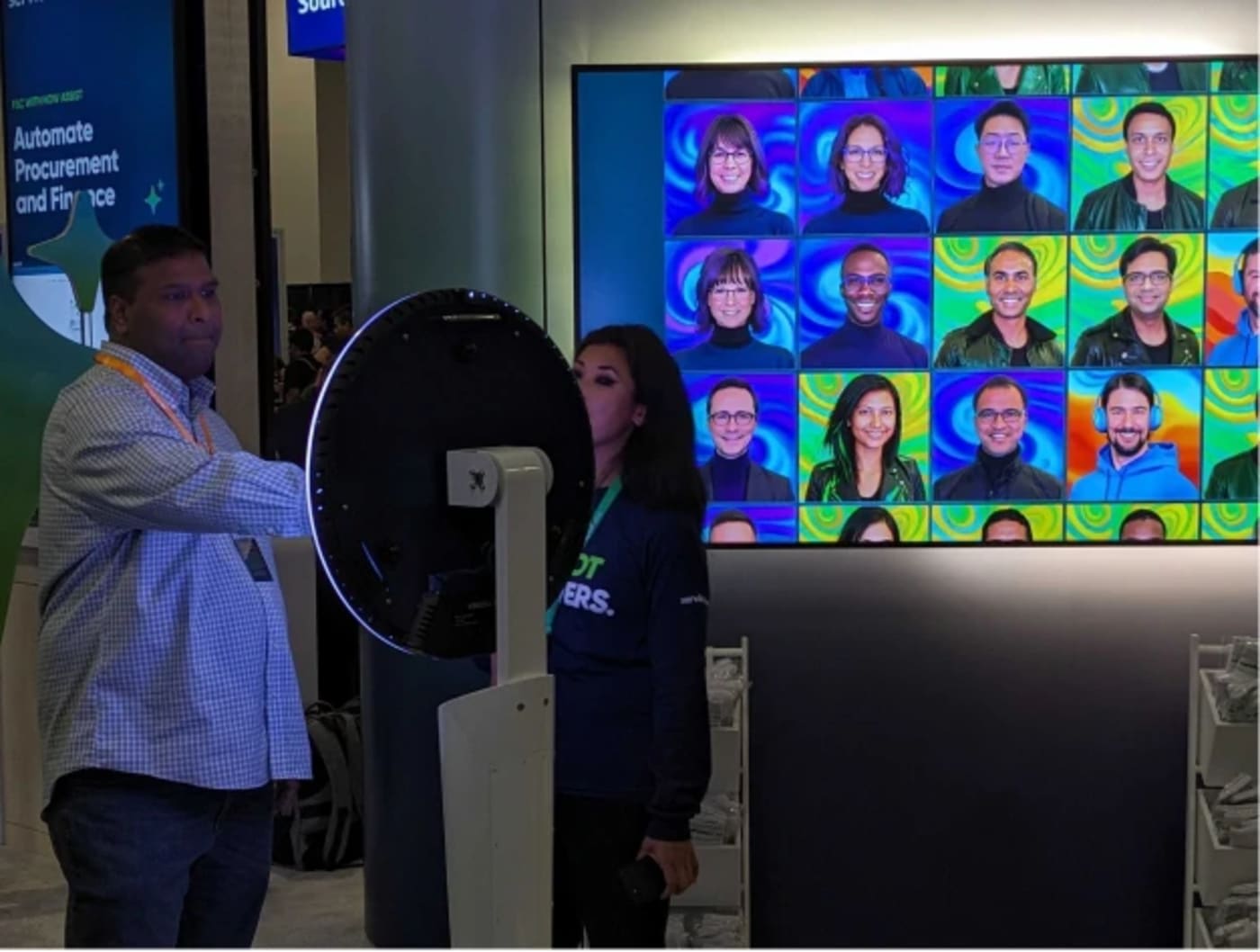
Setup is easier now. The same experience can run on a kiosk, an iPad on a stand, a laptop or guests' own phones by QR code, all at once if you want.
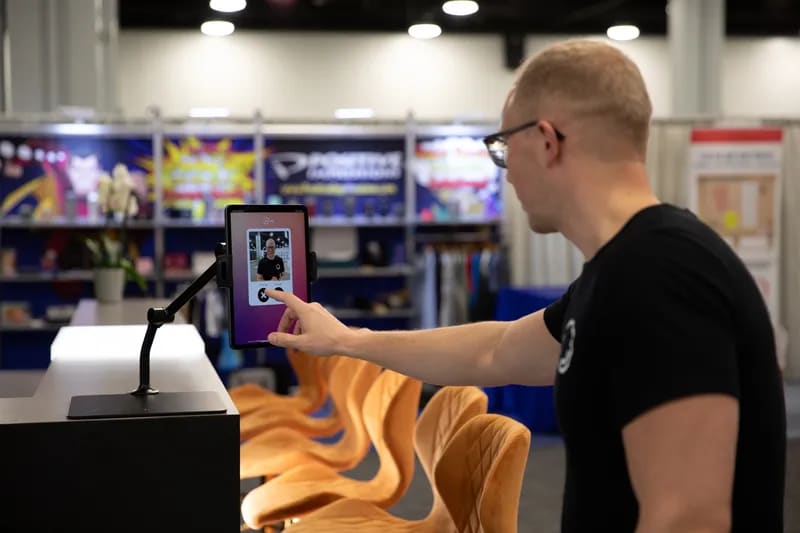
None of that decides where the screen faces or why someone walks over. Those are your team's calls. For formats built around a reason to walk over, see our brand activation ideas.
How do you tell which failure you're looking at?
Watch the first hour and sort what you see. If people never pass it, that's where. If they glance and keep walking, that's why: nothing told them what they'd get. If they stop, hesitate and leave, that's how.
Decide beforehand what a good hour looks like, so you're diagnosing against a target, not a feeling. Here's how to measure event activation ROI and set those targets.
Want your next activation to draw the line it deserves?
Get a QuoteOr explore: Live Gallery | Activation Concepts