Table of Contents
Most event teams have the front half of event content capture figured out. You have picked the activation, booked the space, and you know how many people will walk through. What goes unplanned is the twenty seconds after, and that is where the content stops moving.
Sam Eitzen, our CEO, describes a good activation as a loop rather than a line: a guest makes something, the platform turns it into something worth keeping, and other people seeing it brings the next guest over. Here is his short version.
That loop has a name, and each step depends on the one before it.
Key takeaways
- A guest captures a moment, the platform processes it, and the display sends it back to the room. That is the participation loop.
- Delivery reaches the guest by email or text, so the content leaves with them.
- The display is not decoration. It is what recruits the next participant.
- One weak step stops everything downstream.
What is the participation loop, and where does event content capture fit?
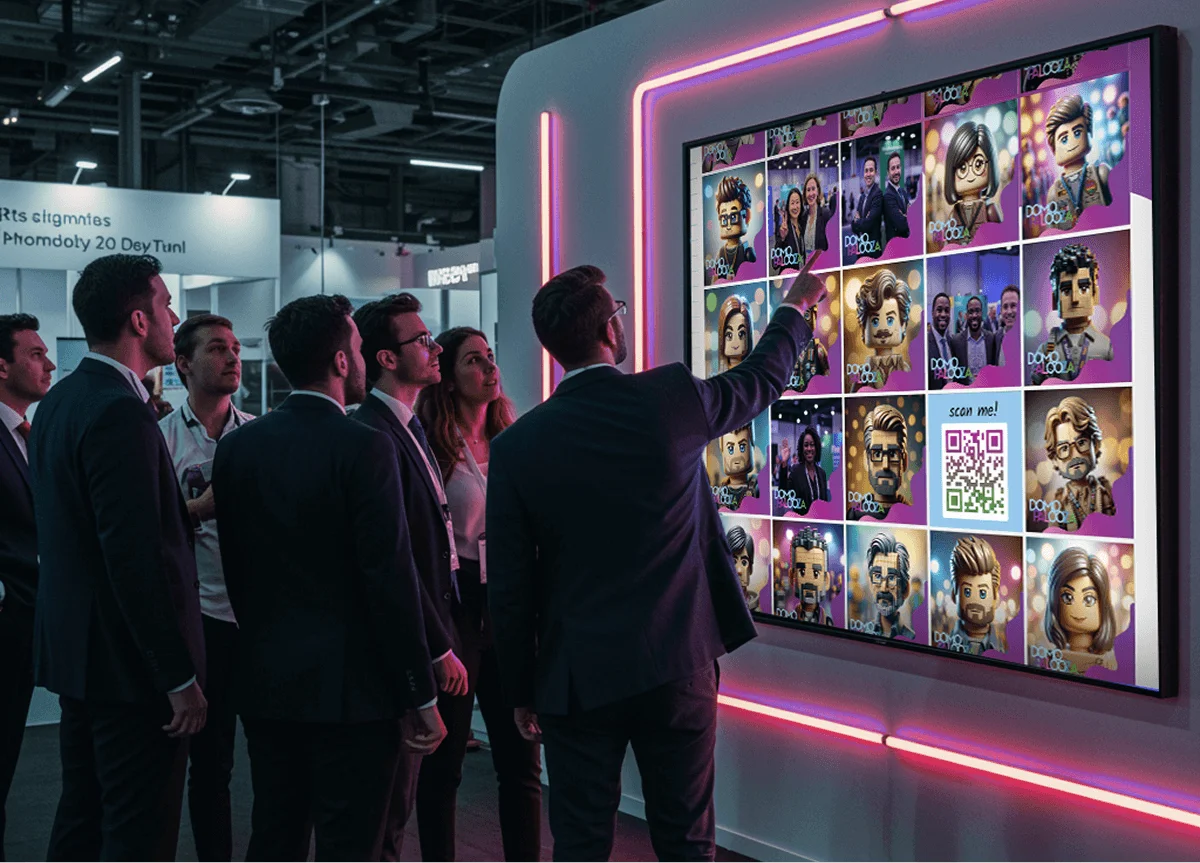
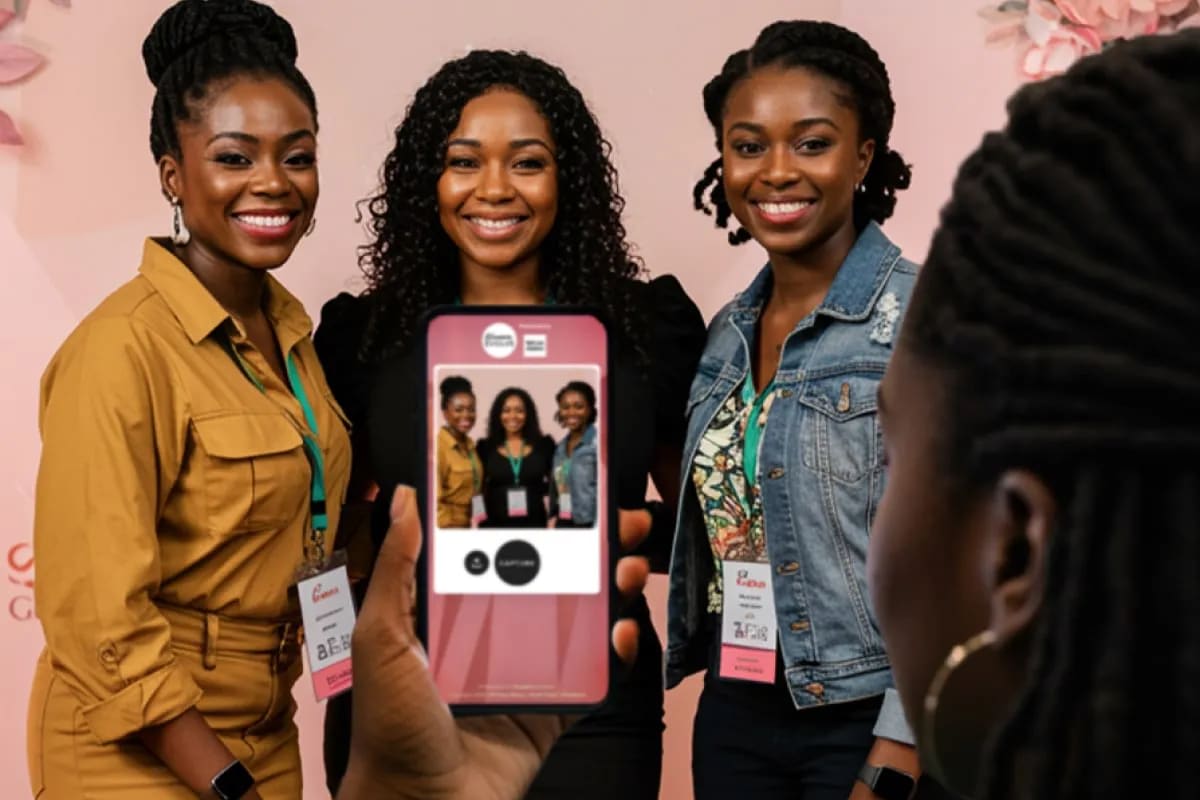
The participation loop is the shape every experience runs on, and the shortest answer to how brand activations work: a guest captures a moment, the platform processes it, and a display sends it back out to the room.
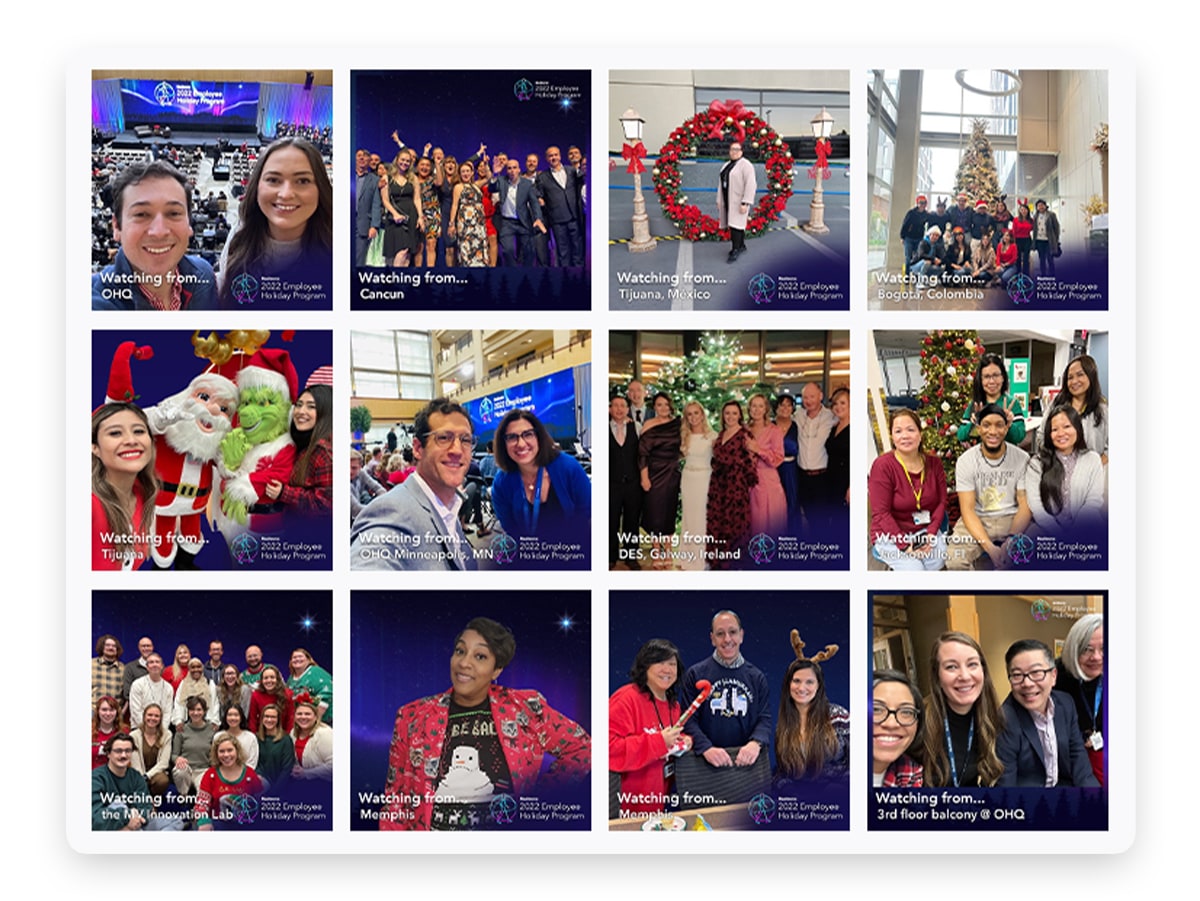
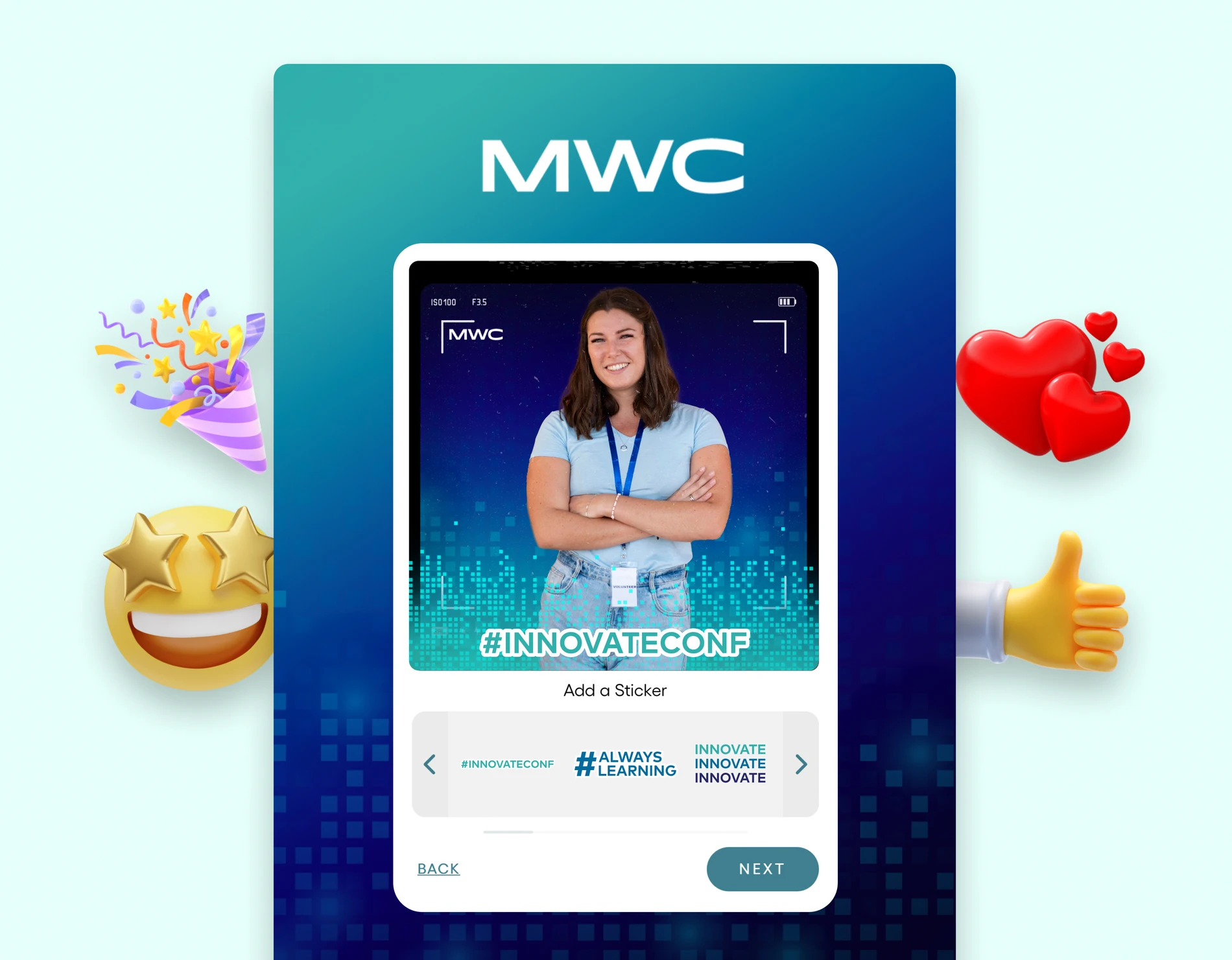
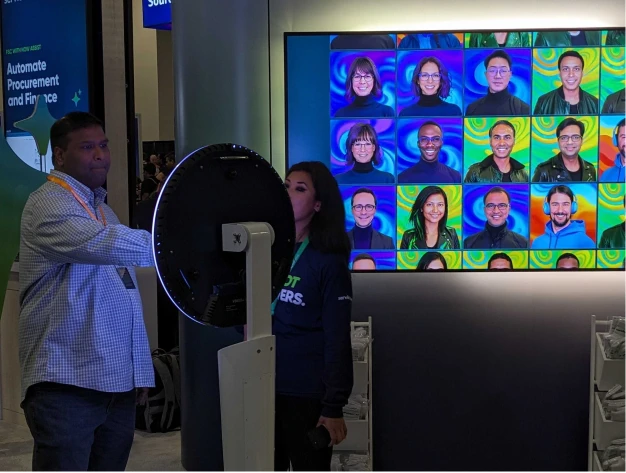
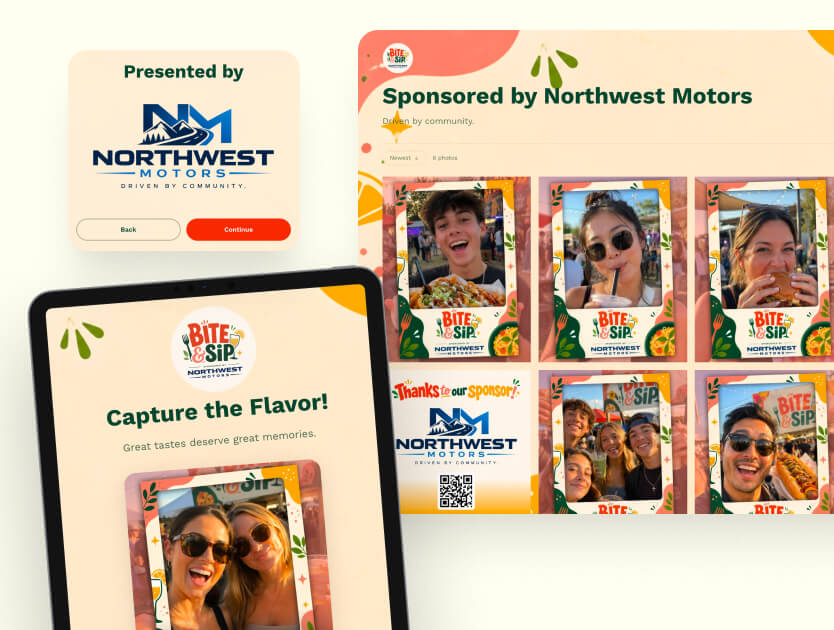
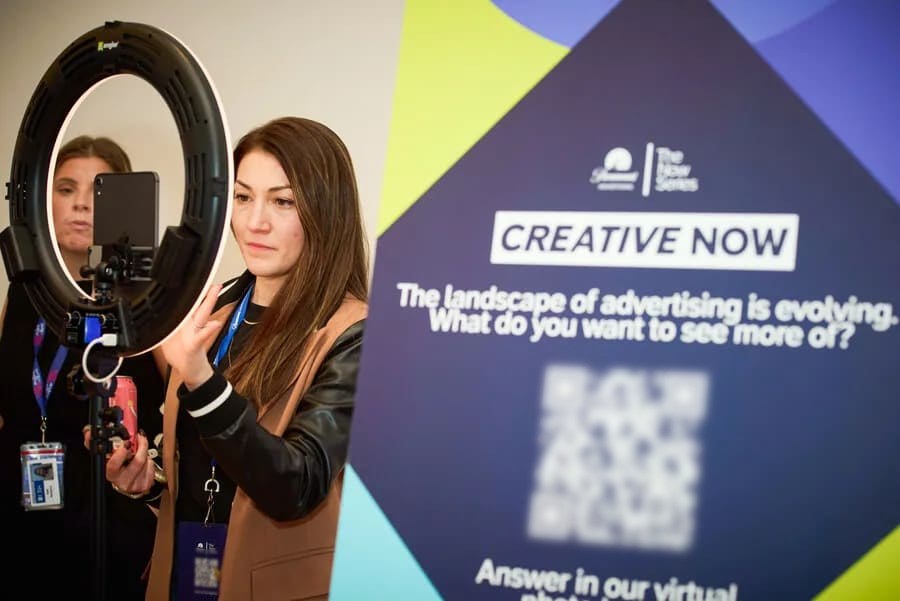
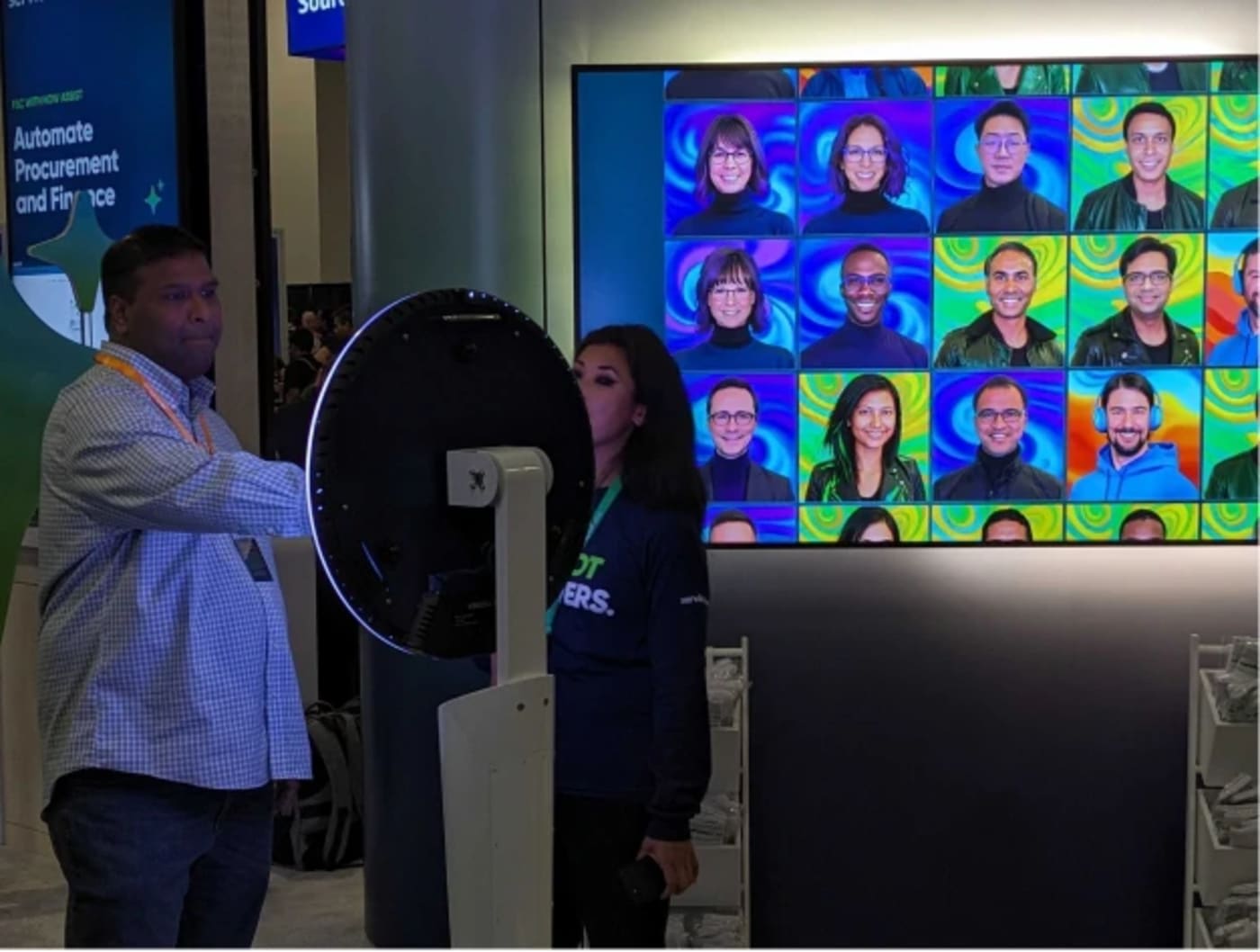
Capture is whatever sits in front of the guest: a kiosk, an iPad on a stand, a laptop, their own phone by QR code, or several at once. Process turns it into something branded they want. Display happens twice, because the content reaches the guest by email or text and a copy goes up on a screen in the room.
Then it starts again with whoever watched. That is what earns the word loop, and why an activation can do one job well and still produce nothing: photo and video as a lead engine.
Why does the process step decide whether anyone shares it?
Because a plain photo of yourself at a conference is not something most people want to post. It is also the step that gets cut first when a budget tightens.
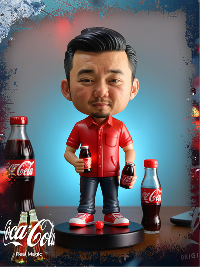
Sam has watched it go both ways for years. "When we ran non-AI photo experiences, and we still do, people sometimes respond more negatively because they're like, I don't want to see myself today... but they love the way they look when they're a cute little AI cartoon character."
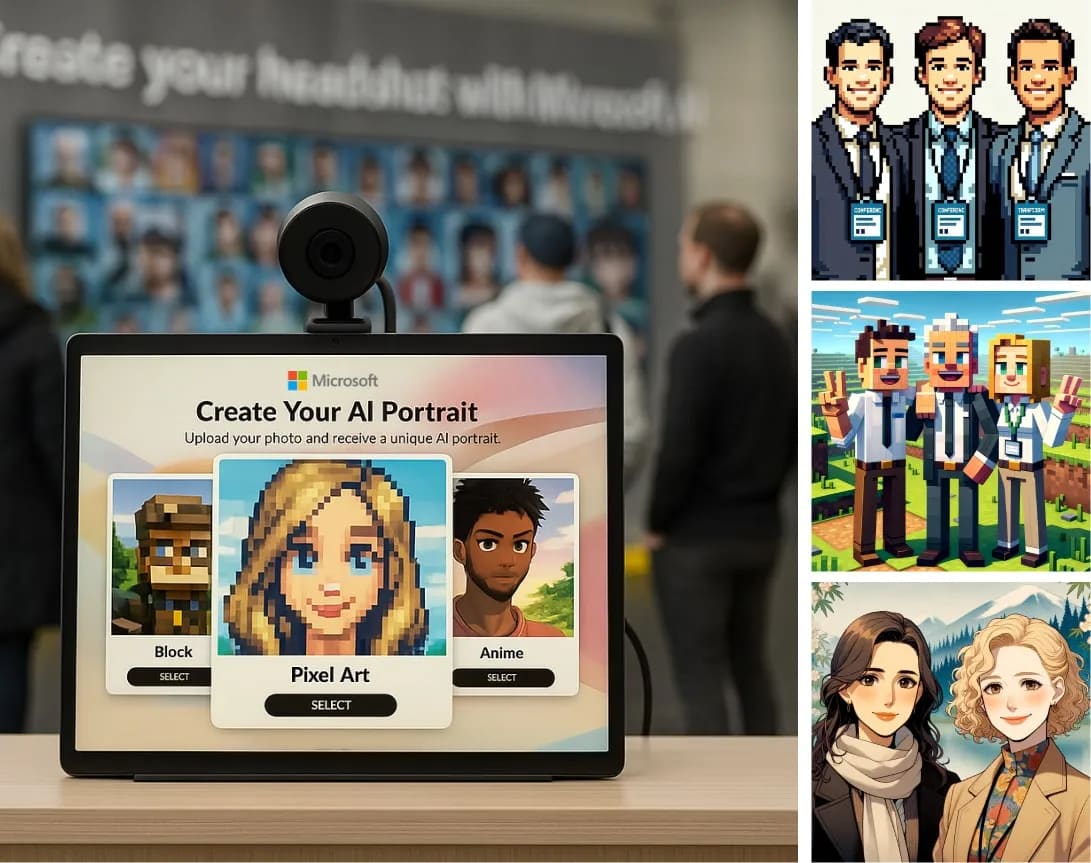
Same guest, same camera, different output, completely different willingness to post it. The process step decides whether the capture ever leaves the room. More on the format: what is an experiential photo booth.
Why does sharing bring the next guest in?
Because people talk about what they can see. Jonah Berger and Eric Schwartz found it in everyday word of mouth across hundreds of consumer products.
Interesting gets talked about today. Visible gets talked about for months. More interesting products drew more immediate word of mouth, but no more ongoing word of mouth. Publicly visible ones drew both. Berger and Schwartz, Journal of Marketing Research, 2011.
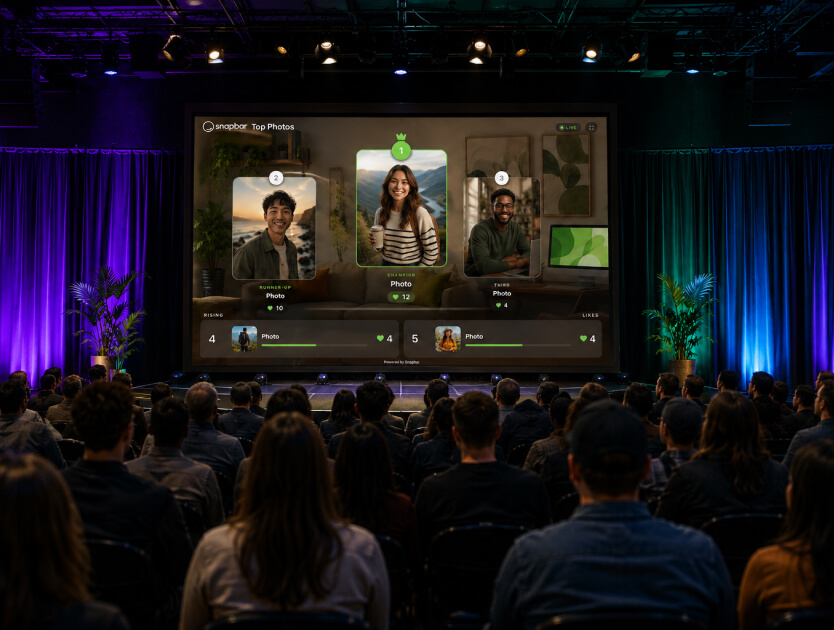
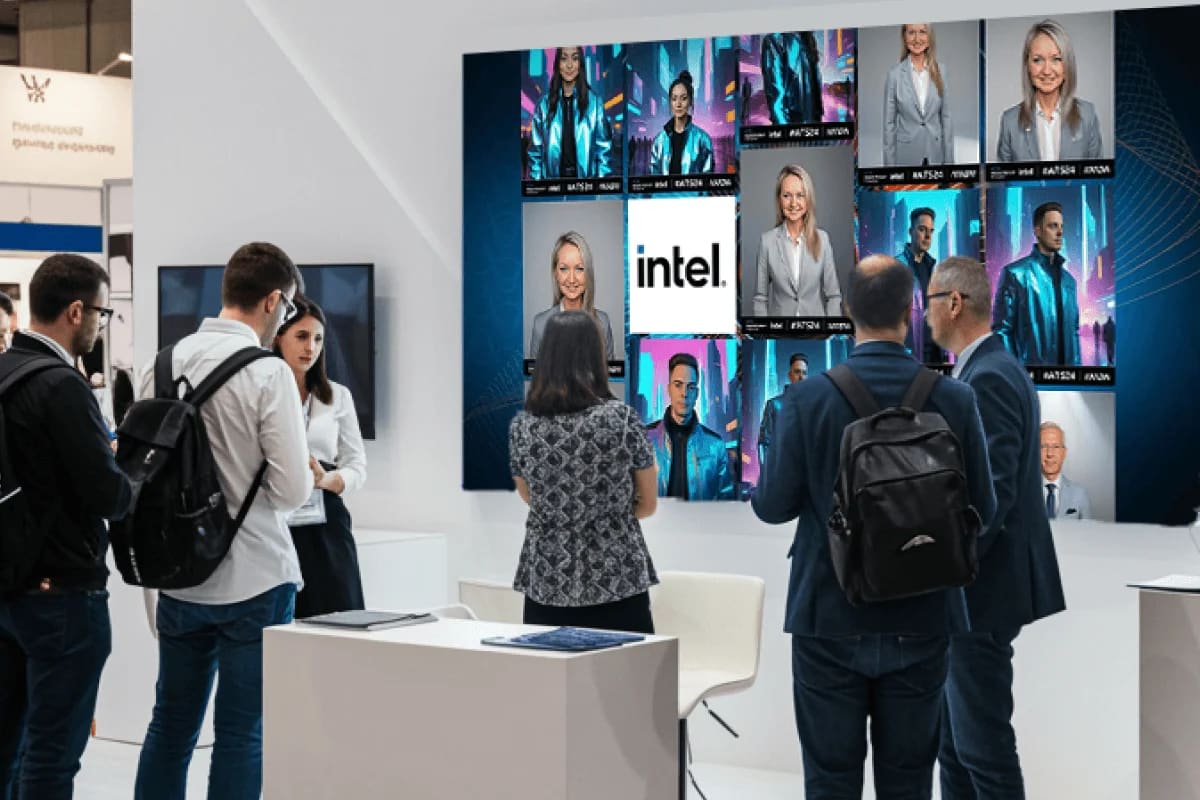
That is the display's job. A live gallery, a slideshow and a leaderboard come with every activation, and you can run as many of the included displays as you like, so a guest's content is up on the live gallery before they leave. When Salganik, Dodds and Watts ran 14,341 people through an artificial music market, seeing what others had downloaded changed what people chose. That result is about unequal outcomes, not turnout, but visible participation is clearly not neutral.
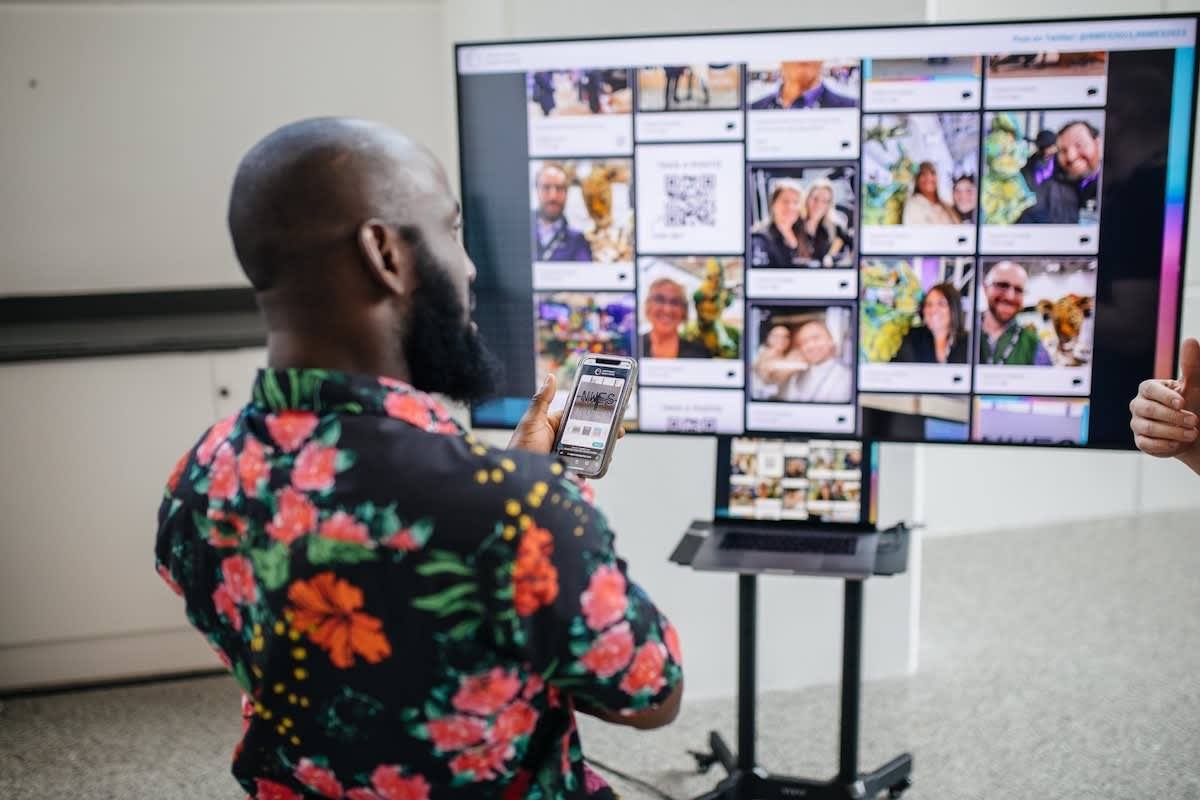
Sam's account of a World Cup fan zone is the loop in one breath. "The brand immediately displays the imagery... so that people are like, oh my gosh, look at that. I want that as well. And the cycle continues."
What breaks a participation loop?
One weak step, and nothing downstream happens. A capture nobody can reach is the first failure. "If there's one iPad or even a couple iPads amongst thousands and thousands of people... people don't like that," Sam says. A scan code on the signage often matters more than the hardware. The second hands back something forgettable. The third is content that never arrives, which has its own article.
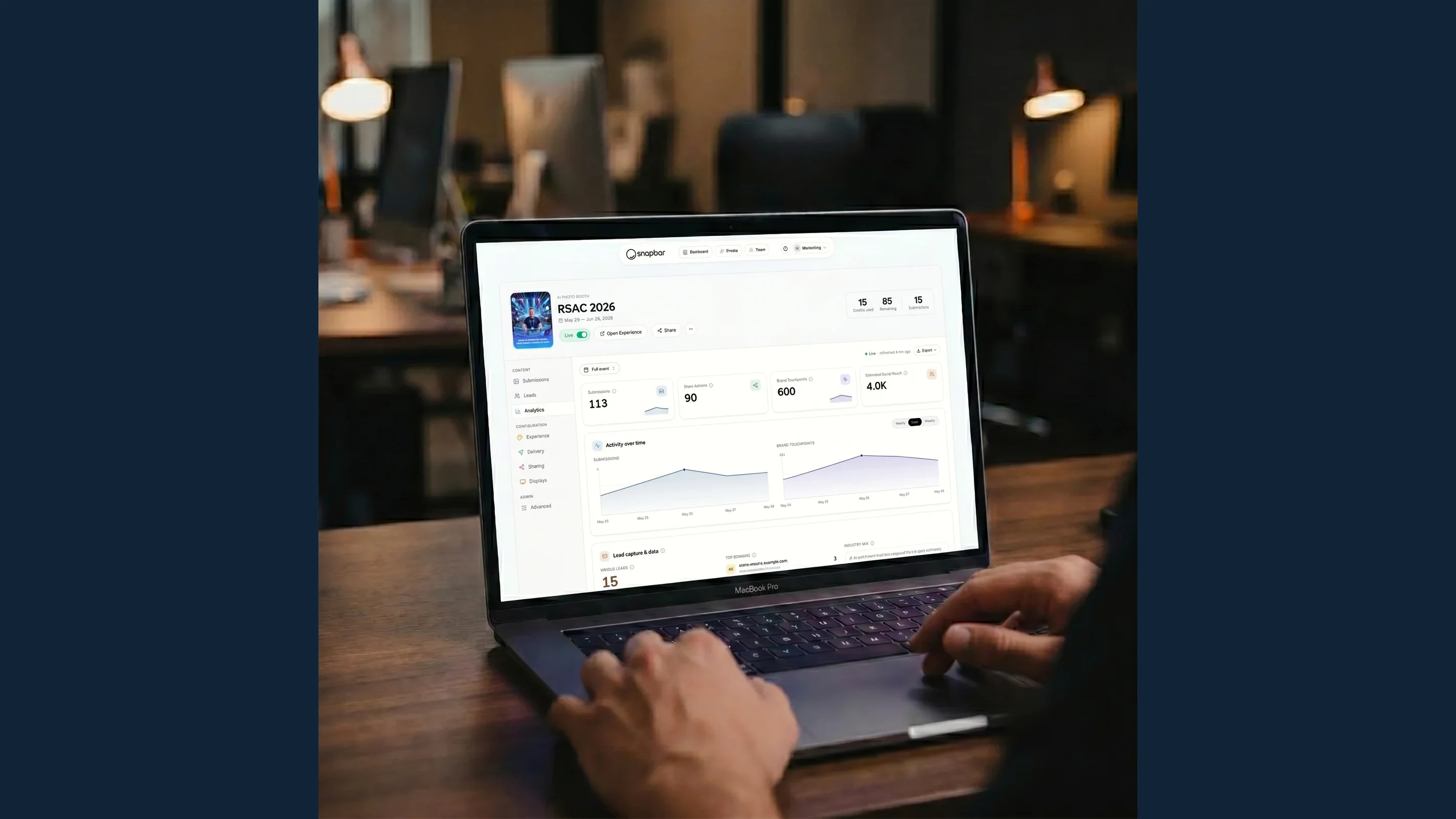
Two adjacent problems are worth ruling out. If nobody stops at all, the break is at the door, not in the sequence: why event activations fail. If the content arrives and nothing happens to it, the gap is in your event content strategy: UGC at events. Knowing which one failed means measuring activation ROI against a target you set beforehand.
Does the loop work without photos?
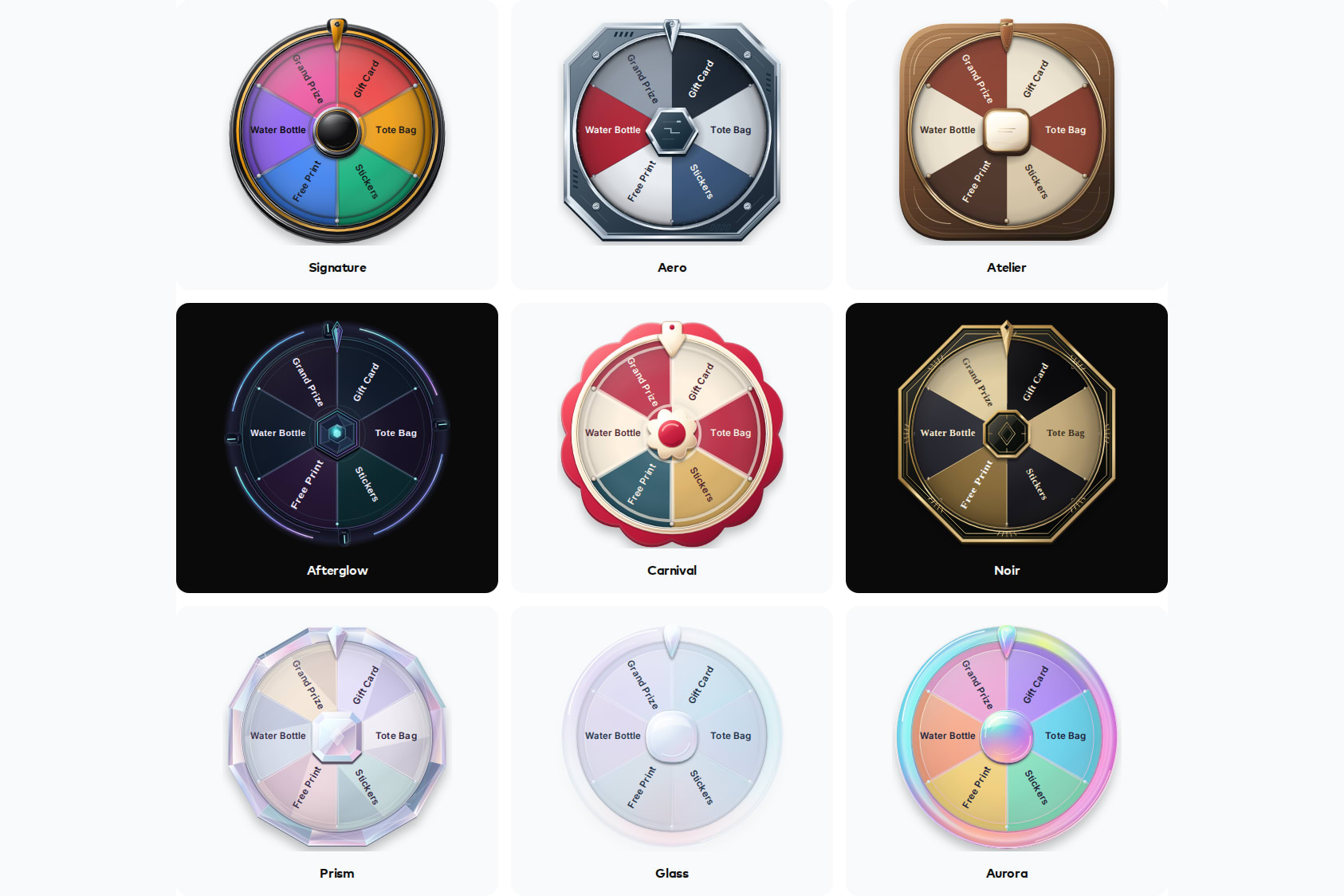
Spin to Win is the clearest proof that it does. A guest enters their details, spins a branded wheel, and the result is theirs. Prizes carry real odds, a prize that runs out hides itself from the wheel, and in Big Screen and Phone mode the wheel plays on the display while guests spin from their phones. The same sequence, without a camera: the guest takes part, the platform resolves it, and the wheel on the big screen pulls the next person over.
An activation is not a set of separate purchases at the same booth. It is one sequence where every step pays for the next, and the real question for post-event content is which step you underinvest in.