
Table of Contents
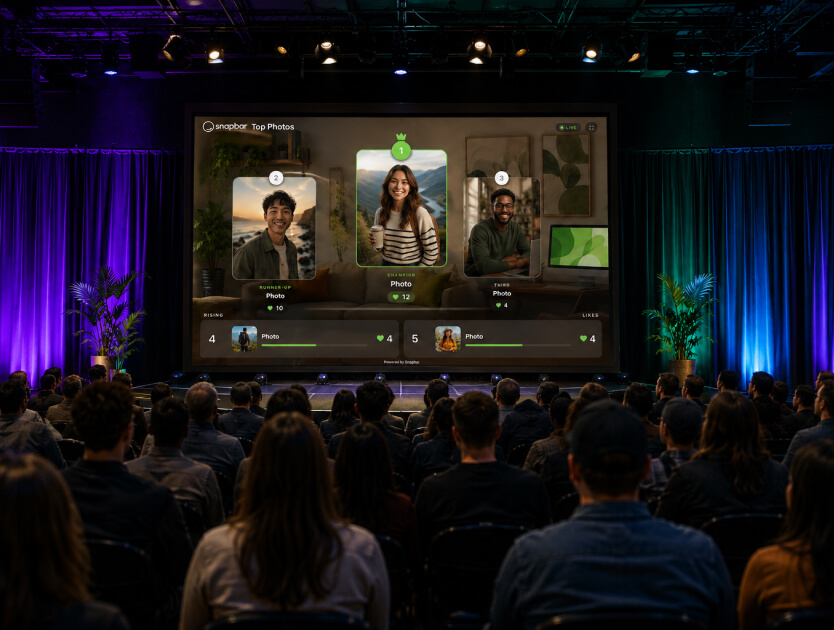
You've run booth contests before. A fishbowl of business cards, a spin-to-win, a raffle drawn at four o'clock. Most trade show booth contest ideas share one flaw, and it has nothing to do with the prize: from the aisle, nobody can tell a contest is happening. This play fixes that. Guests make something at your booth, the crowd votes on it, and a live leaderboard keeps score on a screen the whole show floor can see.
One mechanic, one format, one goal. The goal is booth traffic, and this is the one contest we've found that advertises itself.
Key takeaways
- The play: guests create content at the booth, guests and passersby vote from their phones, and a live leaderboard on a big screen shows the race as it happens.
- The dashboard reports participants, votes cast, and leads from the data capture step. It does not report the aisle traffic that never scanned.
- The prize's job is commitment, not value. Being on the screen is most of the reward.
- This is not a display comparison. For which display fits which booth, read our guide to comparing photo booth software.
What is a leaderboard contest at a trade show booth?
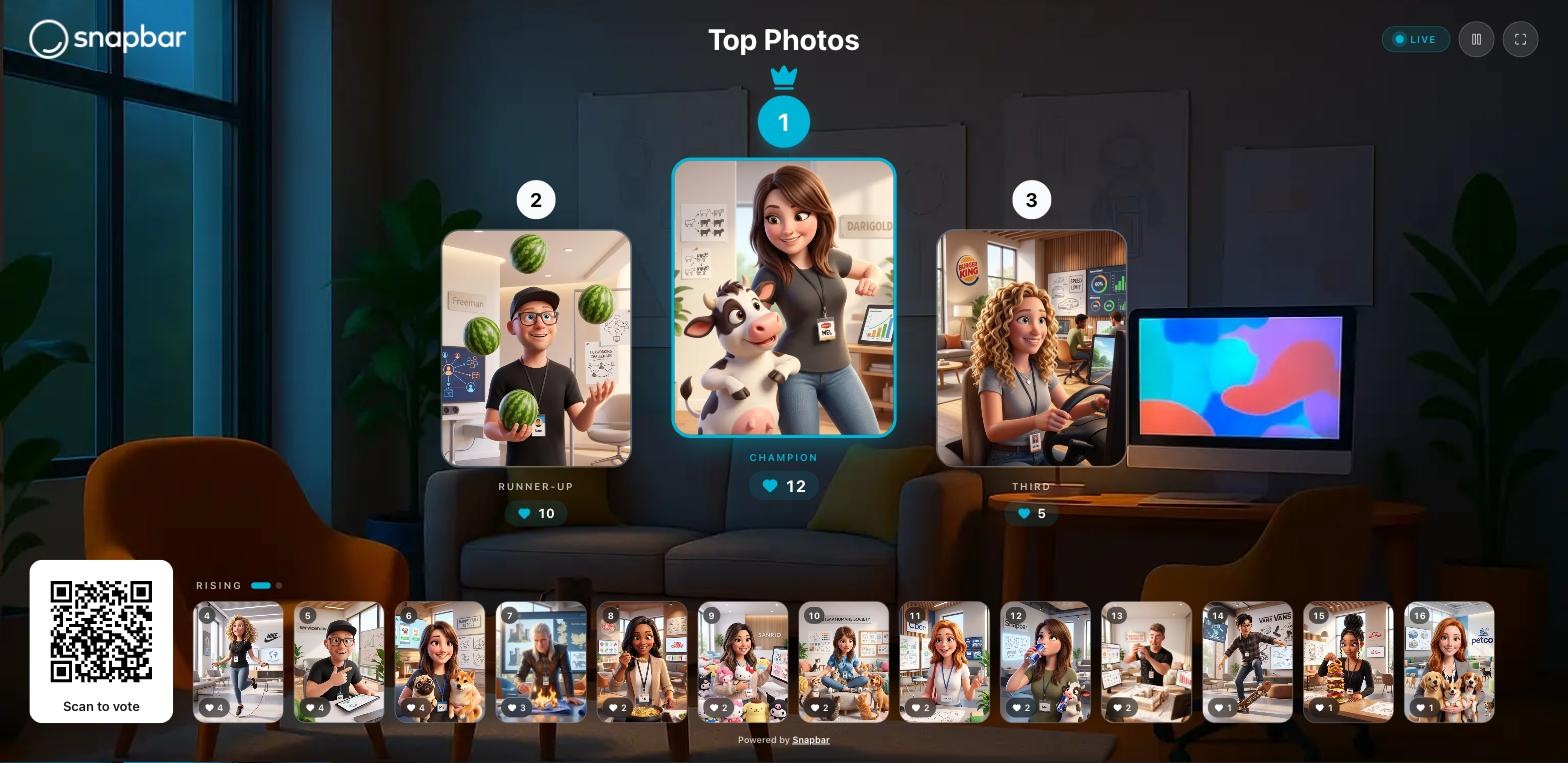
A leaderboard contest is a trade show booth contest where guests vote on each other's content and a screen ranks the entries live. Guests tap a heart on the entries they like in the gallery. The leaderboard display rotates through the front runners in a podium layout built for big screens, and the ranking updates as votes come in. The room watches the race instead of waiting for a winner to be read out.
The half that makes it a booth-traffic device shipped later. The leaderboard display now carries a scan-to-vote code. Someone walking past sees the podium, scans, lands in the gallery, and votes from their phone without ever having captured anything. The rank badges were redrawn too, so second and third place read from across the aisle. A scoreboard became an invitation.
Every gallery on the platform can run as a contest, whatever experience feeds it, and we can turn the leaderboard on for any activation. How the board sits next to a slideshow or a mosaic wall is a display question the comparison hub covers. Here the leaderboard is one part of a play, and we stay on the play.
Why does a crowd-voted contest draw a crowd?
Because a crowd is the best signage a booth has, and a voting contest manufactures one on purpose. People in an aisle are deciding where to slow down, and the strongest cue they have is other people already stopped. The leaderboard gives them something to stop for that reads from a distance: faces they may recognize, a ranking, a race.
4% to 40%
When one person stood on a Manhattan sidewalk staring up at a sixth-floor window, 4% of passersby stopped beside them. When fifteen people stood there, 40% stopped, and 86% at least looked up. Source: Milgram, Bickman and Berkowitz, "Note on the drawing power of crowds of different size", Journal of Personality and Social Psychology, 1969.
Read that as a booth design brief. The play's whole job is to put a visible cluster of people in front of your screen, because the cluster does the recruiting. The scan-to-vote code then does what the sidewalk study couldn't: it turns the person who only looked up into a participant. One scan, no line.
There's a second, quieter pull once someone is looking. Leon Festinger's 1954 work on social comparison found that without an objective yardstick, people rank themselves against whoever is in the room. A leaderboard is that yardstick made public, which is why guests who already captured drift back to check where they landed. For the traffic tactics around this one, from staffing to floor position, see how to draw a crowd at your trade show booth.
Why do guests compete without being asked to?
Because a leaderboard sets the goal for them. In a 2017 experiment in Computers in Human Behavior, Landers, Bauer and Callan found that participants shown a leaderboard with no goal assigned performed at the level of people given difficult or near-impossible goals; they picked a target themselves, at or near the top of the board.
The same study carries a boundary worth respecting: the effect depended on the participant caring about the outcome; without that commitment the board did little. Hold onto that for the prize section.
Now the counterweight. Freeman's 2025 Experience Trends Report, run with IMEX, asked attendees what makes an event experience feel immersive. Only 11% picked "challenges or games with other attendees." Sixty-one percent picked hands-on interaction, trying something for themselves. So the contest is not the draw. The making is. The contest is the reason the thing a guest made gets seen by three hundred strangers instead of sitting in a camera roll.
That ordering matters for how you brief the booth. Lead with the output: a portrait in your campaign's style, a card, a story. Let the board be the second thing a guest notices. The theory behind points, badges and leaderboards lives in our event gamification guide; we won't re-argue it here.
How do you run a photo contest at a trade show booth?
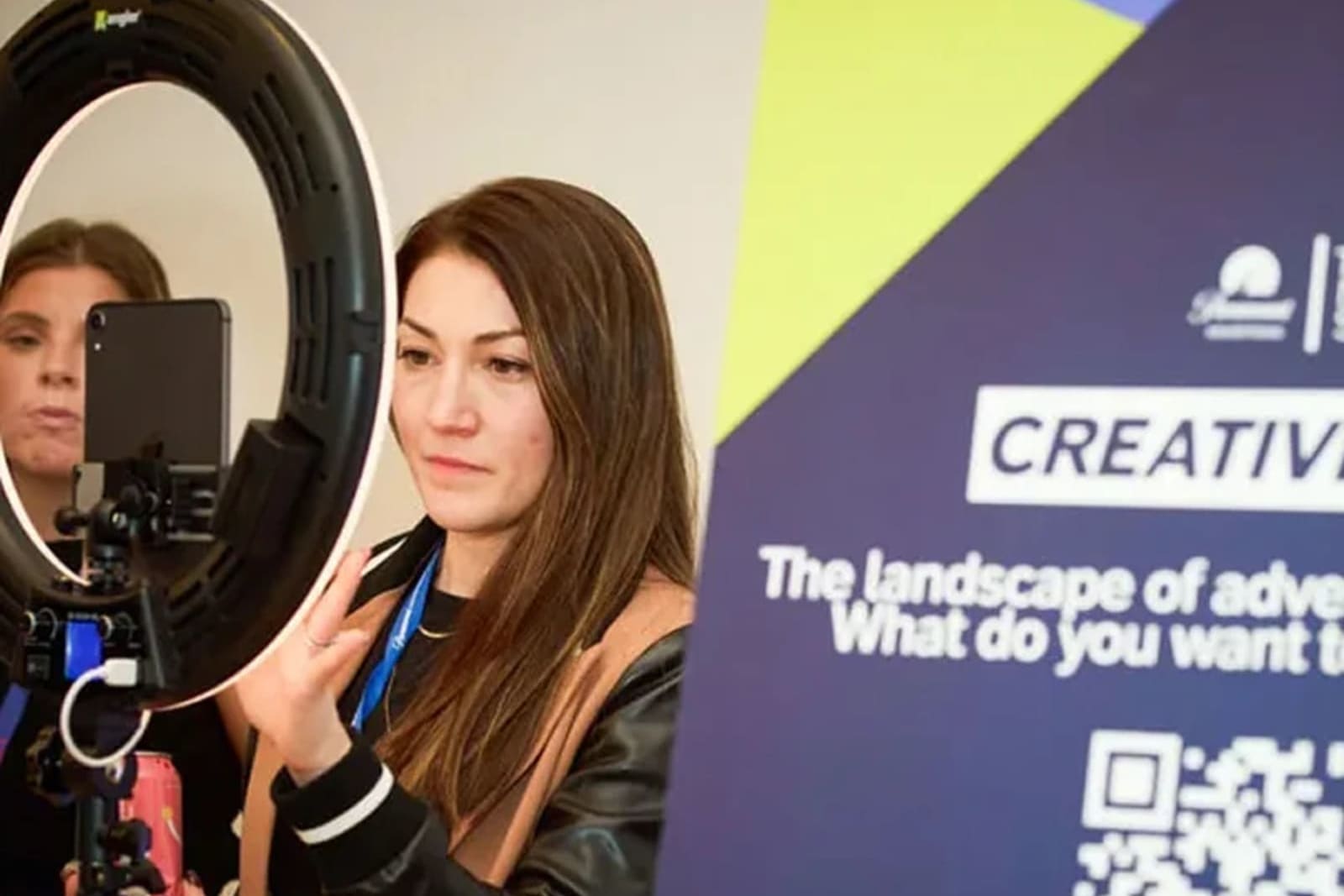
Give guests one thing to make, put the vote in their pocket, and put the scoreboard in the aisle. The guest side of a trade show photo contest runs like this:
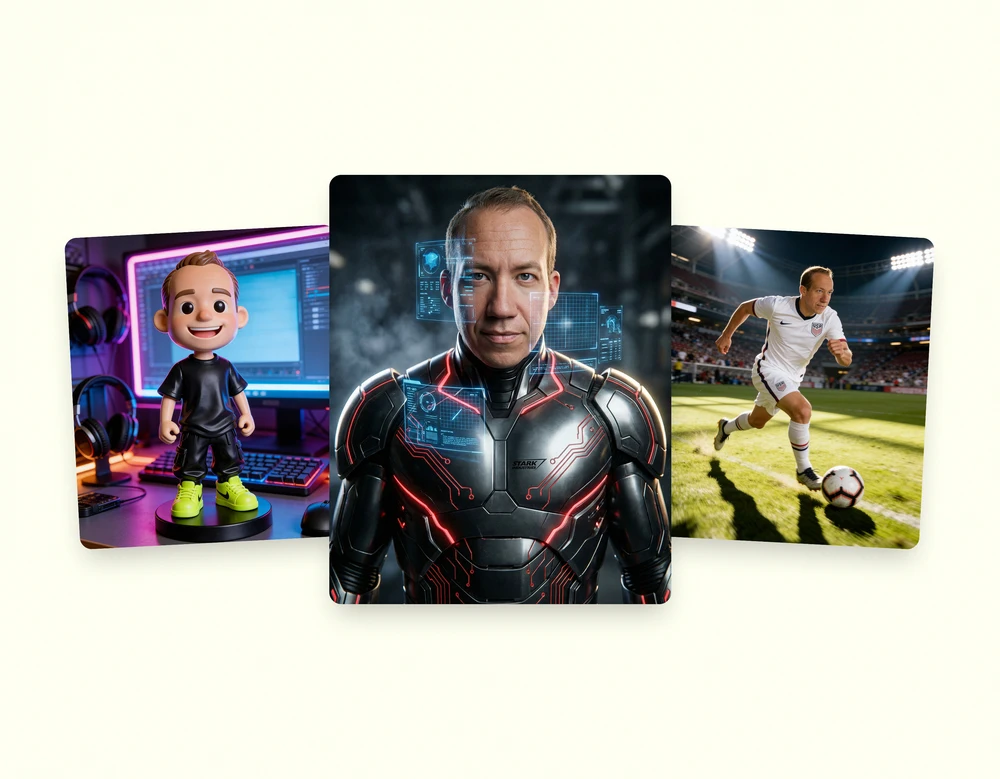
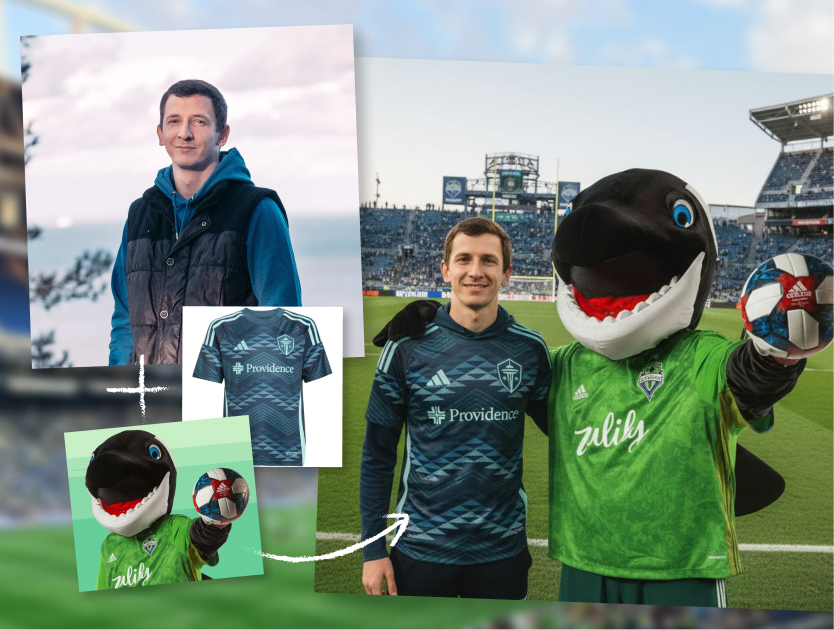
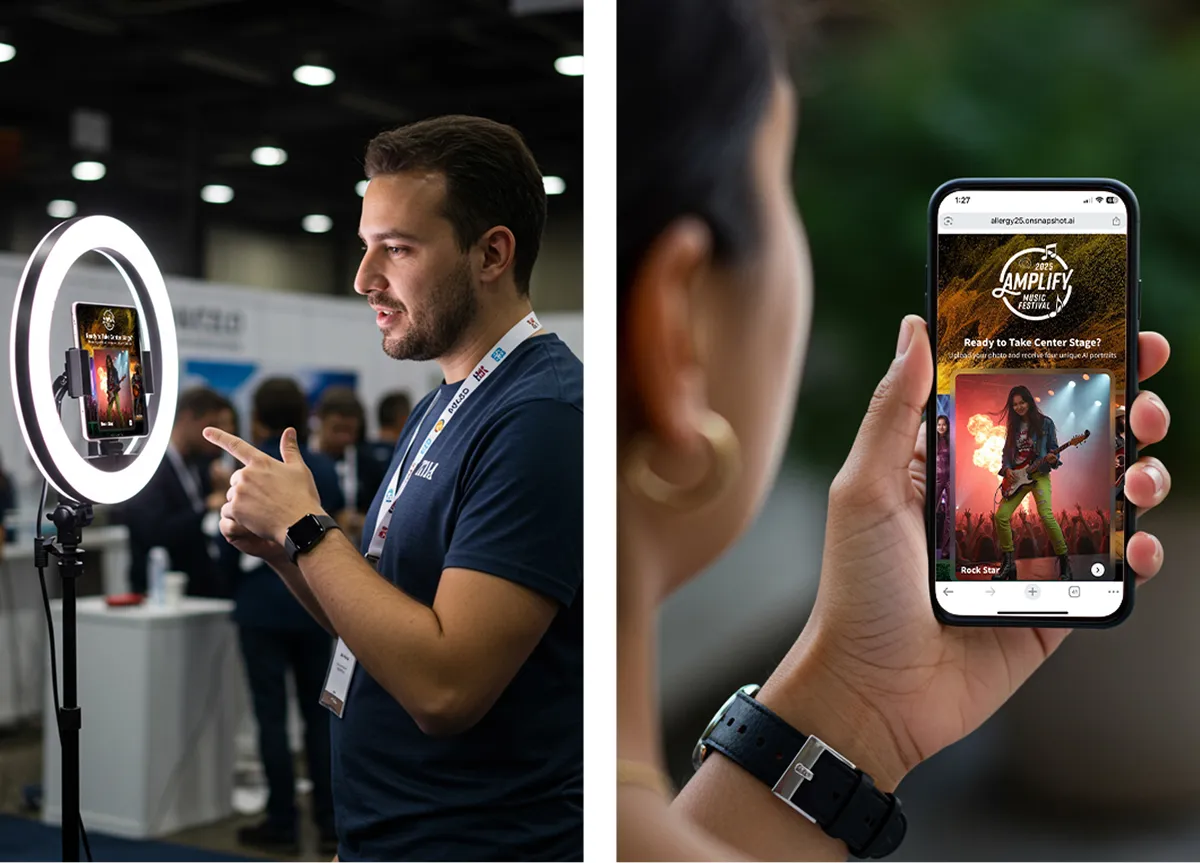
- A guest captures at the booth. An AI Photo Booth is the entry format we'd pick for a show floor: the output looks nothing like the booth next door, and people want to see what the style did to them. On styles that accept more than one image, guests can blend in a second photo, a product or a colleague who couldn't come.
- They complete the data capture step, which is where the contest earns its lead list.
- Their content arrives by email or text within moments, with a link into the gallery.
- They vote for favorites in the gallery, their own included, and share their entry with people who'll vote for it.
- Passersby scan the code on the leaderboard and vote from their phones without capturing anything.
- The board updates live. The podium changes while people are watching it.
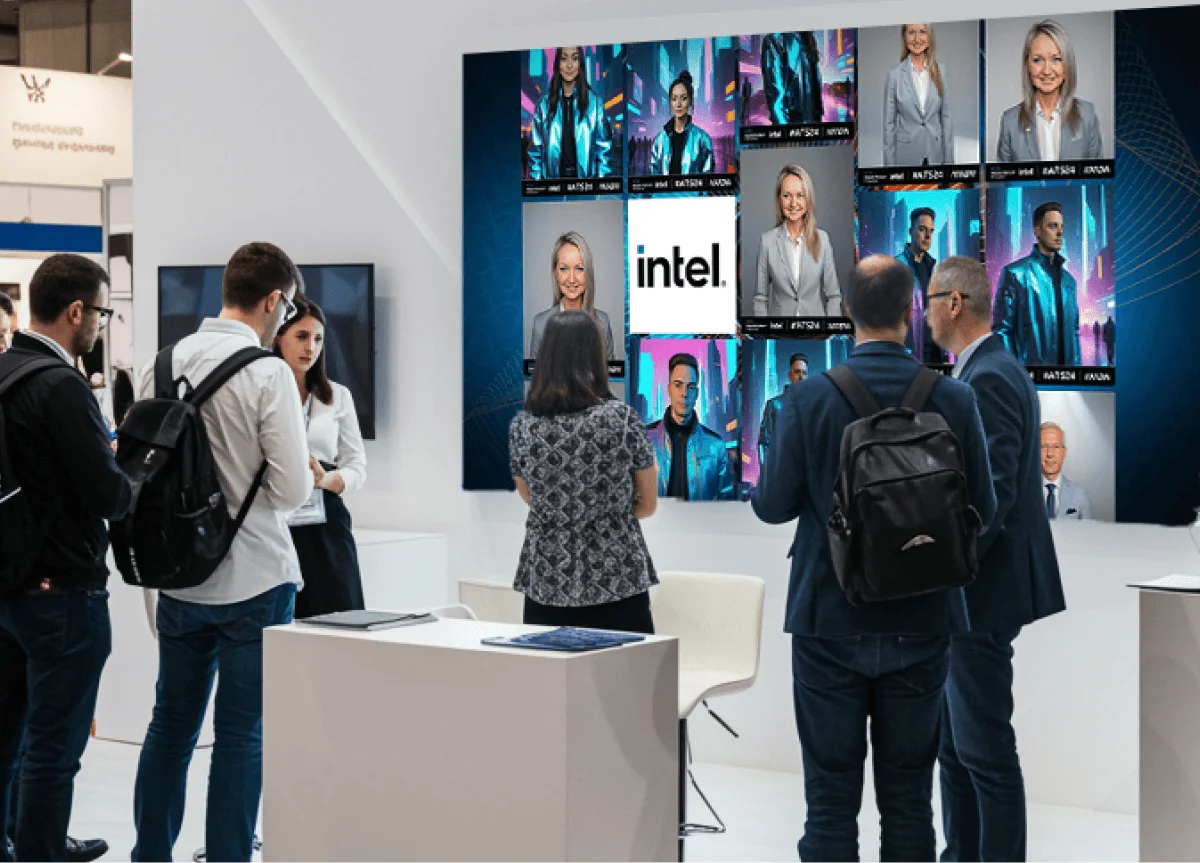
The booth-side decisions are fewer, and one is an opinion we hold firmly. Face the screen to the aisle, not the demo table. A leaderboard only your own visitors can see is a slideshow with extra steps. If the booth has several screens, run the leaderboard on all of them; once it's part of your activation, it can go on as many screens as you have.
Set the contest window at a day, not the show. We've watched teams run one board across a three-day show. By the afternoon of day one the top three had a lead nobody arriving on day three could touch, so late arrivals looked, shrugged, and kept walking. A fresh race each day, winner announced before the floor closes, keeps the board live for every visitor. Seed it, too: have your own team capture in the first half hour so the podium isn't empty when the first real guest scans. For the wider set of formats that work on an expo floor, start with the trade show and exhibitor booth page.
What prize should a trade show booth contest offer?
Whatever makes a guest care enough to come back and check the board. Remember the boundary in the leaderboard study: the effect ran on commitment and fell apart without it. A prize is how you buy that commitment. It doesn't need to be large. It needs to be specific, announced on the screen, and handed over in public before the floor closes, so the presentation itself draws a small crowd.
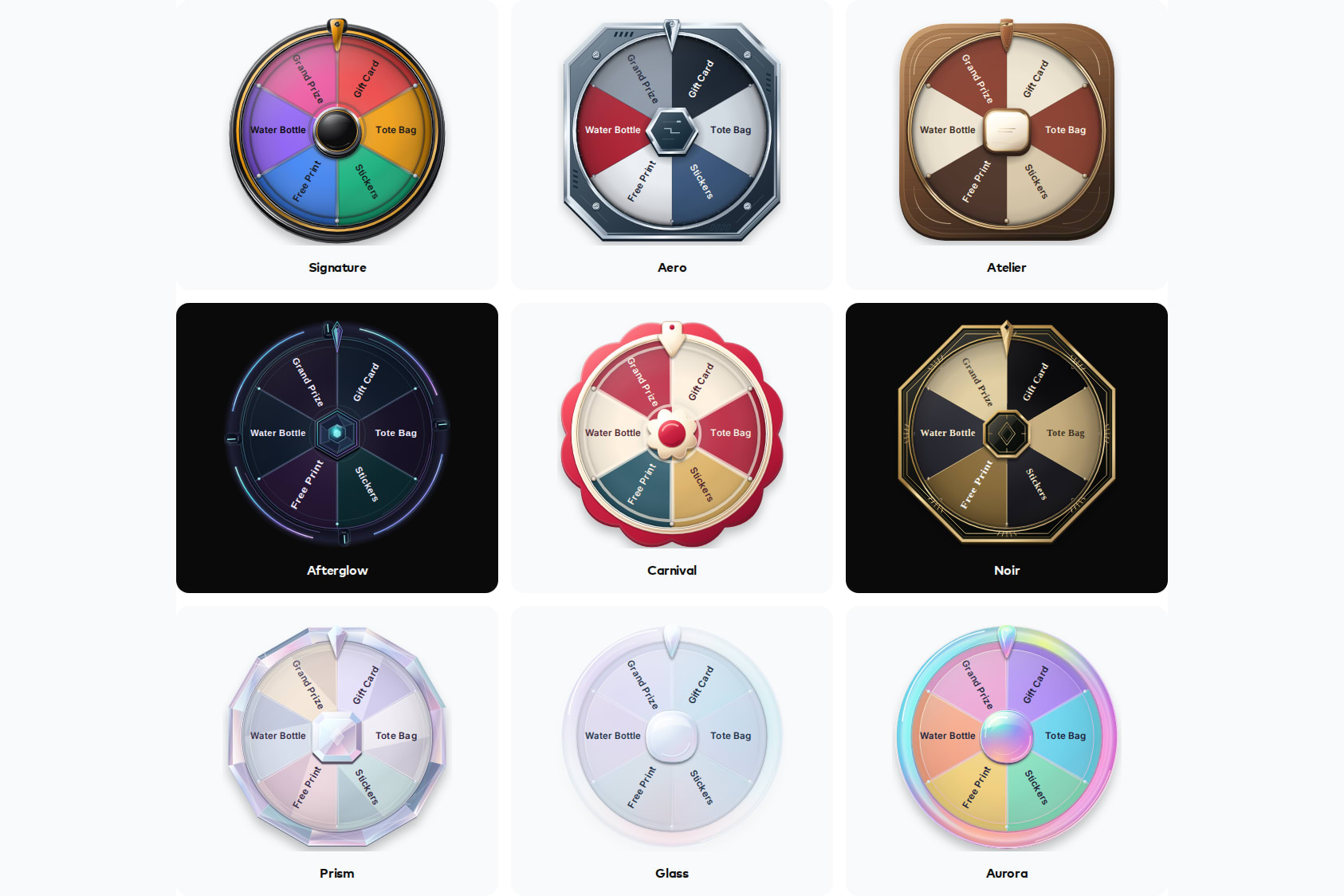
In our experience, most of the prize is the screen. A podium in front of a few hundred people is recognition a tote bag can't match, and the winner will photograph the board with their name on it without being asked. Tiered rewards keep late entrants in the game; the gamification guide makes that case, so we'll leave it there. If what you actually want is swag in specific hands rather than a winner on a podium, you're running a giveaway, and a trade show prize wheel is built for it.
How do you measure whether the contest worked?
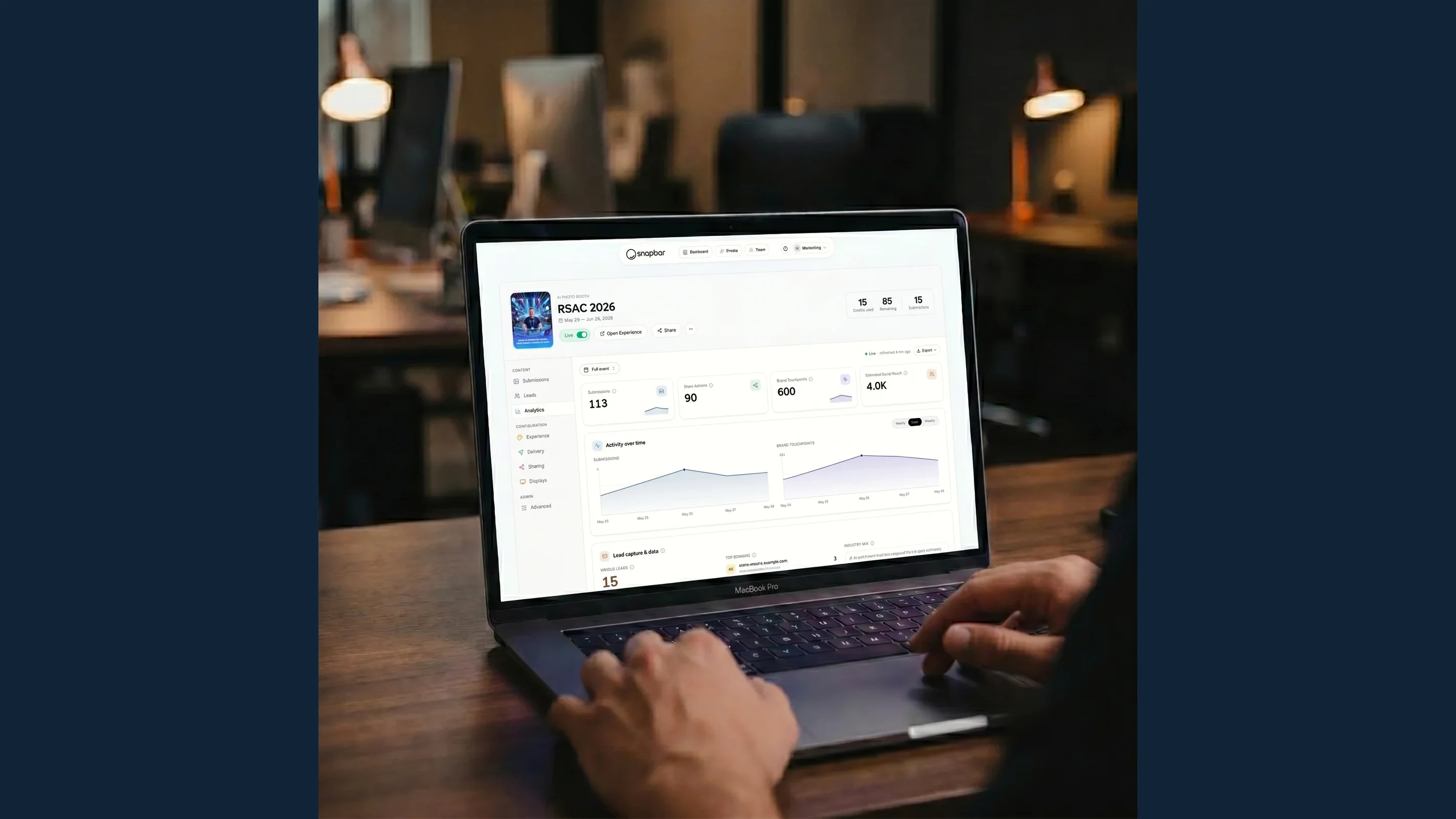
Count what the platform records and be honest about the rest. The dashboard reports participants, votes cast on the gallery, and the leads collected at the data capture step. The two numbers that matter most are votes cast and the gap between votes and participants, because votes from people who never captured are the closest thing to a booth-traffic count the platform produces. A proxy, not a turnstile. Say so in the debrief.
| The platform reports | The platform does not report |
|---|---|
| Participants: guests who captured at the booth | Aisle traffic that looked but never scanned |
| Votes cast on the gallery | Conversations that started at the screen |
| Votes beyond the participant count, the scan-to-vote proxy | Meetings booked as a result |
| Leads from the data capture step, exportable for your CRM | Which leads turn into pipeline (your CRM's job) |
Put those next to what the show cost and the contest becomes a line in a real report instead of a feeling. Our guide to measuring experiential marketing ROI carries the numbers through to pipeline.
The same Freeman report has one more figure that belongs here. Seventy-eight percent of organizers believe attendees have a "peak moment" at their event; only 40% of attendees say they did. That gap is what a leaderboard closes for an exhibitor. Instead of hoping the highlight happened, you point to a screen where it did and count the people who took part.
Trade shows come up in a large share of the conversations we're having right now, and booth traffic is the question behind most of them. We reach for this play first.
See it in action
Build your own AI Photo Booth activation
Portraits in your campaign's style, on the guest's phone in moments, every one ready to enter the contest on your screen.
Explore AI Photo BoothOne play carried all the way through beats a longer list. We have the list too.
What this play is not
It isn't a display comparison; the comparison hub handles leaderboard versus slideshow versus gallery. It isn't a twenty-idea roundup; if you'd rather browse, interactive trade show booth ideas is the one to browse. And it isn't a networking play, even though it puts faces on a screen. The Event Photo Leaderboard concept in our catalog is the recipe this article expands, and it works with whichever experience your booth is already running.