
Table of Contents
Trade show floors are louder than ever. Every exhibitor is competing for the same handful of seconds it takes an attendee to decide whether your booth is worth their time. The playbook that worked five years ago (banner, brochure, branded pen) barely registers anymore.
What does work? Interactive experiences that create a genuine moment. Something an attendee wants to participate in, not just walk past. The best interactive trade show booth ideas share three qualities: they pull a crowd, they capture meaningful data, and they give attendees something worth sharing long after the show ends.
This guide covers the activations that are actually driving results at trade shows right now, organized by what they do best. Whether you're planning a 10x10 booth or a 50-foot island, you'll find ideas that fit your space, your audience, and your goals.
AI-Powered Visual Experiences
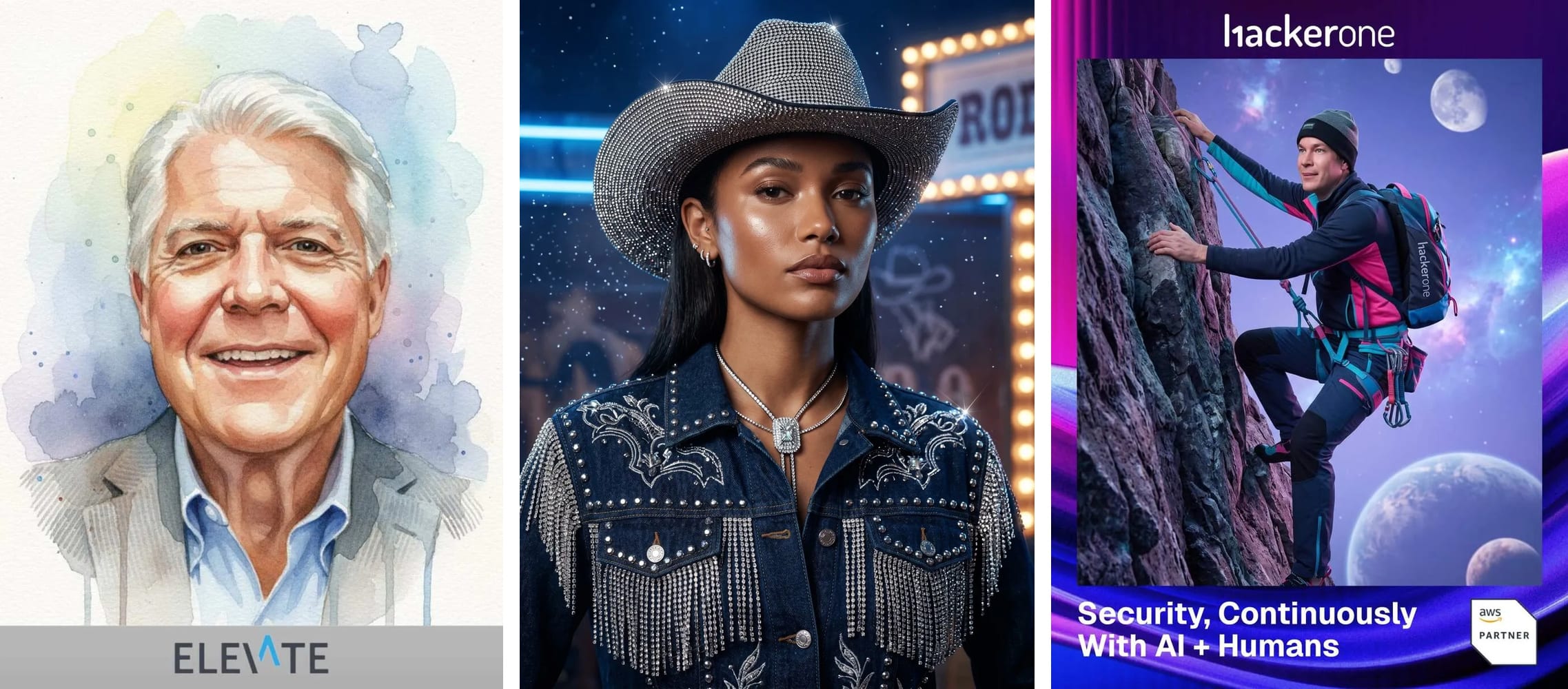
This is where interactive trade show booth ideas have evolved the fastest. AI-powered activations create personalized visual content in real time, turning every attendee into a participant and every output into branded content that spreads organically. Unlike traditional photo booths, these experiences generate something genuinely surprising, which is exactly what makes people stop, engage, and share.
AI Photo Transformations
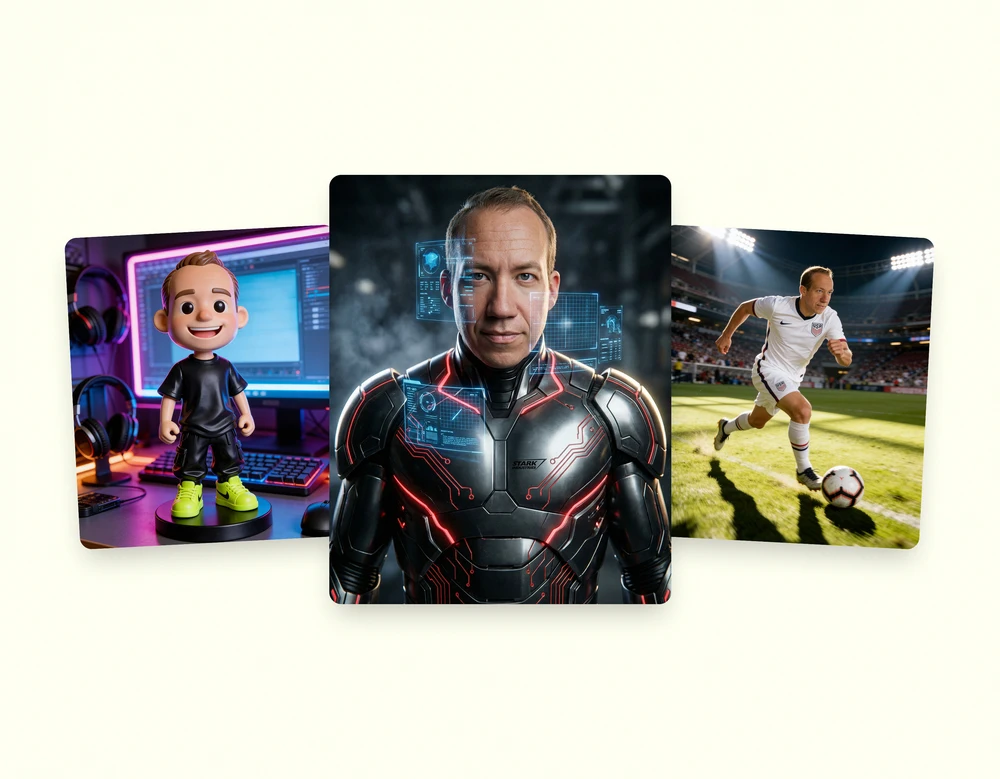
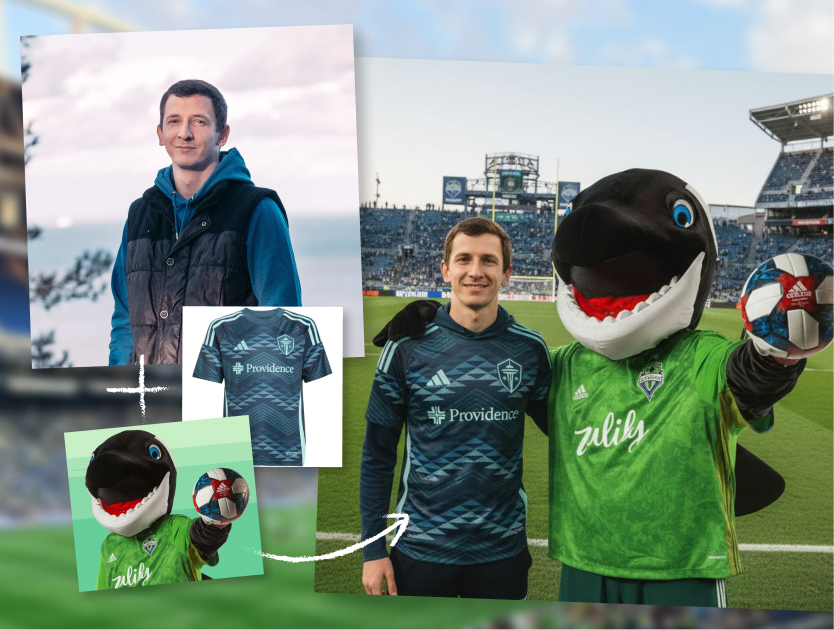
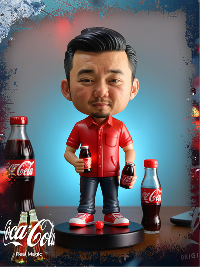
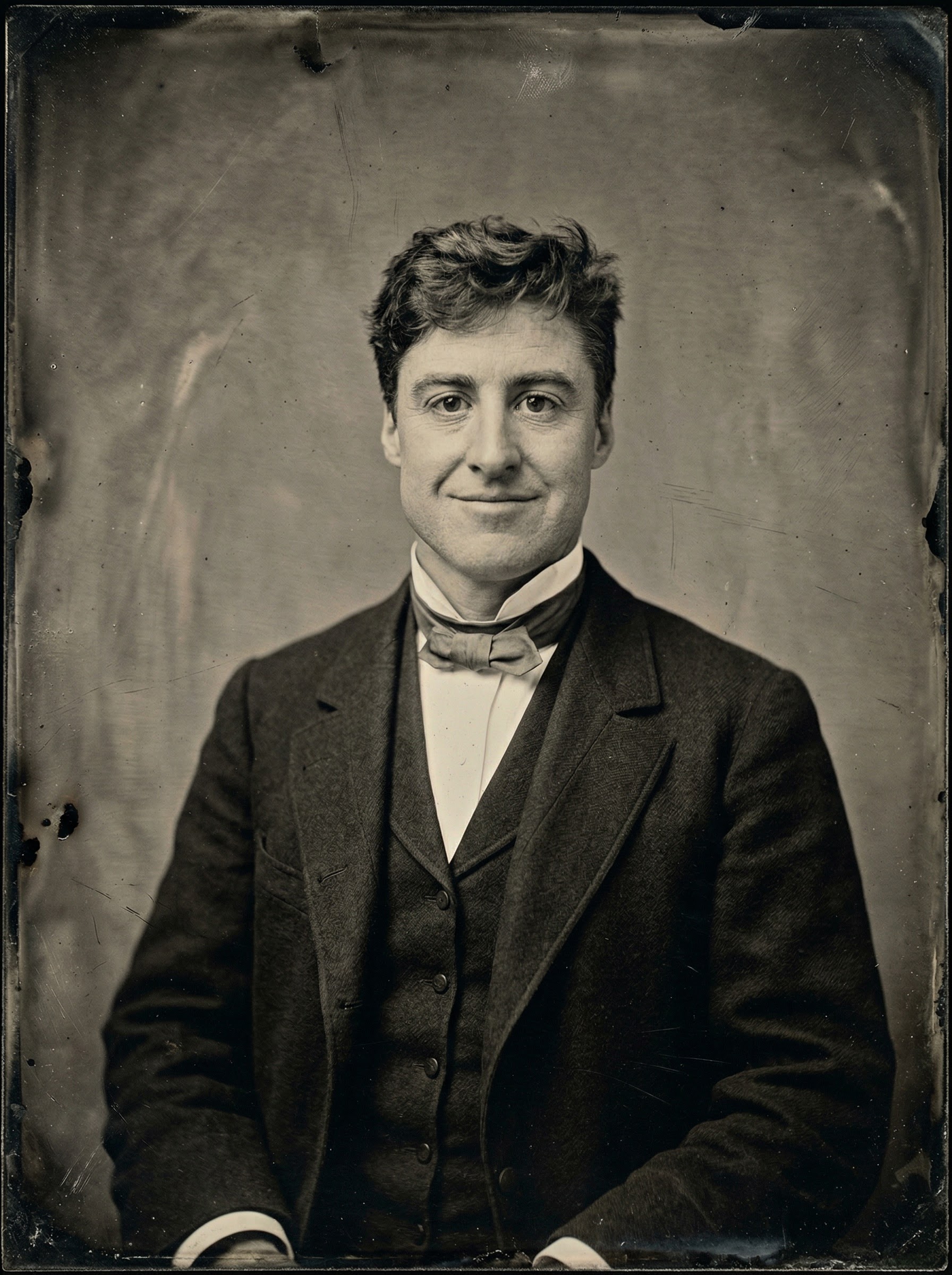
Attendees step up, snap a photo, and watch as AI transforms them into a completely new visual: a superhero, a vintage portrait, a character in your brand's world. The transformation happens in seconds and the output is fully branded with your logo, colors, and messaging. It's the kind of experience people screenshot and post immediately because it's unlike anything they've seen at another booth.
BMW demonstrated this concept at CES 2026, where attendees snapped a selfie and entered their name on a tablet. The system generated a personalized video placing them inside the new iX3 and traveling through the brand's history. The video played on a giant screen in the booth for the crowd to watch, then attendees scanned a QR code to download their clip. It combined visual transformation, social proof, and data capture in a single interaction.
What makes this more than a novelty is the data capture built into the experience. Attendees enter their email to receive their image, creating a natural exchange that doesn't feel like a lead form. You walk away with qualified contact information tied to a memorable brand moment.
AI Video Booth
Same concept, but in motion. Attendees record a short video clip and AI applies real-time visual effects: cinematic filters, animated overlays, or style transformations that turn a 10-second clip into something that looks professionally produced. AI video activations generate content that performs exceptionally well on social media because video is inherently more engaging and shareable than static images.
For trade show exhibitors targeting brand awareness, video content extends your reach far beyond the show floor. A single attendee's Instagram story or LinkedIn post puts your branding in front of their entire network.
AI-Generated Stories and Scenes
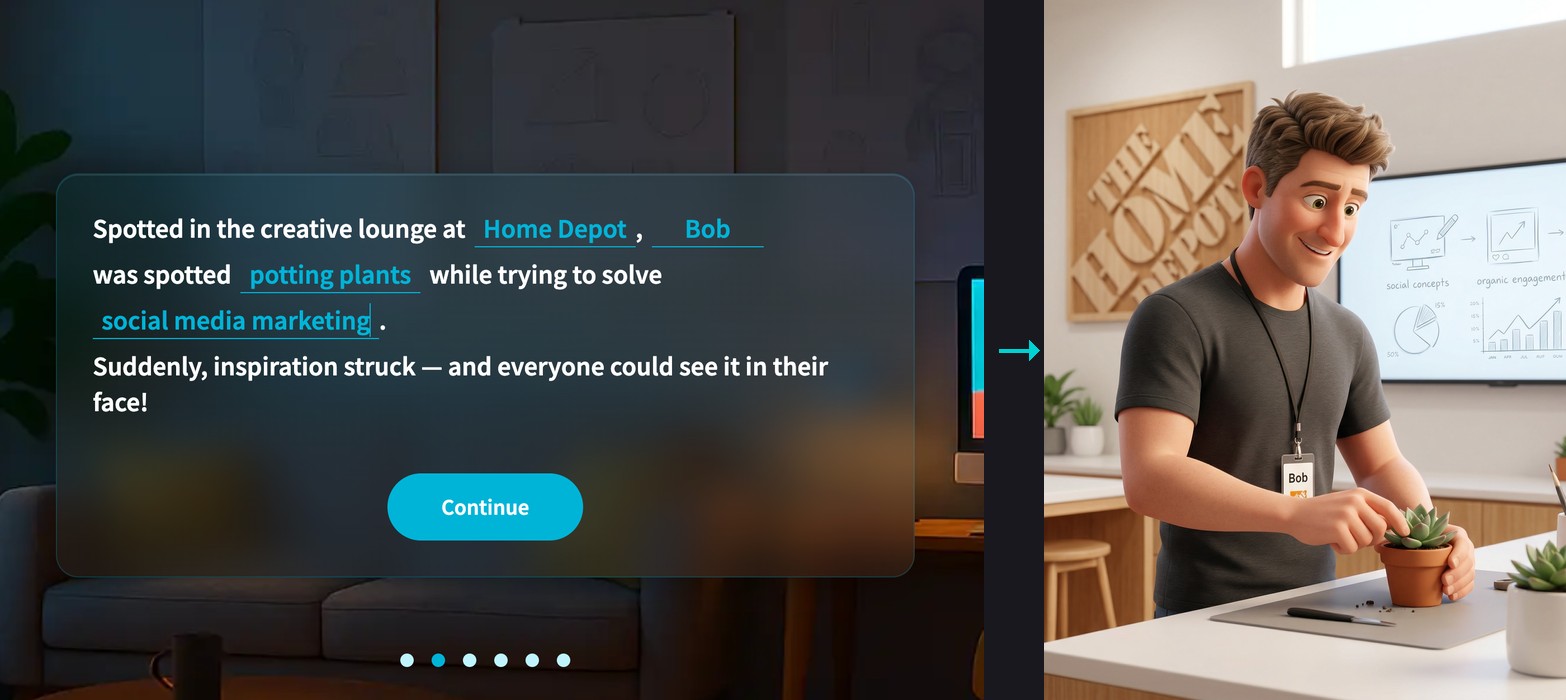
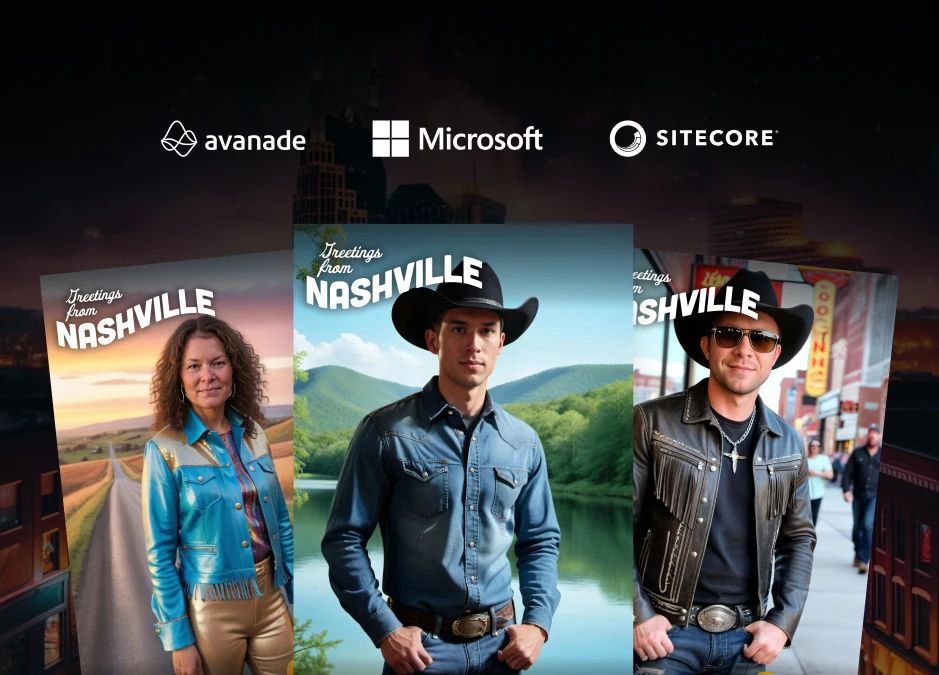
These activations take personalization even further. Attendees can be placed into AI-generated comic strips, movie scenes, magazine covers, or illustrated narratives that tell a story around your brand. The output feels custom-made because it is. Each piece is unique to the person who created it.
This is where gamification and visual experiences intersect. When attendees collect multiple outputs (a trading card, a comic strip, an AI portrait), you create a reason for them to return to your booth and spend more time with your brand.
Collectible and Gamified Activations
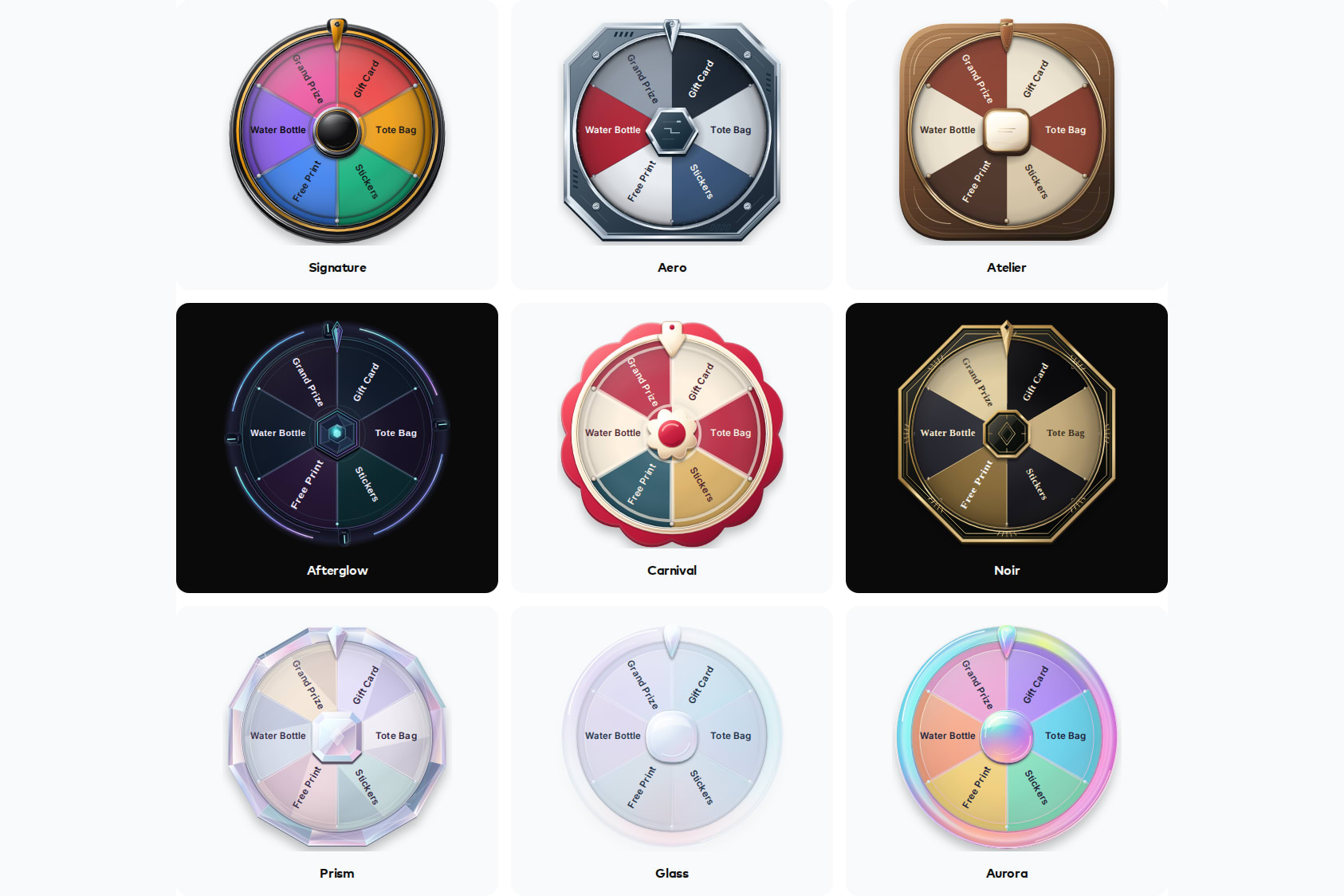
Gamification works at trade shows because it transforms a passive booth visit into active participation. But the most effective gamified activations go beyond spin-to-win wheels and trivia screens. They create something the attendee wants to keep, collect, or compete for.
Custom Trading Cards
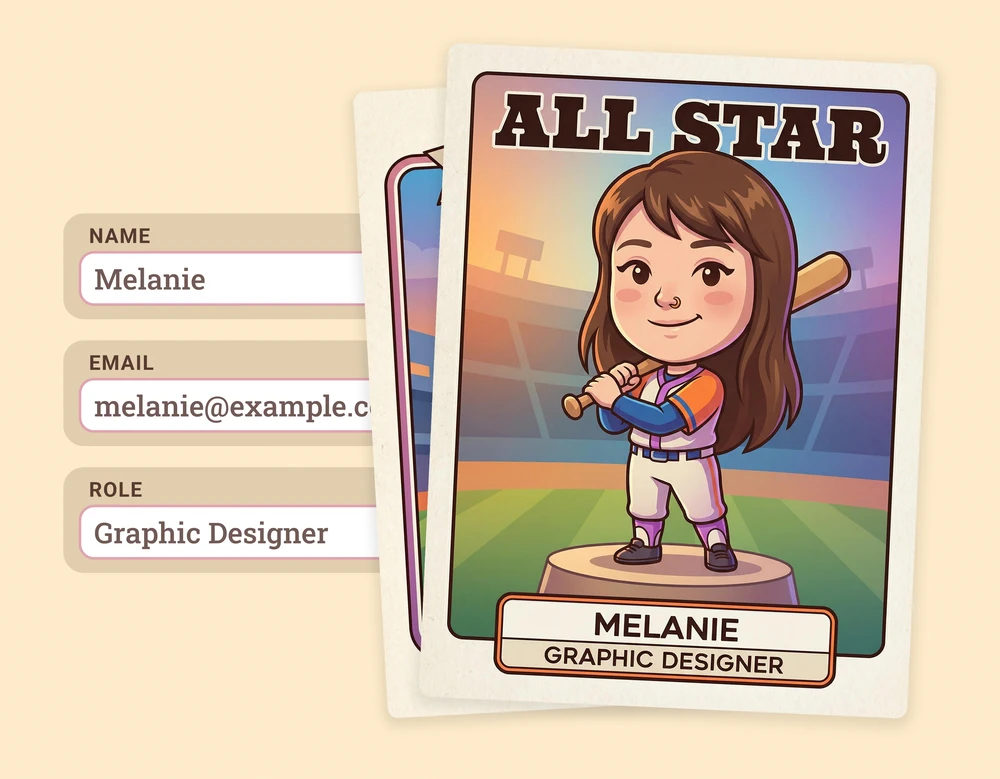
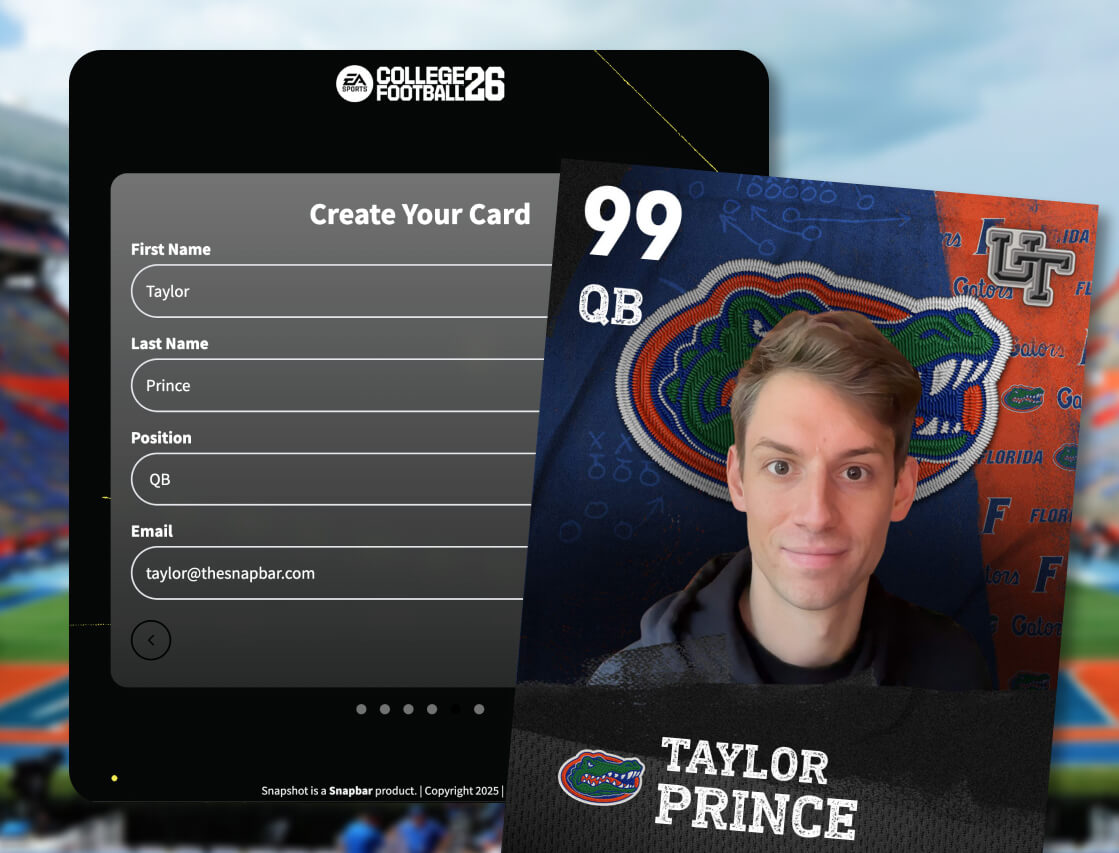
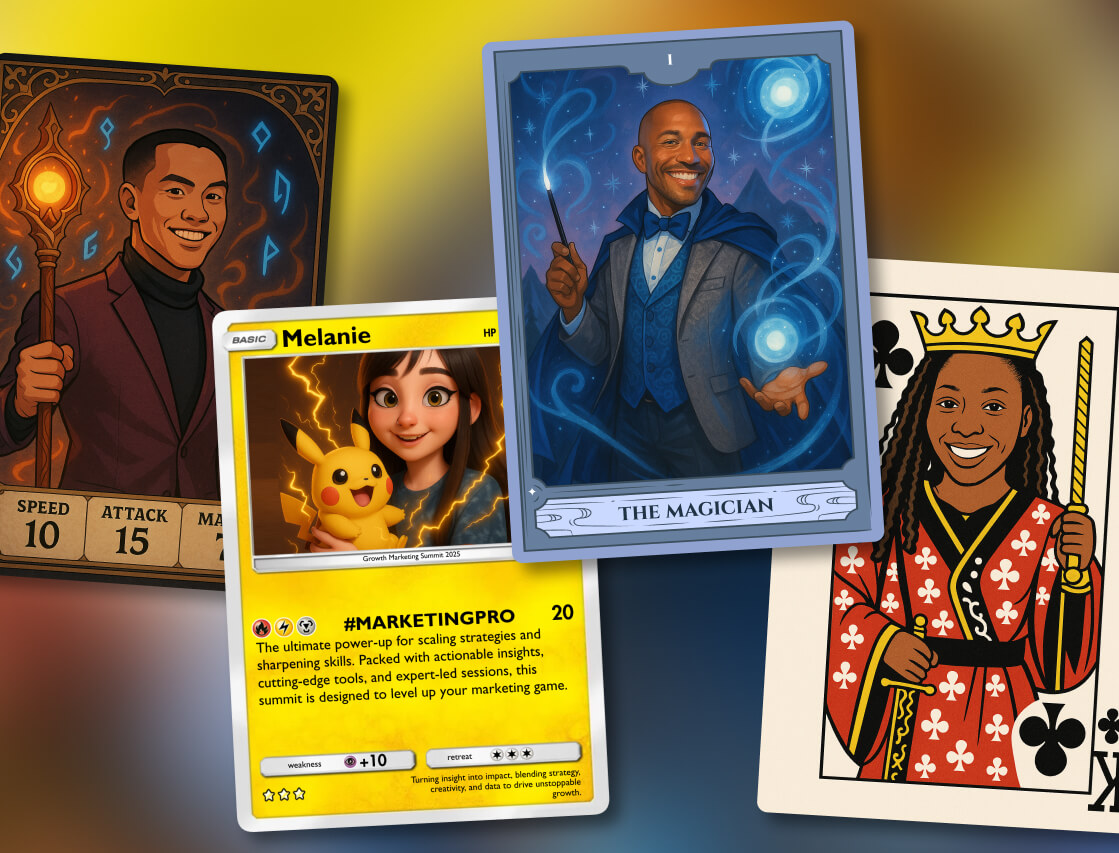
Attendees get their own personalized trading card featuring their photo, a custom stat line, and your branding. The format is instantly recognizable and inherently collectible. People show them to colleagues, post them on social media, and sometimes come back to your booth to make another one.
Trading cards work especially well at tech conferences and B2B events where attendees appreciate the playful contrast with their usual professional context. They also create a natural conversation starter: "What stats did you get?" Our full guide to trading card activations breaks down why the format gets kept and shared long after the event.
Persona Quizzes and Assessments
Interactive quizzes that reveal an attendee's "type" or persona tap into the same psychology that makes personality tests endlessly shareable. Frame your quiz around your industry: "What kind of event marketer are you?" or "What's your trade show personality?" The results page delivers a personalized recommendation tied to your product, and the attendee's answers give your sales team insight into their priorities and challenges.
This is one of the more creative trade show booth ideas for lead qualification specifically. Instead of asking attendees to fill out a form about their needs, you learn what matters to them through the quiz itself.
Leaderboards and Challenges
Digital leaderboards displayed on a large screen create visible competition that draws a crowd even from attendees who aren't participating. Tie the leaderboard to a relevant challenge: fastest product configuration, best quiz score, or most creative AI photo. Prizes don't need to be expensive. Recognition on a public leaderboard and a branded takeaway are often enough.
The simplest version is a photo contest the crowd judges: guests vote for their favorites from their phones, passersby scan a code on the screen to vote too, and a live leaderboard keeps score where the aisle can see it. We wrote up how to run that play in Trade Show Booth Contest Ideas.
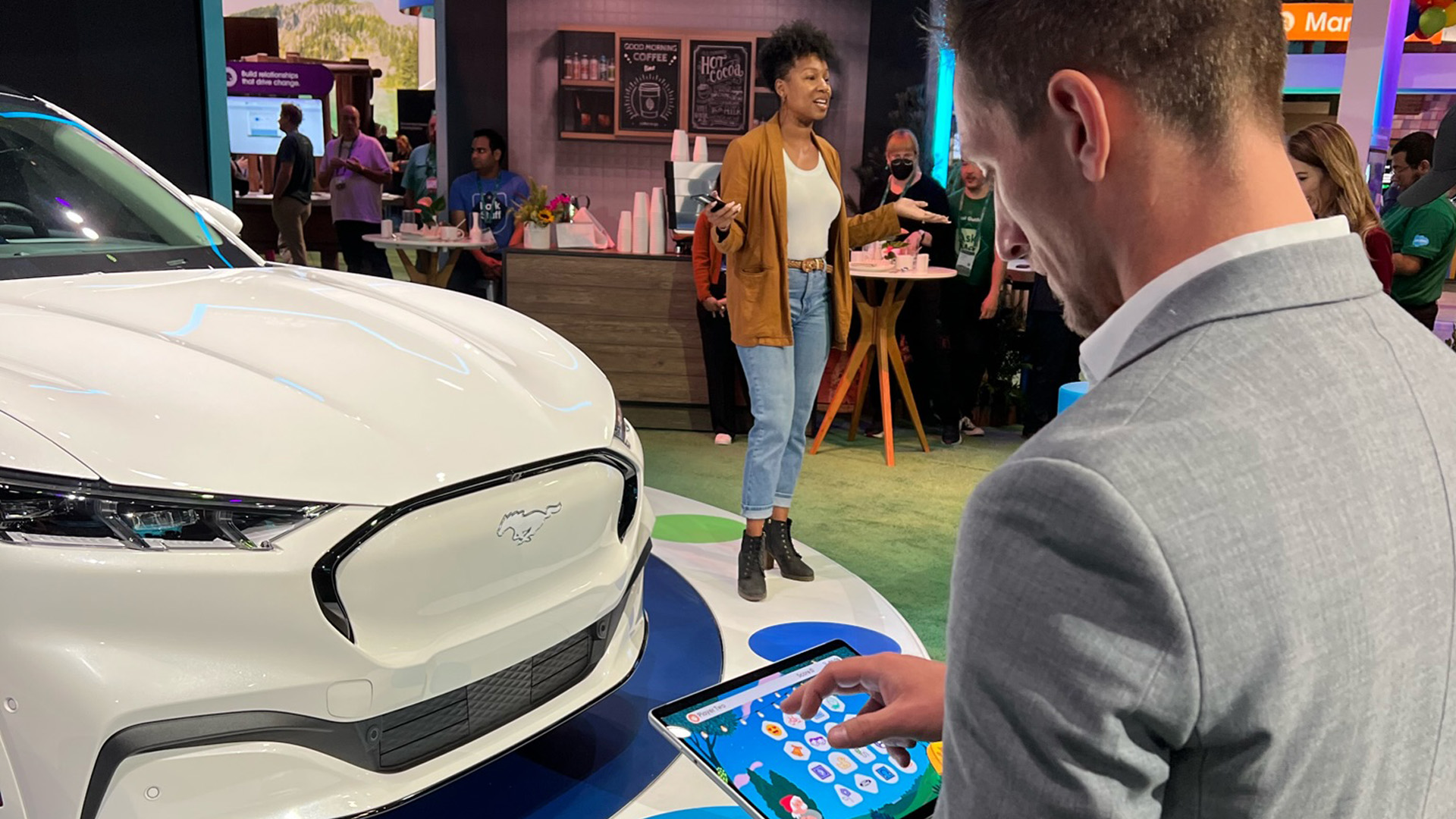
Salesforce and Ford partnered on exactly this at Dreamforce 2025, running an interactive multiplayer game show built around the Ford Mach-E. Attendees competed in storytelling challenges and problem-solving tasks, creating the kind of visible energy that pulled crowds from across the expo floor. AT&T took a similar approach at the 2025 Final Four Fan Fest with an interactive LED basketball court that turned their booth into a competitive destination.
The key is making the challenge quick enough to complete in 2-3 minutes. Long experiences create bottlenecks. Short, punchy challenges keep the energy high and the line moving.

Social Amplification Activations
The best interactive trade show booth ideas don't just engage the person in front of you. They turn every participant into a distribution channel for your brand. Social amplification activations are designed to extend your booth's reach far beyond the physical event.
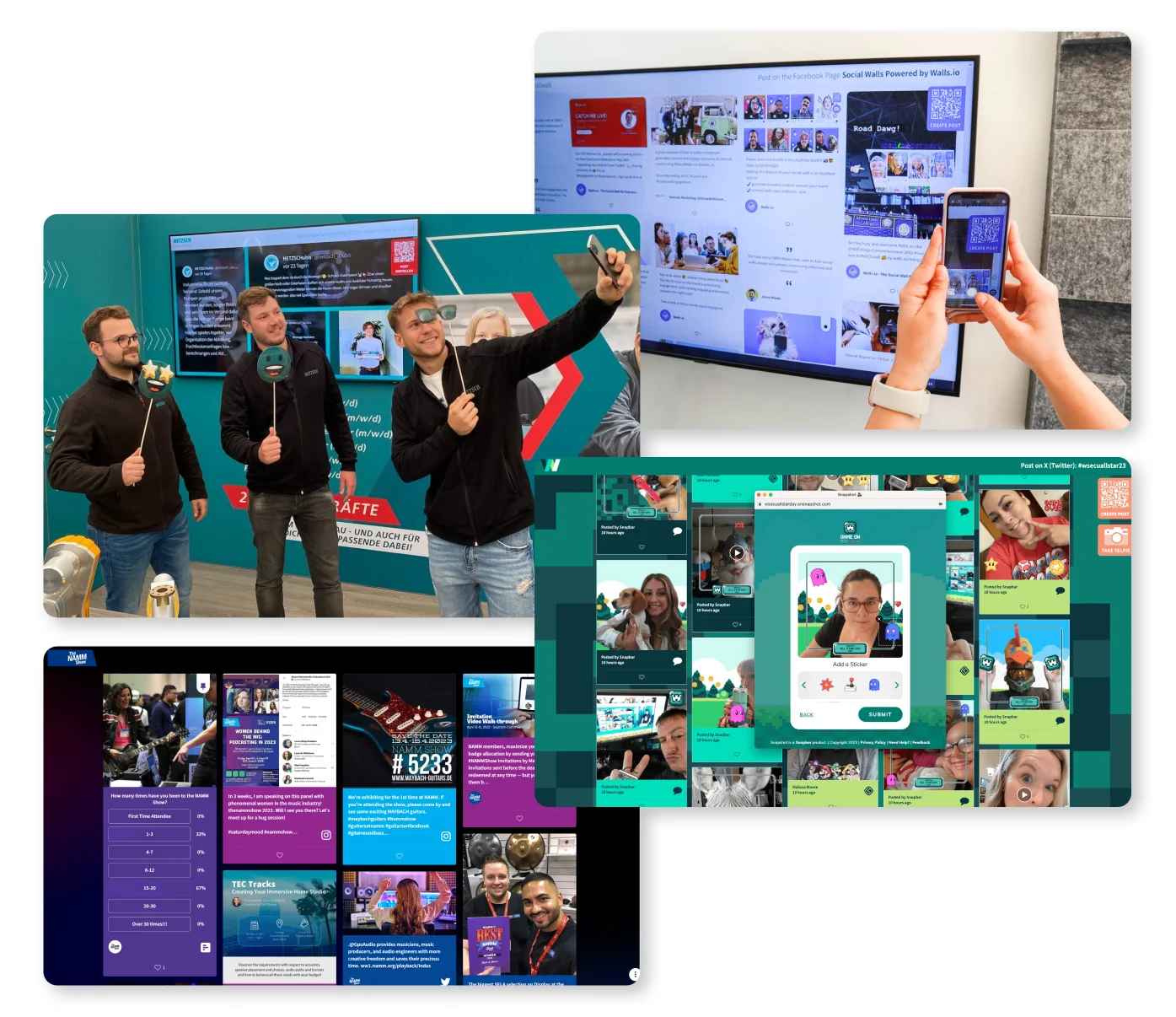
Social Walls and Live Feeds
A live gallery or social wall displayed on a large screen creates a real-time showcase of attendee content. As people share photos, videos, and posts from your booth, they appear on the display instantly. This creates a visible energy that attracts more visitors: nobody wants to miss what everyone else is participating in. Where that screen sits matters as much as what it shows, and we cover screen placement with the rest of the booth traffic tactics in how to draw a crowd at your trade show booth.
Social walls also solve a practical problem. They give attendees who are waiting in line something to watch and engage with, reducing perceived wait times and keeping the atmosphere lively.
Live Slideshows and Mosaics
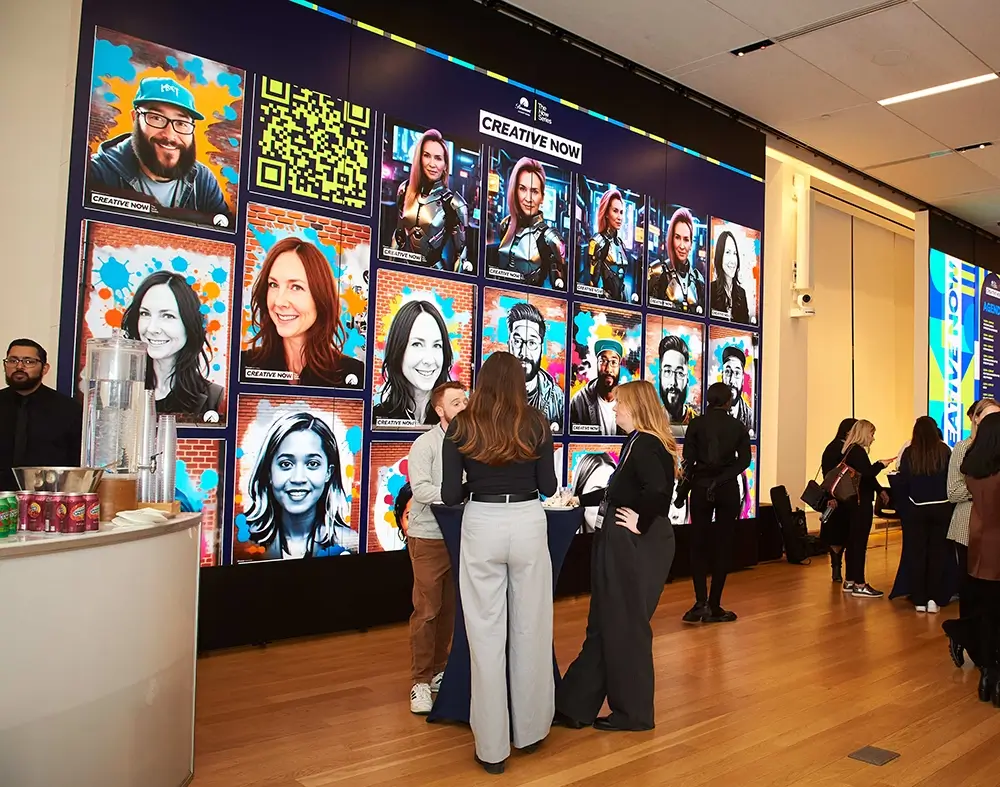
A live slideshow cycles through the best attendee photos from your activation on a large display, creating an ongoing visual attraction. Photo mosaics take this further by assembling individual attendee photos into a larger branded image that builds throughout the event. Both formats reward participation (people want to see their photo on the big screen) and create visual spectacle that draws foot traffic.
Mosaics work particularly well for multi-day events. Attendees return on day two to see how the mosaic has grown and whether they can spot their contribution.
Hashtag Campaigns with Instant Rewards
Pair a branded hashtag with an incentive: post with the hashtag and receive an instant reward at the booth (a drink, a premium giveaway, early access to something). The mechanics are simple, but the amplification is significant. Every post puts your brand in front of that attendee's professional network.
Carlyle executed a strong version of this at the 2025 SEMA Show with their "Pit Pass" activation. Attendees tapped a QR code to unlock a progression of hands-on demos, VIP sessions, social media challenges, and exclusive content through a proprietary app. Each social share unlocked the next tier, creating a loop where amplification and engagement reinforced each other throughout the event.
The trick is making the reward immediate. Delayed gratification doesn't work on a trade show floor where attendees are moving fast and have dozens of booths competing for their attention.
Classic Interactive Upgrades
Some trade show booth ideas are enduring because they work. The key is updating them for how attendees actually behave today: phone-first, time-constrained, and skeptical of anything that feels like a sales pitch.
Selfie Stations with a Twist
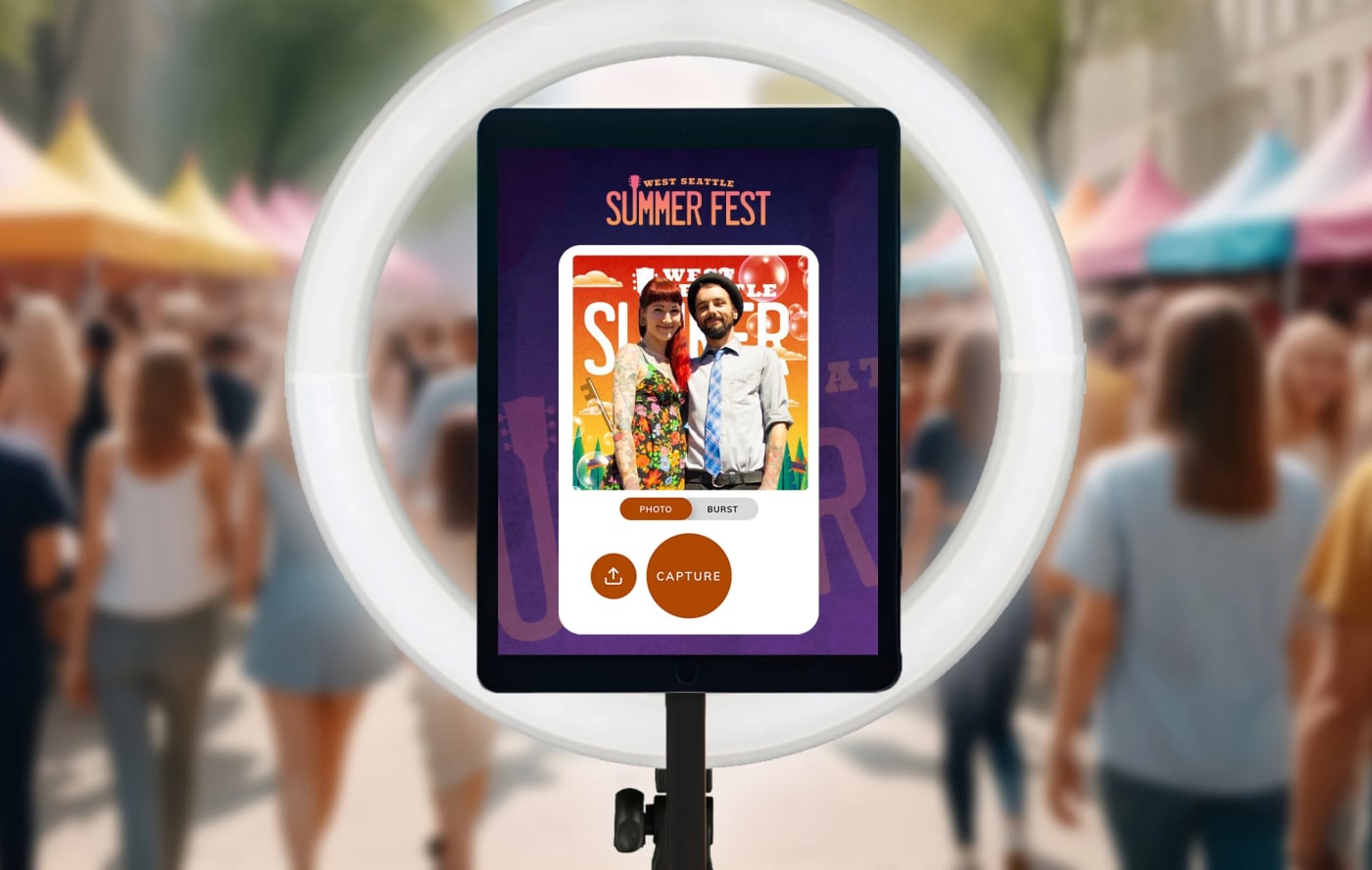
Selfie stations remain one of the most reliable ways to attract visitors to your trade show booth because the barrier to entry is nearly zero. But the modern version needs to be more than a backdrop and a ring light. Add branded overlays, AR filters, or themed sets that change throughout the event to keep things fresh for repeat visitors.
Ring leaned into this at CES 2026 with what they called the "World's Largest Video Doorbell Photo Booth," a 98-inch-tall version of their signature doorbell that snapped and printed attendee photos. It was absurd enough to stop foot traffic and on-brand enough to reinforce their product identity with every share. That's the balance to aim for: something people want to photograph themselves with, not just walk past.
What separates a great selfie station from a forgettable one is the output quality. When the photo looks good enough to actually post, people share it. When it looks like a low-effort booth prop, it stays on their camera roll.
Live Product Demos with Audience Participation
Product demos are table stakes, but interactive demos that involve the audience are a different category entirely. Let attendees drive the demo: choose which features to explore, configure a product to their specifications, or test it against a real-world scenario they care about. The shift from "watch me show you" to "try it yourself" transforms passive interest into genuine engagement.
Toyota has used AR at recent trade shows to let attendees explore three new truck models in a level of detail that physical floor models couldn't match, including customizing configurations and inspecting components up close. When the audience controls the experience, they spend more time at your booth and leave with a clearer understanding of what your product actually does.
Schedule demos at regular intervals and promote the times on your booth signage and in pre-show communications. A crowd watching a demo attracts more people, which creates a visible energy that competitors' empty booths can't match.
Interactive Touchscreens and Configurators
Self-service touchscreens let attendees explore your product at their own pace without waiting for a sales rep. Product configurators that let visitors customize options and see results in real time are especially effective for complex products where showing is more powerful than telling.
Position touchscreens as a complement to your team, not a replacement. They handle the initial exploration so your booth staff can focus on deeper conversations with attendees who've already self-qualified by spending time with the content.
Hybrid and Post-Event Extensions
The most overlooked category of interactive trade show booth ideas is anything that extends the experience beyond the physical event. The show floor is where you create the moment. What happens next determines whether that moment converts.
Digital Galleries and Follow-Up Content
Every photo, video, and interaction from your booth generates digital content. A post-event gallery gives attendees a reason to revisit your brand after the show: they want their photos, they want to share them with colleagues, and they want to see what others created. Each gallery visit is another touchpoint with your branding and another opportunity to capture or nurture a lead.
The follow-up email that delivers personalized content ("Here's your AI portrait from our booth") consistently outperforms generic "thanks for visiting" messages. When you give people something they actually want, open rates reflect it.
Web-Based Virtual Activations
Not every attendee makes it to your physical booth. Web-based activations let anyone participate remotely: from the conference hotel room, from a different city, or from a follow-up link shared by a colleague who did visit. Browser-based experiences that require no app download and no special equipment remove the friction that kills participation.
This approach also extends the shelf life of your trade show investment. A virtual activation that runs for a week after the event captures attendees who were interested but never made it to your booth in person.
Data-Driven Personalization at Scale
When every interaction captures behavioral data (which experience they chose, how long they engaged, what content they created), you build a rich profile of each attendee's interests and intent. That data flows directly into your CRM, giving your sales team context for follow-up that goes far beyond "we met at the show."
This is where interactive activations become more than marketing. They become measurable pipeline generators that justify the investment in trade show presence with real numbers.
Matching Ideas to Your Goals
Not every activation fits every situation. Here's a quick framework for choosing what to build based on what you're trying to achieve:
If your primary goal is brand awareness: AI photo transformations, social walls, and hashtag campaigns generate the most organic reach. Every shared post puts your brand in front of new audiences.
If your primary goal is lead generation: Trading cards, persona quizzes, and AI photo booths with email capture create the most natural data exchange. Attendees provide contact information to receive something they genuinely want.
If your primary goal is product education: Interactive demos, touchscreen configurators, and AI-generated stories that showcase your product in action help attendees understand complex offerings faster than any brochure.
If your primary goal is pipeline acceleration: Combine multiple activations so attendees have a reason to return to your booth. Layer engagement strategies with post-event digital follow-up to keep the conversation alive well after the event ends.
The strongest trade show booths don't pick one activation and call it done. They combine 2-3 complementary experiences: one to draw the crowd (AI photo booth near the aisle), one to deepen engagement (persona quiz or trading cards inside the booth), and one to extend reach (social wall on a large display). This layered approach keeps different types of attendees engaged and gives your team multiple conversation starters.
Key Takeaways
Interactive trade show booth ideas have moved well beyond gimmicks and branded stress balls. The activations driving real results in 2026 share a few things in common: they create personalized content attendees actually want, they capture meaningful data through natural exchanges rather than forced lead forms, and they extend your brand's reach far beyond the physical event.
AI-powered visual experiences are the fastest-growing category because they deliver on all three fronts simultaneously. But the right mix depends on your goals, your booth size, and your audience. Start with the activation that best aligns with your primary objective, then layer in complementary experiences to maximize engagement and data capture.
The trade show floor is competitive, but the bar for truly interactive experiences is still surprisingly low. Most booths are still running the same playbook from five years ago. That's your opportunity.