
Table of Contents
Most event gamification fails. Not because the concept is wrong, but because the execution is lazy. Slap a leaderboard on your event app, hand out badges for visiting booths, run a trivia contest during lunch. Attendees participate for about ten minutes, collect a branded stress ball, and forget the whole thing by the time they reach the parking lot.
Real event gamification does something different. It turns the experience itself into something people want to do, not something they tolerate for a chance at a prize. When gamification works, attendees line up voluntarily, share content without being asked, and hand over their contact information because they genuinely want what they're getting in return.
This guide covers both the proven mechanics and the next wave of visual experience gamification that's changing what's possible at events. Whether you're planning a trade show activation, a corporate conference, or a brand experience, you'll find practical frameworks you can actually execute.
What Is Event Gamification?
Event gamification applies game mechanics to event experiences to drive specific attendee behaviors. That's the textbook definition. The practical one: it's designing moments where participation feels more rewarding than standing around.
The concept borrows from behavioral psychology. People respond to challenges, progress, social recognition, and rewards. Game designers have understood this for decades. Event marketers started borrowing these principles in the early 2010s, mostly through event apps with point systems. The problem? Most of those implementations stopped at the surface level.
Effective event gamification connects every mechanic to a business objective. If you want booth traffic, the mechanic should physically move people. If you want lead data, the mechanic should make sharing information feel like the natural next step. If you want social reach, the output should be something attendees are genuinely excited to post.
The distinction matters: gamification isn't adding games to your event. It's designing your event so the desired behaviors are the most engaging option available. For the wider set of audience engagement strategies for B2B events, including the ones that are not games, start there.
Why Most Event Gamification Falls Flat
The gamification industry has a dirty secret: most implementations underperform because they rely on the same three mechanics regardless of the objective. Points. Badges. Leaderboards. The "PBL" playbook shows up in nearly every event gamification guide online, and it's become so default that event teams deploy it without questioning whether it actually fits their goals.
Here's where it breaks down:
The mechanic doesn't match the objective. A points-based scavenger hunt drives foot traffic. That's useful if your goal is getting attendees to specific booths. But if your actual objective is capturing qualified leads or generating shareable branded content, a scavenger hunt produces a lot of movement with very little business value. The attendees who game the system hardest are often the least qualified prospects in the room.
The reward doesn't justify the effort. "Earn 500 points to win a water bottle" is not a compelling value proposition for a VP of Marketing who flew across the country for your conference. The reward needs to match the audience. Enterprise event attendees respond to exclusive access, personalized experiences, and content they can actually use, not trinkets.
The experience is forgettable. This is the biggest issue. Traditional gamification layers mechanics ON TOP of the event. The event itself stays the same; you just added a scoring system. The attendee's memory of your activation is "I scanned some QR codes," not "I had an experience I couldn't stop talking about."
The shift happening now is from mechanics-first gamification to experience-first gamification. Instead of asking "what game mechanics should we add?" the better question is: "what experience would be so compelling that participation, sharing, and data capture happen naturally?"
Traditional Gamification Mechanics That Still Work
Before getting into what's next, let's be fair to the fundamentals. These mechanics earned their place for a reason, and they still deliver results when applied thoughtfully.
Scavenger hunts and booth challenges. The classic for trade shows. Attendees visit designated locations, complete tasks, and earn entries toward a prize. This works when you have exhibitors struggling for foot traffic and a floor plan that benefits from guided exploration. The key is making the tasks meaningful. "Visit booth #47 and scan the QR code" is hollow. "Visit booth #47 and ask about their new integration with [your platform]" creates an actual conversation. Participation rates for well-designed scavenger hunts typically run 30-45% of attendees.

Trivia and live quizzes. Effective for conferences and educational events where reinforcing session content matters. A live quiz after a keynote does three things: tests retention, creates social energy through competition, and gives you data on what resonated. The trick is keeping rounds short (60-90 seconds per question) and making the questions specific enough to be interesting but accessible enough that most of the room can play. Trivia also works as a lead qualification mechanic: the questions themselves reveal what topics an attendee cares about.
Leaderboards and competitions. Social proof in real time. When attendees can see their name climbing a ranking, it triggers both the competitive drive and the desire for public recognition. Leaderboards work best when they're visible (large screens in high-traffic areas), updated frequently, and tied to actions that benefit everyone (not just grinding for points). The risk: leaderboards can feel exclusive if only the top 5 people have any chance of winning. Tiered rewards (top 10, top 50, everyone who participated) fix this.
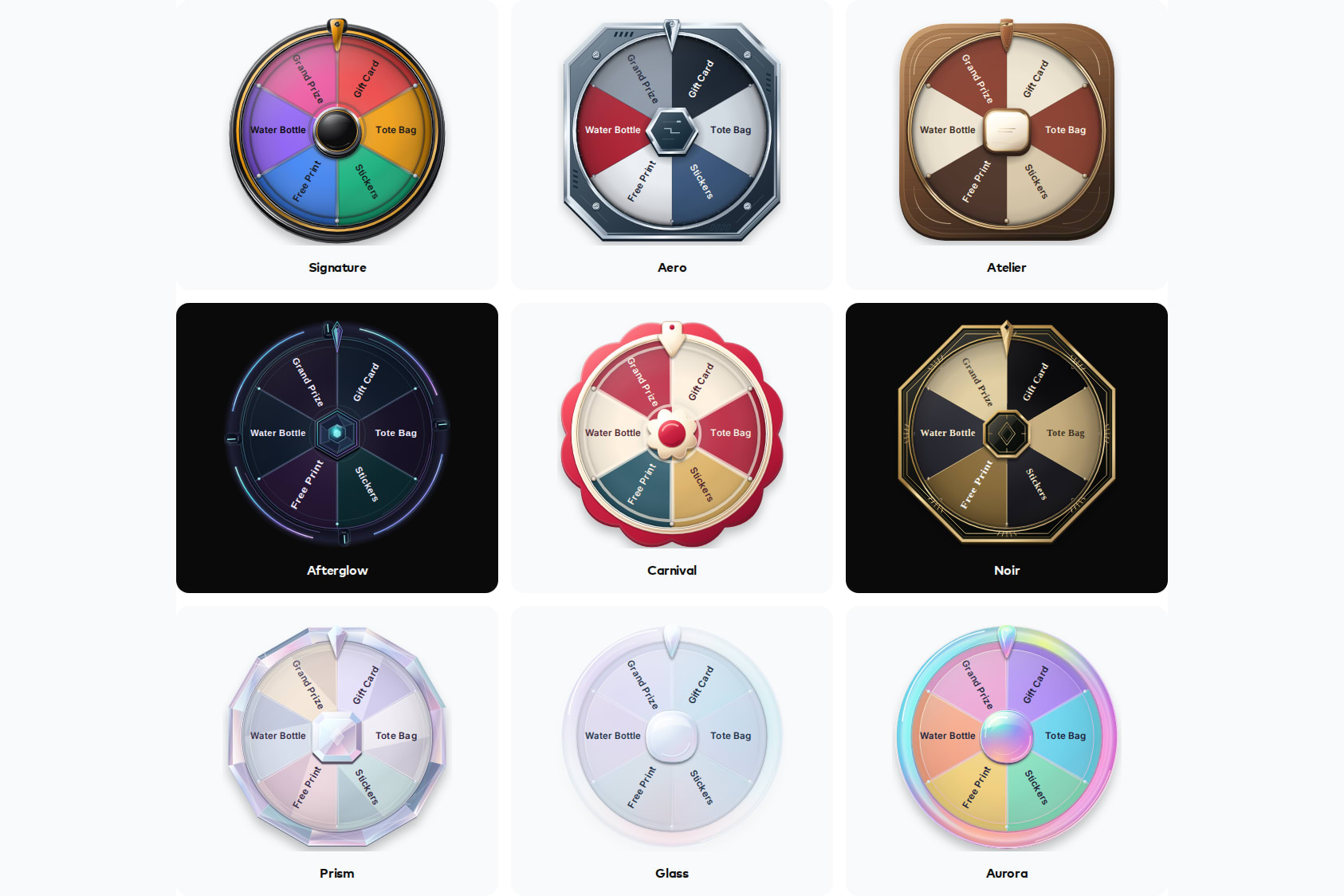
So does letting the crowd do the scoring. When guests vote on each other's content instead of grinding for points, a single good entry can win on day one. See how a crowd-voted leaderboard contest works at a trade show booth. On a big screen the vote becomes a spectator sport; see how a leaderboard display compares to a gallery or slideshow.
Challenge-based networking. "Meet 5 new people and exchange contact info" gamified through a structured framework. This works at conferences where networking is a stated goal but attendees default to checking email in the corner. Structured prompts ("Find someone from a different industry than yours who shares one of your professional challenges") produce better conversations than open networking. The data on structured networking events backs this up: planners rank peer connection among the top drivers of event success, yet few programs reserve real time for it.
These mechanics work. But they're table stakes. Every event technology platform offers some version of points, badges, and leaderboards. If your gamification strategy looks identical to everyone else's, you've created engagement without differentiation.
The Next Wave: Gamification Through Visual Experiences
Here's the question that changes the conversation: what if the gamification mechanic wasn't a point system bolted onto your event, but the experience itself?
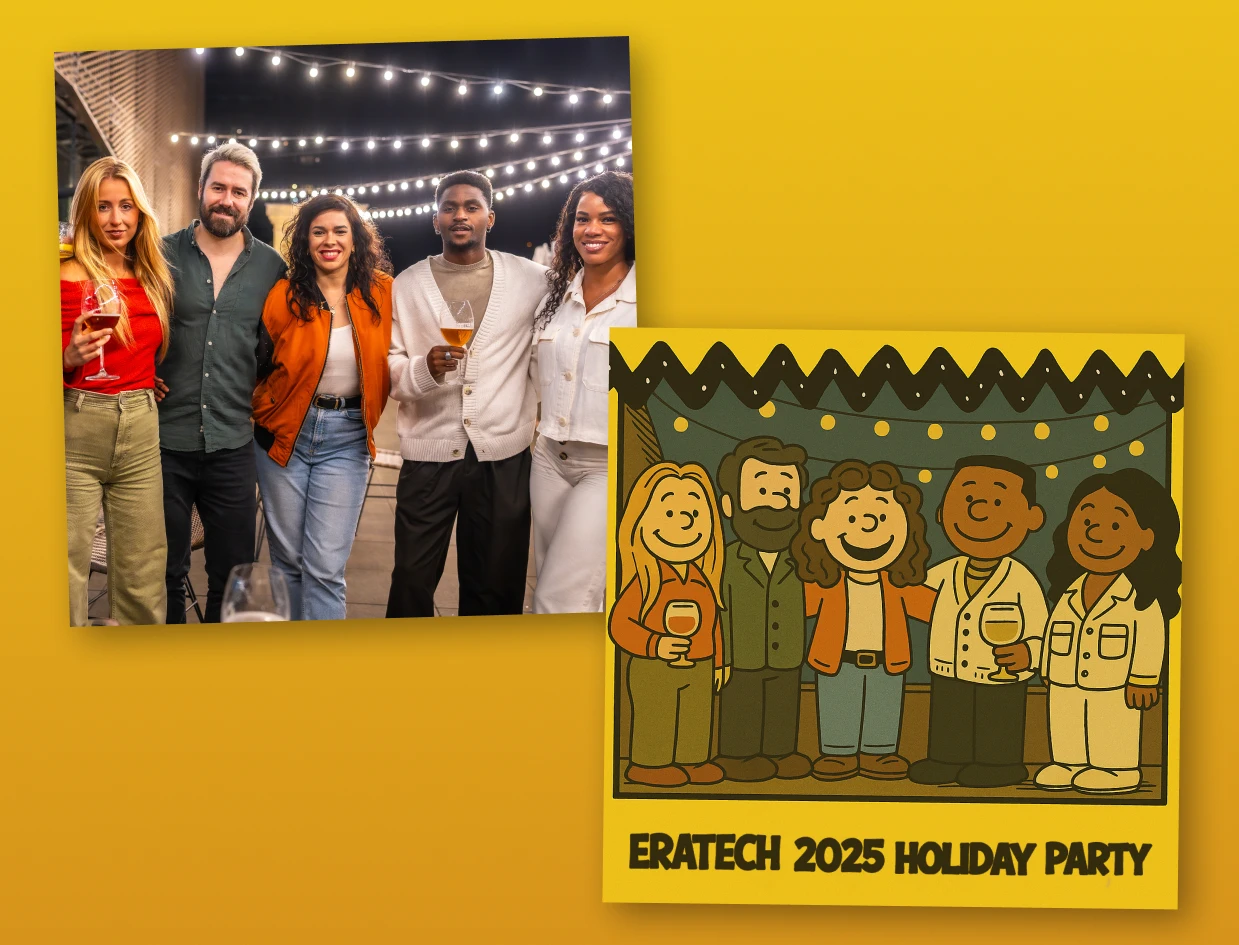
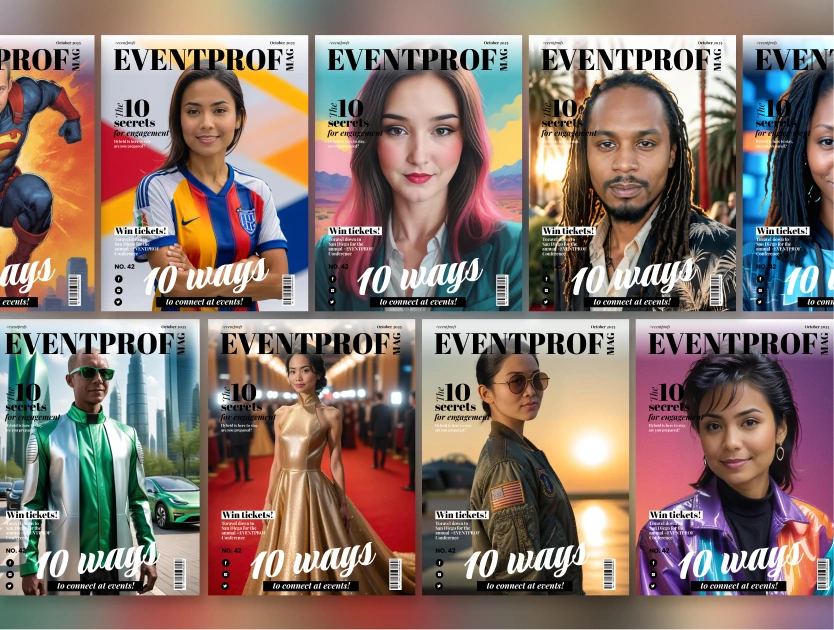
A new category of event activations is emerging where AI-powered creative experiences serve as the engagement loop. Attendees don't earn points for participating. They participate because the output is something they genuinely want: a personalized piece of visual content that's creative, surprising, and immediately shareable. The lead capture happens naturally because the attendee provides their information to receive their creation.
This is where event gamification gets interesting.
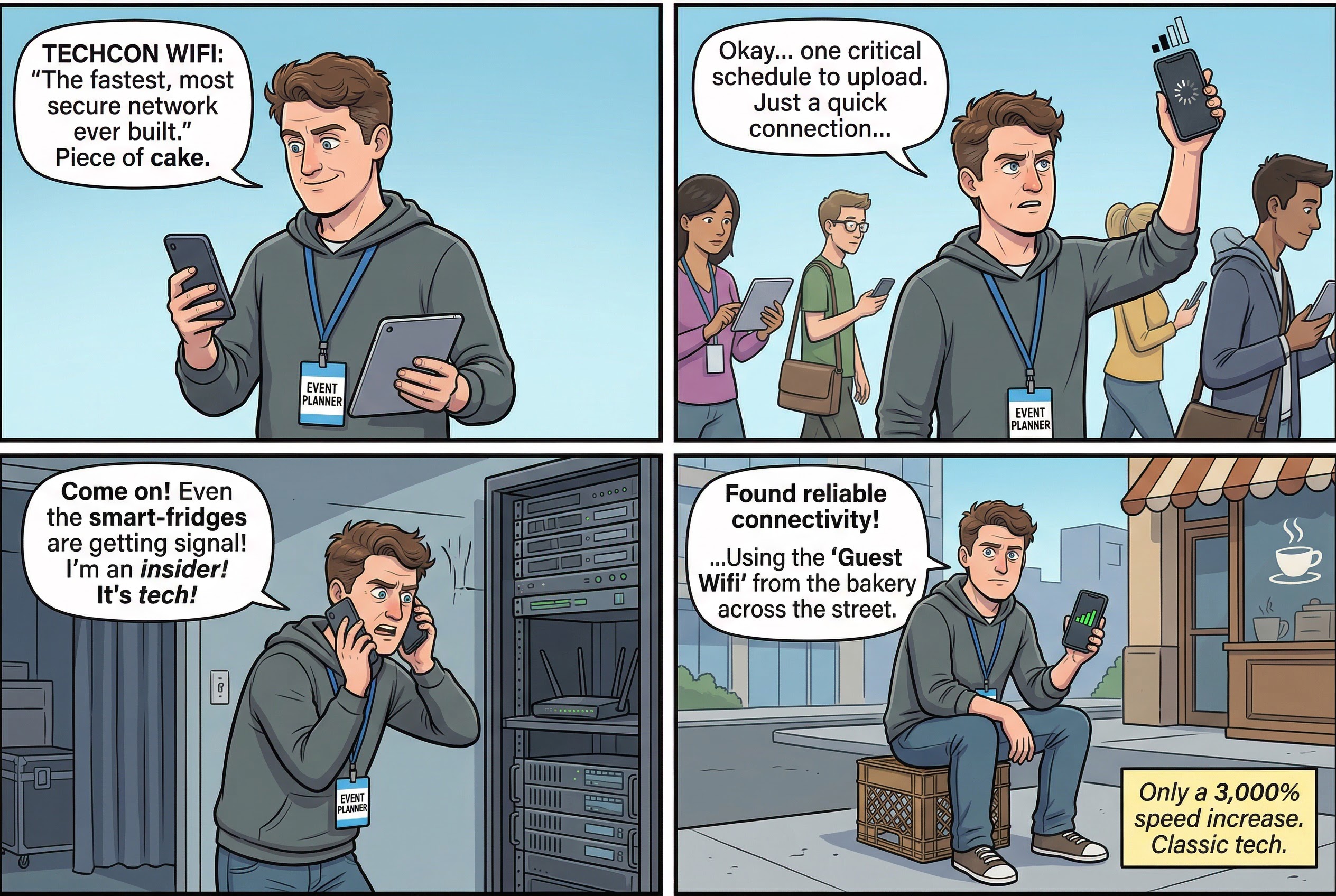
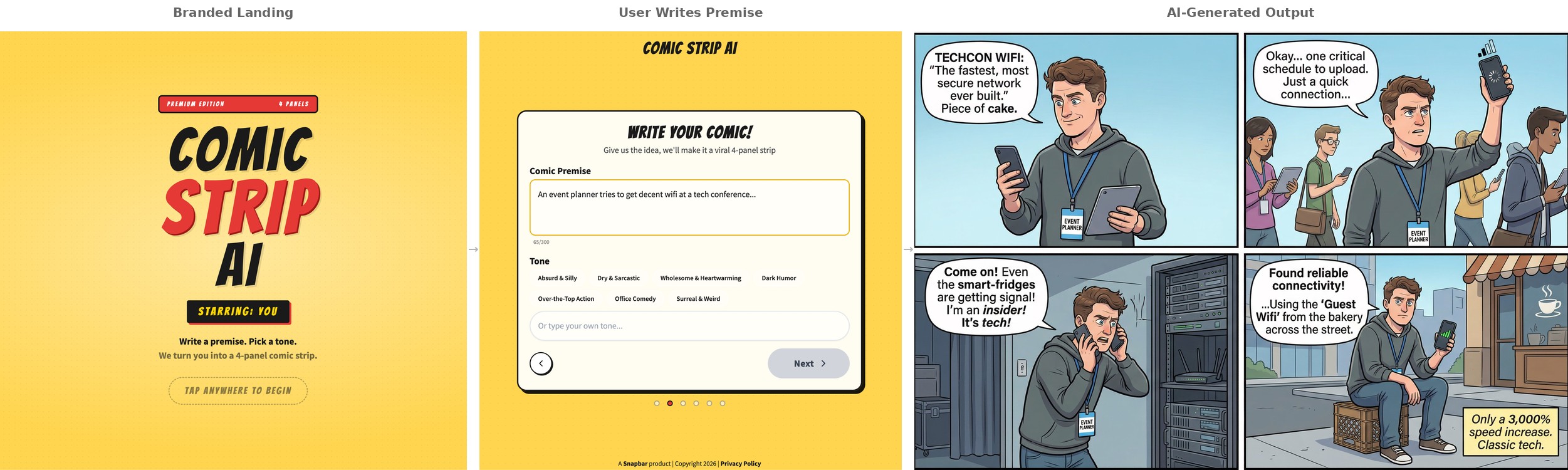
AI-generated comic strips. An attendee steps up, writes a short premise ("me surviving Monday morning meetings"), picks a tone (dramatic, comedic, action), and AI generates a fully illustrated 4-panel comic strip with them as the starring character. Complete with speech bubbles, sound effects, and a narrative arc unique to their input. The output is so personalized and entertaining that sharing it is the obvious next move. Every comic is different because every premise is different. For brands, this creates an endless stream of unique branded content generated by attendees themselves.
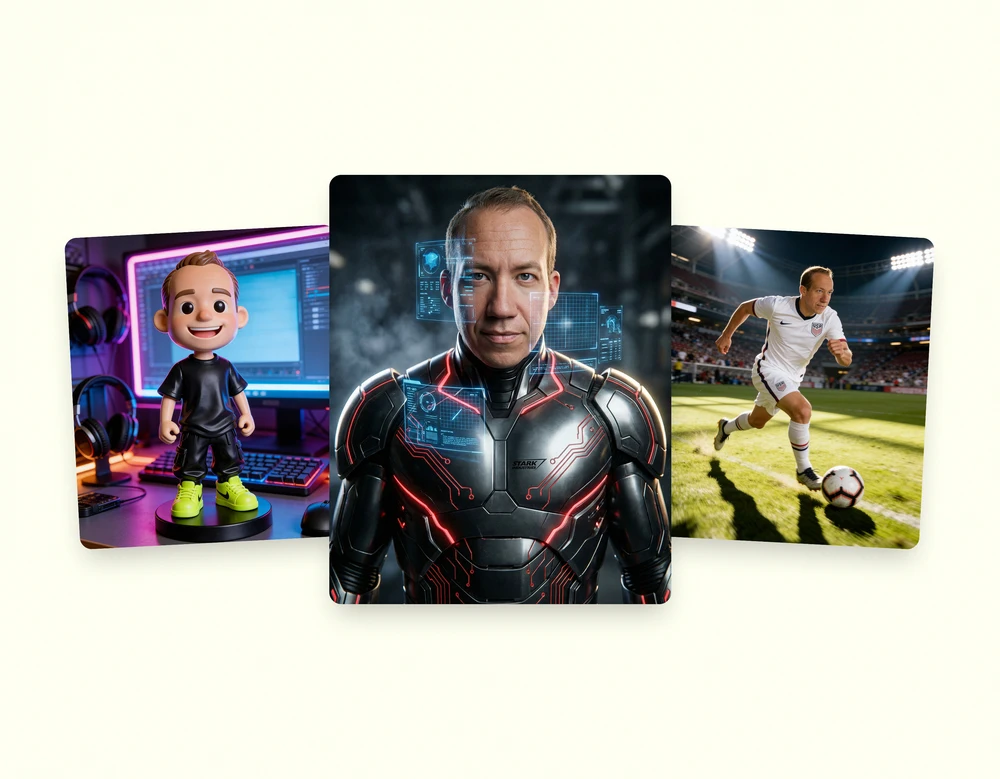
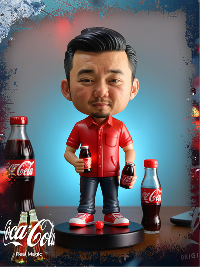
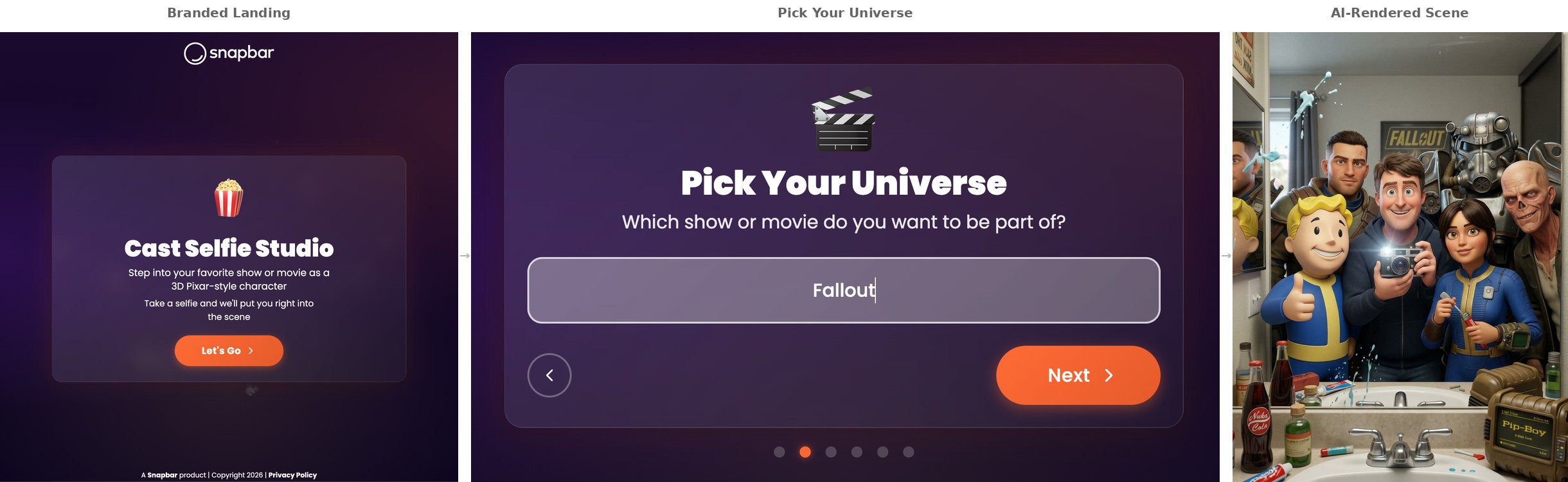
Movie-scene selfie transformations. Take a selfie, and AI renders you as a 3D animated character placed into iconic film and TV scenes. You're suddenly standing in the world of your favorite show, rendered in a style that feels like it belongs there. The pop culture connection creates instant emotional resonance, and the output quality is high enough that people post it without any prompting. For entertainment brands, media companies, or any activation looking for viral potential, this mechanic hits hard.
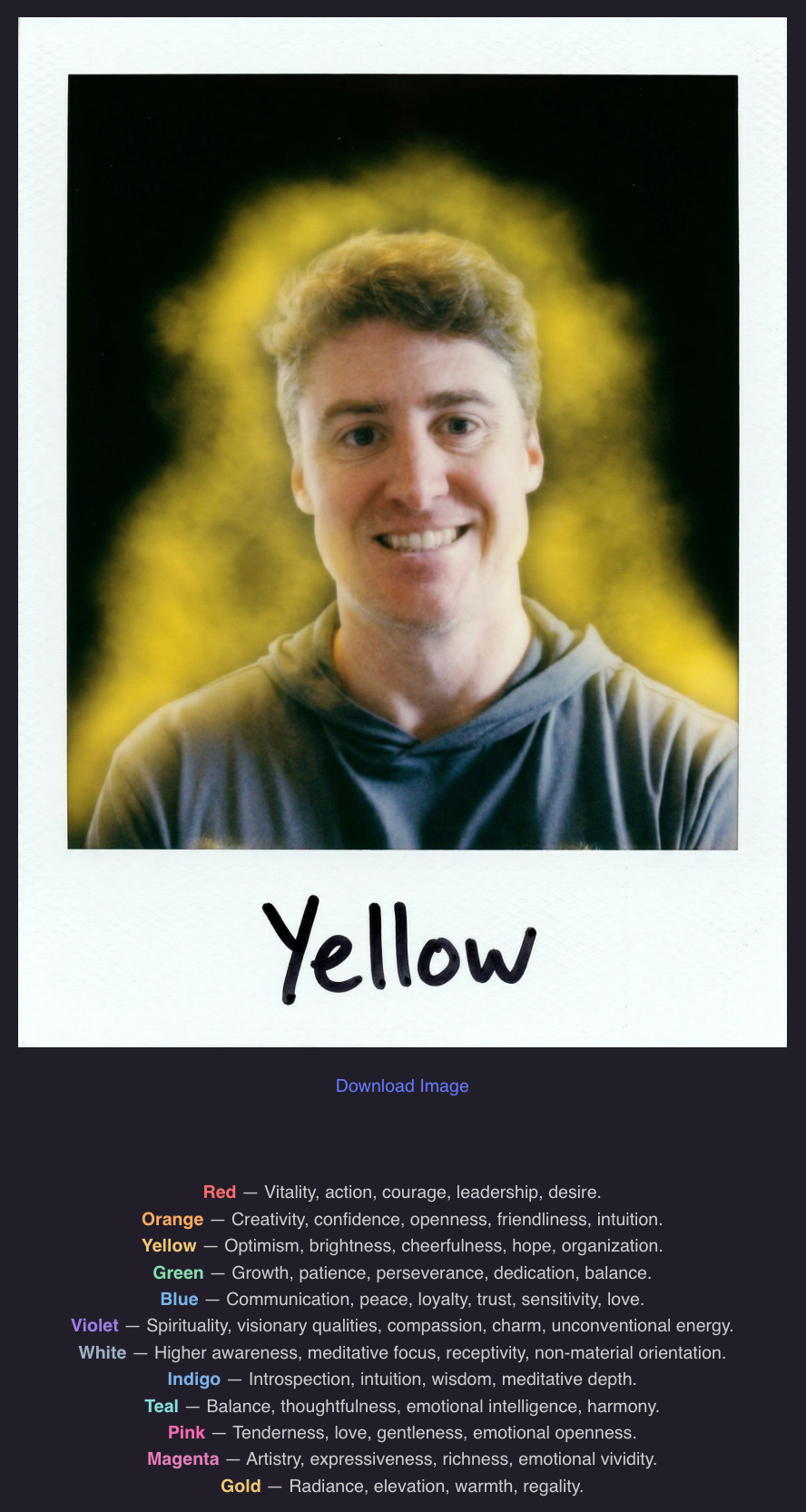
Aura portrait readings. A mystical, visually stunning experience where attendees receive a personalized color portrait with accompanying personality traits. The output is a portrait of themselves surrounded by a luminous aura with a detailed reading of what their color means. It's part personality quiz, part art installation, part conversation starter. People compare results with colleagues, debate whether "Red: vitality, action, courage, leadership" actually describes them, and share the portrait because it looks genuinely beautiful. The gamification is baked into the social dynamic: "What color did you get?"
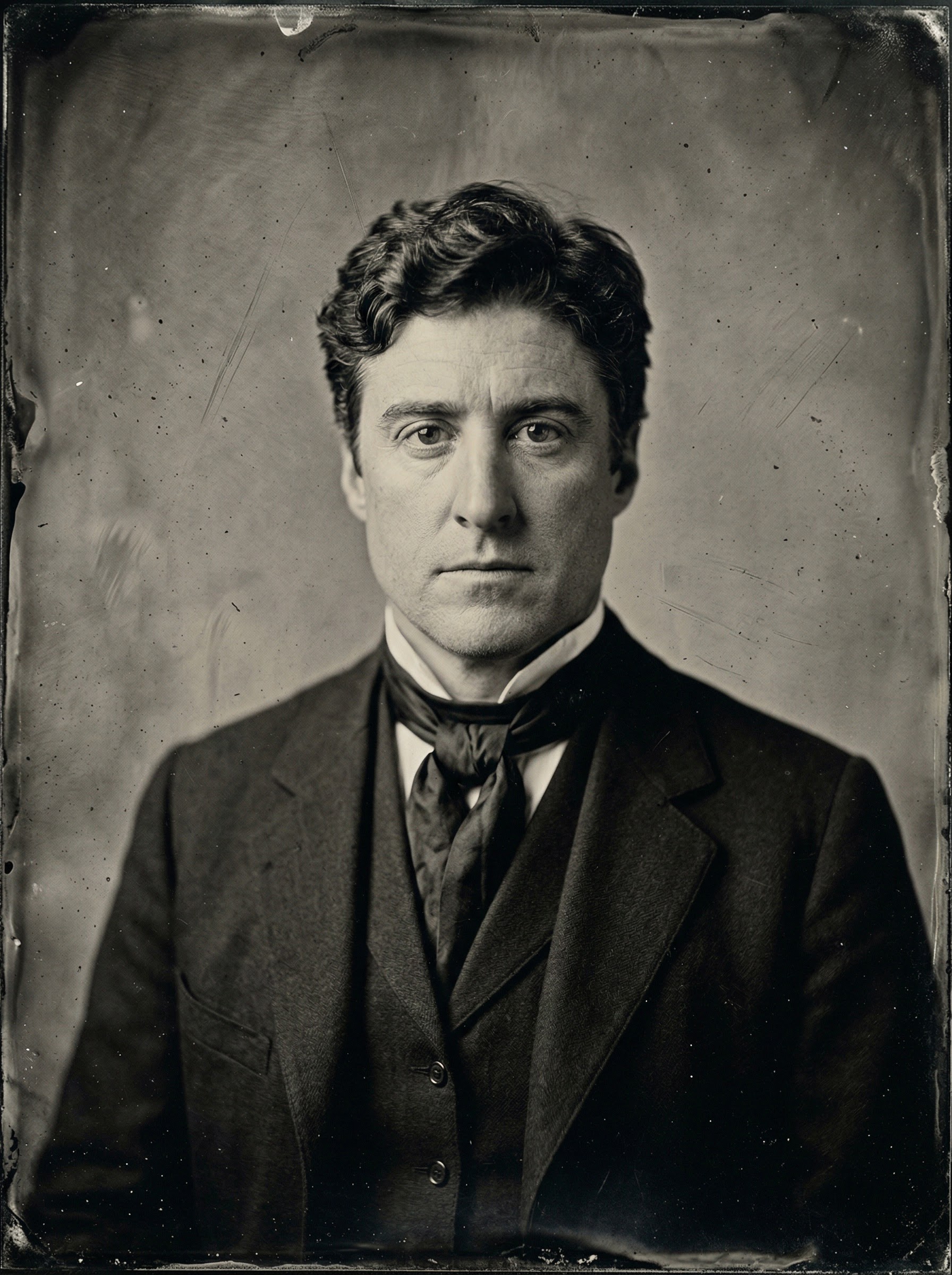
Vintage portrait transformations. Modern selfies transformed into vintage wet-plate tintype portraits that look like they belong in a 19th-century archive. For heritage brands, luxury activations, or museum events, this creates an output with genuine artistic weight. The novelty factor is enormous because the transformation is so dramatic, and the aesthetic quality means attendees treat the result as something worth keeping, not disposable event content.
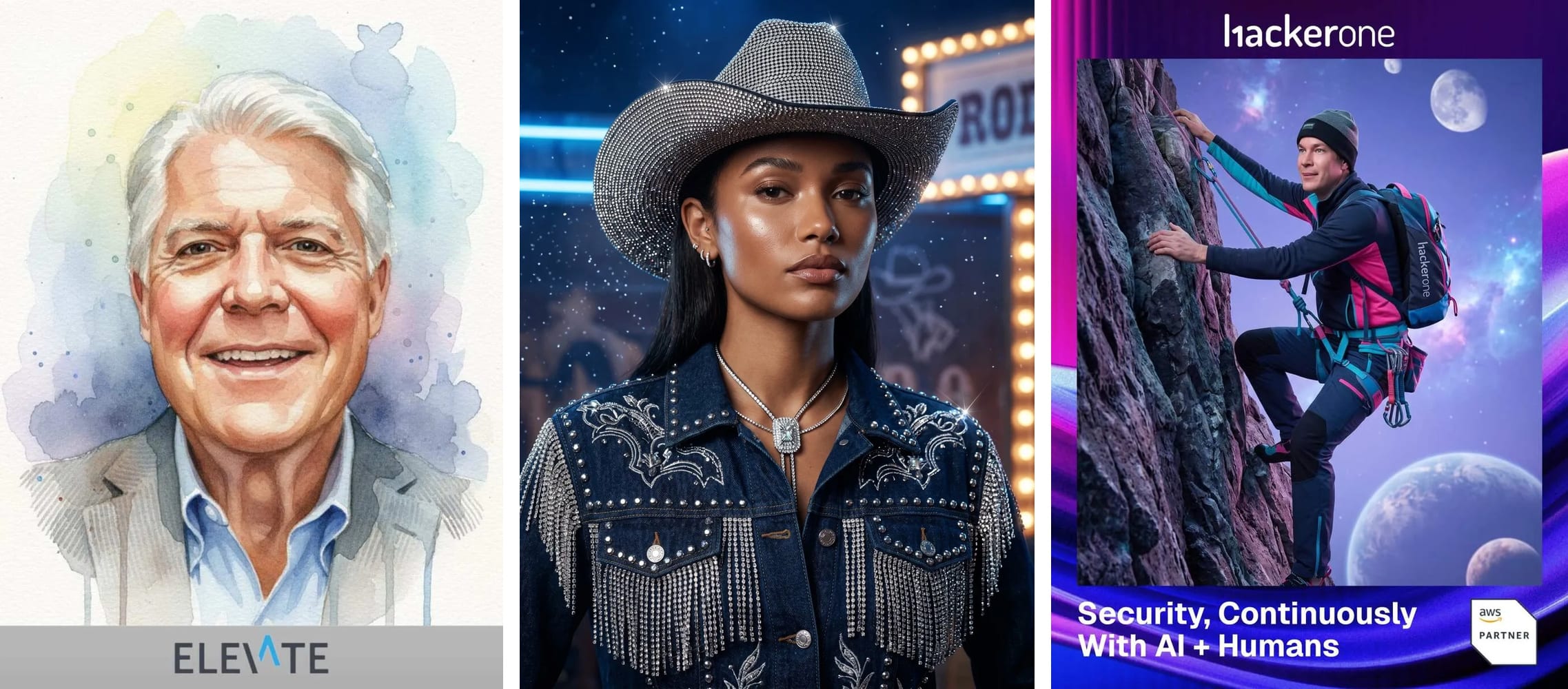
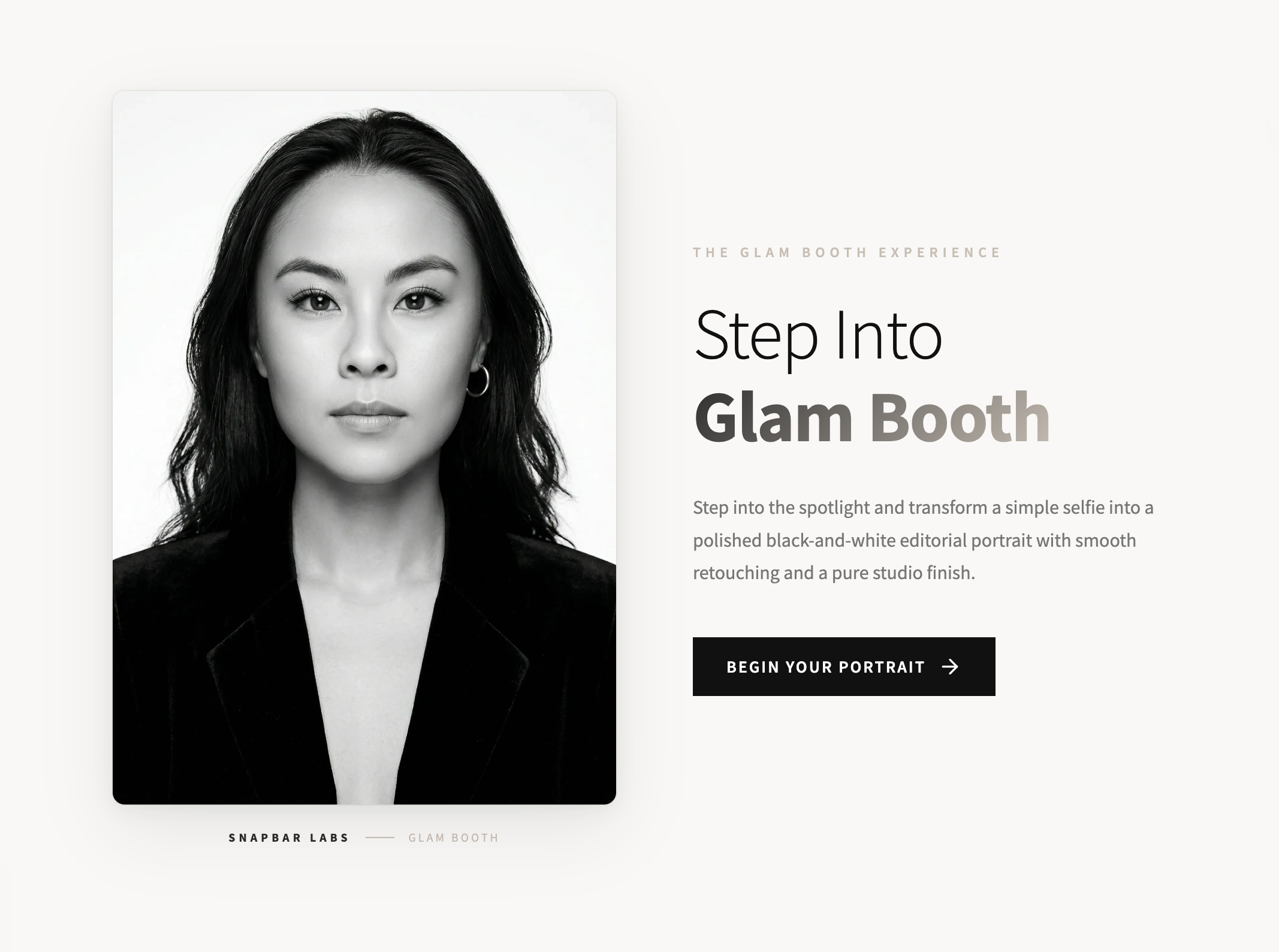
AI-powered editorial portrait studios. A casual selfie becomes a magazine-quality black-and-white editorial portrait with professional retouching and studio-caliber lighting. The perceived value is extremely high (people pay $200+ for professional headshots), and the output is useful beyond the event itself. Attendees use these as LinkedIn photos, social media profile pictures, and professional headshots. That means your brand activation continues generating impressions months after the event.
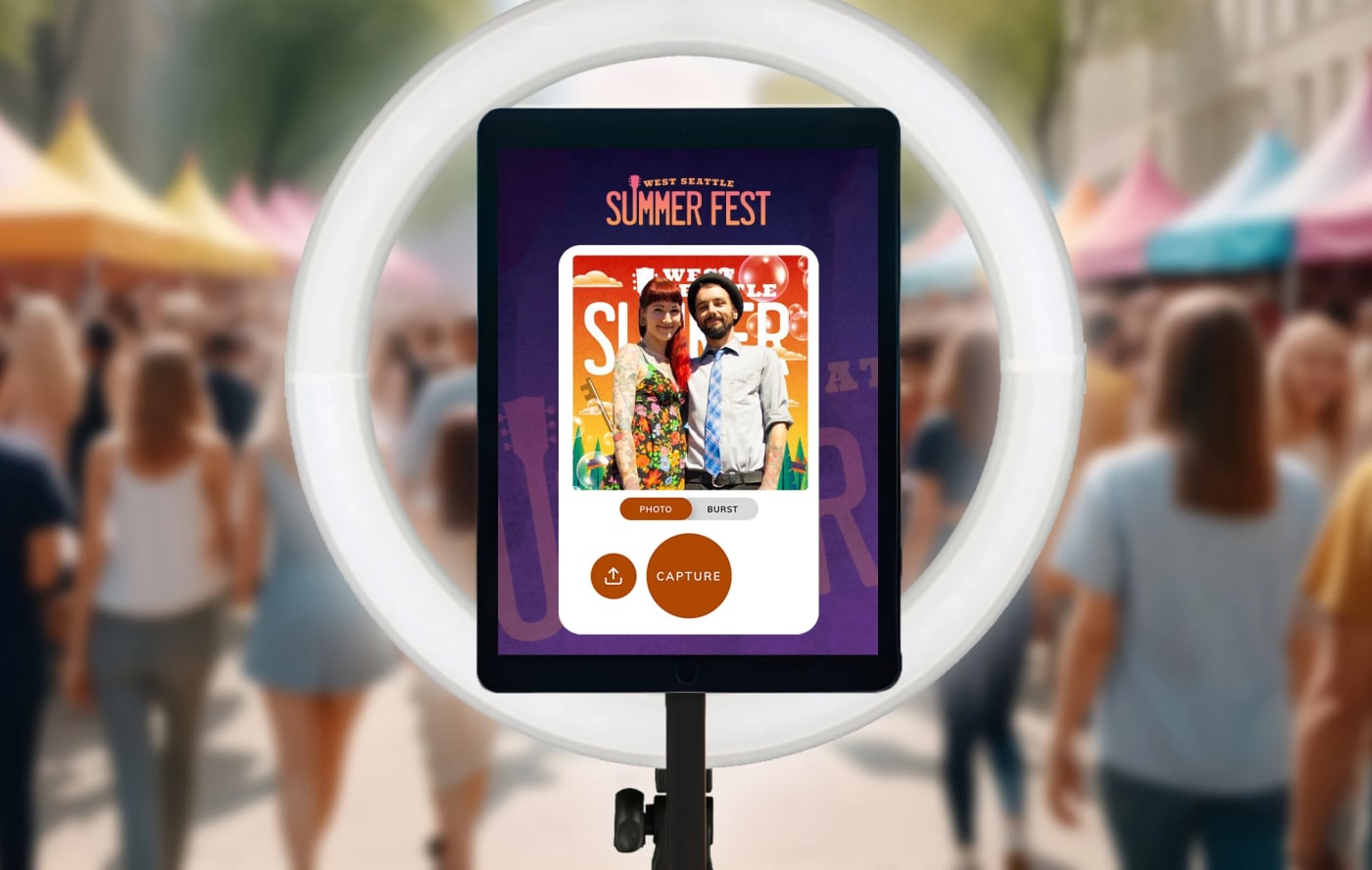
Virtual product try-on experiences. AI-powered stations where attendees see themselves wearing or using products in real time. For consumer brands, retail activations, or product launches, this turns passive product displays into interactive experiences where attendees engage with the product personally. The gamification element is the exploration itself: "What do I look like in these?" becomes the engagement loop.
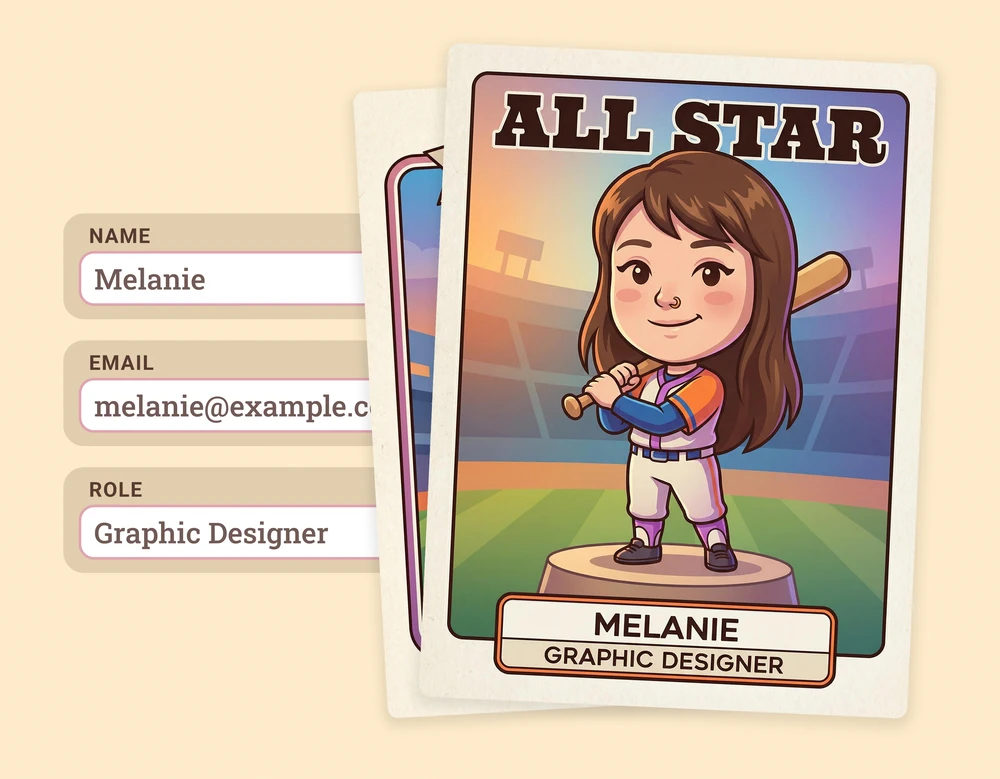
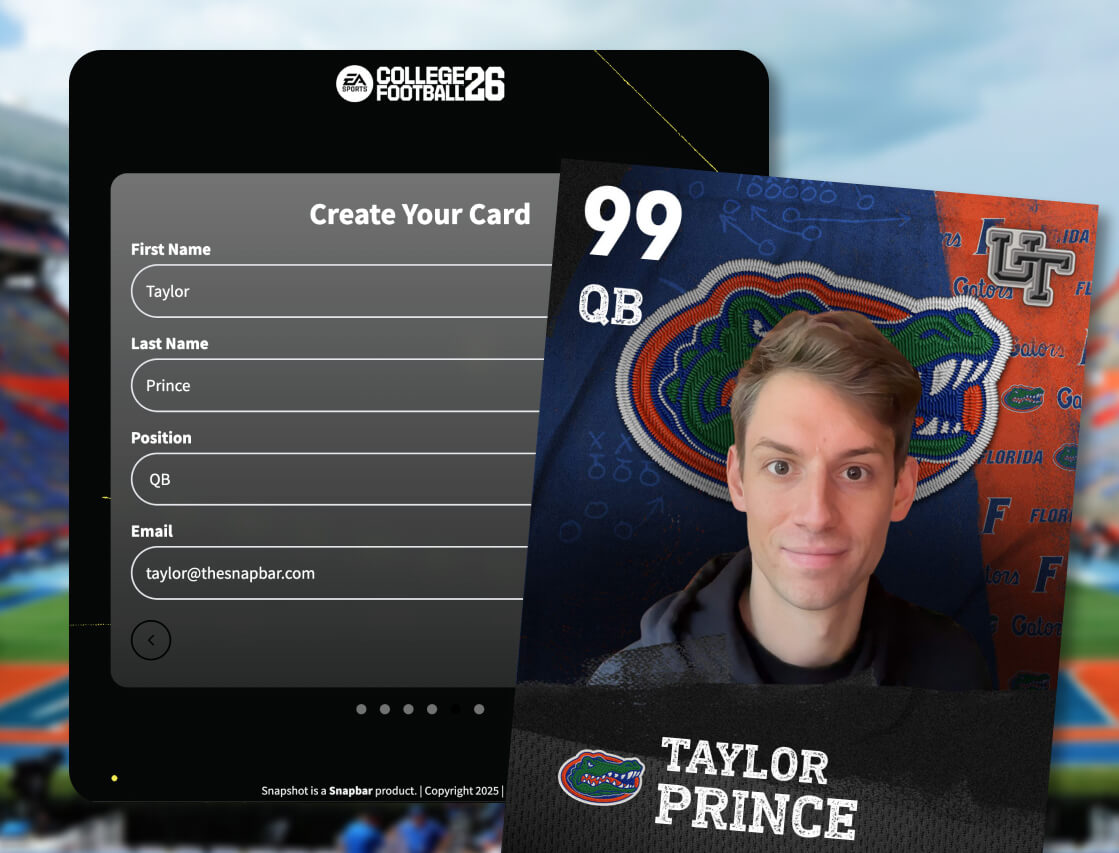
Collectible trading cards. Attendees become the collectible. Their photo and custom survey responses generate a personalized trading card with stats, attributes, and a unique design. The collection mechanic is powerful: attendees visit multiple stations to "collect" different card variations, trade with other attendees, and complete sets. This drives foot traffic organically (they need to visit stations), generates lead data (survey responses), and creates a social dynamic that sustains engagement throughout the event.
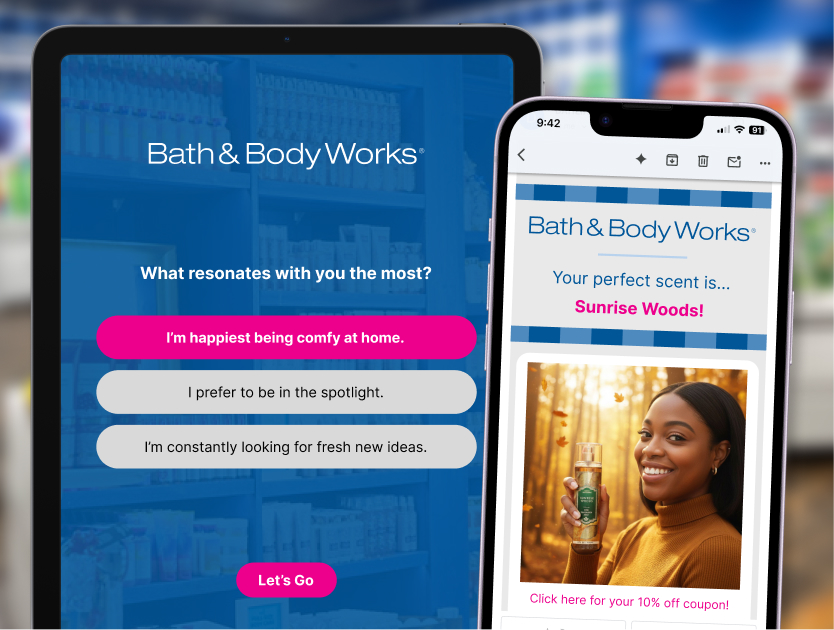
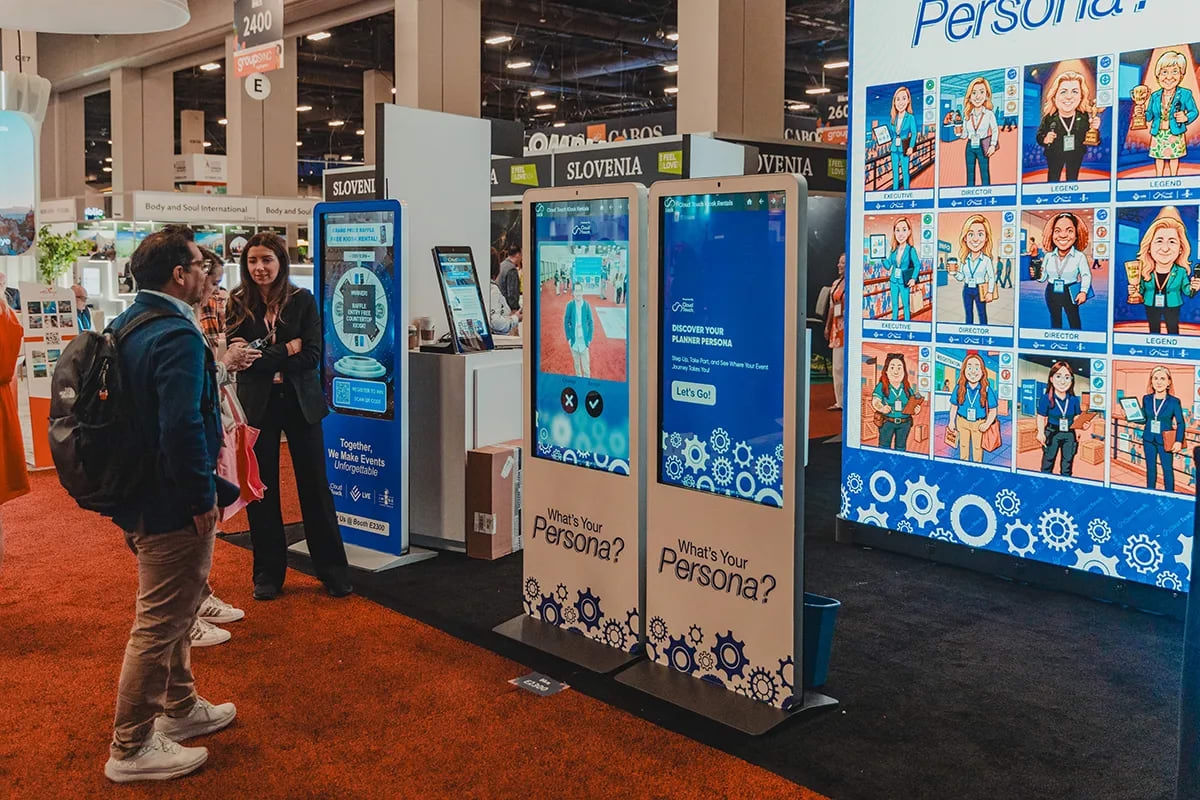
Persona quiz activations. Attendees answer a series of questions and receive a personalized AI-generated portrait that represents their "type." The quiz mechanic is inherently engaging (people love learning about themselves), the AI portrait gives it a visual payoff that generic quiz results can't match, and the persona framework creates natural social sharing ("I got The Strategist, what did you get?"). Every response is also a data point your sales team can use for follow-up segmentation.
The through-line across all of these: attendees willingly share their contact information because they genuinely want the output. There's no friction in the data capture because the exchange feels fair. You give your email, you get a personalized comic strip starring you. That's not a transaction people resent. That's what great experiential marketers call the exchange that benefits both sides.
One more thing worth noting: this level of custom creative work used to require a full-service agency and a six-figure budget. Web-based platforms built on flexible AI infrastructure can deliver the same creative ambition at a fraction of the cost, and scale from an intimate 100-person dinner to a 100,000+ attendee conference without additional hardware or staffing.
How to Plan Event Gamification That Drives Results
Whether you're deploying traditional mechanics or visual experience activations, the planning framework is the same. Start with objectives, not mechanics.
Step 1: Define what you want attendees to do. "Increase engagement" is not specific enough. Useful objectives sound like: "Drive 60% of attendees to visit at least 3 exhibitor booths." "Capture lead data from 40% of conference attendees." "Generate 500+ pieces of branded content shared on social media." The objective determines the mechanic, not the other way around.
Step 2: Match the mechanic to the behavior. Need booth traffic? Scavenger hunts and collectible trading cards both work, but trading cards create a stronger completion loop. Need social content? AI-powered visual experiences generate higher-quality, more shareable outputs than hashtag contests. Need lead qualification data? Persona quizzes capture richer data than simple contact forms because the questions feel like part of the experience, not a gate.
Step 3: Remove friction from participation. Every barrier between "I'm interested" and "I'm participating" costs you conversions. The best activations are web-based: attendees scan a QR code on their own phone and they're in. No app downloads. No login screens. No waiting in line for a single kiosk. If someone can participate from their seat during a session break, your participation rate will be dramatically higher than if they have to walk to a specific booth and wait.
Step 4: Design the data capture as part of the experience. Do not bolt on a registration form before the fun starts. The most effective approach integrates data capture into the natural flow. An attendee types their premise for a comic strip (creative engagement), picks their tone (preference data), enters their email to receive the result (contact capture), and optionally answers a custom question (qualification data). The whole sequence feels like one continuous experience, not "fill out this form, then play."
Step 5: Plan measurement from day one. Decide in advance what success looks like and how you'll track it. If you can't measure it before the event, you won't be able to prove it after.
Measuring Event Gamification ROI
Event teams that can't quantify the impact of their activations don't get budget increases. Here's a practical framework for measuring event gamification ROI, organized from most immediate to most strategic.
Participation rate. What percentage of total attendees engaged with the gamification element? Benchmarks vary by mechanic: scavenger hunts typically see 30-45%, visual experience activations can hit 50-70% because the barrier to entry is lower and the output is more desirable. If participation is below 20%, the mechanic is either poorly positioned, too complicated, or not compelling enough.
Completion rate. Of those who started, how many finished? A high drop-off between "started" and "completed" signals friction in the experience. For multi-step activations (trading card collections, multi-station scavenger hunts), track completion by stage to identify where people disengage.
Content generation and share rate. How many pieces of branded content were created, and what percentage were shared on social media? Visual experience activations have a significant advantage here because the output is inherently shareable. Track both volume (total pieces created) and amplification (shares, impressions, reach).
Lead capture rate. The percentage of participants who provided contact information. In traditional gamification, this is often a separate step (fill out a form to claim your prize). In experience-based gamification, it's built into the flow. Well-designed visual activations consistently achieve 90%+ lead capture rates because the email address is how attendees receive their content. Content delivery emails from these types of activations see open rates above 90%, which means your follow-up messaging is landing in front of people who actually want to hear from you.
Lead quality and pipeline influence. The metric that matters most to the people writing checks. How many of the captured leads matched your ideal customer profile? How many entered your sales pipeline? How many influenced revenue? This requires CRM integration and follow-up tracking, but it's the only way to move gamification conversations from "that was fun" to "that generated pipeline."
A common mistake: measuring only participation and declaring success. A thousand people played your trivia game, great. How many of them are potential buyers? Participation without qualification is activity, not impact.
Key Takeaways
Gamification is behavior design, not game design. Every mechanic should connect to a specific business objective. If it doesn't drive a behavior you care about, it's entertainment without purpose.
Traditional mechanics are table stakes. Points, badges, and leaderboards work, but they don't differentiate. Every event technology platform offers them.
Visual experience activations are the next wave. AI-powered creative experiences where the output IS the engagement loop generate higher participation, better content, and more willing data capture than traditional point systems.
Data capture should be invisible. The best activations make sharing information feel like a natural part of the experience, not a form to fill out before the fun starts.
Measure what matters to the budget holders. Participation rates are nice. Pipeline influence is what gets your budget renewed.
Ready to gamify your next event with experiences attendees actually want?
See how AI-powered visual activations drive participation, branded content, and qualified leads without the six-figure agency price tag.
Get a QuoteOr explore: AI Photo Booth | How It Works