
Table of Contents
Half an hour into the opening reception, the conference photo lounge is the busiest thing on the floor. Fourteen people are waiting, the screen behind them is filling up, and from where you're standing that's either the best result of the day or the moment you started losing guests. The line itself won't tell you which.
Throughput is the part of an activation most teams never get a number for, and it decides how many of the two thousand people in the building leave with something branded. So: the arithmetic, what changed this September, and what the platform can and can't report afterwards.
Key takeaways
- Hourly output at a capture point is arithmetic, not luck. It's set by how long one full turn takes.
- You lose people at the back of the line, not the front, which is why a second capture point usually beats a faster one.
- Two September changes to the Digital Photo Booth shorten the turn without rushing anyone: the pause before the shutter can suit the shot, and guests fix their own framing instead of starting over.
- Your activation reports submissions by hour. It doesn't report retakes, and nothing reports the conversation that started in the queue.
What is a conference photo lounge?
A conference photo lounge is a dedicated capture area on the event floor where guests make something branded and receive it while they're still at the show. The word lounge describes where it sits more than what it does: near registration, beside the coffee, in the twenty minutes between a keynote and the breakouts.
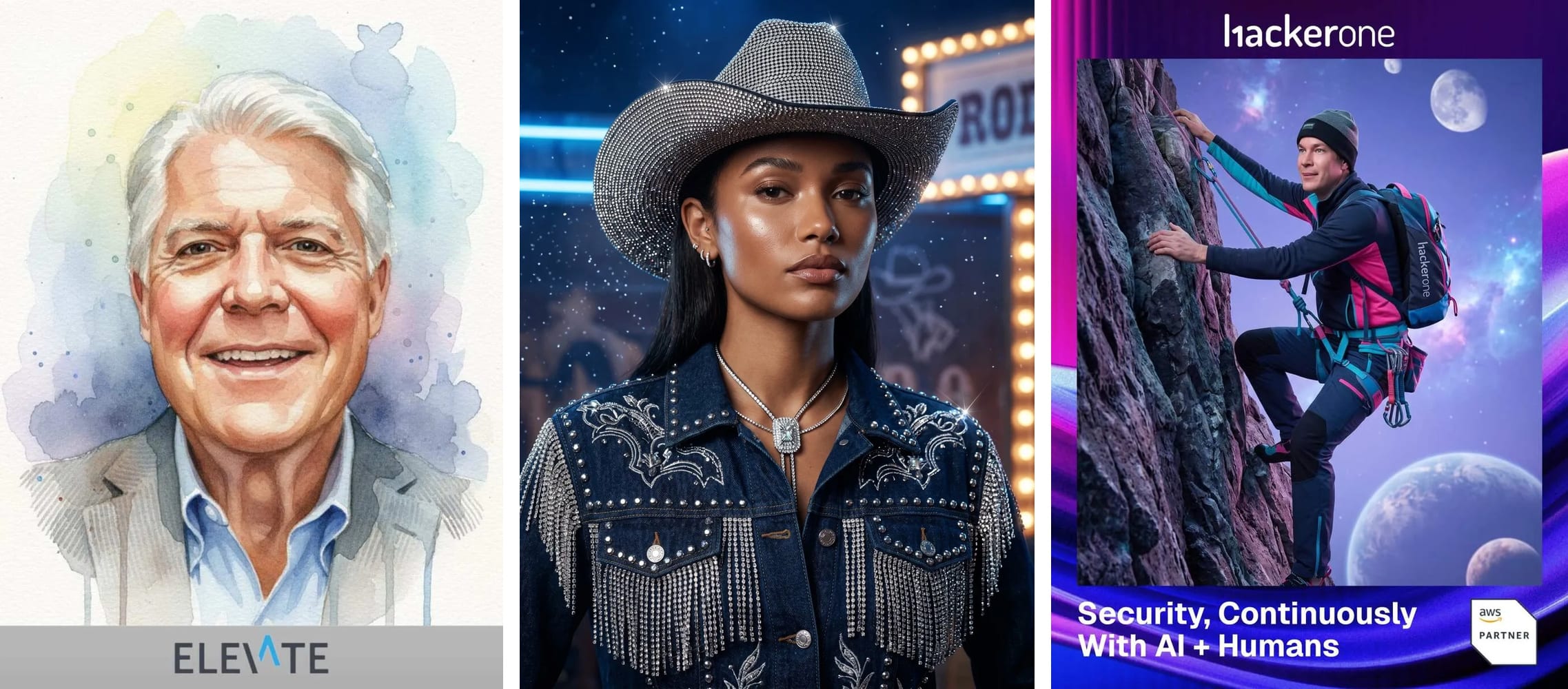
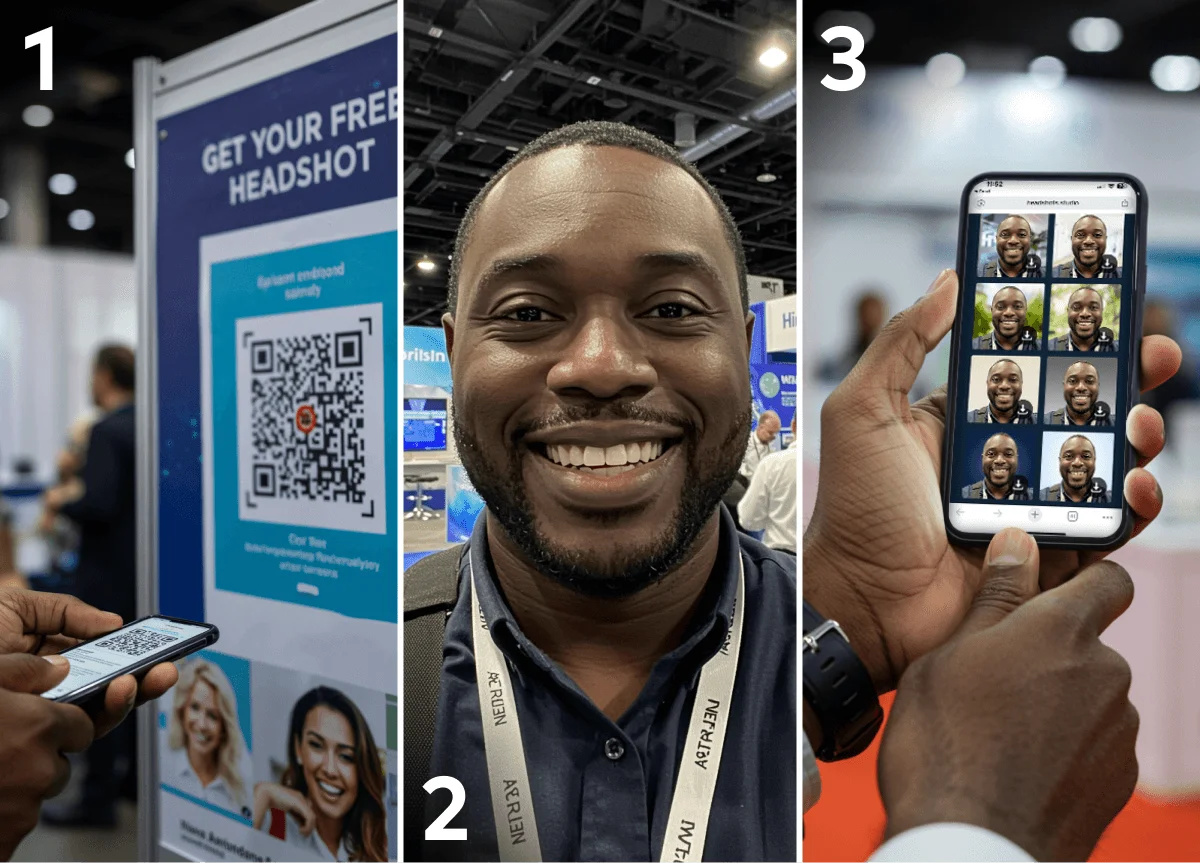
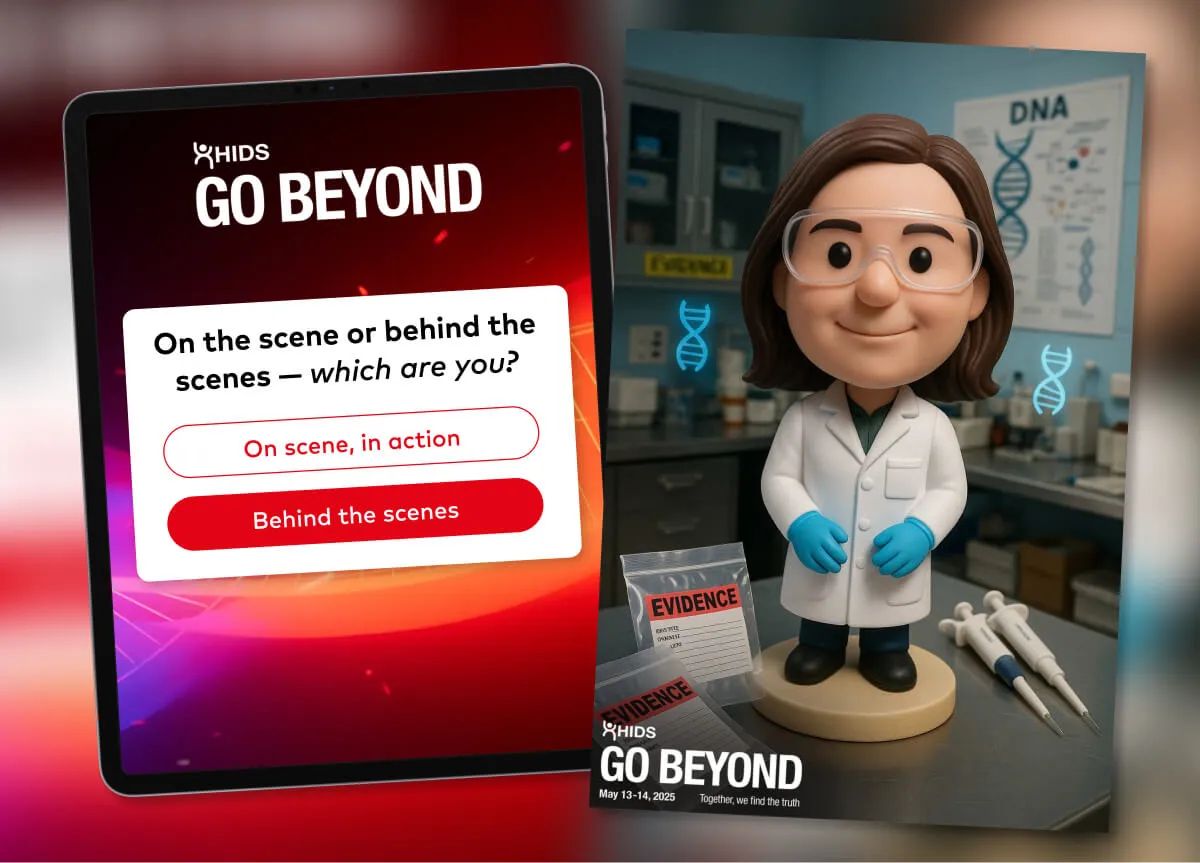
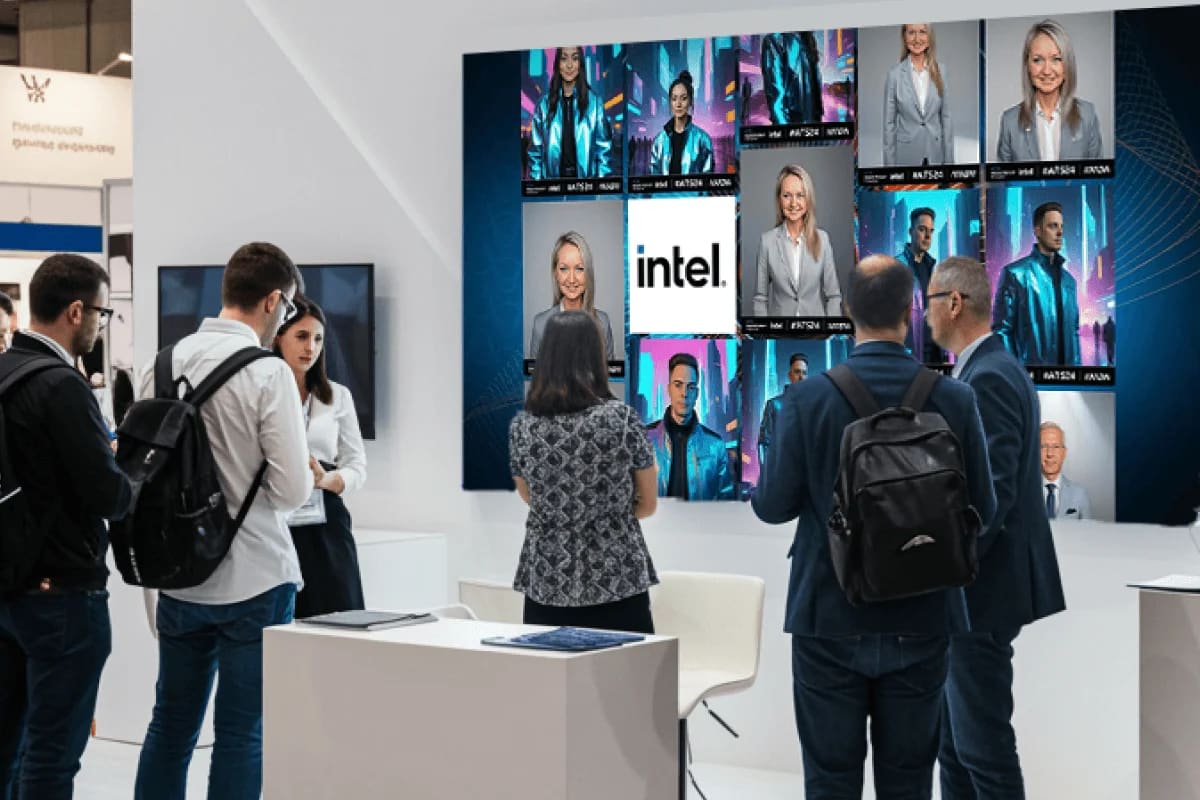
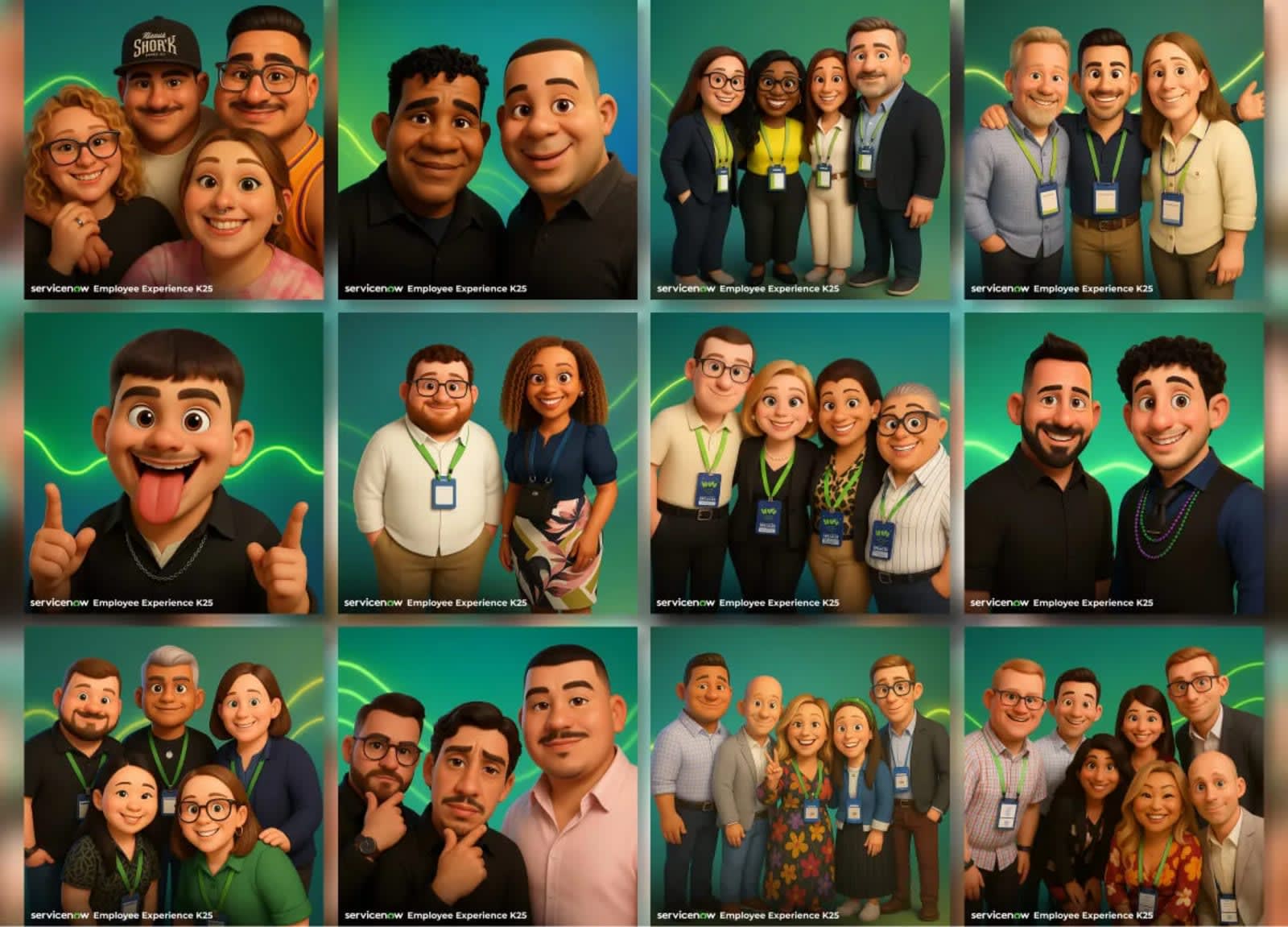
What guests make varies far more than the setup does. AI portraits in a theme the brand chose. Trading cards carrying a name and a job title. A polished portrait at an Event Headshots lounge, which is what most people picture when they hear the word. Group shots for four colleagues who came together. The format menu for conferences and large events is longer than any single floor needs.
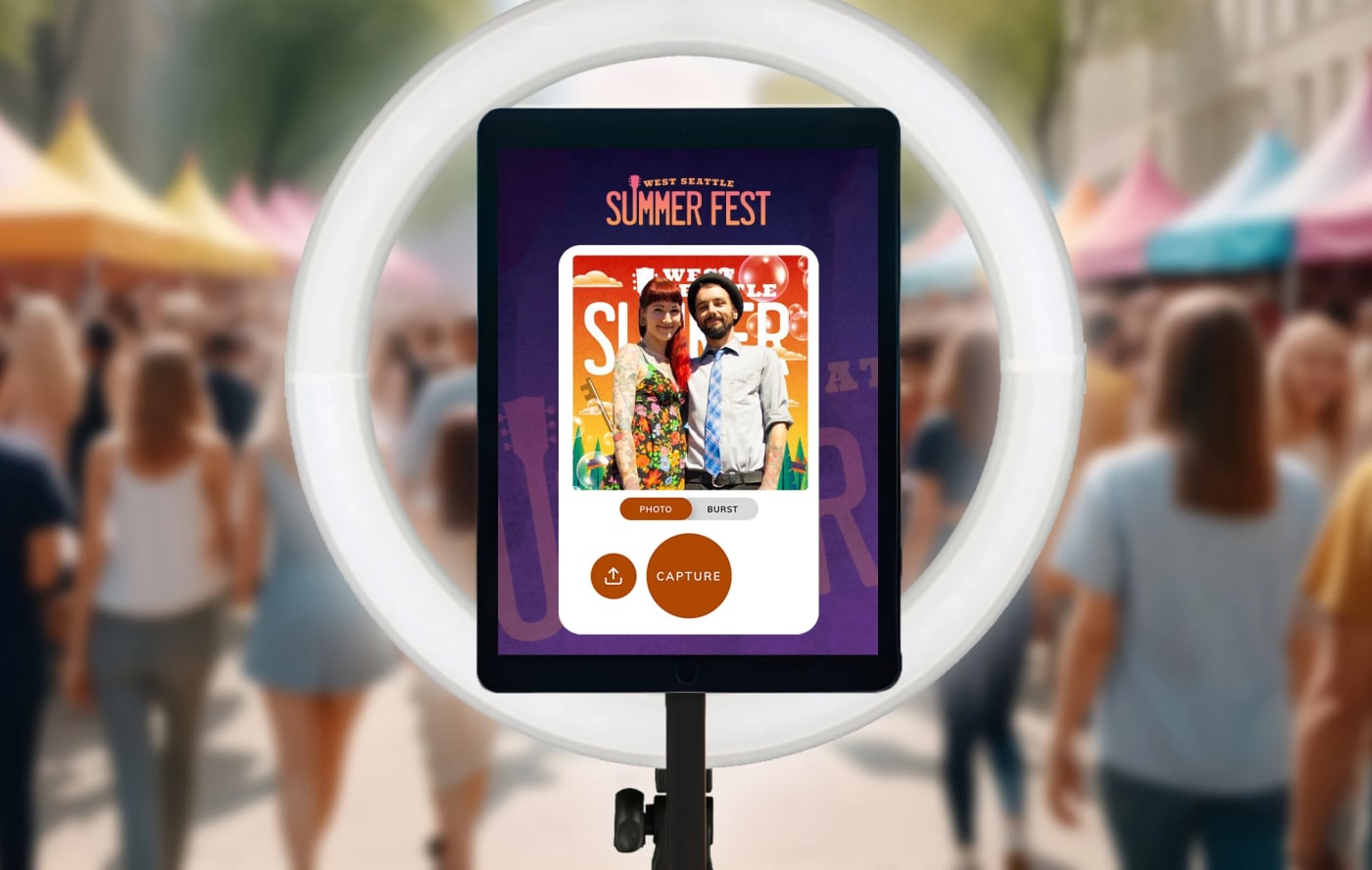
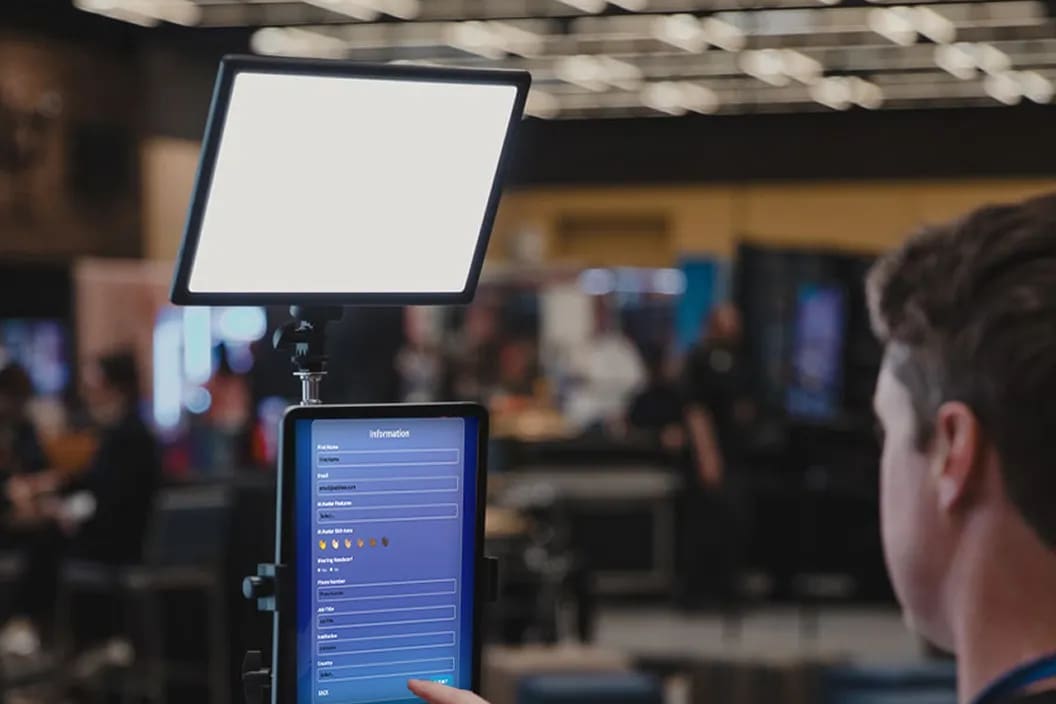
Underneath, it's a browser-based experience running on whatever the venue allows: a kiosk, an iPad on a stand, a laptop at a desk, or guests' own phones by QR code. That detail is what makes throughput solvable.
Why does a photo lounge line stall?
Almost never because the activation is slow. A line stalls because waiting feels longer than it is, and because the people least invested in it are the ones who quietly leave.
David Maister's eight propositions on the psychology of waiting lines have held up since 1985, and three describe a photo lounge precisely. Unoccupied time feels longer than occupied time, so a queue with nothing to look at drags. Uncertain waits feel longer than known, finite ones, so "about four minutes" beats saying nothing. Solo waits feel longer than group waits, which is why the guest who walked over alone peels off first.
Richard Larson made the sharper point in Operations Research in 1987: people judge a queue on whether it's fair and whether it tells them anything, and how they feel about it doesn't track the delay in a straight line. Six minutes in a line that's visibly moving beats four in a scrum where someone's friend just cut in. Average wait is the easiest number to picture and close to the least useful to manage.
All of this assumes a line exists. If yours doesn't, that's a different problem: activations fail for reasons that are rarely the technology.
How many photos per hour can one capture point actually produce?
Take sixty minutes and divide by one full turn. That's the ceiling; the real number sits below it by however many people walk away first.
John Little proved the underlying relationship in 1961: the number of people in a system equals the arrival rate times the time each spends in it. At one capture point that collapses into two levers, a shorter cycle or more capture points. And cycle time isn't one thing; the parts you can move aren't always the ones teams try to move.
| Step in one turn | What's happening | How much control you have |
|---|---|---|
| Walk up and start | Working out what this is | High. Signage and a host cut it to seconds |
| Data capture step | Name, email, anything else you ask | High. Every extra field costs you every turn |
| Pick a style | Choosing from the loaded looks | High. Four styles is a choice; twelve is a decision |
| Countdown and capture | On-screen count, ticks, shutter | High. The pause before the shutter is yours to set |
| Framing fix | Fixing the crop, or going again | Medium. Guests reframe their own shot on a Digital Photo Booth |
| Submit and step aside | Confirming, then clearing the area | Medium. Depends on there being somewhere obvious to go |
Delivery isn't in the table. It reaches the guest by email or text after they've walked away, so it never sits inside the cycle. What does sit across every row is group size: four colleagues in one frame is one turn, not four.
Rental operators publish sessions-per-hour rules of thumb. We've left their numbers out: those come from an enclosed booth with a printer, a different machine to the one you're sizing.
What shortens the cycle at the capture point?
Two things, and neither of them is the camera: how long a guest has to hold still, and whether they have to start over.
Hold-still time isn't one number. Someone on their own is ready the moment they step up. Four colleagues squeezing into one frame need a few seconds to sort themselves out. Since September the Digital Photo Booth lets you set that pause separately for each look in the lounge, so the solo portrait runs short and keeps the queue moving while the group shot gives people time to settle. Same lounge, same afternoon. Worth deciding with your team before load-in rather than at the capture point with eleven people watching.
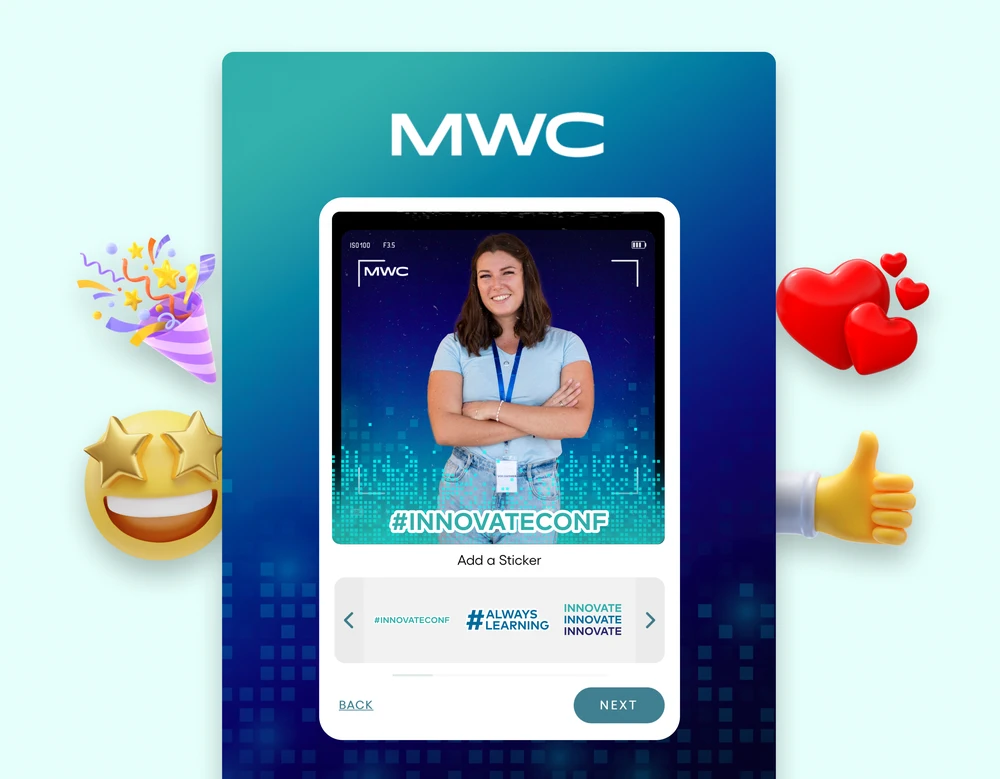
Starting over is the expensive one. A retake repeats the whole turn while everyone behind waits, and most are asked for over something small: a head slightly off centre, one person half out of frame. Guests can now adjust their own photo after the shutter rather than going again, which takes away most of the reasons to ask. Fewer restarts is a queue that keeps moving and a guest who leaves with a photo they actually like.
See it in action
Build your own Digital Photo Booth activation
Branded capture on a kiosk, an iPad, a laptop or guests' own phones, built so people get a shot they're happy with the first time.
Explore Digital Photo BoothAt a trade show booth both of these are staff choreography, and our guide to drawing a crowd at your trade show booth covers them from that angle. At conference scale they decide whether you need one capture point or two.
Why does a second capture point beat speeding up the first?
Because the guests you lose aren't at the front of the line. They're at the back, and they're gone long before any second you shave off the capture step reaches them.
Ryan Buell published the study in Management Science in 2021. Standing in last place lowers how satisfied people are with a wait and raises the odds they switch queues or abandon them, partly because there's nobody behind them to compare themselves to. Queue transparency is a real design lever: when people can see they aren't last, the urge to give up drops sharply.
Throughput goes up when the back of the line stops leaving
In a system-level experiment, addressing last-place aversion increased total service throughput at equivalent arrival and service rates. Nothing about the service got faster; fewer people abandoned it (Buell, Management Science, 2021).
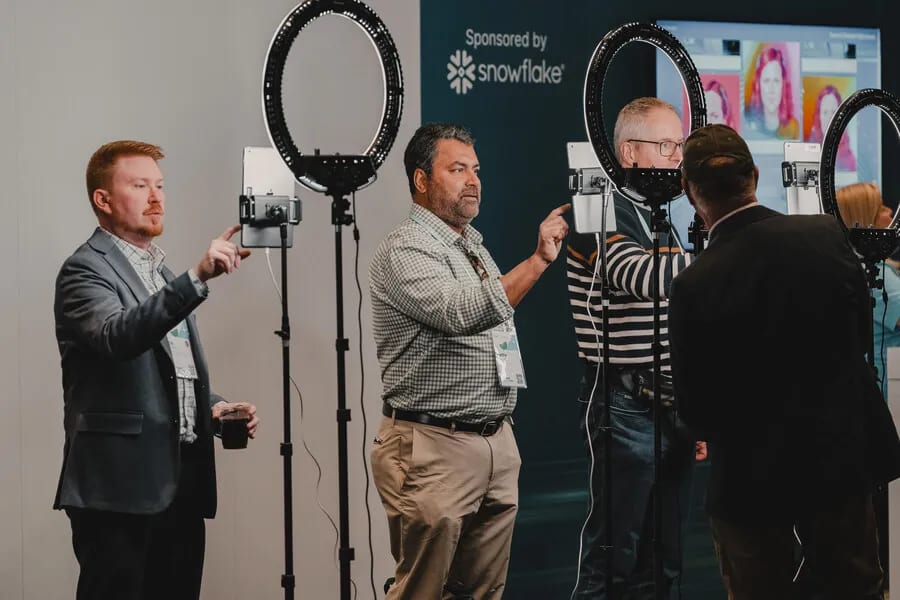
Two capture points roughly halve how many people are ever in last place, and they do what a faster single point can't: give the guest at the back a visible alternative. On a browser-based platform that's a floor-plan decision rather than a second rental. The same experience runs on a kiosk, an iPad on a stand, a laptop at a desk, or guests' own phones by QR code, all at once if the room needs it, with no charge for devices or concurrency. Most lounges we see run on hardware, with phones as the overflow valve.
What does the platform actually report, and what doesn't it?
It reports submissions by hour. The activity chart shows submissions and views by hour, day or week, so you can see which hours drew the most participation and whether the afternoon break performed anything like the morning one. That's what makes photos per hour a number you get rather than a phrase a vendor uses.
Now the half that makes the first half worth trusting. Retakes aren't reported to clients. So the reframing improvement above is something you'll watch happen in the queue and something we'll describe in words, and it is not a figure that will appear on a chart in your dashboard. We'd rather say that than hand you a metric that doesn't exist.
Same goes for the best thing that happens in a photo lounge, which is two people who were waiting next to each other still talking ten minutes later. Nothing reports that. Worth remembering when you set expectations with a sponsor, and the reason submissions per hour belongs inside a wider frame. Our guide to measuring event success covers the metrics that hold up around it.
How do you plan a lounge for a two-thousand-person summit?
Five decisions, all easier before load-in than after doors.
Start with how many capture points, sized against your timed cycle and the honest peak rather than the daily average. A summit doesn't arrive evenly; it arrives in the fifteen minutes after a general session lets out. Set the countdown style by style. Then decide how many people you'll welcome into a frame at once, because that moves hourly output more than anything else here.
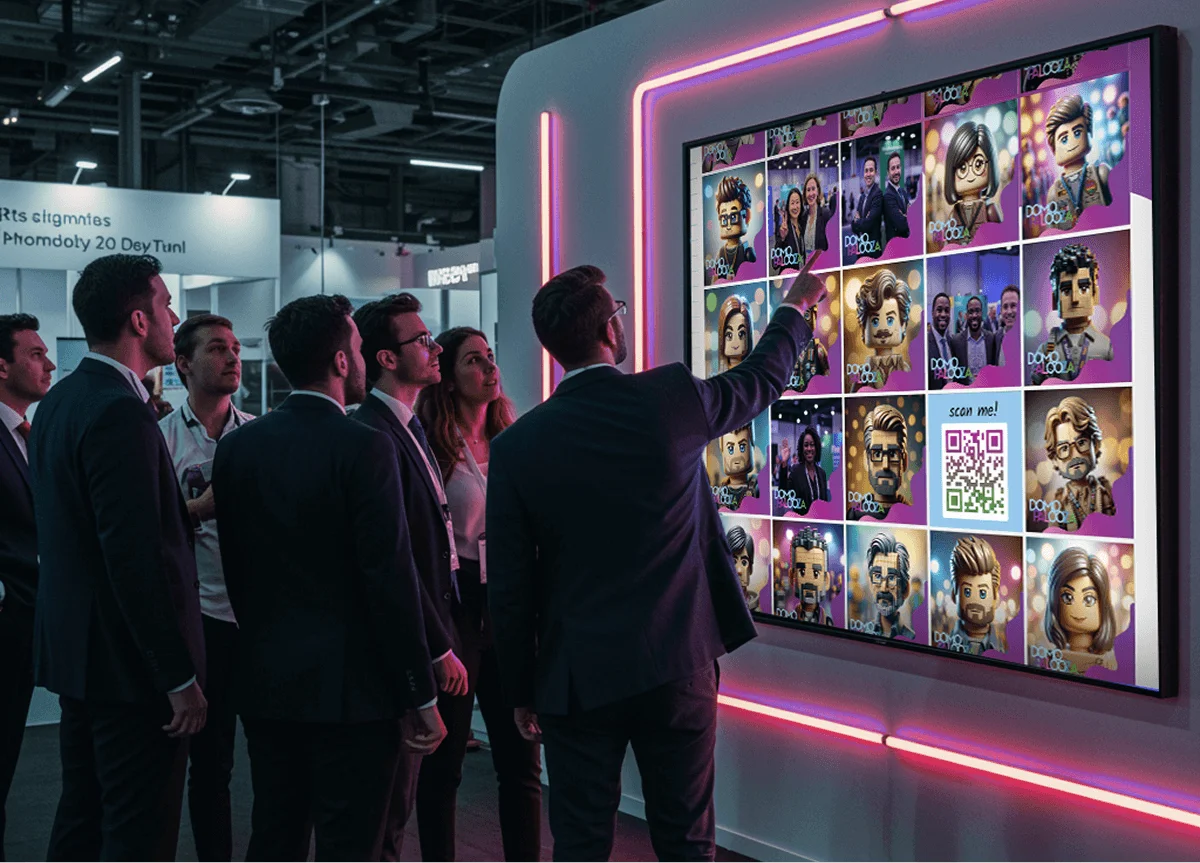
Give the line something to look at. A screen carrying what other guests just made keeps occupied time occupied and recruits people walking past, and the choice between a gallery, a slideshow, a leaderboard and a mosaic changes who joins in, which we've compared in live event displays compared. Put the data capture step early rather than at the end, because people want to get started, and a form after the fun feels like a toll instead of a trade.
Last, decide who's standing at the back. A host who tells the final person in line how long they're looking at is doing the highest-value job in the lounge. Getting people there in the first place is a separate craft, and there are nine ways to get conference attendees to actually use an activation worth borrowing. Still choosing the experience? Our activation concepts are organized by event type.
A lounge that runs well doesn't look frantic. It looks like a queue of four that never gets longer, a screen that keeps changing, and a host who knows the number when someone asks. Almost all of it gets decided before anyone walks in.
Planning a conference photo lounge?
Tell us the headcount, the venue and the agenda, and we'll come back with what it takes to move that many guests through.
Get a QuoteOr explore: Digital Photo Booth | How It Works