

Table of Contents
If you're a brand marketer holding a festival sponsorship line item, the awkward part of the conversation usually arrives a few weeks after the gates close. The logo went up, the tent went out, the crowd was enormous, and now someone wants to know what the festival brand activation actually returned.
It's a fair question, and hard to answer for a reason that keeps showing up in the research. Festival sponsorship reliably buys awareness and recall. It reliably struggles to move behavior. What closes the gap isn't a bigger footprint or a better position near the main stage. It's whether the thing you built earned its place in the guest's day.
Key takeaways
- The sponsorship buys your right to be there. The activation is what you build once you are, and it's the part that carries your measurement.
- An exploratory study of UK music festival attendees found brand sponsorship moved recall, awareness and attitude toward the brand, but showed little evidence of impact on brand use.
- Fit is the mechanism. Among 155 Java Jazz Festival attendees, sponsor-event congruence drove brand image, and brand image drove purchase intention. Attitude toward the brand on its own did not.
- Festival crowds punish slow experiences. Throughput decides how much of that enormous audience you actually reach.
- Consented contact capture is the difference between a crowd you stood next to and an audience you can follow up with.
What is a festival brand activation?
A festival brand activation is the experience a sponsoring brand builds on festival grounds for attendees to participate in, as distinct from the sponsorship agreement that bought the access. The sponsorship puts you on the map. The activation is the reason somebody walks toward the pin.
Those two get budgeted as one number and judged as one number, which is where the trouble starts. We've watched brands spend most of a festival budget on rights and space, then fund the guest experience out of whatever's left in the final two weeks. The rights fee is fixed. The experience is the only variable you control, and the only part that produces anything you can carry back to the office.
The useful test: strip out your activation and leave only signage. What changes? If the answer is "nothing measurable," you didn't buy an activation. You bought visibility, which is a real thing to buy, just not what most festival budgets defend.

Why do most festival sponsorships fail to prove ROI?
Because sponsorship moves the parts of the funnel that are hardest to attribute, and stops short of the parts that aren't. Rowley and Williams surveyed UK music festival attendees about the brands sponsoring those festivals and found evidence that sponsorship affects brand recall, brand awareness and attitude toward the brand, with little evidence of impact on brand use. It was exploratory research, and the authors said so. It still names the problem precisely.
That result isn't an argument against festival sponsorship. Awareness at scale is worth buying, and festivals deliver a concentrated, emotionally primed audience few channels can match. The problem is what happens next. Recall lives in the attendee's head. No banner, stage mention or branded lounge produces a record your team can act on in November.
So the ROI conversation collapses into estimated impressions, and estimated impressions never survive contact with a CFO. The fix isn't better measurement of the same activity. It's building something at the festival that generates its own evidence: who participated, what they made, where it went, and who agreed to hear from you again. That's the same discipline behind any serious in-house brand activation program, applied to a much noisier environment.
What makes a sponsor presence feel welcome instead of intrusive?
Fit, mostly. Hutabarat and Gayatri surveyed 155 attendees at the Java Jazz Music Festival and ran the results through structural equation modeling. Sponsor-event congruence, meaning how well the brand matched the event, had a positive effect on brand image and on attitude toward the sponsoring brand. Brand image then predicted purchase intention. Attitude toward the brand, on its own, did not.
Read that chain again, because it's the whole argument. Being liked at a festival isn't enough. Being understood as belonging there is what carries through to intent. A later study of 202 spectators at a live sporting event pointed the same direction, finding that event attachment and sponsor brand attitude mediated the relationship between self-congruity and purchase intention toward the sponsor.
There's a second reason fit matters, and it comes from persuasion research rather than sponsorship research. When people perceive a persuasive attempt as a threat to their freedom, they push back. A meta-analysis of 20 studies covering 4,942 participants found this reactance is best modeled as anger and counterarguing occurring together, not as one or the other. Anyone who has watched a brand ambassador chase festivalgoers down a walkway with a QR code has seen the counterarguing happen in real time.
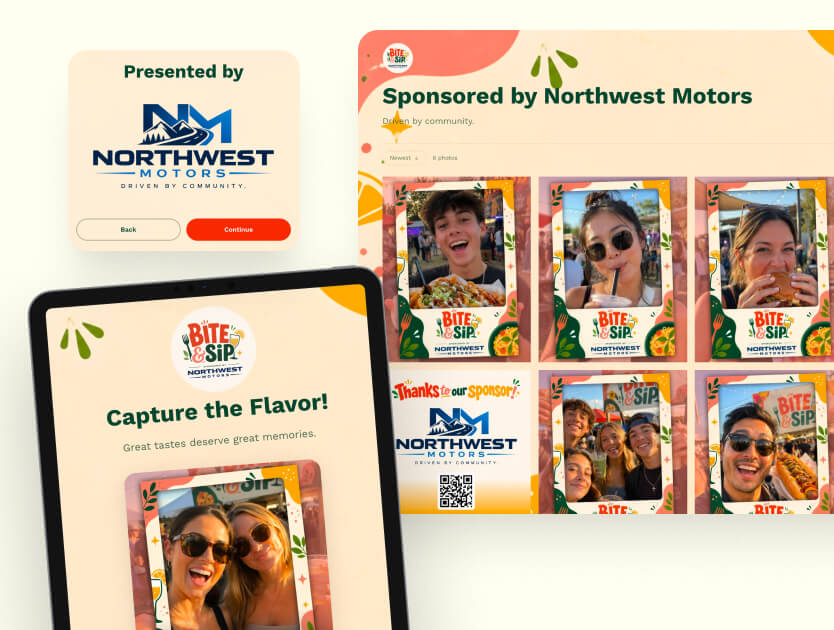
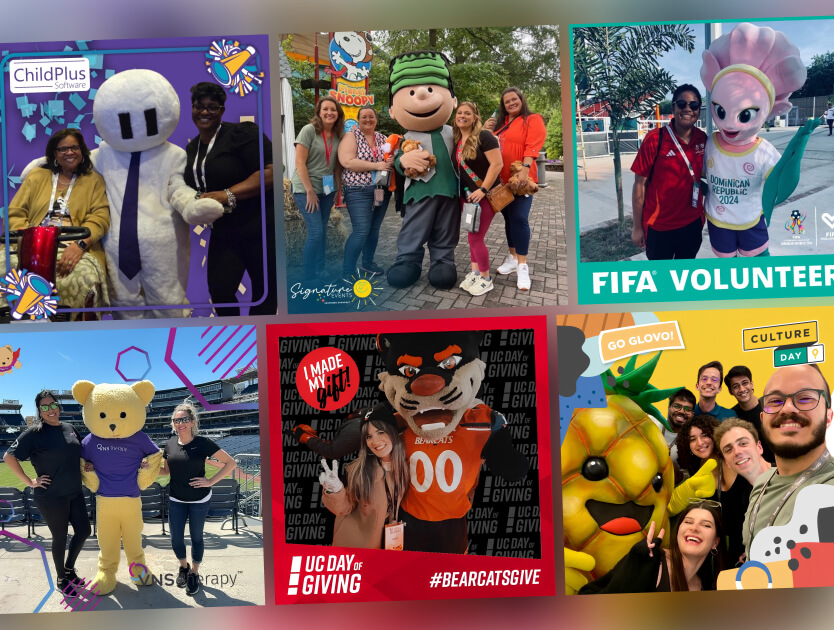
The practical translation is simple enough to put on a brief. Build something guests were already trying to do, then put your brand on it. People at festivals are documenting themselves constantly. They want a better version of the photo they were going to take anyway, in the visual language of the festival they chose to attend. Give them that, and the exchange is voluntary. They come to you.
From there, a well-built activation is doing three jobs at once: handing the guest something they actually want, capturing consented contact details as a natural consequence of delivering it, and producing branded content that keeps circulating after the festival ends. Miss the first job and the other two never happen.
How do you design a festival activation for crowd throughput?
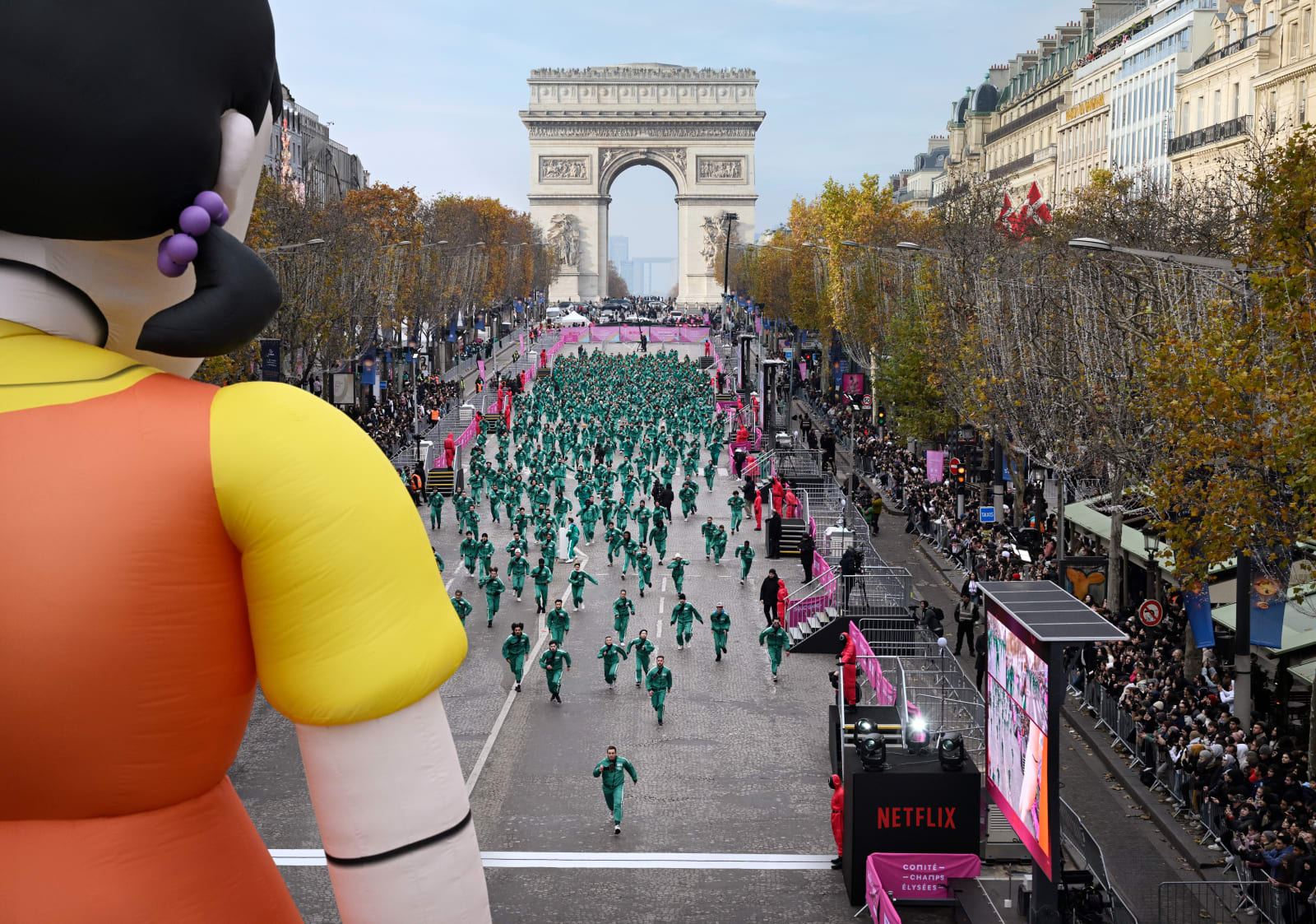
You design for the line, not for the experience. Festival crowds are large, mobile, weather-exposed and impatient, and the failure mode is almost never that the activation was bad. It's that the queue got long enough by mid-afternoon that most of the crowd took one look and kept walking.
This is the part of festival work nobody writes about. A concept that delights 300 people in a carpeted ballroom can collapse at a festival gate. Guests are standing in the sun, between sets, measuring their patience against the act starting in twenty minutes. Every step you add to the flow costs you a share of the audience, and the cost compounds.
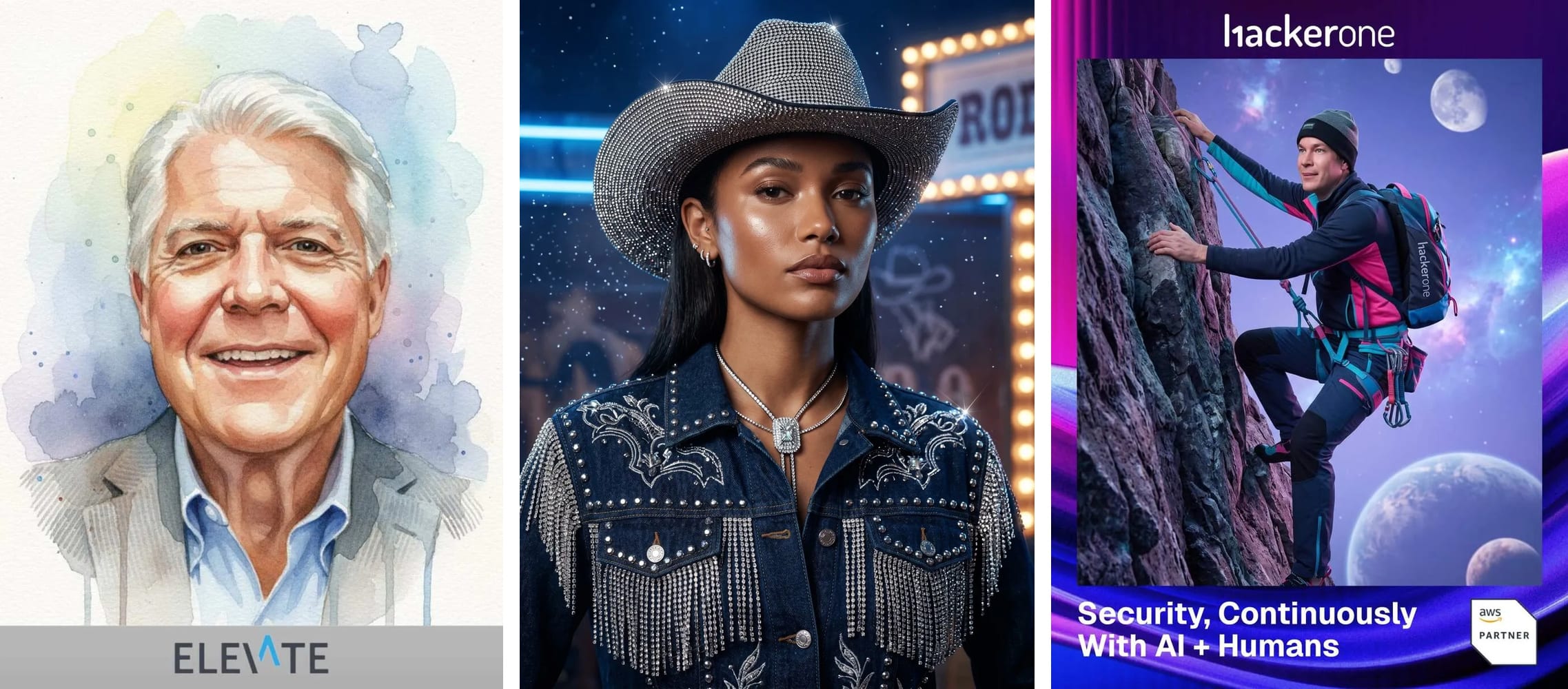
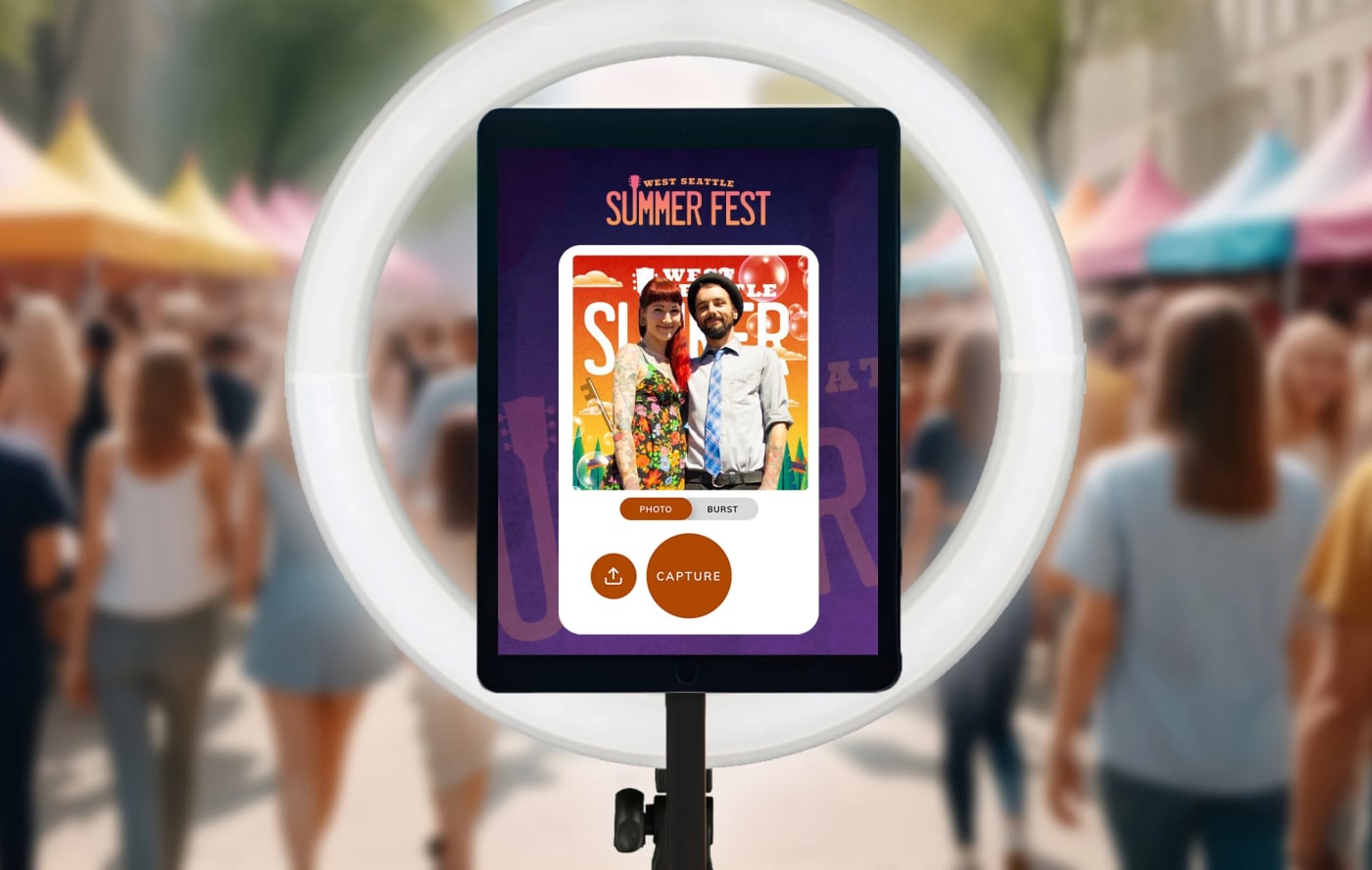
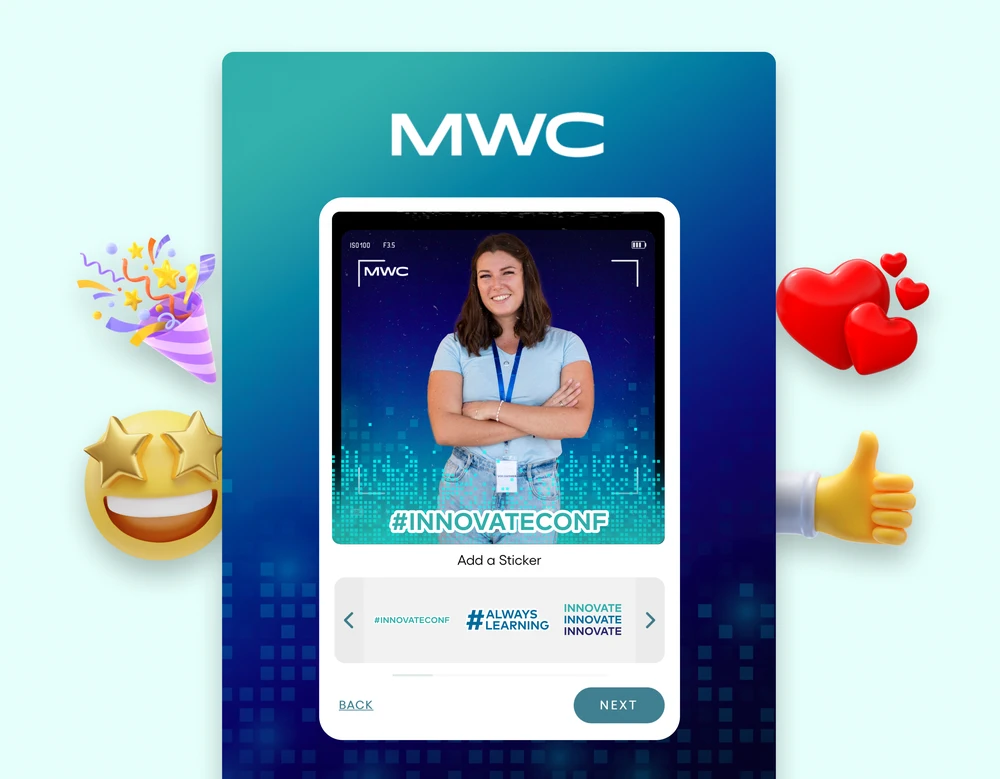
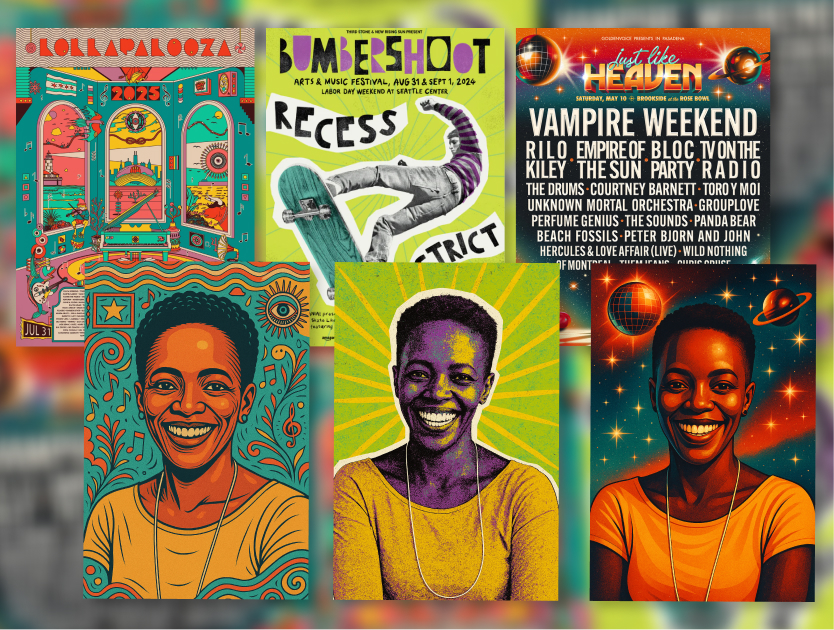
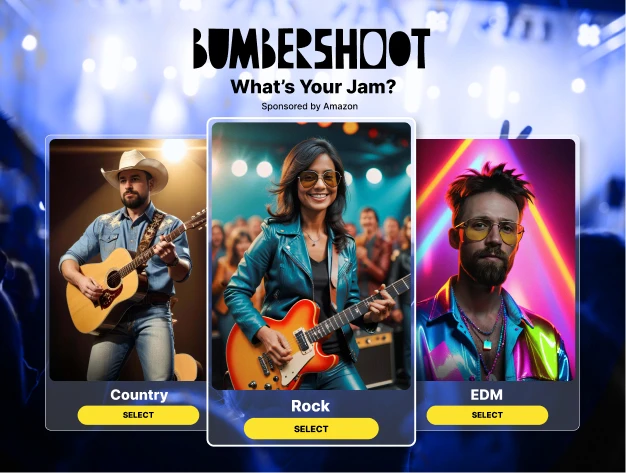
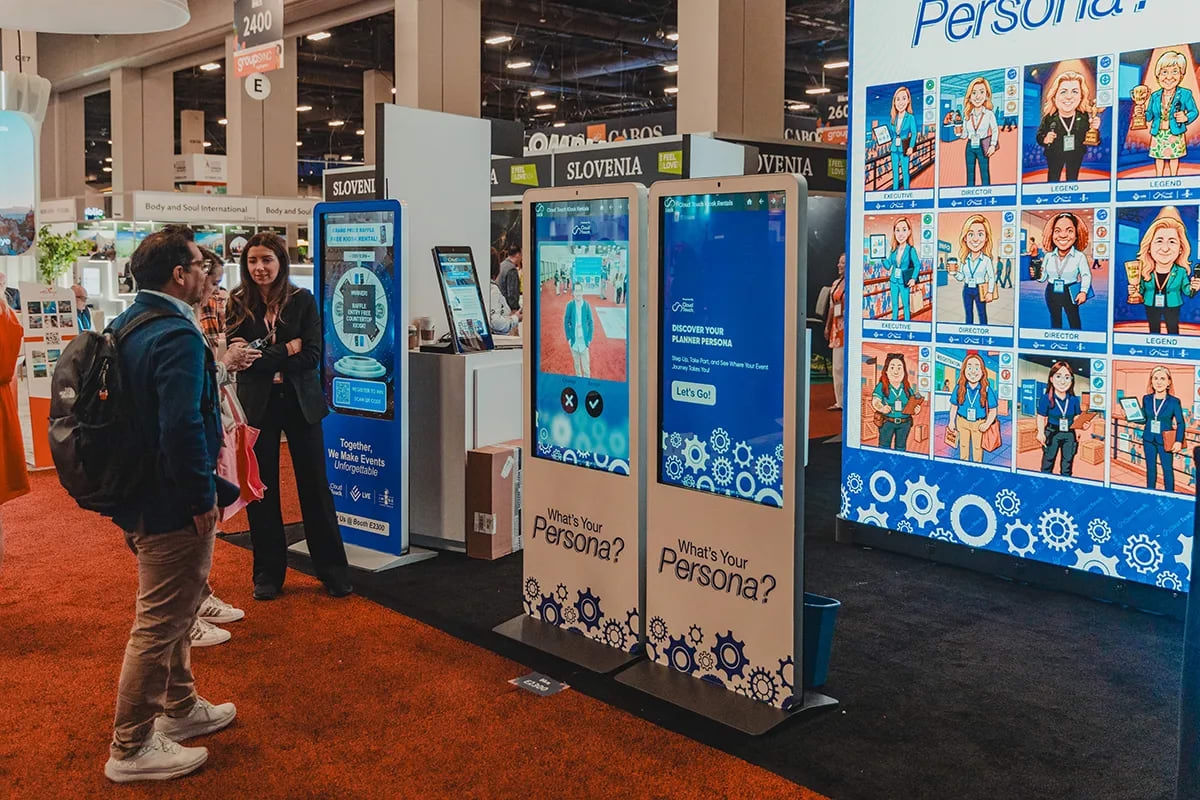
Two design choices carry most of the weight. First, let guests use their own phones rather than queuing at a single station, which turns one physical bottleneck into as many concurrent sessions as the crowd wants. Second, deliver the content digitally instead of printing it, so nobody waits at a second line to collect something. A Selfie Station handles the high-volume, walk-up end of this well, and an AI Photo Booth experience adds transformation and depth where the crowd flow can support a slightly longer interaction.
Weather deserves its own line in the plan. Outdoor festivals mean sun glare on screens, rain contingencies, and power that may be a hundred feet away from where you want to stand. Sort those in the site visit, not on load-in morning. Our festival, sports and entertainment activation guide goes deeper on the fan-experience side of that planning.
How do you measure a festival brand activation?
Measure participation, capture, distribution and downstream influence, in that order, and set the targets before you sign anything. This is the section that answers the ROI problem two headings up, and it only works if the activation was built to produce these numbers in the first place.
| What to measure | What it tells you |
|---|---|
| Participation rate against festival attendance | Whether your activation earned attention in a crowded field, and whether your placement was right |
| Consented contact capture rate | How many participants became records your team can legally and usefully follow up with |
| Content delivery and open rate | Whether the value exchange completed, and whether your brand reached the inbox afterward |
| Organic shares and tagged posts | Reach you didn't pay for, produced by guests who wanted to post the content |
| Downstream pipeline influence | Whether captured contacts show up later in opportunities, which is the number that renews the budget |
The one worth defending internally is capture rate, because it converts an unattributable crowd into a list. That's also where the value exchange has to be honest: guests trade contact details for content they actually want, and if the content isn't worth it, the rate tells you immediately. For the full framework, including how to set benchmarks before the event, see our guide on measuring experiential marketing ROI.
Content is the asset teams underuse. A festival activation can generate thousands of branded images in a weekend, and most of them end up in a folder nobody opens. Treated properly, that library becomes marketing fuel for the rest of the year.
What festival brand activations look like in practice
The pattern that works is consistent across very different brands and very different festivals: the activation is built around something the festival's audience already cared about, and the sponsor's role is to make it better rather than to interrupt it.
T-Mobile ran its Unlimited Pride activation at both Volunteer Park Pride Festival and Seattle PrideFest, where the brand's message and the event's meaning lined up without anyone having to explain the connection. Columbia Bank built a Neighbor Hub tent at Ballard Seafood Fest, which is community banking showing up at a community event, and reads as such. McDonald's activated at the San Francisco Lunar New Year Festival. Amnesty International USA brought an activation to Essence Festival, an audience already inclined toward the cause.
None of those needed explaining. That's the point. Congruence looks obvious in hindsight, which is why it gets skipped in planning, when the temptation is to do something surprising instead of something that fits.
Adjacent formats transfer well. The throughput and fandom dynamics at festivals overlap heavily with stadium work, and the tactics in our breakdown of activation ideas for sporting events apply almost directly. For festival activation ideas outside the music category, our roundup of experiential marketing examples covers formats from other verticals worth borrowing.
One closing opinion, since we've seen it go both ways. Brands that treat the festival as a media buy get the awareness the research promises and little else. Brands that treat it as a chance to build something the crowd wants get that same awareness, plus a list, plus a content library, plus a number they can defend next year. Same sponsorship fee. Very different October.
Planning a festival activation for next season?
We'll help you design something the crowd walks toward, then hand you the participation and capture data to prove it worked.
Get a QuoteOr explore: Festivals, Sports & Entertainment | Selfie Station