Brand activations are not the soft surface of a marketing program. They are where the brand becomes a felt experience, where attendees produce content the brand will use for the next twelve months, where qualified leads enter the pipeline at the highest intent moment, and where employees and customers reconnect to the thing the brand is actually about. In 2026, the question for a marketing lead is rarely "should we run brand activations?" It is "should we keep paying an agency to run them, or should we own this muscle ourselves?"
For most teams running visual, AI-driven, or web-anchored activations, the answer has flipped. Owning the activation muscle in-house produces outcomes that an agency engagement cannot match: faster iteration, brand consistency that compounds across events, first-party data flowing into your stack, and a team that knows how to make these things work next year because they made them work this year. The mechanics are easier than the conventional wisdom suggests, because the software has caught up with the ambition.
This piece walks through what brand activations actually accomplish, the formats marketing teams run today, what an in-house program changes about each outcome, and a five-step playbook for getting started.
What Brand Activations Actually Accomplish
A brand activation is a live, branded experience designed to produce a specific marketing or business outcome. Done well, it produces four at once.
Engagement. A brand activation creates a moment people actively choose to participate in, in a world where most marketing impressions are scrolled past or blocked. Live participation is what marketing teams keep coming back for. As Sam Eitzen, Snapbar's CEO, puts it: "Experiential marketing is in many ways the future of marketing when most marketing can't be trusted. Experiential marketing means you are living it out." That holds whether the activation is a trade show booth, a brand-day at a customer office, or an employee summit.
Content (marketing fuel). Activations generate branded photo, video, and AI-generated visuals that the brand uses across organic social, paid ads, lifecycle email, sales decks, and case studies. A single activation can produce 600 to 5,000 pieces of brand-controlled visual content that compound across channels for months.
Sam Eitzen, Snapbar CEO: "People underrate the power and influence of photo and video content. Things like photo booths, or event photography, or UGC are kind of seen as trivial social media, selfie culture add-ons, and not the powerful data collection and brand reach tools they can be if done well."
Leads and first-party data. Branded activations capture contact information, segmentation signals, and behavioral data at the peak moment of intent. A guest opting in to receive a branded AI portrait is at a different attention state than a guest checking a box on a registration form. The lead quality and downstream conversion rate reflect that.
Employee and customer engagement. For internal-facing programs (sales kickoffs, all-hands events, customer summits, partner appreciation), activations operate on different KPIs: retention, internal advocacy, customer health scores. The activation is the connective tissue between the strategy slide and the felt experience that makes the strategy real.
Most teams pick one or two of these outcomes when scoping a program and discover the other two arriving for free. That dynamic is what makes activations punch above their budget line. For how an activation fits the wider event plan, see our guide to event and experiential marketing.
The Kinds of Brand Activations Marketing Teams Run
Activations fall into four practical categories. The first three are now web-anchored and software-driven. The fourth is still staffing-heavy and still belongs to specialized agencies and field-marketing partners.
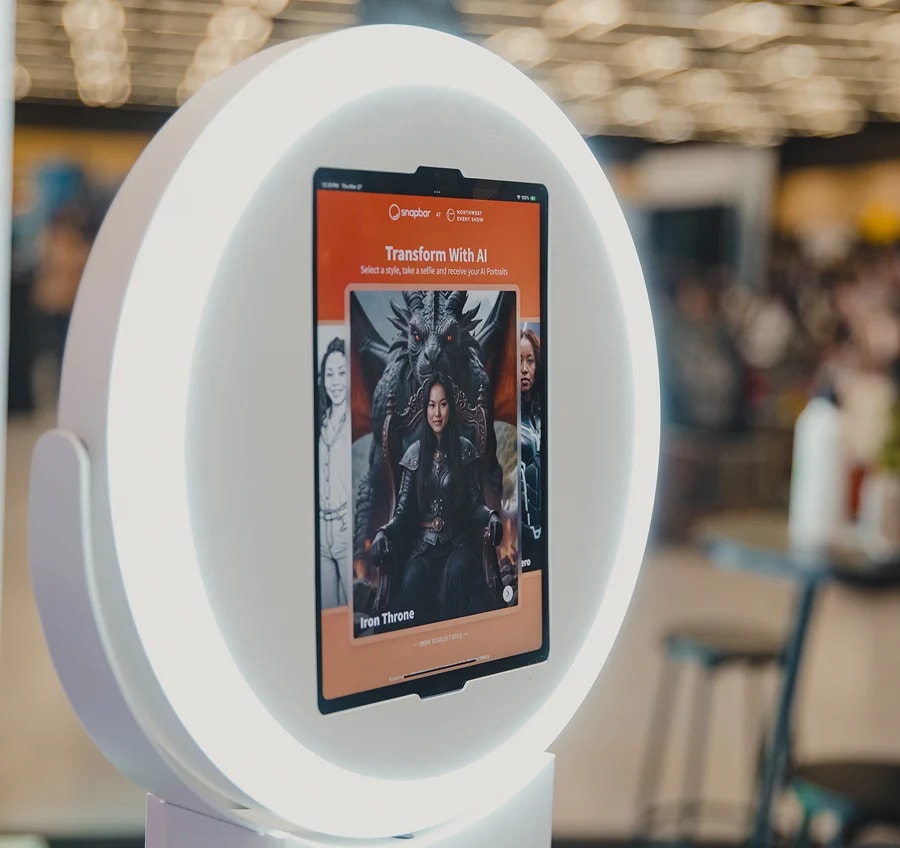
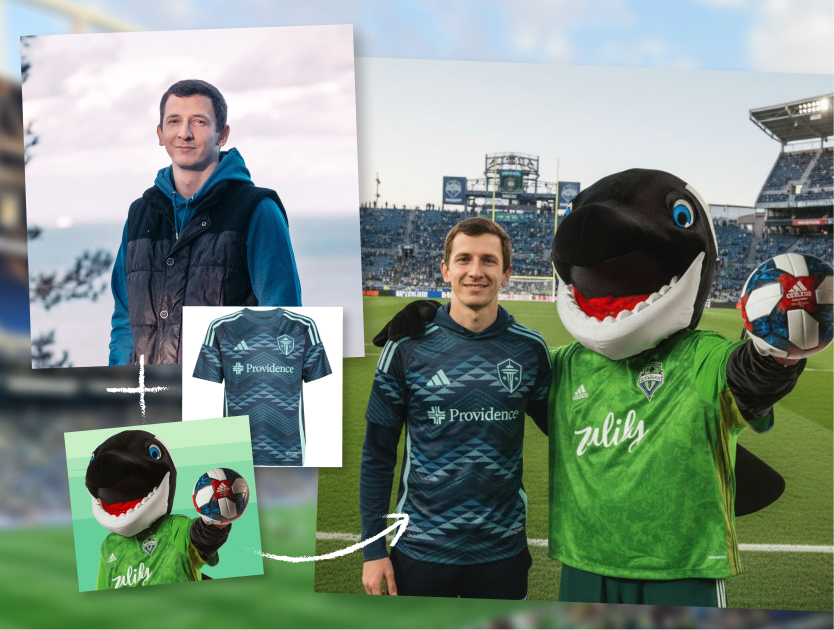
Visual capture activations. Photo, video, and AI portrait formats. A guest enters the activation, the platform generates a branded output (AI portrait, stylized headshot, themed video clip, branded photo), and the guest receives the output via email or gallery while the brand captures their data. This is the highest-volume category and the one most marketing teams start with. Outcomes lean toward content production and lead capture.
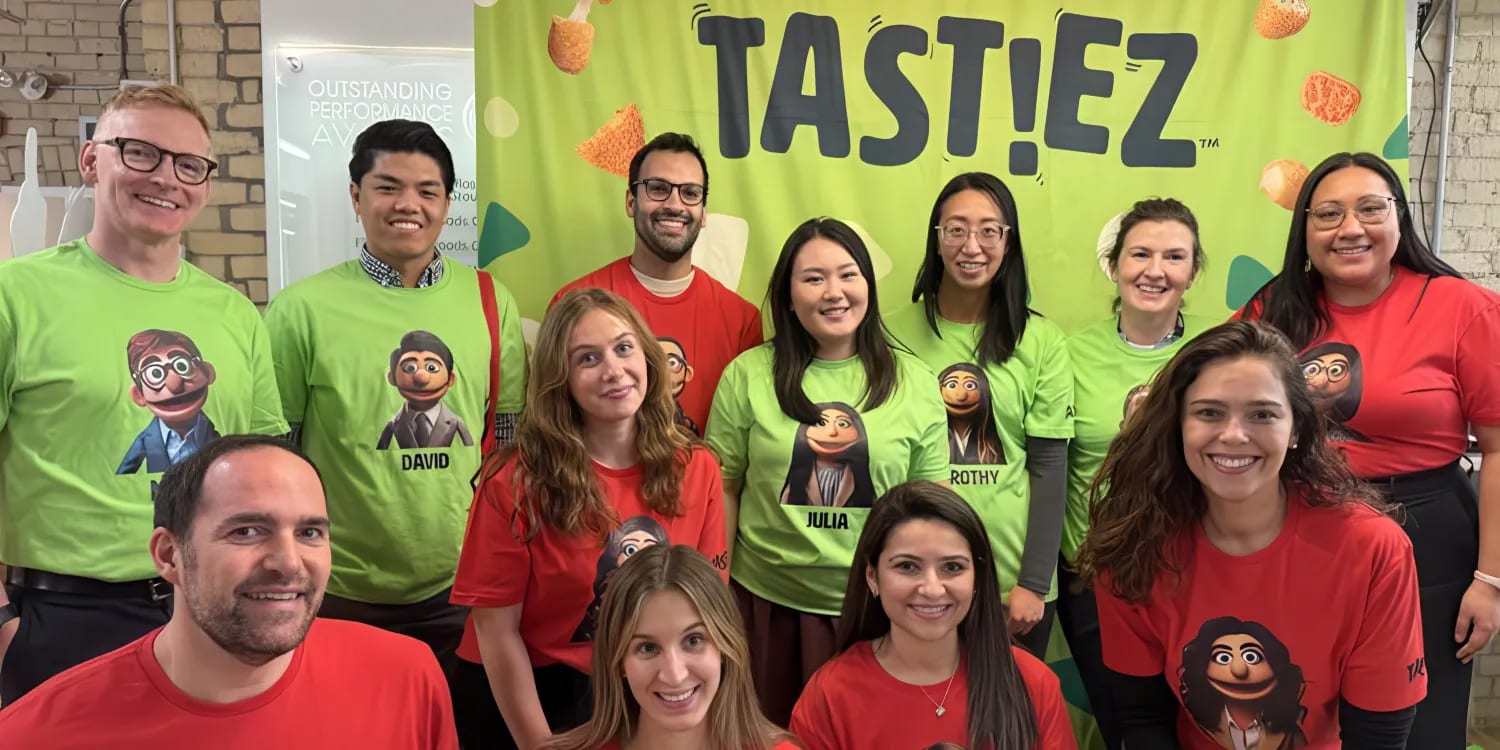
Interactive content activations. Persona quizzes, trading cards, AI Stories, branded surveys. The guest does something (answers questions, picks options, uploads a photo), and the platform returns a personalized, branded artifact they can keep and share. Outcomes lean toward discovery, segmentation signal, and shareable branded takeaways.
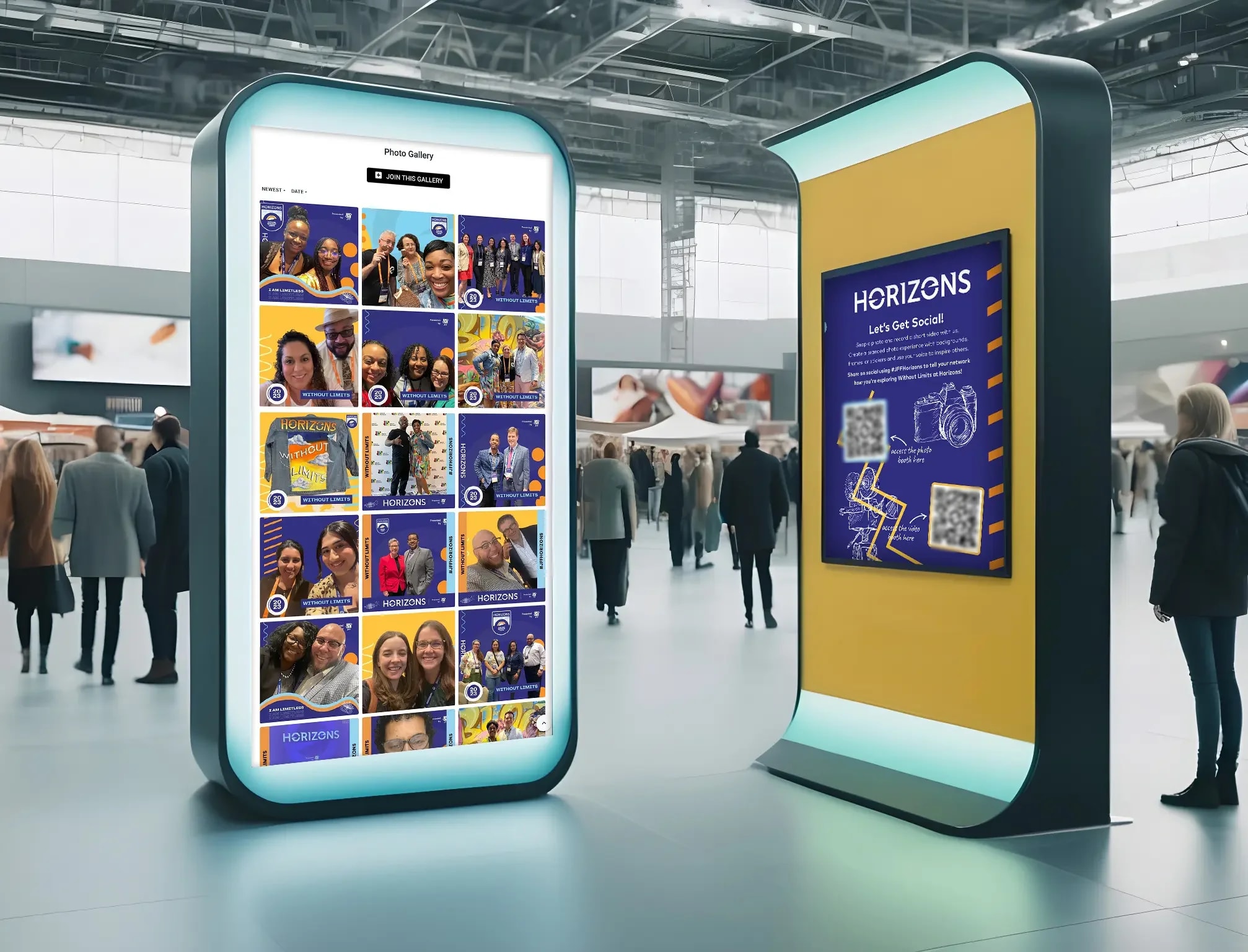
Display and amplification activations. Live galleries, slideshows, social walls, and mosaics. These take the content the first two categories produce and multiply it on a screen, a video wall, or a real-time feed. Outcomes lean toward share-of-voice at the event itself and content that travels post-event.
Physically staffed activations. Product sampling, retail demos, mobile tours, brand-ambassador programs, alcohol-regulated sampling, choreographed live experiences. These are still the right answer when the value lives in the human-to-human interaction. They run on different operational economics, and marketing teams that run them well partner with specialized agencies for the staffing layer.
The first three categories are where the in-house model is operationally practical in 2026. Most enterprise marketing teams run formats from across the first three at the same event: an AI portrait activation in the booth, a persona quiz in the conference app, a live gallery on the screen behind the booth. One platform anchor, multiple formats, the same brand kit, the same data flow.

What In-House Brand Activations Actually Achieve
Outsourced activations work. Agencies deliver. The question is what changes when your team owns the activation muscle versus renting it.
Five outcomes get noticeably better when you own it.
Faster iteration. When the data, the configuration, and the team are all internal, the loop from one event to the next gets short. Your team adjusts the prompt, the gallery format, the lead capture flow between two events in the same month, and the second event reflects what worked at the first. Agencies see this same data, but the loop runs through a project manager, into a deck, into a post-event report. Iteration speed is the single biggest separator between teams that improve and teams that repeat.
Brand consistency that compounds. Every agency engagement starts with a creative rebuild: new templates, new microsite copy, new design files, new prompt iterations. When the brand kit lives inside your platform, the rebuild stops. Brand guidelines, prompt templates, output settings, microsite components, all of it gets built once and deployed to every event. The first activation costs the most. Every subsequent one costs less, because the kit is already in place.
Data ownership. First-party lead capture, behavioral signal, and content production flow directly into the brand's CRM, content library, and analytics stack. There is no agency intermediary, no end-of-program data dump, no question about who owns the contact list. Marketing operations and RevOps both prefer this arrangement on principle, and the downstream attribution work gets cleaner.
Cost structure that scales. The recurring cost of an in-house program is a platform fee plus internal team time. The recurring cost of an outsourced program is per-event creative production, staffing, and project management, every event, with no compounding savings. Teams running more than a handful of similar-format activations a year see the platform model pay for itself, often within the first year.
Capability that lives in the team. When the agency engagement ends, the operational capacity goes back to the agency. When the in-house program runs, the operational capacity stays with your team. They learn the platform, they learn the audience response, they learn what works for your brand. Next year's program starts from a stronger position rather than a blank brief.
The Shift That Made In-House Practical
For most of experiential marketing's history, in-house meant building a staffing-heavy field-marketing team: a program lead, coordinators, vendor management, multi-state payroll, ongoing recruitment for brand ambassadors. That math was right when it was written. The agency-vs-in-house debate that lives in agency blog posts is still right for staffing-heavy activations, which is why this piece does not argue against it. It just was not the only model.
Three shifts changed what in-house can mean.
Web-based delivery removed the hardware layer. When the activation runs on a phone, a kiosk-mode tablet, or a QR code pointing at a branded microsite, there is no booth to ship, no truss to build, no power drop to coordinate. The physical layer collapses to a QR code.
AI removed the creative production cycle. Work that used to require a $40,000 creative engagement (themed portraits, branded visual outputs, custom video templates) now runs from a configurable prompt the brand controls. The platform generates the creative live, per guest.
Self-serve dashboards removed the ops layer. Configuration, design, output settings, lead capture rules, and analytics all live inside the brand's dashboard. Marketing teams configure activations the way they configure email campaigns, in-platform and on their schedule.
When the hardware, the creative cycle, and the ops layer all move to software, "in-house" stops meaning a 10-person field team and starts meaning a marketing team running a platform.
What In-House Teams Still Outsource
Owning the activation muscle does not mean cutting every outside partner. There is creative direction, brand voice work, content strategy, and high-touch event production that almost no brand team wants to own end-to-end. The difference is the kind of outsourcing.
A traditional agency packages strategy, creative, staffing, logistics, and execution into one fee. The operational capacity comes and goes with the engagement. A platform-plus-managed-services partner sells software with operational capacity built in, plus expert support for the parts that actually need a human: brand kit design, activation strategy, the configuration edge cases. The brand team owns the recurring operational layer because it is now software. The partner shows up where a human still matters.
The distinction is the difference between renting capability per event and building capability that compounds.
The In-House Playbook
Five steps to bring brand activations in-house in 2026.
Step 1: Map your activation cadence
Volume matters more than complexity. A team running four activations a year does not need its own software anchor. A team running 30 does. Look at the next twelve months of events on your calendar. If the answer is more than ten with similar mechanics, the math favors in-house with a platform.
Step 2: Choose your platform anchor by format
If your activations are mostly visual content capture, interactive content, or display amplification, a platform like Snapbar handles the recurring operational layer. If your activations are mostly registration, badge printing, and on-site CRM sync, the answer is an event management platform like Splash or Cvent. These are different product categories, and brands that try to make one do both end up with a fragile setup.
Step 3: Build your brand kit once
This is where the compounding lives. Brand guidelines, prompt templates, microsite components, output settings, lead capture rules. Build them once, deploy them every event. The first activation costs the most. The fiftieth costs almost nothing in incremental design effort.
Step 4: Set the measurement framework before the first event
Pick four metrics that connect to actual marketing outcomes: guest participation rate, qualified lead capture rate, content share rate, and pipeline attributed to event sources. Configure the analytics dashboard to surface those metrics from day one. Most teams running their first in-house program measure activity (number of activations, number of guests) without measuring impact. Activity tells you the platform works. Impact tells you whether to expand the program next year. For a deeper look at measuring visual activations as a lead and content engine, see photo and video as a lead engine.
Step 5: Iterate on data, not assumptions
The advantage of running activations in-house is the feedback loop. Your team sees the metrics in real time, ties them back to the configuration choices, and tunes the next event. That iteration speed is the single biggest reason in-house programs beat outsourced ones over a 12-month window.
When In-House Isn't the Answer
The playbook above is the right answer for a specific kind of activation. It is not universal.
Bring in an agency or a specialized staffing partner when:
- The activation is physically staffed, like product sampling, in-store demos, or brand-ambassador-led conversations.
- You are running a mobile tour across multiple markets with truck logistics and field crews.
- The execution is choreographed and live, like a streaming event production or a stunt that needs PR muscle.
- The compliance overhead is real, like alcohol sampling, regulated industries, or any case requiring trained, certified on-site reps.
Snapbar's customers run these programs alongside their Snapbar activations, with different partners for each. Different categories of activation, different operational models.
Case Study: VCA Animal Hospitals at NAVC VMX 2025
The clearest example of an in-house brand activation running with all four outcomes firing at once is one Sam Eitzen tells at almost every sales conversation.
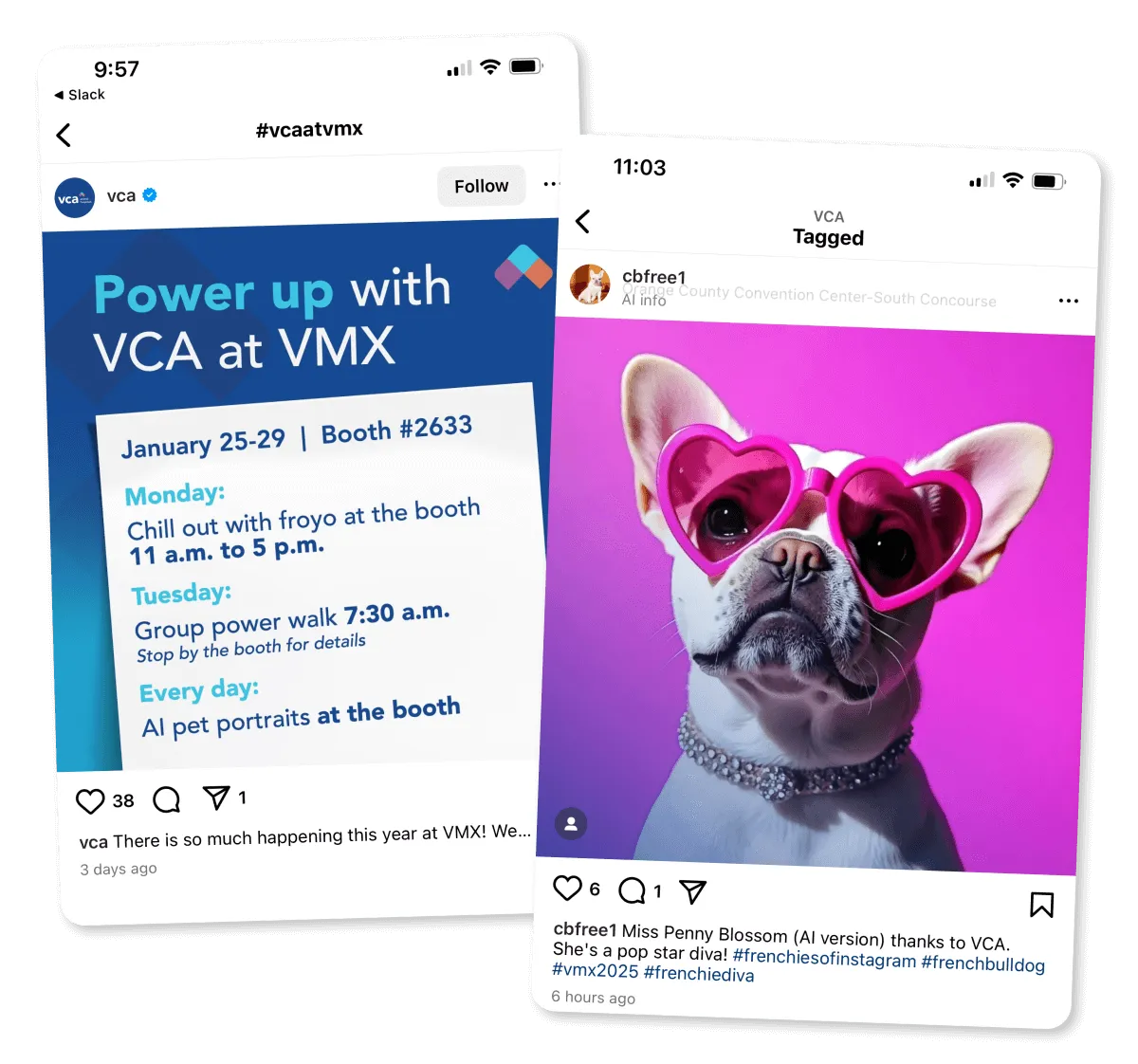
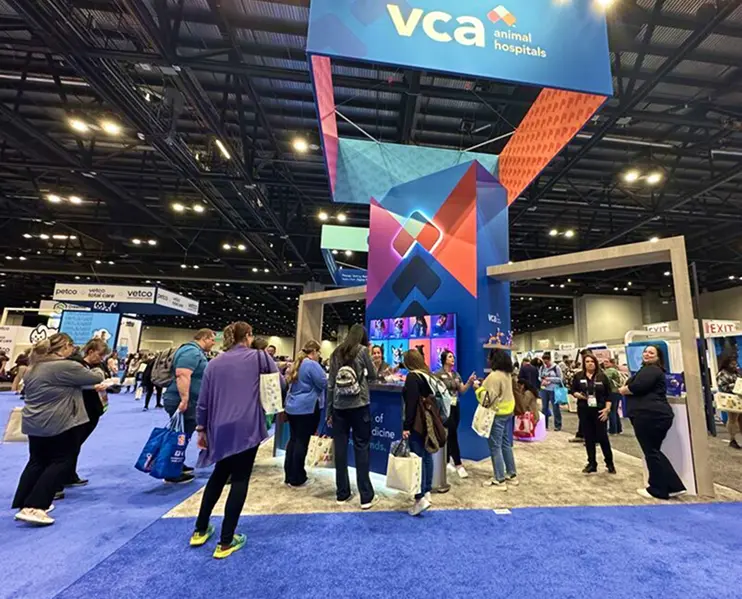
VCA Animal Hospitals exhibited at NAVC VMX 2025, the Veterinary Meeting and Expo and the industry's flagship show in Orlando. Working with 3D Exhibits on physical booth design and Snapbar's platform for the activation itself, the entire booth experience was a QR code on a banner, a tablet running the activation, and a TV mounted at the booth showing the live output gallery.
There was no booth photographer. No on-site staff running an activation station. No physical takeaway product or shipping case. The team that configured the activation, owned the brand kit, and captured the lead data was VCA's internal marketing function, with Snapbar's platform powering the activation under the hood.
The mechanic was simple. Pet owners in the attendee base scanned the QR code, uploaded a picture of their dog or cat, answered a few personality questions, and received a branded AI-generated portrait of their pet styled to match their answers. The branded output carried VCA's design treatment and was delivered via email and gallery. The brand collected attendee contact data inside the flow, and a careers-related question was integrated so the same activation doubled as a recruitment funnel.
The outcomes hit on all four dimensions, and VCA extended the experience beyond NAVC VMX as a recurring marketing and recruitment channel on the strength of these results.
VCA at NAVC VMX 2025: verified outcomes
- Engagement: 25,000+ attendees engaged across two main events, peaking at 4,000+ in a single day
- Content: 12,000+ AI-generated pet portraits created and shared across attendee social channels
- Leads: every participant fed VCA's marketing database
- Recruitment: integrated careers question surfaced 20,000+ potential candidates for VCA's hiring pipeline
- Employee impact: the internal marketing team built confidence and authority around the program
Sam Eitzen on the VCA result: "It went so well at the event that a good 80% of the total attendee base, maybe closer to 90%, participated, and the executive team loved it so much they've continued to operate it on a nationwide basis."
A trade show booth without a booth, run by a marketing team operating a platform, with verified outcomes that justified scaling the program well beyond a single event.
That is the in-house model. It is not theoretical.
The Decision Framework
A short rule of thumb based on cadence and format mix.
- Fewer than six activations a year, similar format: keep working with your current partner. The in-house overhead does not pay back at that volume.
- Six to twenty activations a year, mostly visual or AI-driven: an in-house platform pays for itself, often within the first year. Start with one platform anchor and one tightly scoped activation type.
- Twenty-plus activations a year, mixed formats: a platform-plus-managed-services anchor is the right floor, with specialized agencies layered in for the staffing-heavy programs.
- Any volume, but your team feels like a project management shop for outside vendors: that is the signal to evaluate the in-house anchor regardless of cadence. Owning the muscle changes how the team relates to the work.
The question is not agency or in-house. It is which operational layers your team owns and which ones still need a partner. Once that map is clear, the resourcing answer follows from it.
For more on the category itself, see what is an experiential photo booth?. For the platform behind the in-house model described above, see AI Photo Booth and the supporting activation formats including AI Stories.
Ready to run your first in-house brand activation?
Get a Quote
Or explore: AI Photo Booth | How Snapbar Works