
Table of Contents
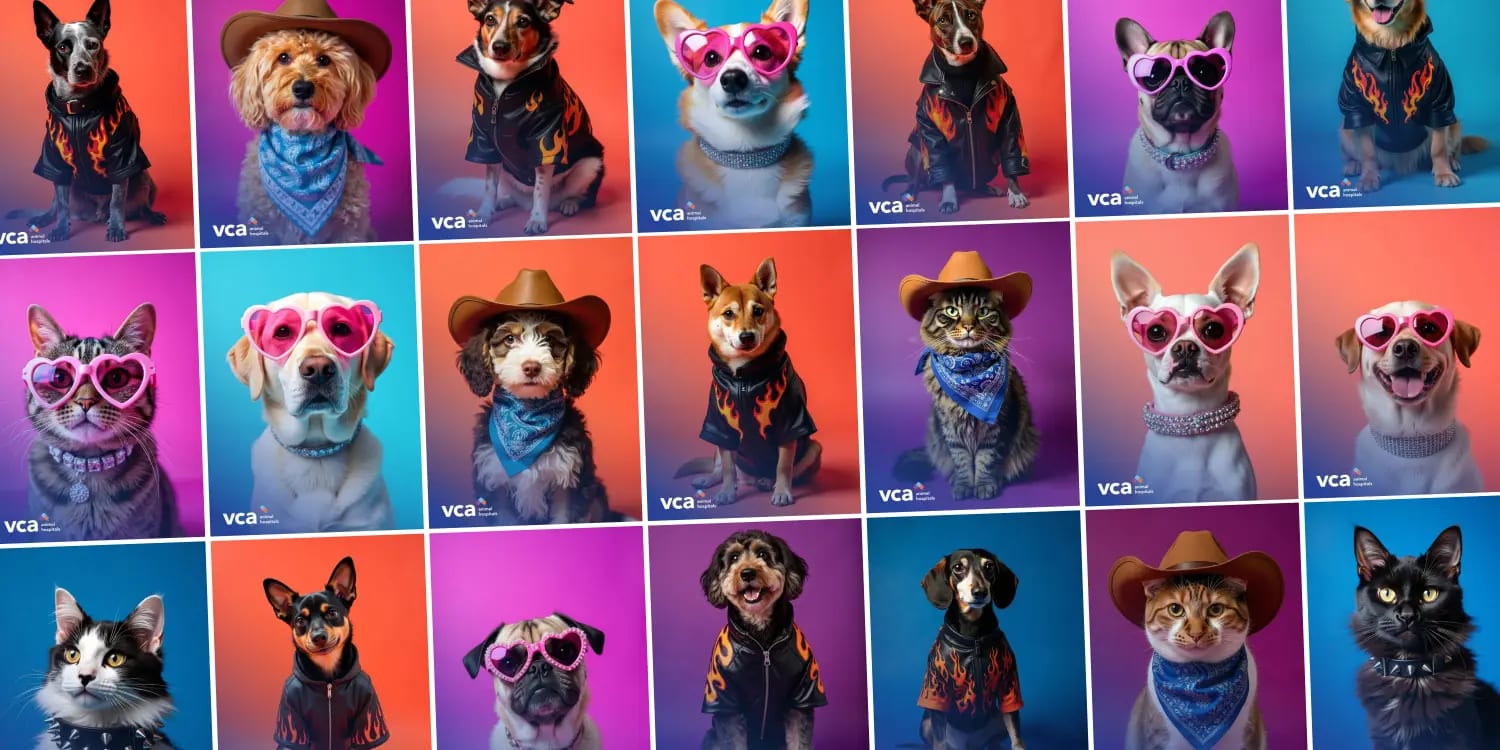
VCA Animal Hospitals went to the largest veterinary meeting in the country with a booth that had no booth photographer and no staffed activation station. What it had was one extra question. Inside the short form guests filled in to get their pet's AI portrait, VCA asked whether they might be interested in a career at VCA. One activation, two destinations: the marketing database and the recruiting pipeline.
That is the part worth studying, and it's why this reads as an experiential marketing case study rather than a gallery post. The pet portraits pulled the room in. The careers question made the activation pay for itself twice, with no second booth and no second ask.
Key takeaways
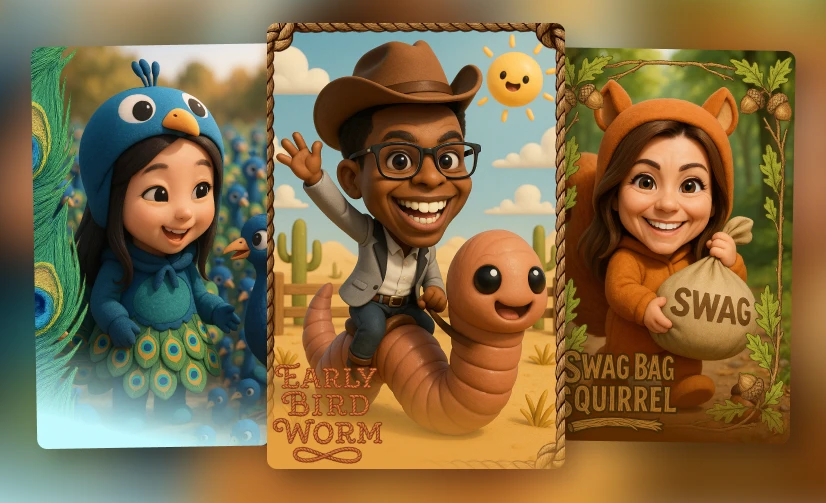
- What VCA built: a browser-based AI pet portrait activation on a QR code, a tablet and a booth TV, with 3D Exhibits on the booth itself.
- Why guests took it up: a small ask, and a portrait of an animal they already photograph constantly.
- The dual purpose: a careers question sat inside the same form as the contact fields.
- What it produced: 25,000+ guests engaged across two main events, 12,000+ portraits, 20,000+ potential candidates surfaced.
Sam Eitzen tells it in about a minute here, including the piece most people miss.
Below, the longer version, and which decisions transfer to a show with no animals in it.
What did VCA build at NAVC VMX 2025?
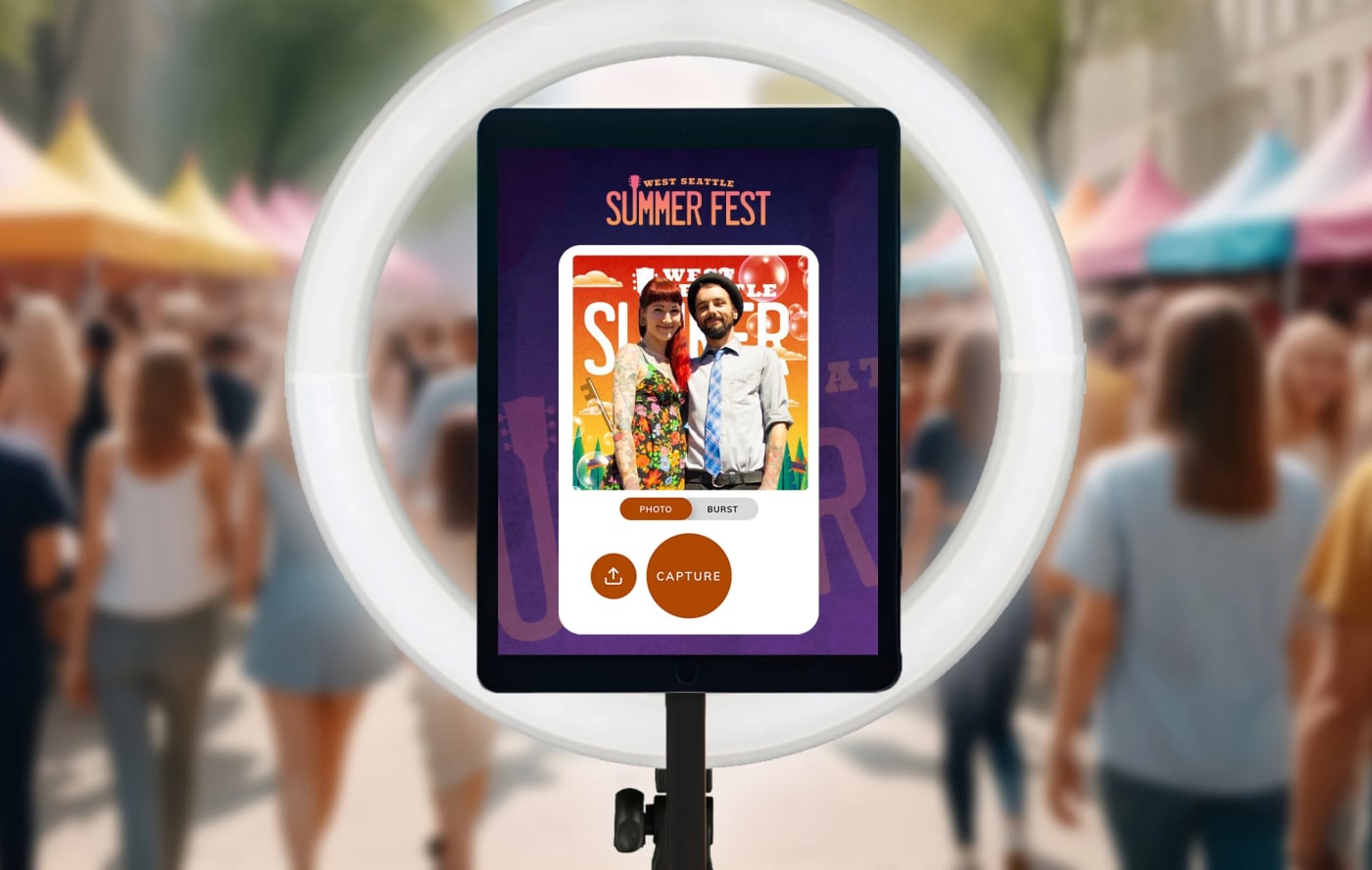
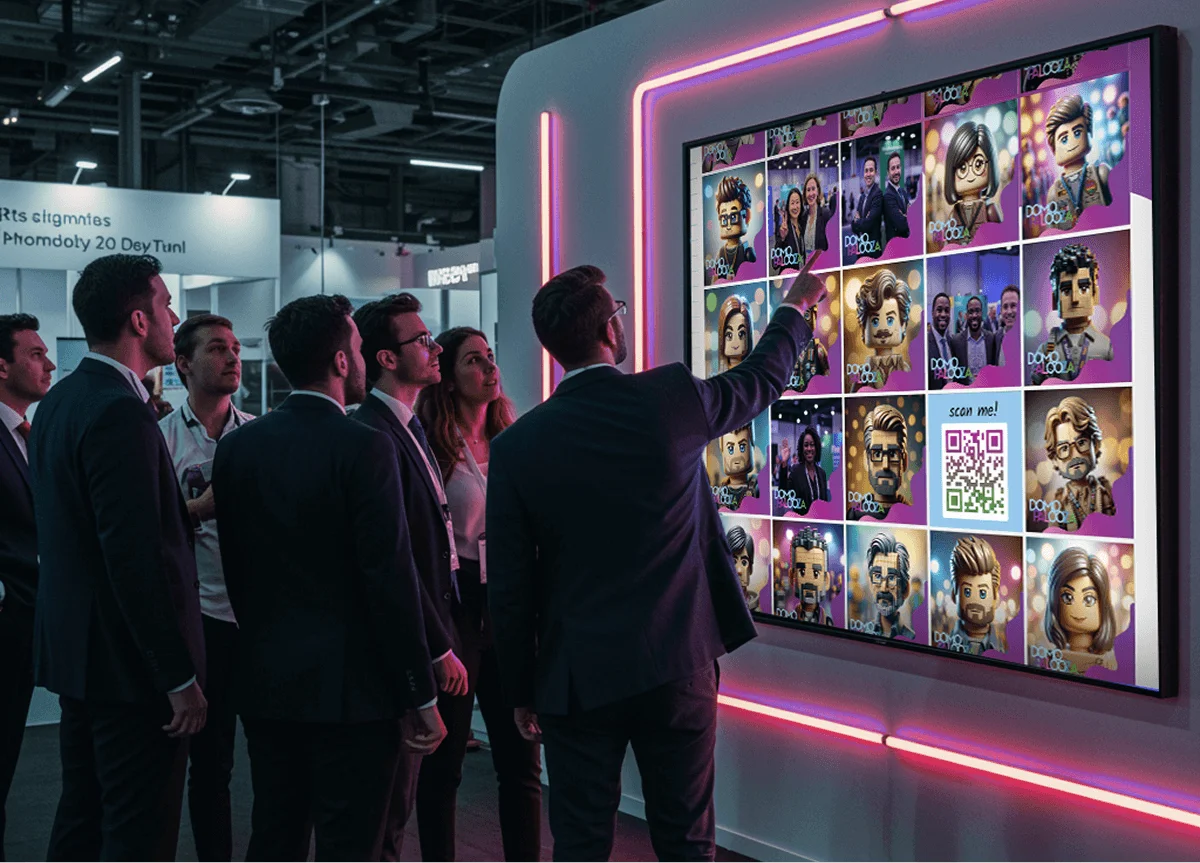
Three surfaces and one experience behind all of them. A QR code on booth signage, a tablet at the booth, and a TV showing the live gallery of finished portraits as they came in. Guests could join from their own phone without waiting for a device, or tap the tablet if they were standing there.
VMX is a real stage to test that on. NAVC puts VMX 2025 at nearly 30,000 attendees, from 86 countries, at the Orange County Convention Center in Orlando. VCA worked with 3D Exhibits on the physical booth and ran the activation itself on Snapbar's platform.
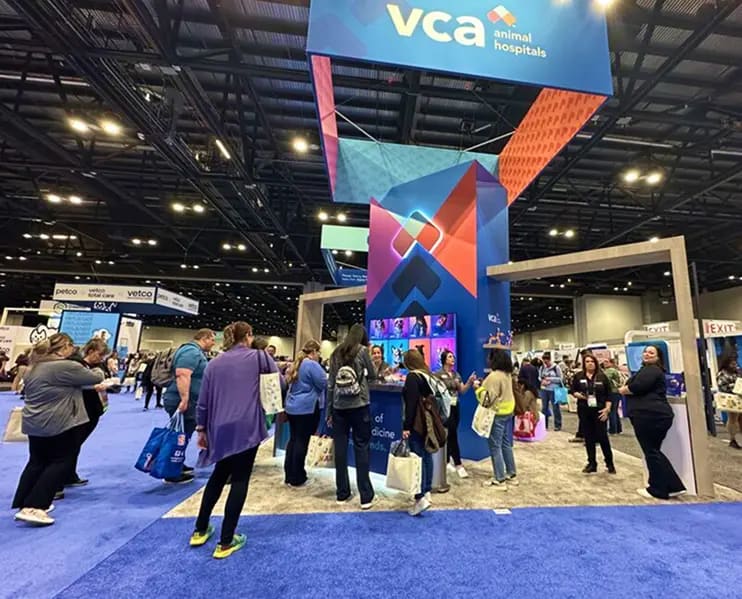
The guest flow is four short steps, start to delivered portrait, and it is written out in full on the AI pet portraits project page, with the format on the AI Photo Booth page. None of it is exotic. The interesting decision came one screen earlier.
How did one activation feed marketing and recruiting at the same time?
By putting the recruiting question inside the data capture step instead of beside it. Guests were already entering their details to receive the portrait, so VCA added a careers question to that same short form. Every person who wanted a picture of their dog told VCA, in the same breath, whether they were open to working there.
A careers table in the corner would have reached the slice of people already job hunting that week. The portraits reached everyone else, at the one moment they were happy to fill something in.
The configuration is not bespoke. Lead capture fields are configurable per experience, including select and button-choice fields, so a qualifying question can sit in the entry form of any activation you run. Our lead-gen guide argues the same thing from the tactics side in its section on trade show lead generation: qualification questions work when they extend the experience rather than tax it. VCA's version qualified for a second department.
The honest caveat: this only works when the second goal fits in one question. A careers flag does. A ten-field job application does not, and dropping one into a booth flow would have collapsed the participation everything else depended on.
See it in action
Build your own AI Photo Booth activation
Style the output to your brand, choose what the entry form asks, and let guests join from a kiosk, a tablet or their own phone.
Explore AI Photo BoothA dual-purpose form only earns its second goal if the first one draws a crowd.
Why did so many attendees opt in?
Because the trade was lopsided in the guest's favor. They gave up an email address and a few taps. They got back a portrait of an animal they already photograph several times a week, styled in a way they couldn't produce themselves.
Researchers call that calculation a privacy calculus. Dinev and Hart's extended model, tested on 369 respondents, found that trust and personal interest can outweigh someone's perception of privacy risk. People hand over their details when what's on the other side is something they want. Most booth forms lose because it's a newsletter.
Audience fit did the rest. AVMA's 2025 sourcebook, an opt-in online survey of 7,519 people weighted to US Census distributions, puts dog ownership at 42.6% of American households and cat ownership at 32.6%. In a hall full of veterinary professionals that rate is close to everybody, which is why the concept carried a show floor instead of politely working.
Sam Eitzen on the VCA result: "It went so well at the event that a good 80% of the total attendee base, maybe closer to 90%, participated, and the executive team loved it so much they've continued to operate it on a nationwide basis."
That's Sam's read of the room, hedge and all, and we're leaving it the way he said it rather than sharpening it into a number nobody can source.
What did the activation produce?
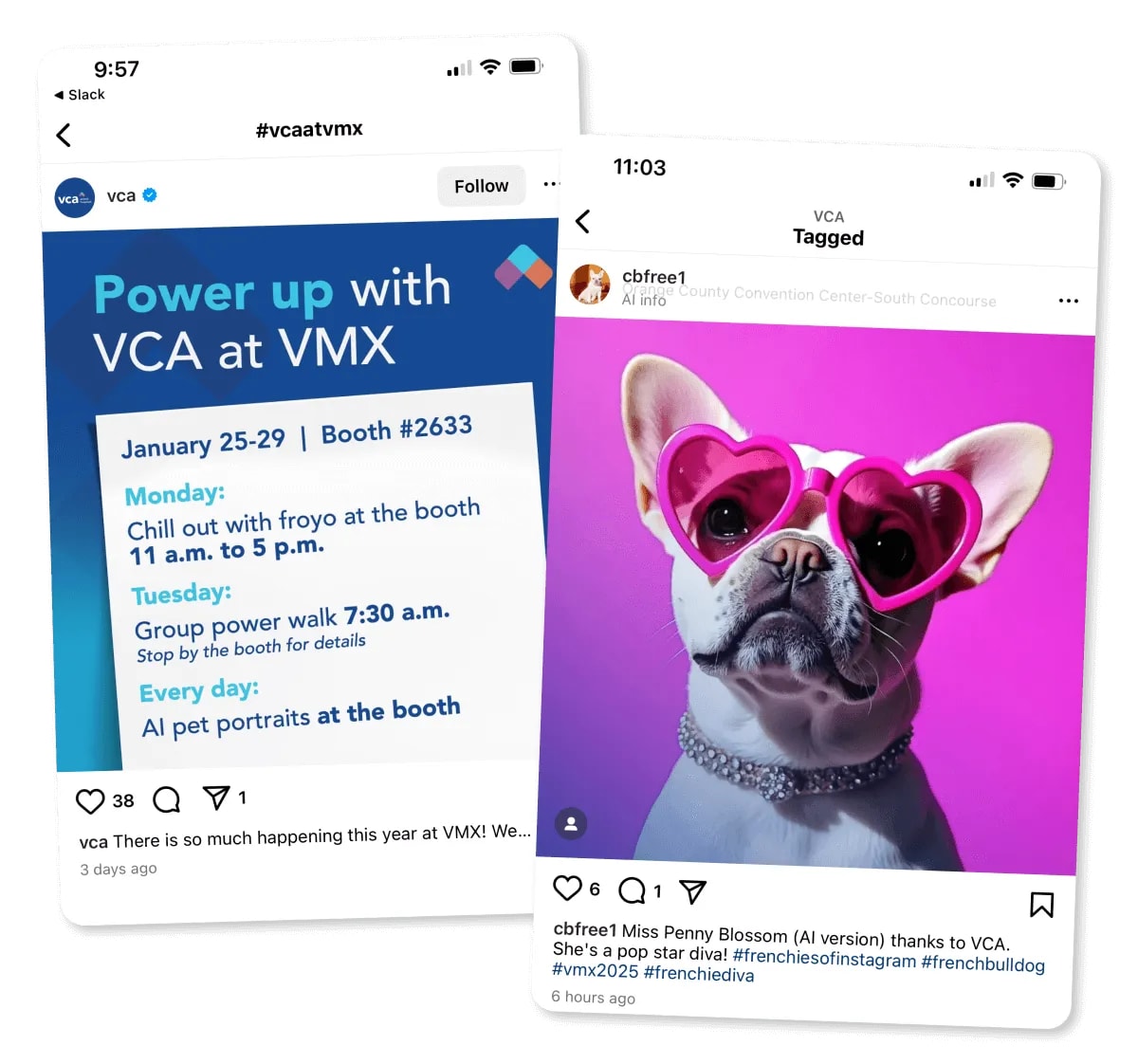
Four published outcomes anchor this experiential marketing case study, each counting something different. The largest figure and the most quoted figure are not the same measurement.
VCA at NAVC VMX 2025: published outcomes
- 25,000+ guests engaged, across two main events rather than VMX alone
- 4,000+ participants in a single day at the peak
- 12,000+ AI pet portraits generated, a count of portraits, not of people or attendees
- 20,000+ potential candidates surfaced by the careers question, identified rather than hired
The recruiting number changed how VCA thought about the program, and the experience now runs nationwide. If you're instrumenting your own, our guide to measuring event activation ROI covers which numbers to commit to before the doors open.
What makes this experiential marketing case study repeatable at your show?
Four decisions, and only one is about technology.
Pick a subject the room already cares about. Pets at a veterinary meeting is an unfair example, but the test travels: what does this audience photograph, talk about and defend without being asked? Sam put the flip side of that on the Sorgatron Media podcast: "you can't copy paste an idea because you saw it successful at one show to another show and assume that it's going to be great."
Keep the ask small and the payoff personal. If your form is longer than your experience, the form is the experience.
Put the second business goal inside the entry form rather than beside it. One question, phrased so that a no costs nothing. Recruiting is the obvious candidate, not the only one: territory, purchase timing, or buyer versus partner all fit the same slot.
Then give the content somewhere to be seen. VCA's booth TV ran a live gallery of finished portraits, and a live gallery comes with every activation, so the display is a decision rather than a line item.
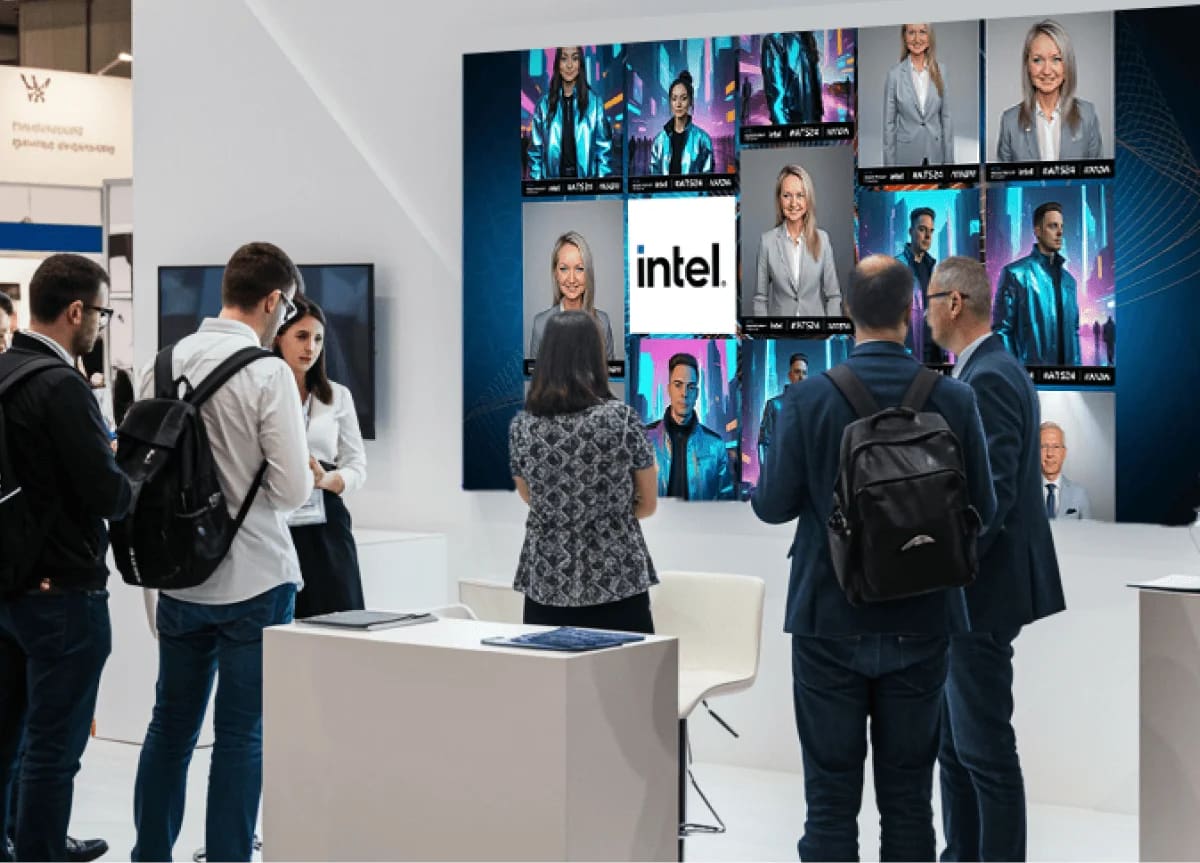
None of them needs a bigger footprint. They are configuration calls made before load-in, which is why the model travels to conferences and large events and to trade show exhibitor booths with no pets in sight. On the resourcing question underneath, our in-house brand activation playbook covers when a team should own this layer.
The lesson of VCA's booth isn't that pet portraits work. It's that one activation can serve two departments if you decide that before you design the form. Leads in, content out, and a recruiting pipeline nobody had to staff a second table to fill.
Ready to give your next activation a second job?
Get a QuoteOr explore: How It Works | AI Photo Booth