

Table of Contents
There's something about seeing hundreds of individual photos come together into a single, massive image that makes people stop and stare. A live photo mosaic does exactly that, and at events, it turns passive attendees into active participants who actually want to contribute.
Unlike standard digital signage or static banners, a live mosaic grows in real time as people engage. Each new photo fills in another tile, and the collective image takes shape over the course of an event. It's a simple concept with a surprisingly powerful effect on foot traffic, dwell time, and social sharing.
What Is a Live Photo Mosaic?
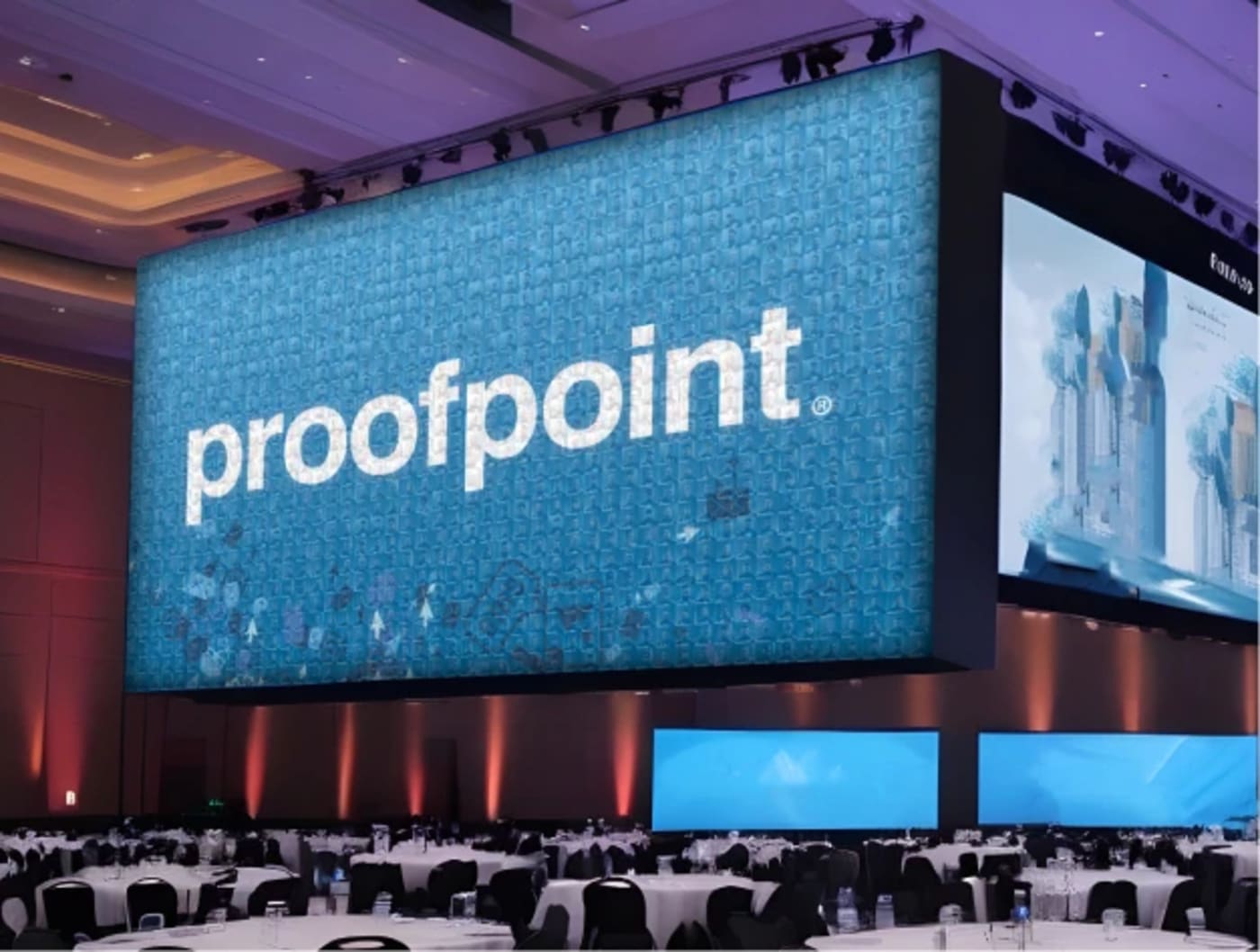
A live photo mosaic is a large-scale digital image composed of hundreds or thousands of individual photos, assembled in real time during an event. Attendees contribute selfies or photos through a digital photo experience, or by scanning a shareable QR code and adding a photo straight from their phone with no booth session. Each submission becomes a tile that fills a section of a larger branded image, logo, or design.
The "live" part is what separates it from a standard photo collage. The mosaic updates continuously as new photos come in, creating a visual that evolves throughout the event. Early arrivals see a mostly empty canvas. By mid-event, the image is recognizable. By the end, it's complete, and every person who participated can find themselves in it.
There are a few different formats worth knowing:
- Static mosaics are pre-assembled from a photo library and displayed as a finished piece. Good for lobbies and permanent installations, but no real-time engagement.
- Live mosaics build in real time from attendee contributions. This is the format that drives participation at events.
- Video mosaics use short video clips instead of still photos, adding motion to the display. More complex to produce, but visually striking on large screens.
Why Do Live Mosaics Work So Well at Events?
The psychology is straightforward: people want to see themselves represented. A live mosaic taps into that impulse and turns it into a participation engine. Here's what we've seen happen consistently when mosaics are part of an event activation:
They create a feedback loop. Someone sees the mosaic display, notices the empty tiles, scans a QR code, and takes a photo. Their face appears on screen within seconds. The person next to them sees it happen and does the same thing. The mosaic fills faster as the event goes on, not slower.
They extend dwell time. Attendees return to check on the mosaic's progress, look for their own photo, and point it out to colleagues. At trade shows, this kind of return traffic is gold for booth staff trying to start conversations.
They generate organic social content. A completed mosaic is inherently shareable. People photograph the full display, screenshot their individual tile, and post both. Your brand image gets organic social reach without additional ad spend.
They work at scale. The mosaic never runs out of room, so every guest makes it in. Once the wall fills up, it makes space by swapping out a photo that already appears more than once, so late arrivals still land on screen. A mosaic is one of four live display types; if you are still deciding between a gallery, a slideshow, a leaderboard and a mosaic, start with the display comparison.
What Are the Best Use Cases for Event Mosaics?
Mosaics fit naturally into most event formats, but some applications work particularly well:
Corporate conferences and internal events. A mosaic of employee or attendee photos building into the company logo creates a tangible "we're all part of this" moment. It works especially well for all-hands meetings, sales kickoffs, and milestone celebrations. We wrote up the all-hands version as a runnable play, with what the dashboard reports and what it doesn't, in the company-wide mosaic for all-hands and kickoffs. The completed mosaic becomes a keepsake that represents everyone who attended.
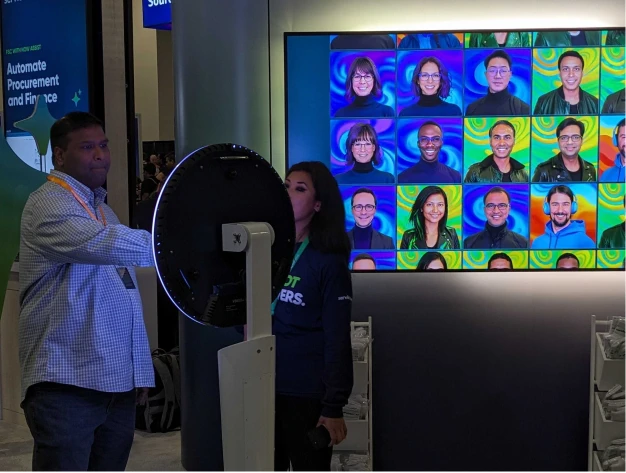
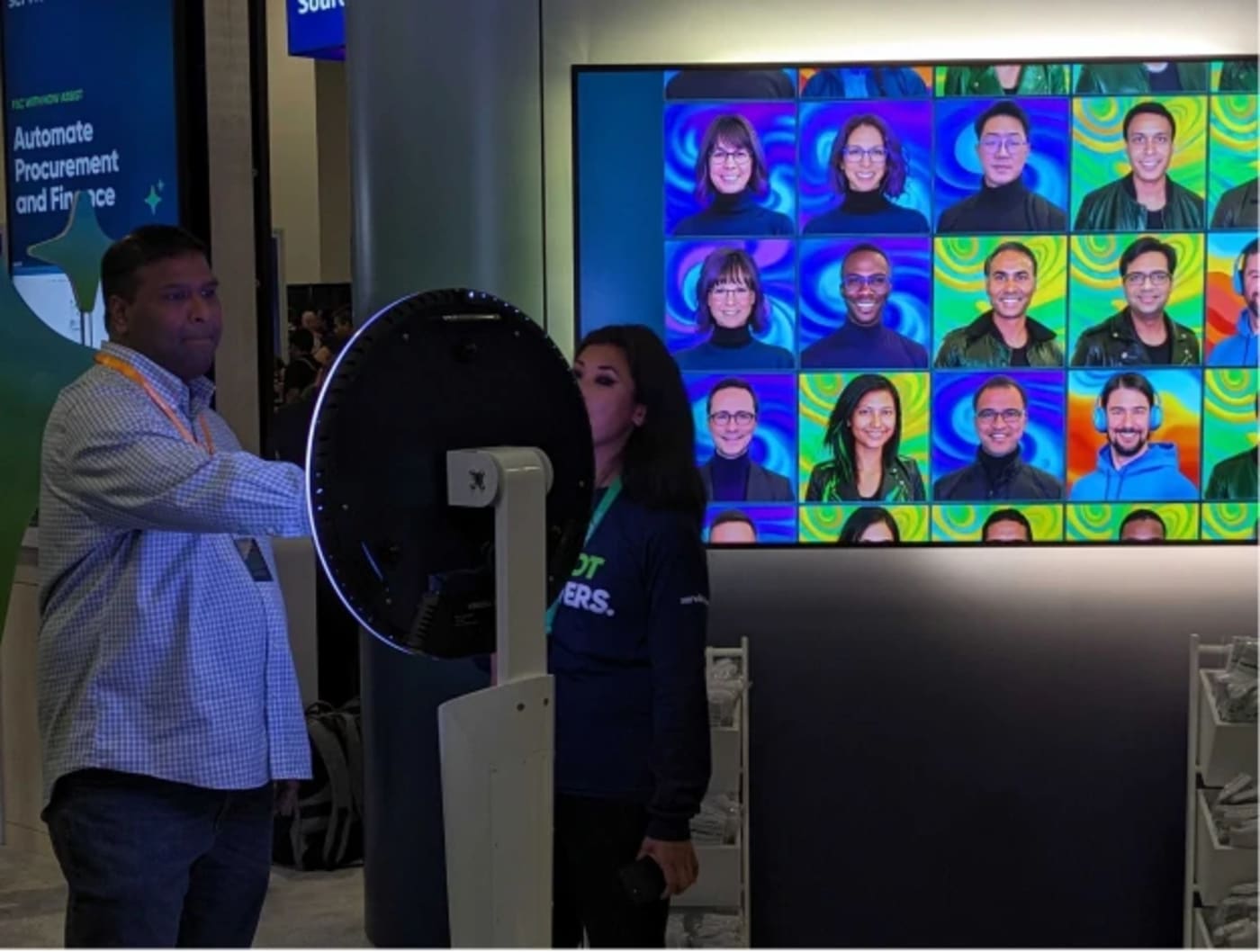
Trade show booths. A mosaic display on a large screen draws attention from the aisle and gives attendees a reason to stop. Combine it with an AI-powered photo experience at the booth and you get both the engagement moment and the lead capture in a single interaction.
Brand activations and product launches. Build the mosaic around a product image, campaign visual, or brand mascot. As attendees contribute, they literally build the brand image together. It's a visual metaphor for community that also produces usable marketing content.
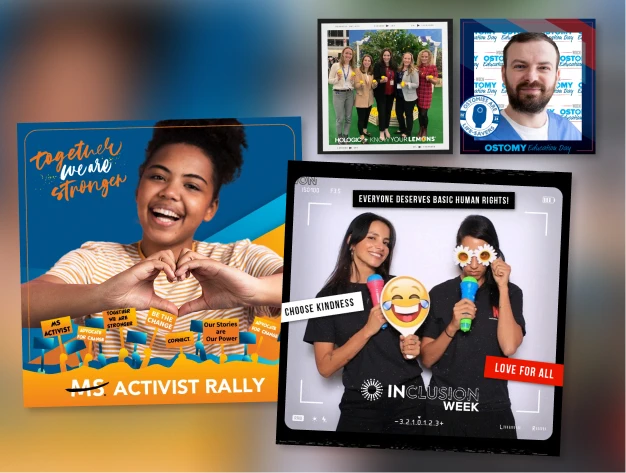
Fundraisers and cause-driven events. Nonprofits and cause campaigns use mosaics to visualize collective participation. A mosaic wall showing every donor's or volunteer's face building into a mission-related image reinforces that every individual contribution matters.
Festivals and entertainment events. The energy at these events pairs well with a large-format mosaic display. Fan photos building into an artist's image, event poster, or venue logo give fans a memento and give organizers a branded content asset.
How Do You Set Up a Live Photo Mosaic at an Event?
The setup has three components: the photo capture method, the mosaic software, and the display.
Photo capture. Attendees need a way to submit photos. The most common approaches are a dedicated photo kiosk or selfie station near the display, or a shareable QR code on signage, table cards or the wall itself that lets any guest add a photo from their phone. The QR approach tends to work best at large events because it doesn't require attendees to wait in line.
Mosaic assembly. Software maps each incoming photo to a position in the larger image based on color, tone, and brightness. The algorithm matches each photo to the tile where it fits best visually. Better software handles this in near-real-time, so the mosaic updates within seconds of each new submission.
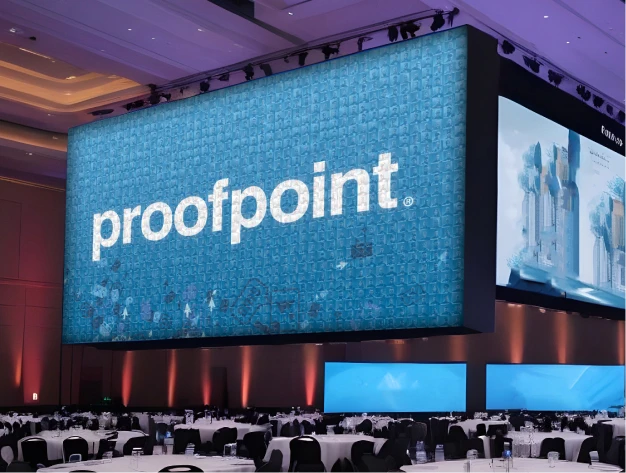
Display. The mosaic needs to be visible enough to draw people in. Large LED screens, projection walls, or multi-panel video walls work best. Placement matters: position the display where foot traffic naturally flows, and put the capture mechanism (kiosk or QR signage) within direct line of sight. When people can see the display updating while they're submitting, participation rates climb.
Digital Mosaics vs. Physical Mosaic Walls
Physical mosaic walls, where printed photos are placed on a wall or board, still have a place at certain events. They offer a tactile, hands-on experience and can serve as a permanent installation after the event. Some organizers mix horizontal and vertical frames with a centerpiece anchor photo for visual variety.
But for most event applications, digital mosaics have clear advantages:
- Real-time updates keep the experience dynamic throughout the event
- No printing, pinning, or physical labor during the event itself
- The display can be repurposed across multiple events with different target images
- Guests add photos from anywhere by scanning a QR code or opening a link, with no booth session
- The final mosaic image is ready for immediate digital distribution: email, social, follow-up campaigns
Physical walls work better for smaller, more intimate events where the act of placing a photo is part of the experience. Digital works better at scale and when you want the mosaic to do double duty as both an engagement tool and a content asset.
How Do You Measure the Impact of a Mosaic Activation?
Mosaics produce measurable outcomes beyond "people liked it." Here's what to track:
Participation rate. What percentage of attendees contributed a photo? At well-promoted activations, 30-50% participation is a reasonable benchmark. Below 20% suggests the capture mechanism or signage needs work.
Return visits. If you're using foot traffic sensors or booth scanners, measure how many attendees came back to check the mosaic after their initial visit. High return rates mean the mosaic is doing its job as a traffic driver.
Social shares. Track posts using your event hashtag that include photos of the mosaic display. These are organic brand impressions you didn't pay for.
Lead capture conversion. If the mosaic is paired with a lead capture experience, measure how many photo submissions also resulted in a captured email or contact. This is where the mosaic goes from "cool visual" to "pipeline contributor."
Content value. The completed mosaic image itself is a usable asset. It can go into post-event recap emails, social posts, annual reports, and internal communications. Factor this into your ROI calculation.
Common Mistakes That Undercut Mosaic Activations
We've seen a few patterns that consistently reduce the impact of what should be a strong activation:
Poor display placement. Tucking the mosaic screen behind the booth or in a corner means fewer people see it, which means fewer contributions, which means a sparse final image. The display is the marketing, so give it prime real estate.
No clear call to action. Attendees need to know what to do. "Scan this QR code to add your photo to the mosaic" on visible signage is the minimum. Don't assume people will figure it out by watching others.
Choosing the wrong target image. The master image needs enough color variation and detail to look good as a mosaic. A solid-color logo on a white background won't produce a compelling result. Images with gradient, varied tones, and recognizable shapes work best.
Ignoring the final image. The mosaic is a content asset. Have a plan for distributing it after the event. Send it to every participant in a follow-up email. Post it on social. Use it in your event recap. Don't just turn off the screen and walk away.
Interested in adding a mosaic to your next event?
Let's TalkOr explore: Mosaic Solutions | Corporate Activations