
Table of Contents
What is a photo booth for a product launch?
A photo booth for a product launch is a branded capture point where guests photograph themselves with the new product, placed in the frame by AI or real in the room, then enter their details and receive the finished photo by email or text. The brand gets launch content and lead data from the same moment.
Most marketing activations have to work hard to give guests a reason to take part. Product launches don't. The audience came to see the new thing, the room is built around it, and the creative is already polished for the night. A photo booth for a product launch turns that attention into something guests keep, and into a list of who was there and what they cared about.
Key takeaways
- Put the product in the frame. People look hardest at whatever they're about to photograph.
- Choose the format by what the launch creative needs: real photography, AI product placement, a guest-starring story or a collector card.
- The platform gives you content, lead data and participation by hour from the same activation.
- Run it beside the reveal, not in front of it, and plan at the longer end of a month if the creative is custom.
Why use a photo booth for a product launch?
Because the camera points attention at the product. Across three field and six lab experiments, Kristin Diehl, Gal Zauberman and Alixandra Barasch found that taking photos increases enjoyment of positive experiences by making people more engaged with them, and that it directs visual attention to the parts of an experience people want to photograph. At a launch, the thing you want them looking at is the product. Put it in the frame and you're spending each guest's attention exactly where the launch needs it.
Three things make launches a stronger fit than most events. The product is already the visual centrepiece, so a photo with the product in it isn't a souvenir of the event, it's the launch story in the guest's own hands. The audience is at a high-intent moment: they came for this, so the data capture step asks for details from people who already want to know more. And the content goes out while the launch is still being talked about, by guests who have their own reasons to share it. Our product launch activations page shows the concepts launch teams build from.
Which photo booth format fits your product launch?
Four formats cover most launches. Each one runs the same capture, consent and delivery flow; what changes is what the guest walks away with.
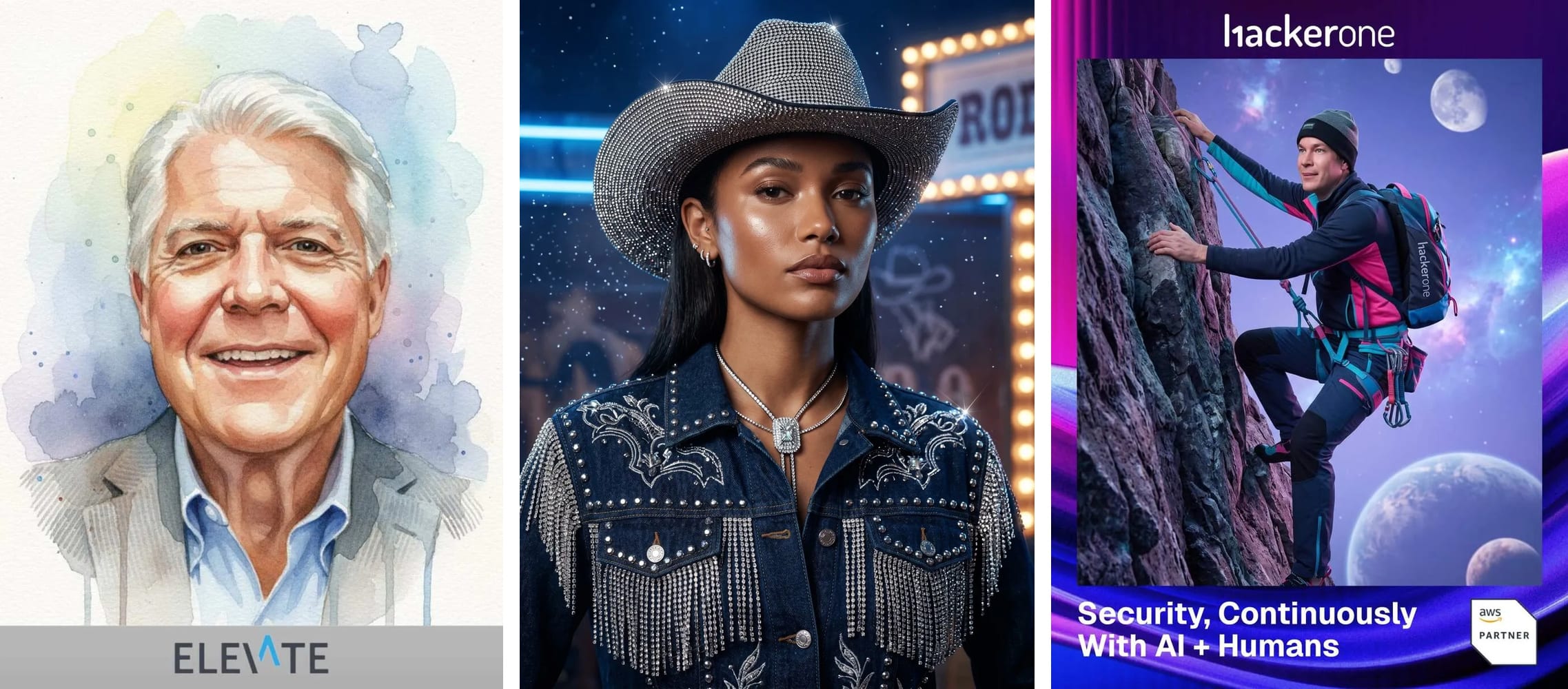
Digital Photo Booth is the call when authenticity matters more than a creative twist. Vehicle reveals, retail openings and sports product unveilings where the brand wants real photography of guests with the real product, under a branded frame with partner logos on every output. It works best when the product is already the hero on stage or in the room.
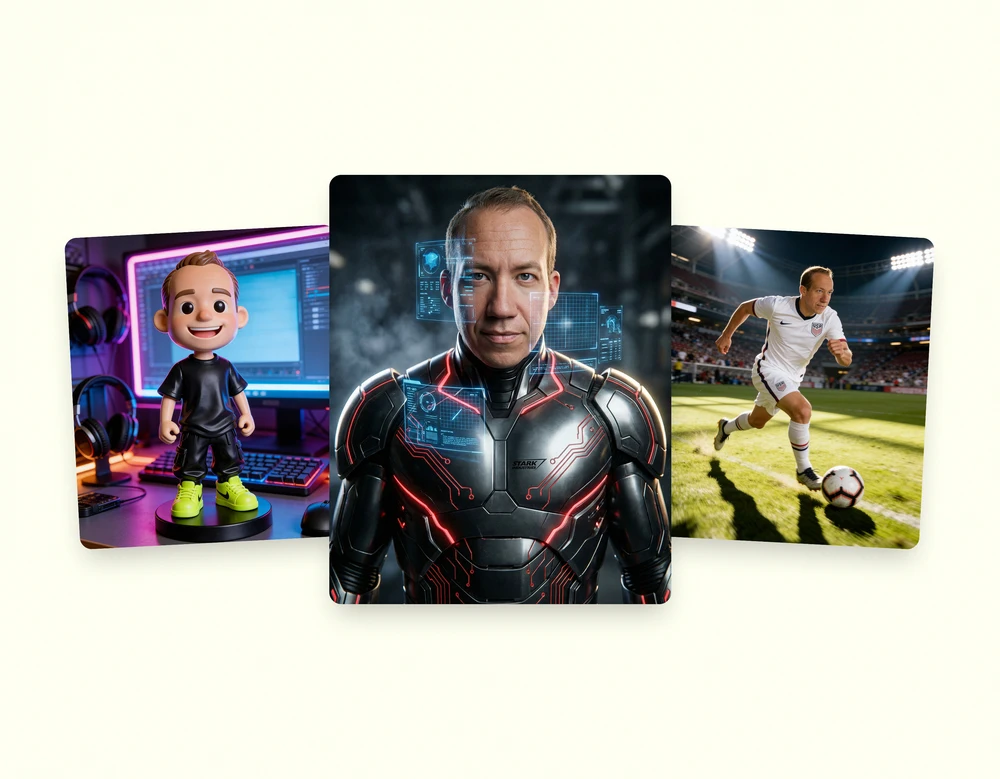
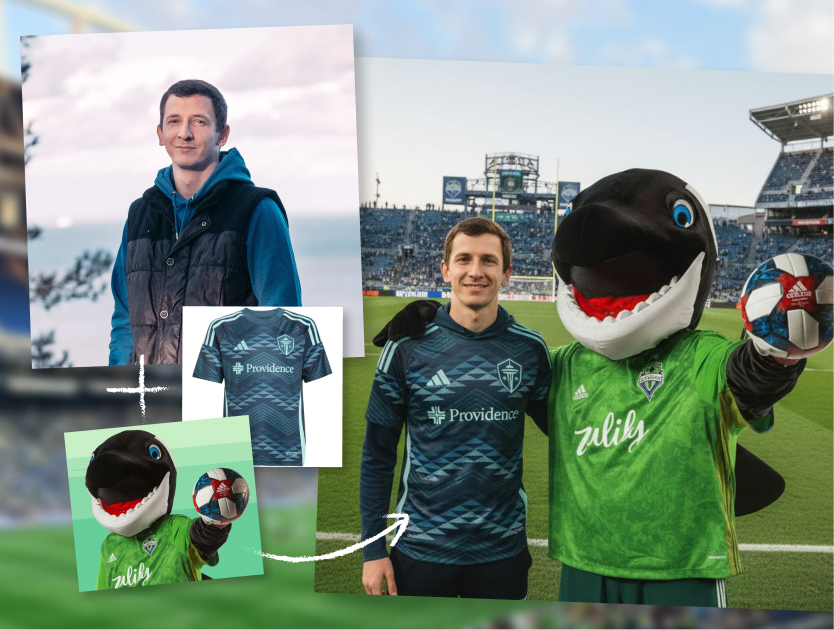
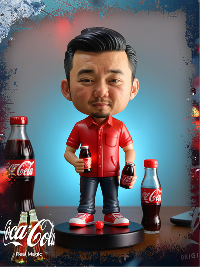
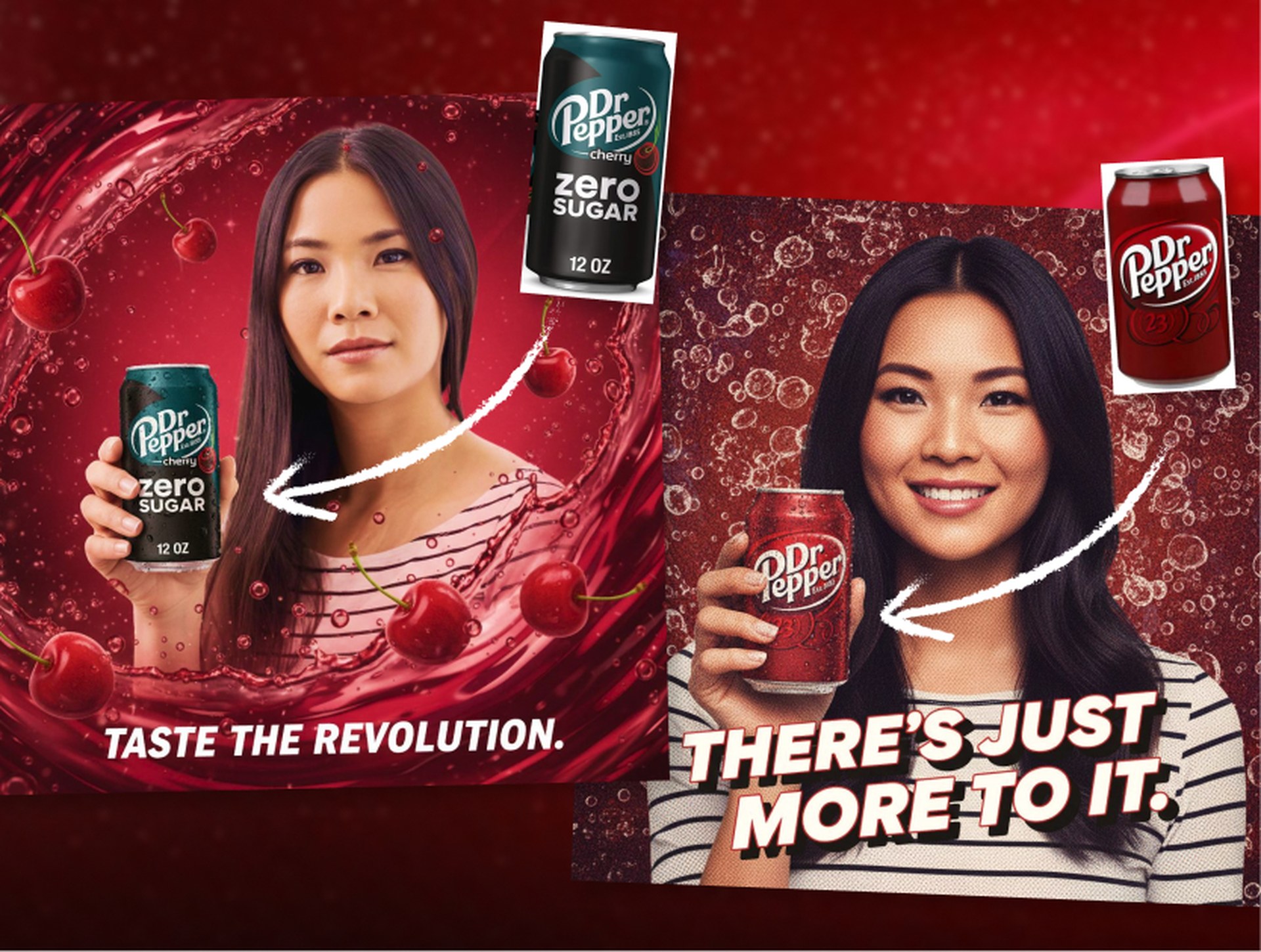
AI Photo Booth places the product in every portrait. You share reference images of the new can, the sunglasses or the jacket, and the style is built so each guest comes back holding it, wearing it or standing next to it, in a scene your creative team designed. It's the strongest choice when the product is small, not yet on site, or best shown in a setting the venue can't provide.
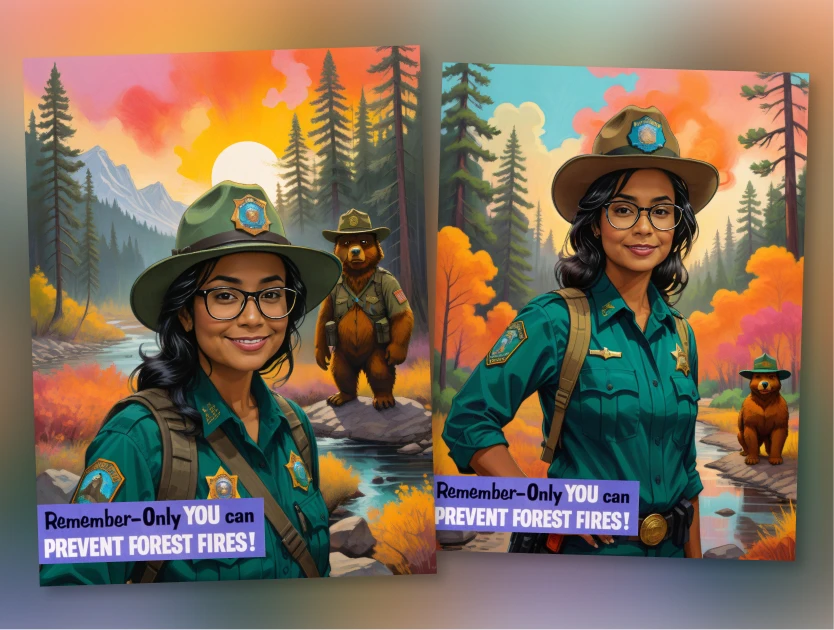
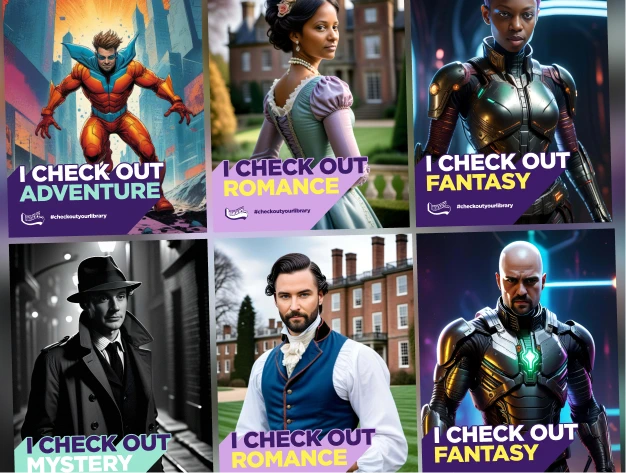
AI Stories turns each guest into the lead of a short illustrated launch story, built from a few answers about how they'd use the product. Use it when the launch has a narrative the brand wants every attendee to carry; our AI Stories explainer covers how to write the prompts.
Trading Cards suit fan audiences: games, sport, entertainment and gear. The holographic finish tilts and shimmers on a phone and keeps doing it in every link a guest shares, and each card can carry a back personalized with details from that guest's entry. More in our trading card activations guide.

Whichever you pick, make the output something the guest wants for themselves first. Research from the same group found that taking photos with the intention to share them reduced enjoyment compared with taking them for oneself, because people start worrying about how they'll come across. A portrait that puts the guest inside the launch is one they keep, and the sharing follows from that rather than from a prompt to post.
| Launch looks like | Format | The guest gets | The launch team gets |
|---|---|---|---|
| Product on stage, authenticity first | Digital Photo Booth | A real, branded photo with the product | Real event imagery, lead data |
| Small or off-site product, strong creative direction | AI Photo Booth | A styled portrait with the product placed in the scene | Product-in-hand content, lead data |
| A launch with a story to tell | AI Stories | An illustrated story of their first use | Story content, guests' answers |
| Fans, collectors, gear | Trading Cards | A holographic card with a personalized back | Shareable cards, chosen stats |
At bigger launches, two formats often beat one: real photography at the main reception, and AI portraits or trading cards at the press dinner or VIP tier. Same platform, two activations, two roles in the night.
See it in action
Put your new product in every guest's portrait
Branded AI portraits built around your product, with lead capture and delivery by email or text.
Explore AI Photo BoothThe format decides what guests take home. How the night runs decides how many of them get there.
How does a product launch photo booth run on launch night?
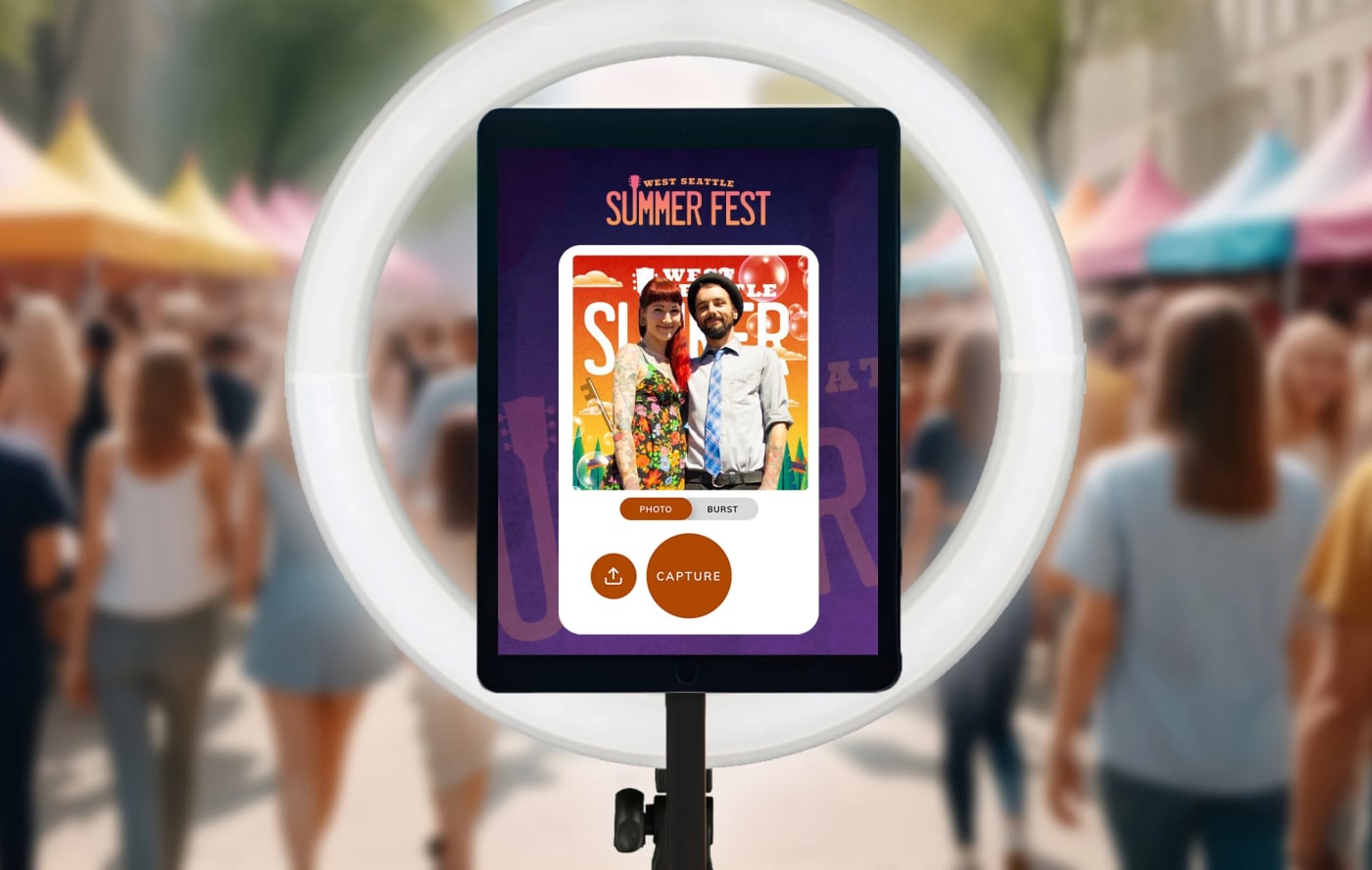
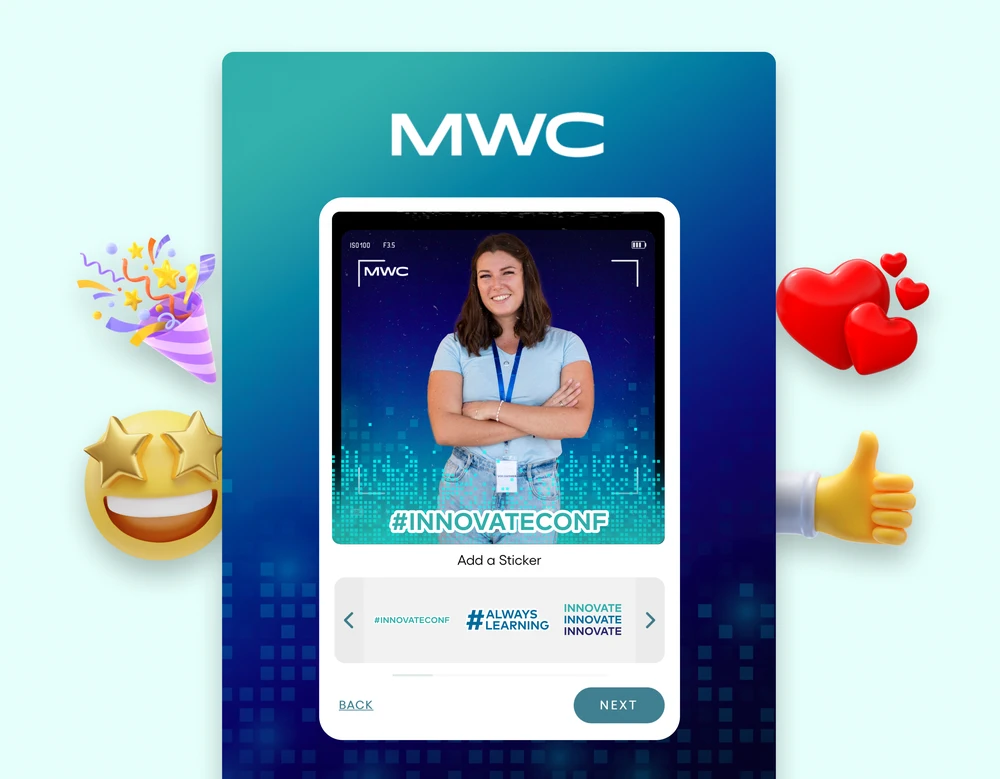
It runs on whatever the venue suits: a kiosk beside the reveal, iPads at the bar, a laptop at press check-in, guests' own phones by QR code, or all of them at once. Snapbar runs the experience; your team sources the hardware and the staff on the floor.
A guest opens the branded experience, agrees to the consent terms and takes a photo. The data capture step asks for whatever the launch team set: name and email, plus fields like job title, company, distribution channel or a retail partner code. Because the fields are set per experience, the same activation can collect press contacts at a morning preview and retail partner contacts at the evening reception. The finished content arrives by email or text, and guests share it from the gallery link they receive.
While that's happening, a live gallery and a slideshow show the night's content on as many screens as the venue has; both come with every activation. If the product is under embargo until the reveal, every photo can wait for a yes before it appears on any screen. Afterwards, the dashboard holds every submission and every lead for the team to export into its follow-up.
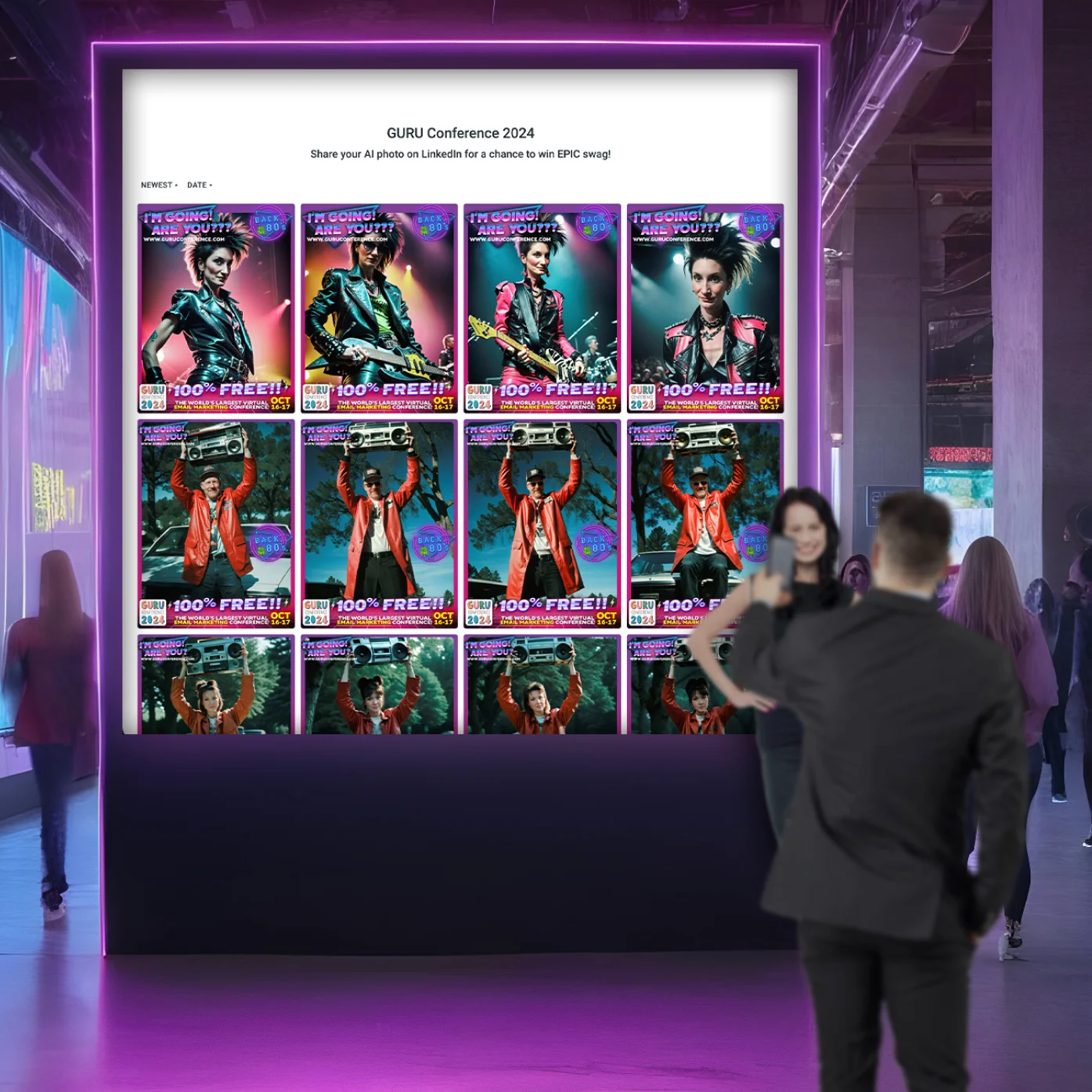
Where should the photo booth sit across the launch arc?
Beside the reveal, and on either side of it. A launch is rarely one night, and the same experience can do different work before, during and after.
Before the public launch, run it at a press preview, an influencer dinner or a retail partner briefing. We can limit a preview to guests who enter an email on your domains, or your partners', so the first wave of content comes from the people you invited. Global launches can run the same experience in each guest's language.
On the night, keep the capture point next to the moment, not in its way. The same photo research that explains why the booth works also sets its limit: the enjoyment benefit shrinks when taking photos interferes with the experience itself. Nobody should be choosing between watching the reveal and making their portrait. Open the capture point as the reveal ends, or place it where the crowd flows afterwards.
After the event, the content keeps working. Portraits land in inboxes while the launch is still being discussed, and the leads give the team the basis for a follow-up: "Here's your photo from launch night, and here's early access to the new product." Running all three stages on one platform keeps the branded template, the lead fields and the reporting consistent from the first preview to the last follow-up.
What should you measure at a product launch photo booth?
Measure what the platform reports, and be clear about what it doesn't.
The activity chart shows submissions and views by hour, day or week, so the team can see which part of the night drew the most participation and whether the post-reveal window did what it was meant to. Lead data arrives with the fields the launch asked for, which is where qualification lives: role, company, channel, interest. Views show how much attention the content drew on screens and in the gallery. What no capture point measures directly is reach after a guest shares to their own channels; treat that as upside, not a metric. And conversion to the next step, a trial, a pre-order or a partner inquiry, sits in your own systems, where the exported leads let you track it. Our guide to measuring experiential marketing ROI covers how to connect the two.
What does a product launch photo booth look like in practice?
For its Tast!ez brand, McCain Foods partnered with Snapbar on a playful photo experience inspired by the brand's new mascots: guests were transformed into whimsical, muppet-like AI characters. It ran across multiple in-person events, and more than 500 participants created nearly 400 pieces of unique AI-generated content. The Tast!ez team took it further with prints and custom screen-printed t-shirts of the portraits.
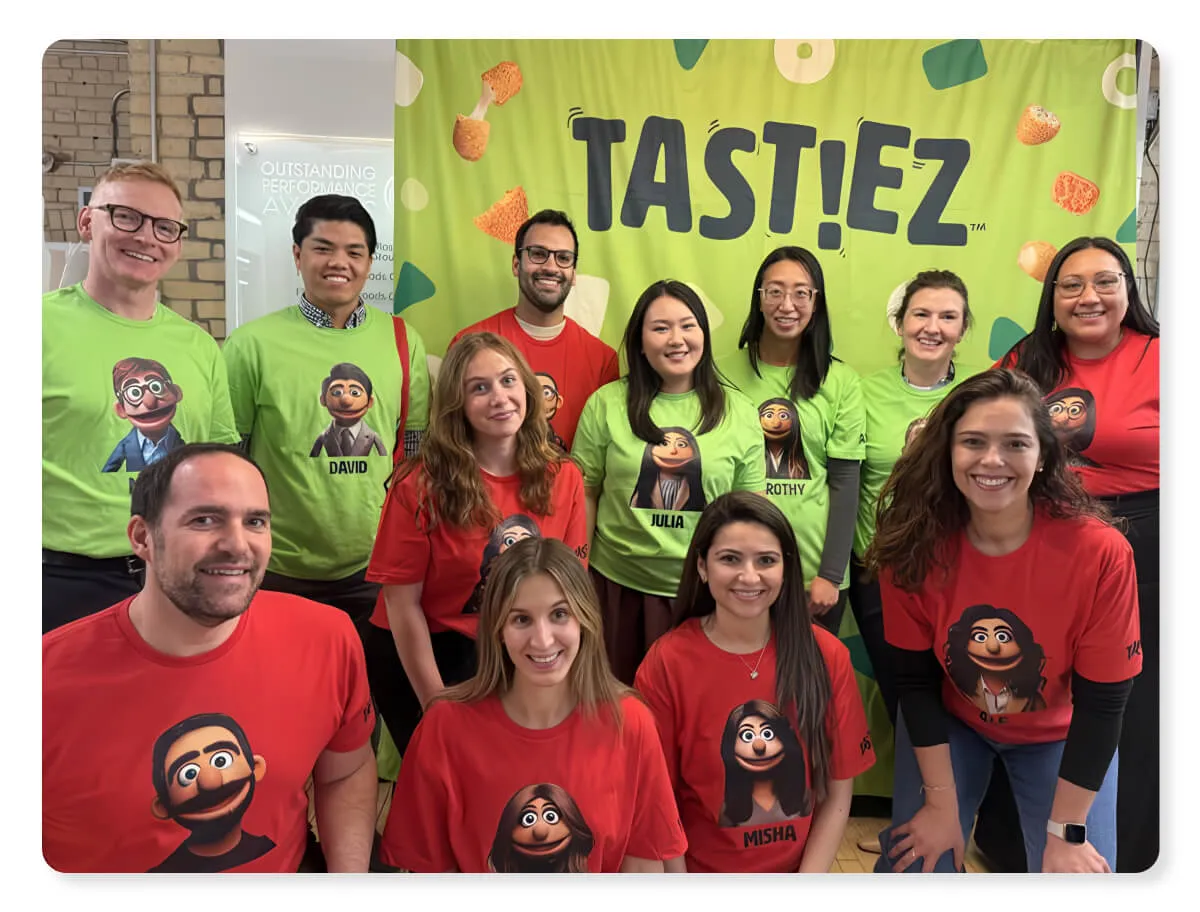
Two set-ups we'd suggest for common launch types, as starting points rather than case studies. For a beverage launch, an AI Photo Booth style that places the new can in each guest's hand, inside the campaign's look, with the same experience on iPads at distributor events in the weeks after. For a vehicle reveal, real photography with the car behind the guest at the main reveal, and trading cards featuring the new model at the press dinner.
When should a launch use a different format?
Three situations call for adjusting the plan rather than dropping it.
A press-only reveal under embargo can still run a capture point: hold every photo for approval before any screen shows it, or open the experience once the product is public. Premium categories that expect professional portraiture, like luxury fashion or high-end automotive, are usually better served by real photography on Digital Photo Booth at the main event, with AI portraits saved for the after-party tier. And a livestreamed or virtual launch still has an audience: guests can join by link from wherever they're watching, which our virtual and hybrid experiences are built for.
Match the format to the launch creative, put the product where the camera points, and keep the capture point beside the reveal rather than in front of it.