

Table of Contents
How do non-profits use photo booths at events? Non-profits run branded photo activations at galas, donor recognition events, scholarship programs, golf tournaments, and community days. Guests get a branded portrait or AI portrait in exchange for a lead-capture form, sponsors get logo placement on every output, and the organization gets shareable content that extends the event's reach long after the room clears.
Key takeaways
- Photo booth activations turn non-profit events into engagement engines that build community, recognize sponsors, and create shareable content.
- Every branded portrait carries the non-profit's logo and the sponsor's logo into the guest's inbox and social feed. That's measurable sponsor visibility you can sell.
- Digital Photo Booth is the right primary product for most non-profit budgets; AI Photo Booth is worth considering at higher-tier galas where the creative angle matters as much as the lead capture.
- Lead capture, live gallery displays, and admin moderation come standard, so the activation doubles as a CRM-ready donor pipeline.
Why photo activations work for non-profit events
Non-profit events ask a lot of their guests. Show up, give time, give money, share the cause. The activation that lands well in that context is the one that gives something back in real time.
A branded photo activation does three things at once. It entertains, so the room feels alive. It captures lead information, so the development team has someone to follow up with next week. And it puts the non-profit's brand (plus every sponsor logo) in the guest's pocket on the way home. We've watched non-profits use the same activation to drive donor recognition at a gala, sponsor visibility at a golf tournament, and youth engagement at a scholarship event without changing platforms.
One stat we lean on when budgeting committees ask: Snapbar's branded email delivery sees a 95% open rate on activation content. Most donor email campaigns sit closer to 25%. The portrait we deliver is the message guests are actually waiting for.
The non-profit event types that benefit most
The activation pattern works across the non-profit calendar, but a few event types are especially strong fits.
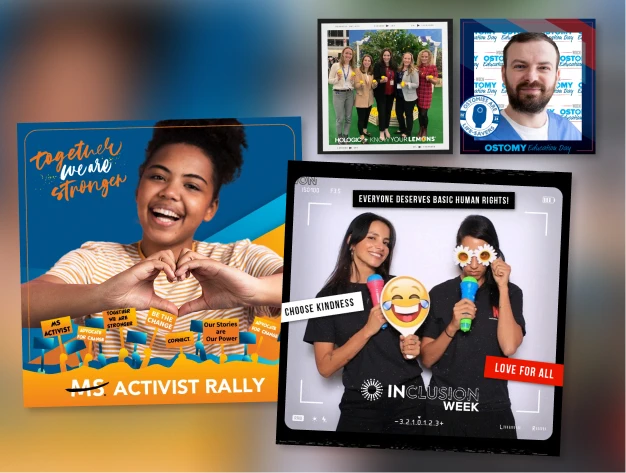
Fundraising galas. Branded portraits in formal attire, sponsor logos on every output, a live gallery on the ballroom screens. Guests share to social on the way to their cars; the gala's reach extends to every friend, donor, and follower in their network. Sponsor packages can include logo placement on the photo template, the email signature, and the live display.
Donor recognition events. Major donors expect to feel seen. A dedicated photo activation in the donor lounge with a custom backdrop, the non-profit's branded overlay, and individualized email delivery makes recognition tangible. Add a Persona Quiz overlay (a few questions about giving priorities) and you also capture the data your stewardship team needs for the next ask.
Scholarship and youth programs. Education-focused non-profits run activations that align with their cohort's energy. A college signing day, a youth leadership summit, a culture festival. The activation becomes the keepsake the student takes home from a milestone moment. Hispanic Scholarship Fund has been a Snapbar partner since 2019 across more than 100 events in this category alone.
Walks, runs, and golf tournaments. Outdoor and athletic-format non-profit events historically struggle to capture social media content because attendees are moving the whole time. A digital activation that fits in the guest's phone solves that. They scan a QR code at the registration table, get a branded portrait by the time they cross the finish line, and post it before lunch.
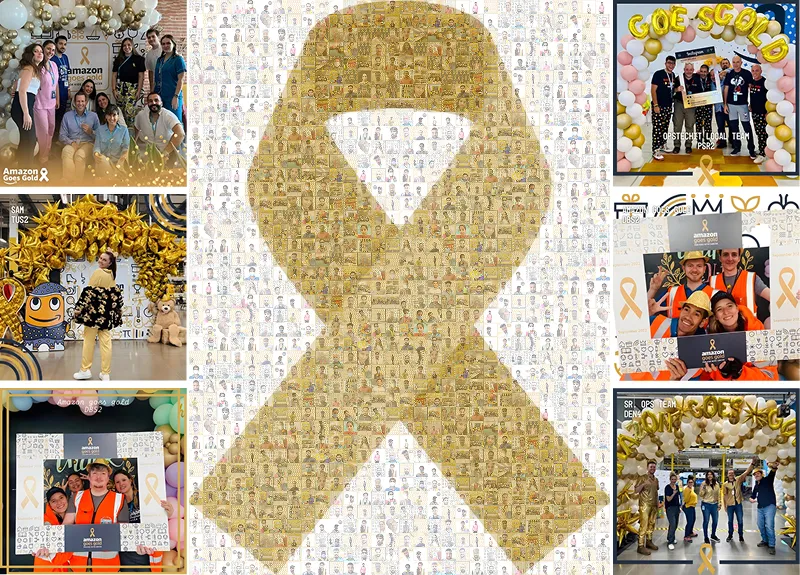
Community days and volunteer appreciation. Mission-aligned events where the goal is celebration and community building rather than fundraising. The activation here is lower-pressure: no lead-capture form required, just branded content to commemorate the day. Sponsors still get logo placement; volunteers still get a piece of branded content that signals "I was part of this."
How a Snapbar non-profit activation actually runs
The mechanics are the same whether the event is a 200-guest gala or a 5,000-guest community day.
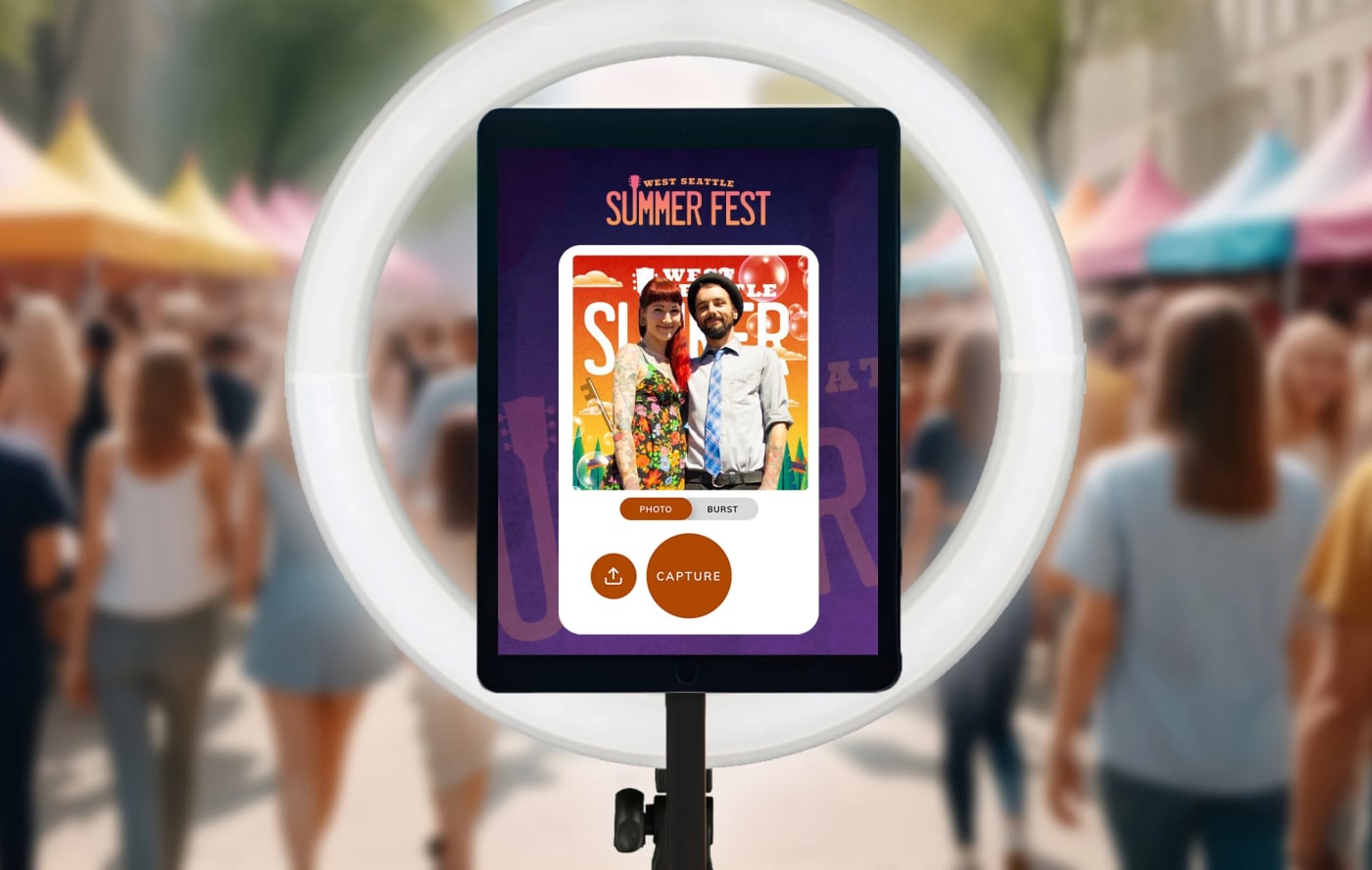
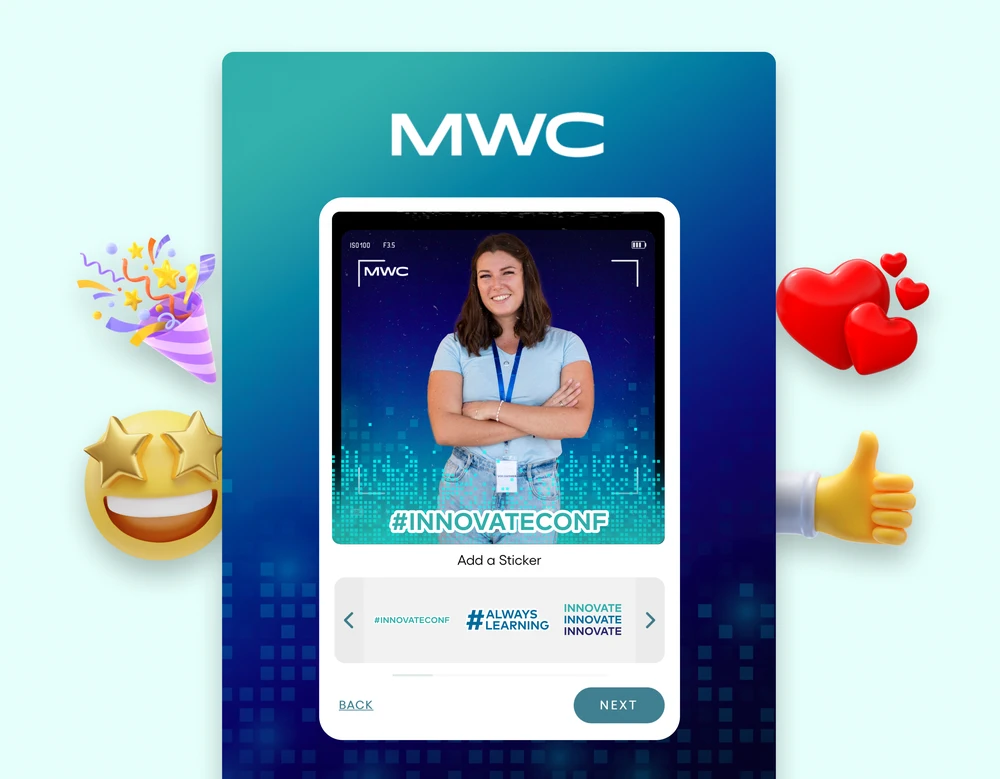
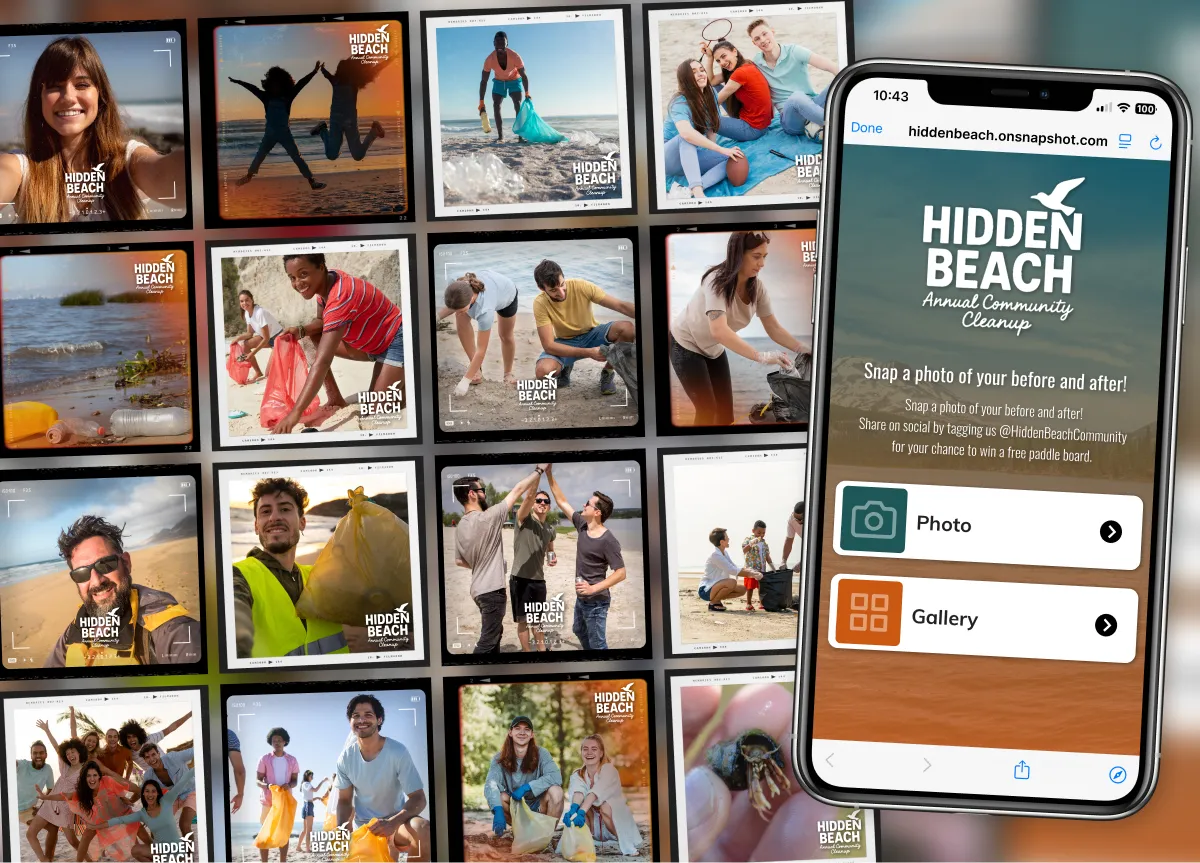
A guest scans a QR code at the activation table or signage. The branded microsite loads on their own device, so there's no kiosk to staff or hardware to manage. They review consent terms (image capture, marketing use, display rights) and tick a checkbox. They capture a photo, fill in name, email, and whatever custom fields the non-profit configured (donor tier, alumni status, sponsor opt-in), and tap submit.
The platform applies the non-profit's branded template, sponsor logos, and any AI transformation if it's an AI activation. The guest receives the result by email, the live gallery and slideshow displays at the event update automatically, and the admin dashboard shows every capture and every captured lead for the development team to export into the CRM.
The whole guest flow is under a minute. The lead-capture form is configurable per event, so the same activation can capture different fields at a gala (donor giving level, employer match opt-in) versus a community day (zip code, mailing list opt-in).
Sponsor monetization patterns we've watched work
Photo activations are one of the more sellable sponsor assets at a non-profit event because the value is concrete and measurable.
The strongest packages bundle three placements: a logo on the branded photo template that every guest receives, a logo in the delivery email that lands in every guest's inbox, and a logo position on the live gallery/slideshow display in the room. Each placement carries its own impression count, which the non-profit can hand to the sponsor as a post-event reporting deliverable. Snapbar's admin dashboard tracks captures, leads, and gallery views, so the numbers are real, not estimated.
A few additional upgrades worth pricing into a sponsor tier: title sponsorship of the activation as a named experience ("Photo Lounge presented by [Sponsor]"), exclusive activation styles (one sponsor gets the AI Photo Booth, another gets the Trading Cards), or a co-branded post-event content drop where the non-profit and sponsor share the activation gallery to their respective audiences.
Donor engagement and community building
The hardest part of donor stewardship is the gap between events. A capital campaign update lands in inboxes once a quarter. The activation content lands the same night as the event, while the donor is still talking about it.
Two patterns we've seen work well. The first is a follow-up campaign that uses the photo activation gallery as the visual hook: an email that opens with "your photo from last night" and pivots into the next ask. Open rates run well above the standard donor email baseline. The second is using Persona Quiz as a stewardship layer, where guests answer 3-4 questions about their giving priorities during the activation, and the development team uses that data to personalize the next outreach.
For non-profits with active sponsor or partner relationships, the gallery itself becomes a community asset. Fundraising event playbooks often emphasize "make donors feel seen" as the stewardship principle; a branded activation gallery is one of the rare cases where every guest gets the same recognition treatment regardless of giving level.
Digital Photo Booth vs. AI Photo Booth for non-profits
Most non-profit events should default to Digital Photo Booth. The pricing fits non-profit budgets, the activation delivers real candid event photography, and the production timeline is short enough that it doesn't compete with the rest of the event-planning calendar. Digital Photo Booth is also the right call when authenticity matters: golfers in their actual outing photos, alumni in their reunion crowd shots, volunteers caught mid-laugh at a build day.
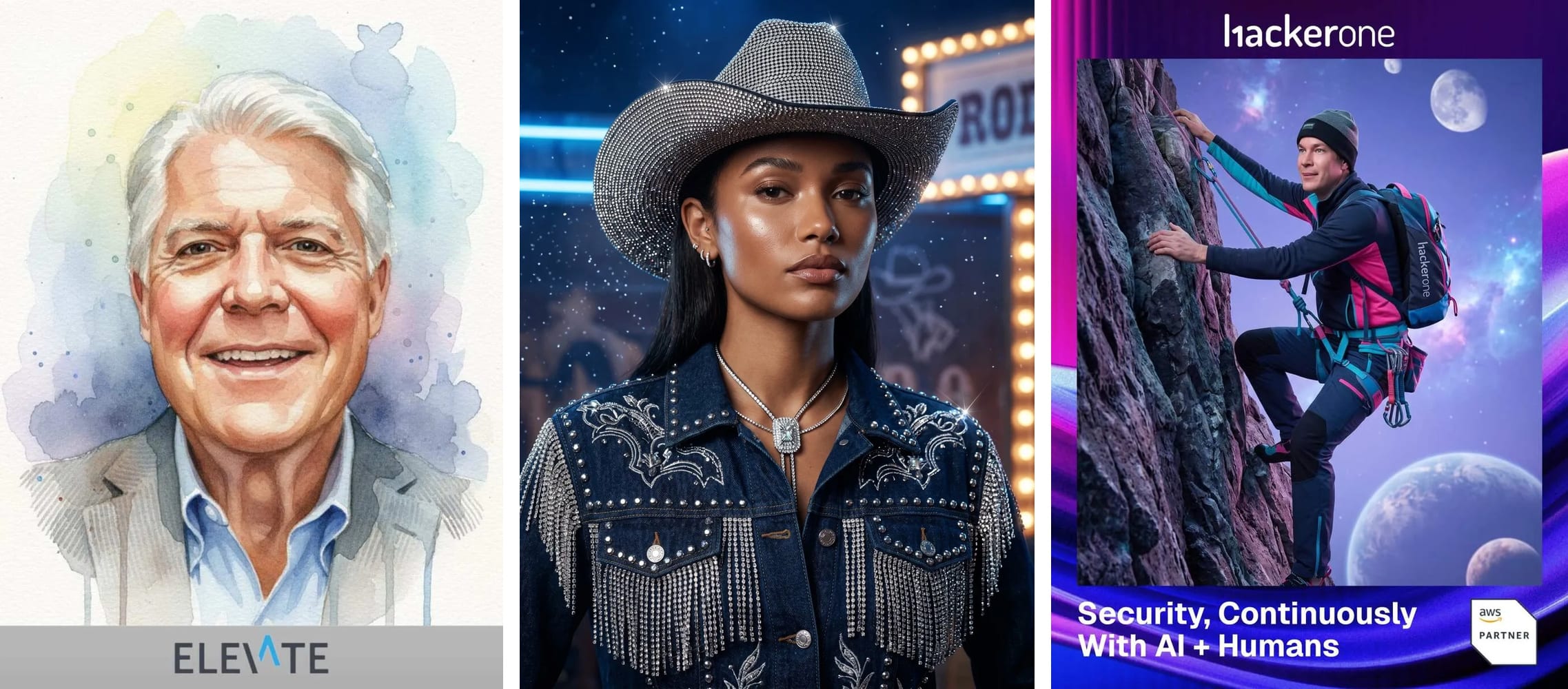
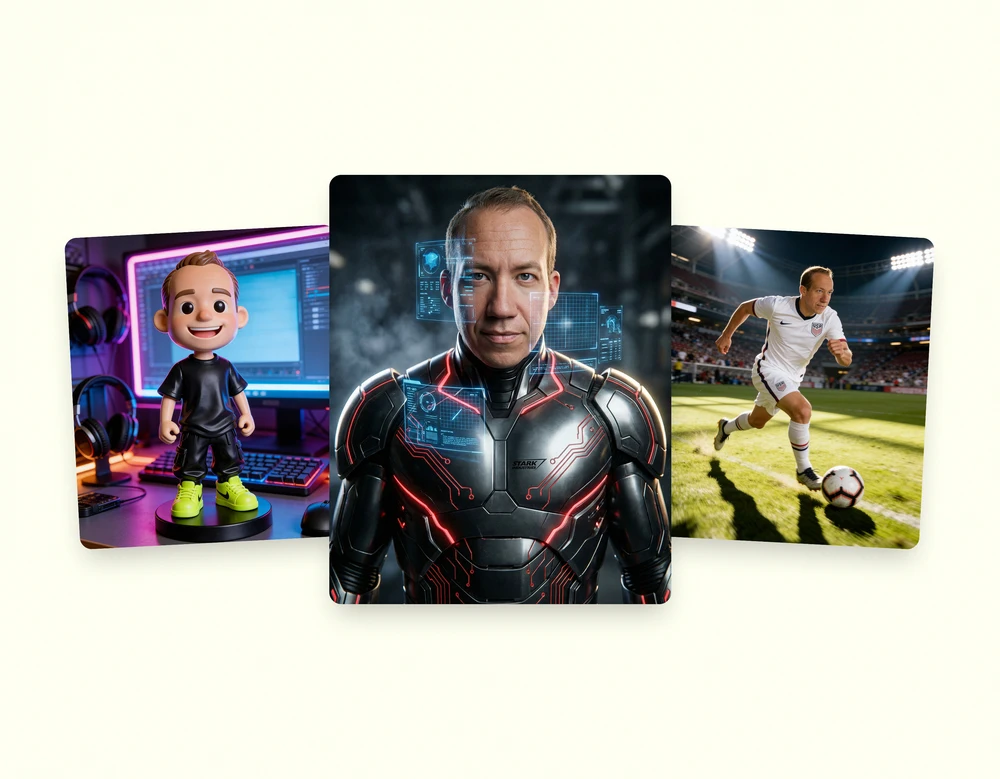
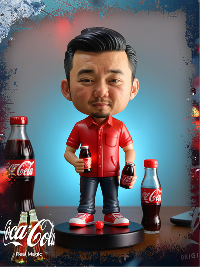
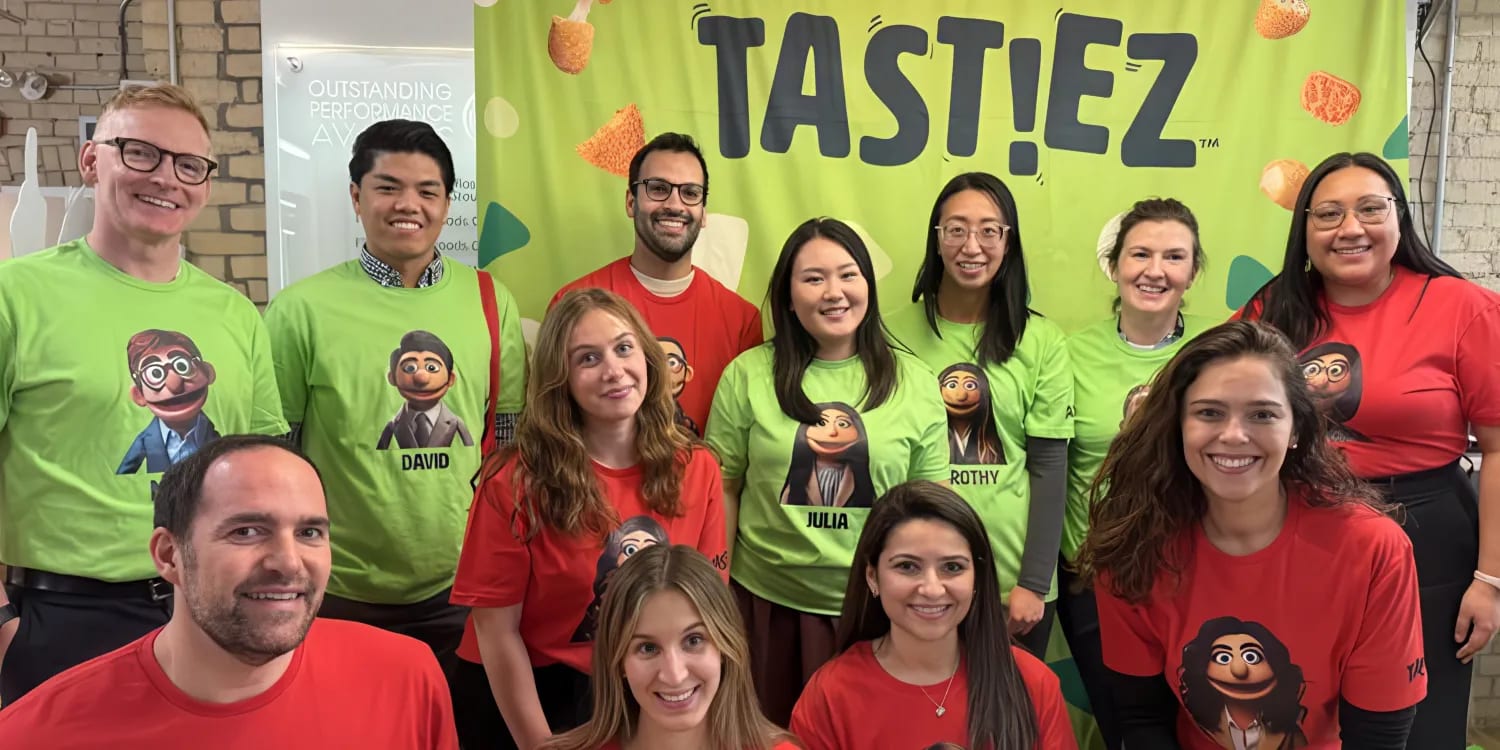
The case for stepping up to AI Photo Booth is creative differentiation. A black-tie gala that wants every donor to walk away with a custom AI-illustrated portrait reads differently from a gala that hands out standard event photography. AI Photo Booth also opens themed activations that aren't possible with real photography (AI caricatures, vintage portraits, themed character generation) which can match a gala's creative direction.
One honest constraint with AI: photorealism is still stylized, so AI Photo Booth isn't the right call when donors are expecting professional portrait quality. The output is recognizably AI-generated, which lands beautifully at the right event and feels off at the wrong one. We talk through this fit during onboarding so the activation matches the audience's expectations.
A reasonable middle ground for higher-budget events: run both. Digital Photo Booth at the welcome reception (broad capture, real photography); AI Photo Booth or Trading Cards at the after-party (creative angle, takeaway artifact). Same platform, two activations, different roles in the guest journey.
Choosing the right activation for your event
A quick decision frame for non-profit event planners. If lead capture and sponsor visibility are the primary goals: Digital Photo Booth. If the event is a milestone moment that deserves a creative takeaway: AI Photo Booth or Trading Cards. If donor segmentation data matters as much as the engagement: Persona Quiz layered on top of either booth.
For events with both elements (most galas qualify), pair two activations rather than picking one. The cost of adding a second activation is incremental, and the guest experience reads as "this organization thought about every part of the night" rather than "here's a photo booth."
Snapbar has been refining this for non-profit partners for 14 years across more than 10,000 activations and 1 million-plus generated moments. The platform side is solved. The work that matters is matching the right activation to your event's creative direction and your sponsor commitments, which is where the conversation with our team picks up.