Search "experiential photo booth" and almost everything that comes back is written by rental operators, hardware shoppers, or companies selling iPad software to other rental operators. That is not the conversation enterprise brand marketers are trying to have. When a Fortune 500 event team is looking at an experiential photo booth, they are not shopping for a folding backdrop and a prop box. They are looking for a brand activation that creates shareable content, captures real lead data, and proves a return on the event budget.
We have been building in this category for more than a decade, and one of the things I see people consistently underestimate is the power of events and the photo and video content that comes out of them. Events are some of the most meaningful moments in people's lives. Sporting events, music events, business events, personal life events. The content people create at those moments travels further than almost any ad a brand can buy, yet the industry still gets treated as a luxury add-on. That is the lens this guide is written through. What follows is a working definition of an experiential photo booth when it is built for marketing outcomes instead of entertainment, the real-world brand examples worth studying, the technology stack behind the modern versions, and the questions to ask when you are evaluating a provider.
What Makes a Photo Booth "Experiential"?
An experiential photo booth is a brand activation that combines three things in one footprint: branded content creation, contextual data capture, and distribution beyond the moment. Guests do something creative with your brand at the center, trade their information for the content they just made, and then carry that content into their own social channels and inboxes. The activation becomes the engagement loop, not a side attraction. Said differently, the booth stops being a booth and starts being marketing infrastructure.
The word "experiential" is doing specific work here. A traditional photo booth produces a printed strip, sometimes a digital copy, and ends when the event ends. An experiential activation is designed to be a branded moment that lives in three places: the physical space where the guest created it, the social post they share afterward, and the lead record that reaches the marketing team. Each of those touchpoints is measurable.
The three pillars of an experiential photo booth
Branded content creation. The guest is the hero of content that is visibly yours. Backdrops, AI-generated styling, branded frames, custom overlays, and output formats all carry the brand signal.
Contextual data capture. To receive the content they made, the guest provides the information you want. Custom fields, clear consent, and a natural value exchange replace the awkwardness of a badge scanner.
Distribution beyond the moment. The content goes home with the guest through email and social share, which is what turns a twenty-second activation into weeks of earned impressions.
Experiential vs. Traditional Photo Booth
The two use the same words but almost nothing else. A traditional rental is an entertainment product. It shows up, runs for three or four hours, produces prints, and leaves. The economic model is hourly, the brand customization is light, and the lead data, if any, goes into a legal pad or a spreadsheet nobody opens.
An experiential photo booth is a software platform with managed services wrapped around it. The investment shifts from hours to campaigns. The output is digital-first, personalized, and owned by your brand. The lead data is structured and reliable because it was designed for marketing use, not for a rental operator to collect tips. The difference in outcome shows up when the event ends and the email report lands in your inbox.
The easiest way to tell which you are looking at is to ask a single question: "What happens after the event is over?" A traditional booth has no answer. An experiential activation has a report with capture rate, share rate, email open rate, and the full list of everyone who created content with your brand.
Six Experiential Photo Booth Activations Worth Studying
Rather than talk about the category in the abstract, look at how consumer and B2B brands have used experiential photo activations at scale. These examples vary in technology and format, but each one treats the booth as marketing infrastructure.

Coca-Cola: "Share a Coke"
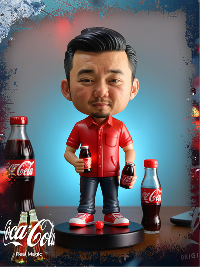
Coca-Cola's "Share a Coke" campaign became one of the most studied personalization stories in modern marketing, and the physical experience points mattered as much as the bottles themselves. Pop-up activations at malls, stadiums, and festivals let guests create a personalized bottle and capture a branded photo with the custom label. The photos moved across social feeds under the #ShareACoke hashtag and amplified the campaign for the cost of a few print runs. The lesson for experiential teams: when guests see their own name or image inside the brand, they share willingly.
HBO: Westworld at SXSW
HBO's Westworld activation at SXSW transformed a two-block area into the town of Sweetwater from the show. Attendees could interact with hundreds of actors, ride horses, drink in the saloon, and have their likeness captured as a "host" using themed photo moments. The activation generated massive earned media coverage and is still cited in experiential marketing case studies years later. The lesson: a narrative-driven photo experience, built inside the world of the brand, turns a single walkthrough into a content machine.
Samsung: Galaxy Unpacked
Samsung's Galaxy Unpacked events have used branded photo moments, AR filters, and interactive display walls to let attendees experience the devices before they launch. The photo activations are always tied directly to the product story. Guests get a piece of content that looks like it was shot with the new phone, which the brand then amplifies across social. The lesson: product-led activations work when the content format is proof of the product claim.
Marriott Bonvoy: "Power of Travel"
Marriott Bonvoy has used experiential photo activations at the US Open, Super Bowl, and F1 weekends to engage its loyalty members. Guests create branded content on-site, receive it immediately, and carry it into their own channels. Marriott uses these moments to drive loyalty signups and reinforce the Bonvoy identity in contexts where guests are already in a travel mindset. The lesson: experiential photo moments work hard when the brand shows up where the audience is already paying attention.
Adobe MAX
Adobe's annual creator conference MAX is the showcase for how AI has reshaped creative tools, and Adobe's own activations on the show floor let attendees use its latest generative features inside branded photo experiences. Attendees walk away with a piece of AI-generated content they made themselves, which turns the product demo into a shareable trophy. The lesson: when the activation is a proof-of-concept for the product, the guest becomes a believer and the content becomes marketing.
Salesforce Dreamforce
Dreamforce, the largest software conference in the world, is a case study in how many simultaneous experiential activations can run under one brand umbrella. Salesforce and its partners run dozens of photo and video activations across Moscone Center and the surrounding streets, each tied to a specific product, industry, or community. The lesson for B2B marketers: at scale, experiential photo booths are a way to give each audience segment its own on-brand moment without fragmenting the master brand.
How Snapbar Clients Are Running Experiential Photo Booths Today
Those six examples show what the category looks like at the absolute top of the market. The activations we run with our own clients cover the same playbook at practical scale. A handful of recent examples worth knowing about:
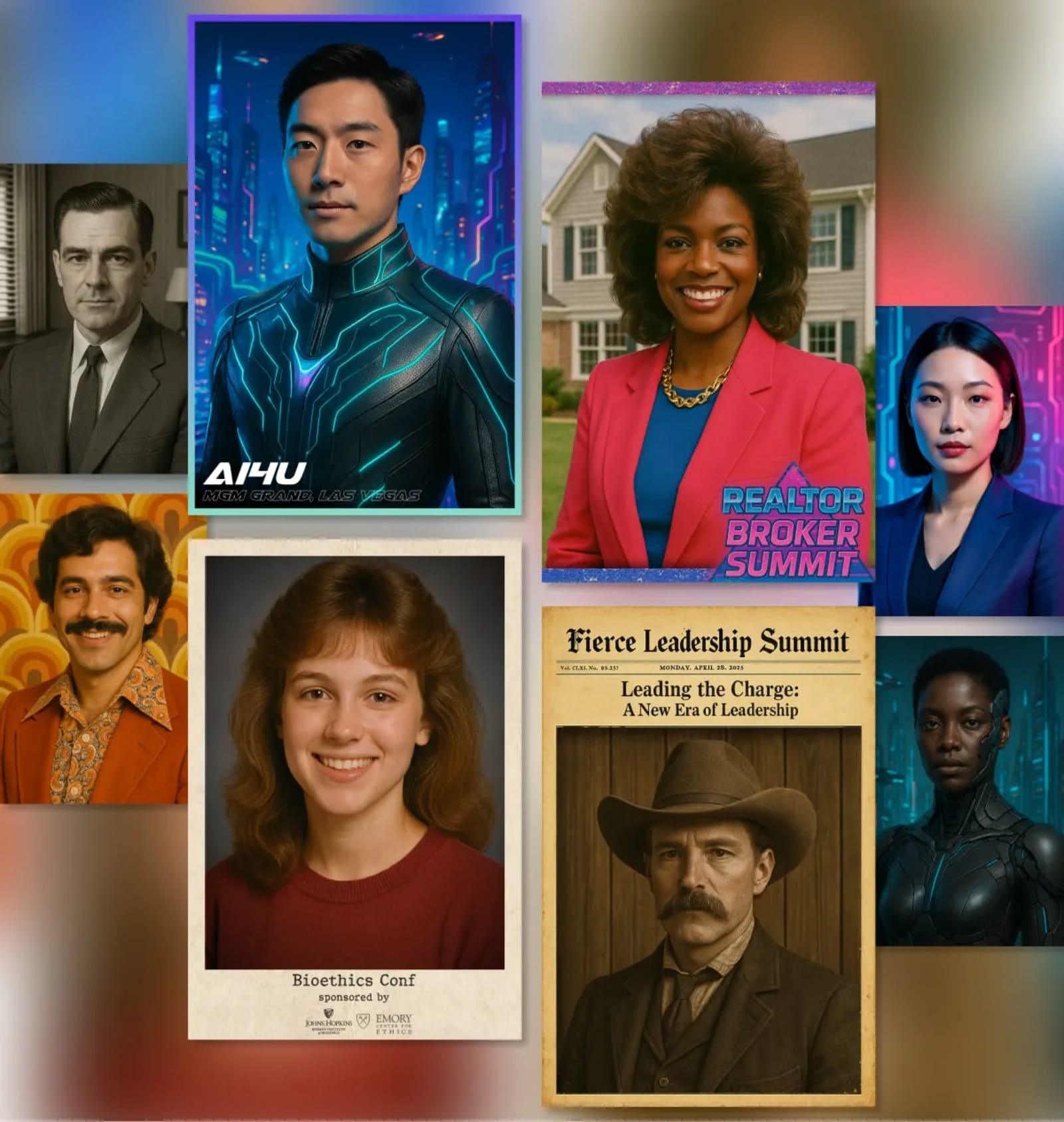
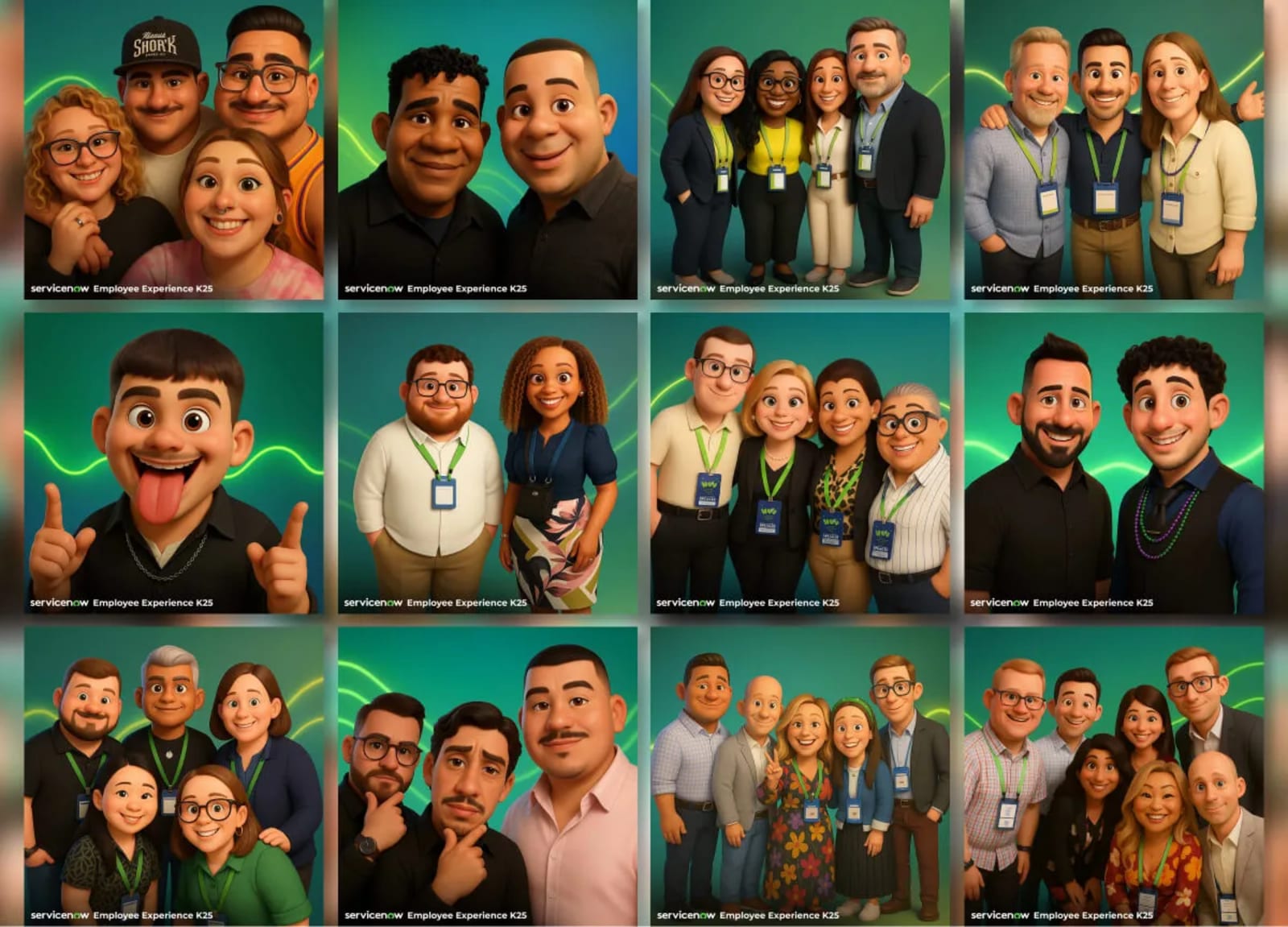
ServiceNow at K25. ServiceNow ran an AI avatar activation at its K25 flagship conference where attendees transformed themselves into stylized portraits matched to the event theme. The output became the single most-shared piece of attendee-generated content across social that week, and the lead data came off the activation structured and ready for the post-event nurture sequence.
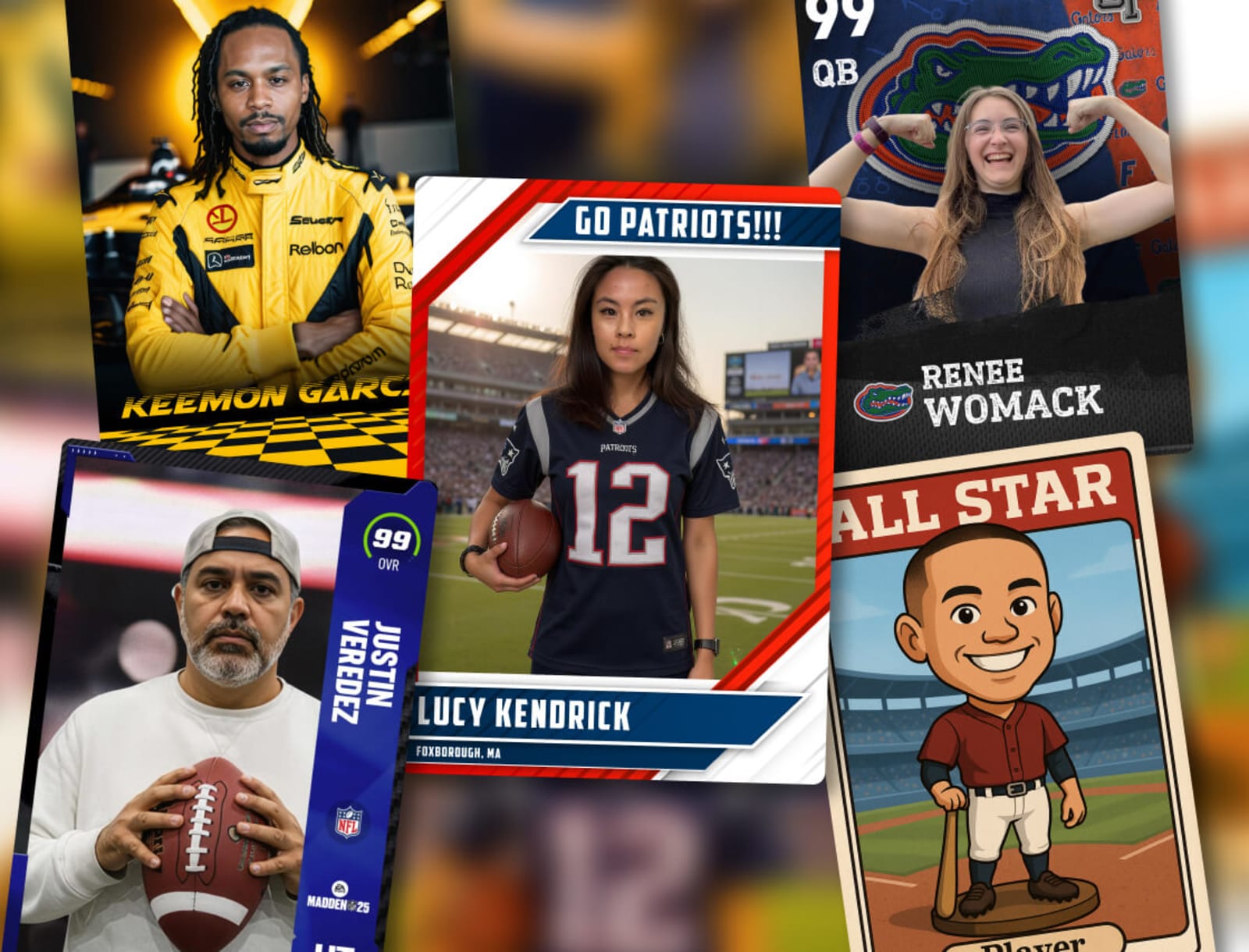
EA Sports / Madden. EA Sports has used experiential photo activations to put fans inside Madden game art at league events. The activation delivers a gaming-culture moment that fans actively want to post, which is the same content format the brand uses across its own channels. The activation pays for itself in earned distribution.
VCA at a major veterinary trade show. VCA built a pet-portrait activation at a large vet industry show. Attendees uploaded photos of their own pets and walked away with branded portraits. The capture rate sat at roughly eighty percent of total attendees. The executive team liked it enough that the same activation format was rolled out across the VCA network afterward as a recurring marketing channel.
Sitecore at conference. Sitecore used a branded AI photo activation to give attendees a reason to stop at the booth, trade contact info for a branded piece of content, and leave with something that kept the brand top of mind through follow-up. Same pattern, B2B SaaS context.
The through-line across all of these is the same: give the audience a content format they would create for free, stitch the brand into it, and capture the lead as the price of admission.
The Technology Behind an Experiential Photo Booth
Modern experiential photo booths are software first. The hardware has been commoditized. What separates platforms today is what the software does with the guest's image, how the content leaves the activation, and how the data is handled after the event.
Four capabilities matter most when you evaluate the technology.
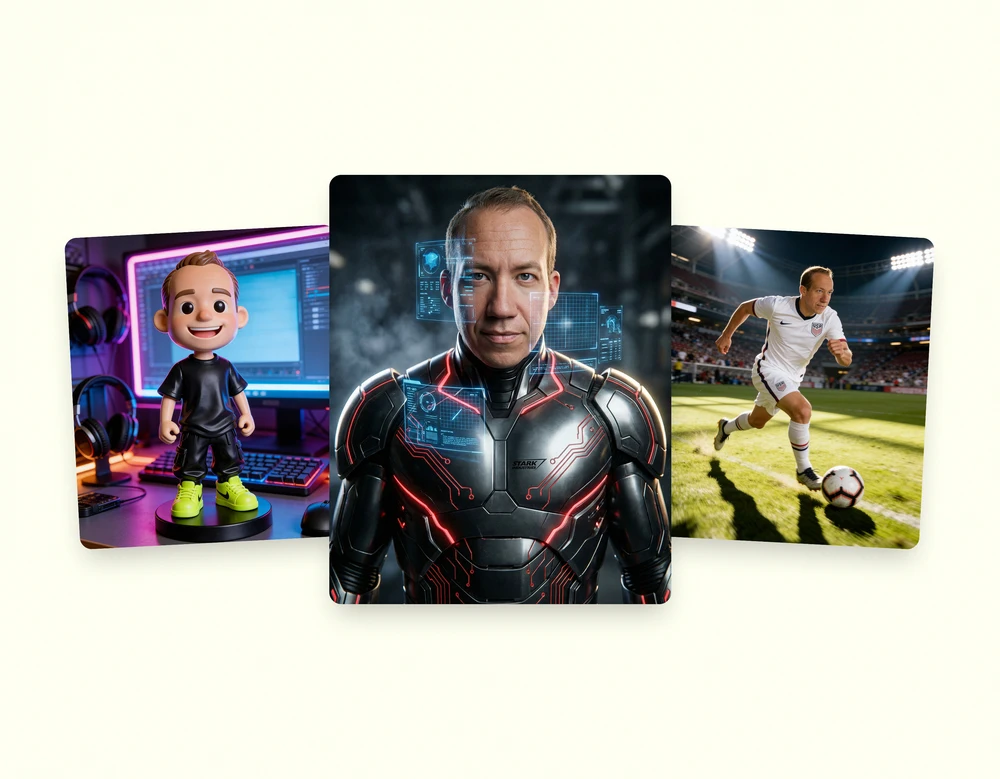
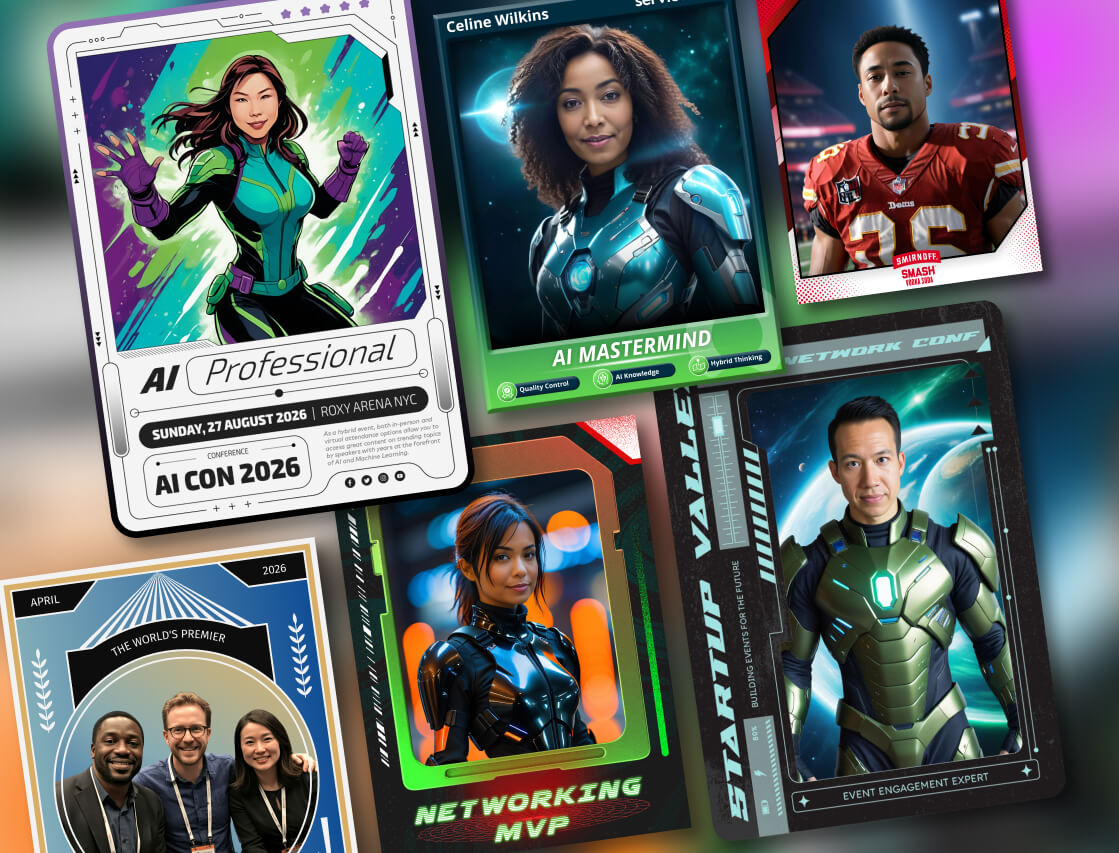
AI-powered personalization. AI transforms the guest photo into something the guest could not have made on their own. Branded portraits, character transformations, stylized animations, and themed environments are all versions of the same idea: the content is personal, the style is the brand's, and the output is inherently shareable. This is the biggest shift from 2020-era photo booths.
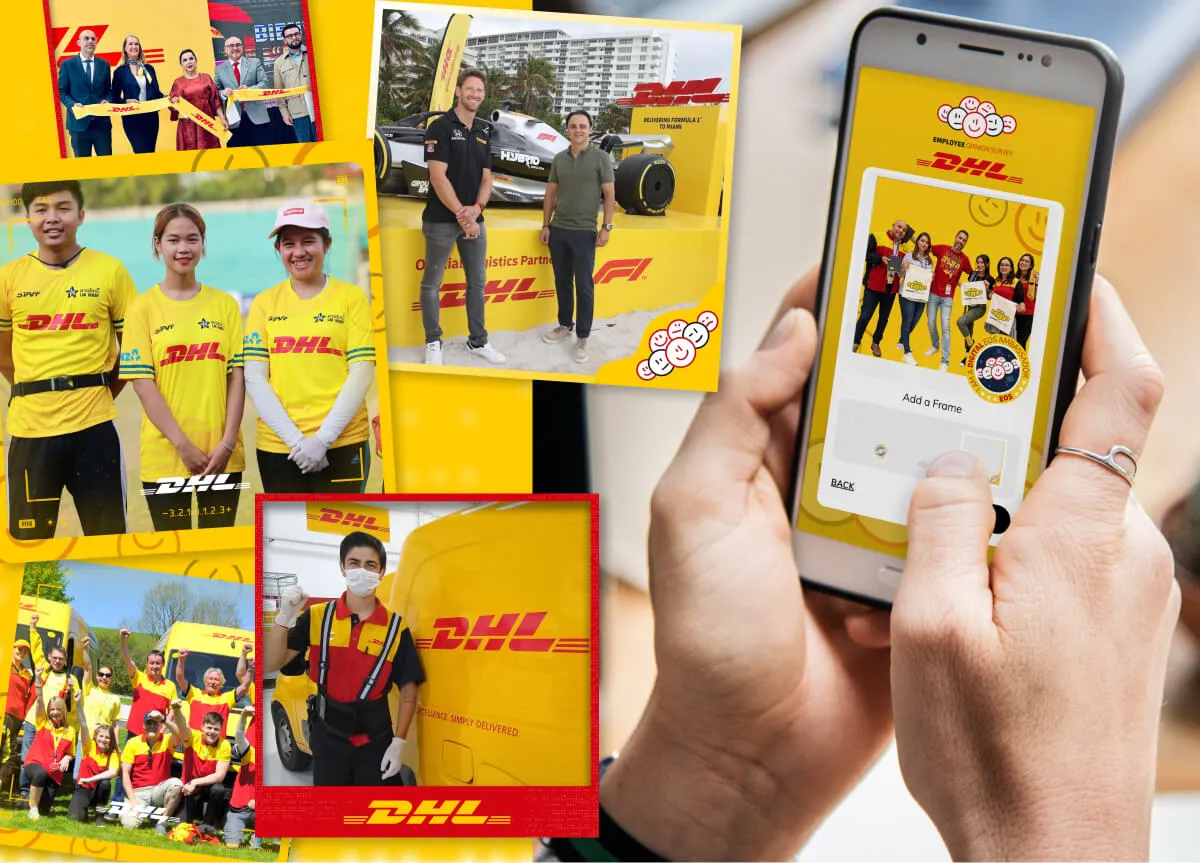
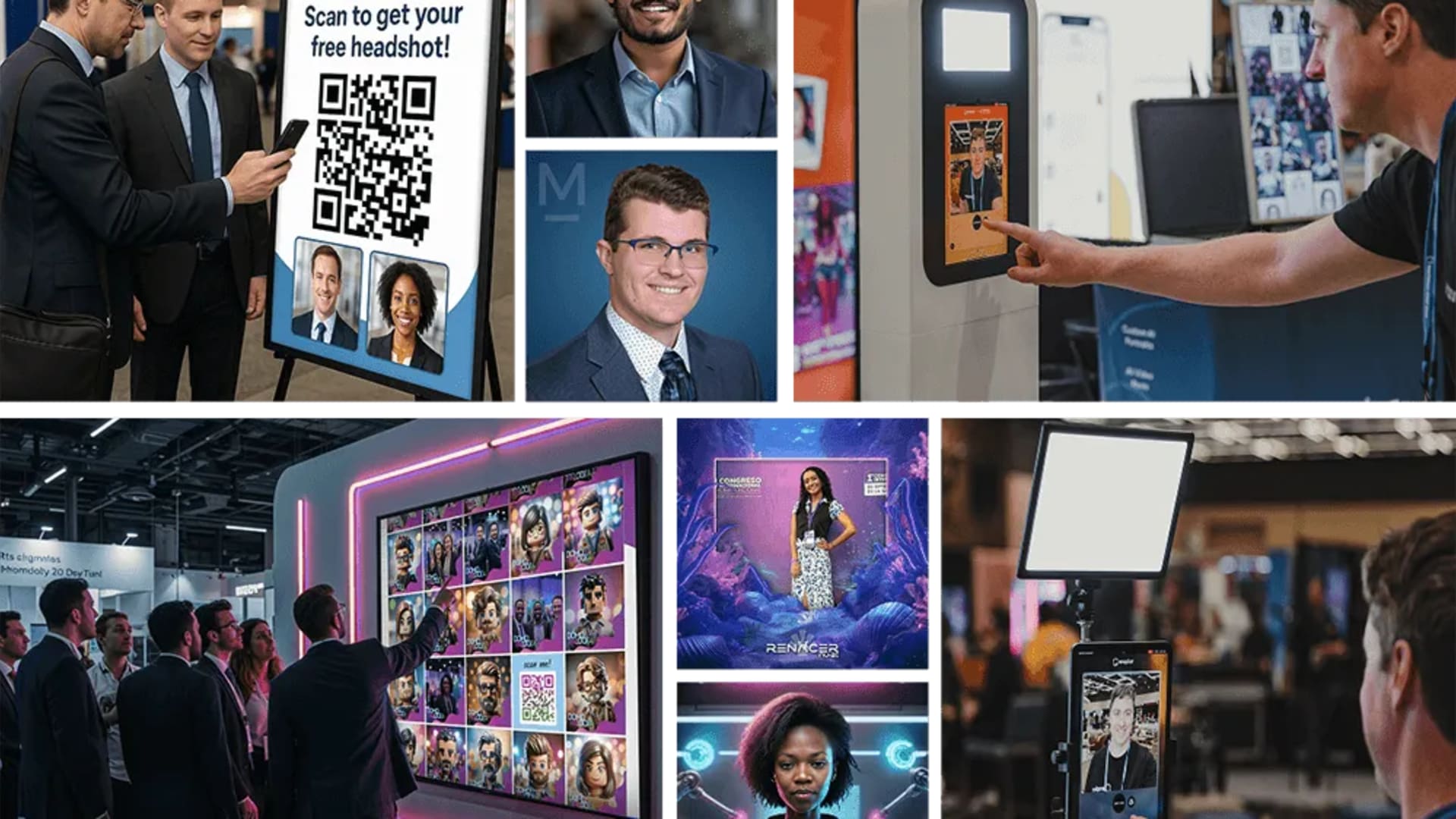
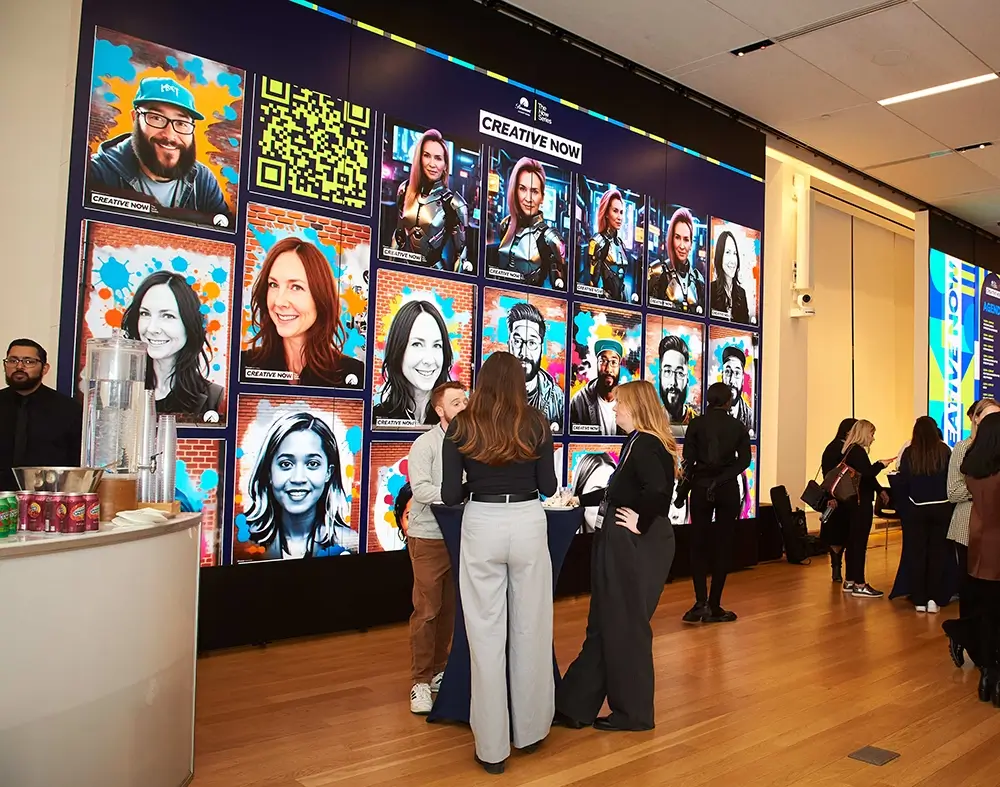
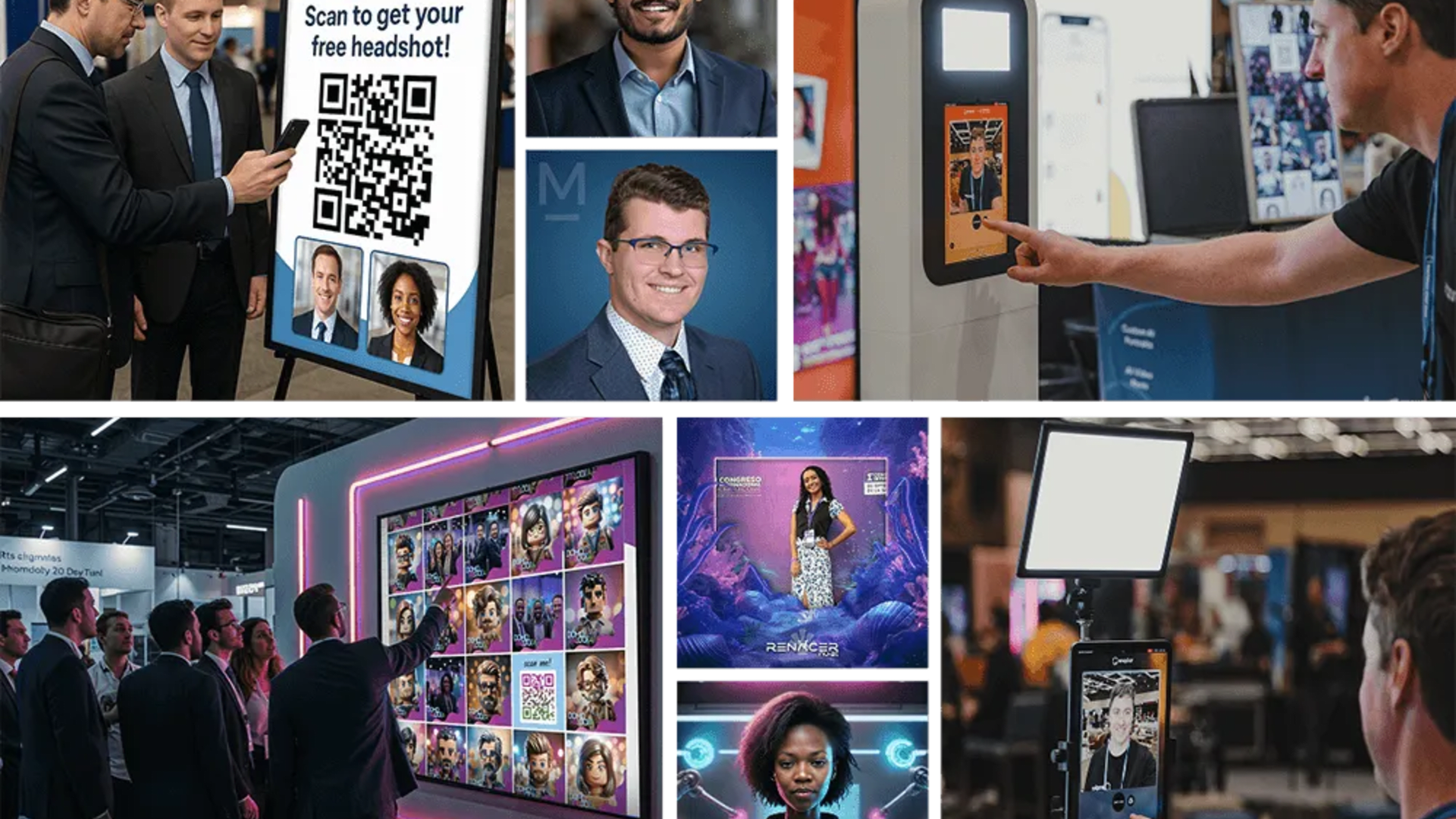
Web-based delivery. The best modern activations do not require an app. Guests scan a QR code, capture from their own device or a staffed station, and receive the finished content by email or direct download. No install screens, no iPad failures, no app store friction. Web-based delivery also means the same activation runs at an in-person event, a hybrid keynote, or a fully virtual launch without rebuilding the experience.
Taylor Prince, Design Director at Snapbar: "At its core, the experience is a website, which makes it very open-ended. We can build wild, custom experiences using modern web technology."
That architectural choice has a second consequence worth noting: because the experience runs in a browser, there is no practical ceiling on simultaneous users. Our platform has powered single-day activations with more than four thousand participants without adding hardware, and the same system runs a fifty-person internal event and a hundred-thousand-person consumer campaign without changing the technology underneath.
Branded customization depth. Experiential means the brand is inside the content, not pasted on the edge of a print. Modern platforms let you customize capture screens, email templates, social share cards, the AI model outputs themselves, and the entire participant flow. The test is whether a guest who has never heard of the vendor would believe the activation was built by your brand.
Lead data capture with clean export. Today, the practical workflow is a custom capture form collecting the fields you need, with a clean CSV export delivered to your team after the activation. That CSV goes into whatever CRM or marketing automation tool you already use. Real-time integrations with platforms like Salesforce or HubSpot are on the roadmap for many providers, but the truthful state of the category today is CSV export as the standard.
Taylor Prince, Design Director at Snapbar: "Successful activations usually pair the output with strong visual engagement: a pre-populated gallery people can immediately see, large displays, and a landing page with a clear, intuitive prompt. That clarity drives participation."
How Brands Measure ROI From a Photo Booth Activation
The clearest way to prove an experiential activation works is to measure four things: capture rate, share rate, email open rate, and pipeline contribution. Each one tells a different story about the activation's impact.
Capture rate is the percentage of event attendees who participated in the activation. A strong capture rate for a well-placed activation at a conference or trade show lands between fifteen and thirty percent of the total attendee base. The number depends heavily on placement, signage, staffing, and how well the creative concept matches the audience.
Share rate measures how many participants posted their content to a social channel, forwarded it, or opted to amplify it after the event. Strong activations see share rates north of forty percent. The creative design and the perceived shareability of the output format drive this number.
Email open rate on the branded email that delivers the content is one of the most underrated marketing signals any brand can access. Because guests actively expect and want the email, open rates on activation delivery emails can reach ninety-five percent. That is three to five times the open rate of any other marketing email the brand will send that quarter, which makes the follow-up message a high-value real estate for product, event, or loyalty CTAs.
Pipeline contribution is the hardest to measure and the most important to the CFO. It requires passing the activation's lead data into your CRM or marketing automation tool, tagging the source, and tracking what happens next. The modern playbook for event lead generation covers how to run that attribution cleanly across multiple events.
Reference benchmarks for experiential photo activations
- Capture rate: 15 to 30 percent of event attendees at a well-placed activation
- Share rate: 40 percent or higher for strong creative concepts
- Email open rate: up to 95 percent on delivery emails
- Lead quality: self-selected participants who traded contact info for branded content
How Lead Data Reaches Your Team
A common point of confusion is whether an experiential photo booth "integrates with your CRM." The honest answer for most activation providers today, including Snapbar, is that lead data is delivered as a clean CSV after each activation. Your team imports that file into whichever CRM or marketing automation tool you already run. It is not a real-time sync yet, but it gives your team full control over field mapping, list segmentation, and downstream nurture.
What matters more than the transport mechanism is the shape of the data you receive. A well-designed activation lets you decide which fields to collect up front, whether consent flags are captured, which custom attributes you need to segment on, and how the guest's content is referenced inside the lead record. Those choices, not the export format, determine whether the file you receive is a useful sales asset or a pile of email addresses.
What to Look For in an Experiential Photo Booth Provider
If you are evaluating providers, the real differentiators are easy to miss inside a sales pitch. Use these criteria as a checklist.
Web-based delivery with no app dependency. Ask what happens if the venue's Wi-Fi is unreliable or if the guest is on a device the vendor has not tested. Platforms that require an iPad or a native app are a risk in enterprise environments.
AI capabilities that are core, not bolted on. AI photo and video transformations have become table stakes, but the quality and customization depth vary wildly. Ask for output samples from a brand in your industry and look at how the brand signal is carried inside the AI-generated content itself.
Depth of brand customization. A strong vendor can rebuild capture screens, email templates, social share cards, and even the AI output style to match your brand. A weaker vendor pastes your logo on a stock template and calls it branded.
Managed services, not just software. For any event above a certain size, self-serve software alone is a liability. Ask about on-site staffing, event ops support, and how the vendor handles the unpredictable hour between doors open and peak traffic. The trade show booth engagement playbook covers the operational side in more depth.
A credible enterprise track record. Ask for activation examples from Fortune 500 or equivalent brands at scale. Real enterprise activations have unique operational constraints. A vendor that has only run small events will discover those constraints for the first time at your event, which is not a place you want to be the training ground.
A clean lead data export. Until real-time integrations are standard across the category, ask for a sample CSV export. Look at the field structure, the metadata, and how the guest content is referenced. That file tells you what the vendor actually thinks about marketing use cases.
How Snapbar Thinks About Experiential Photo Booths
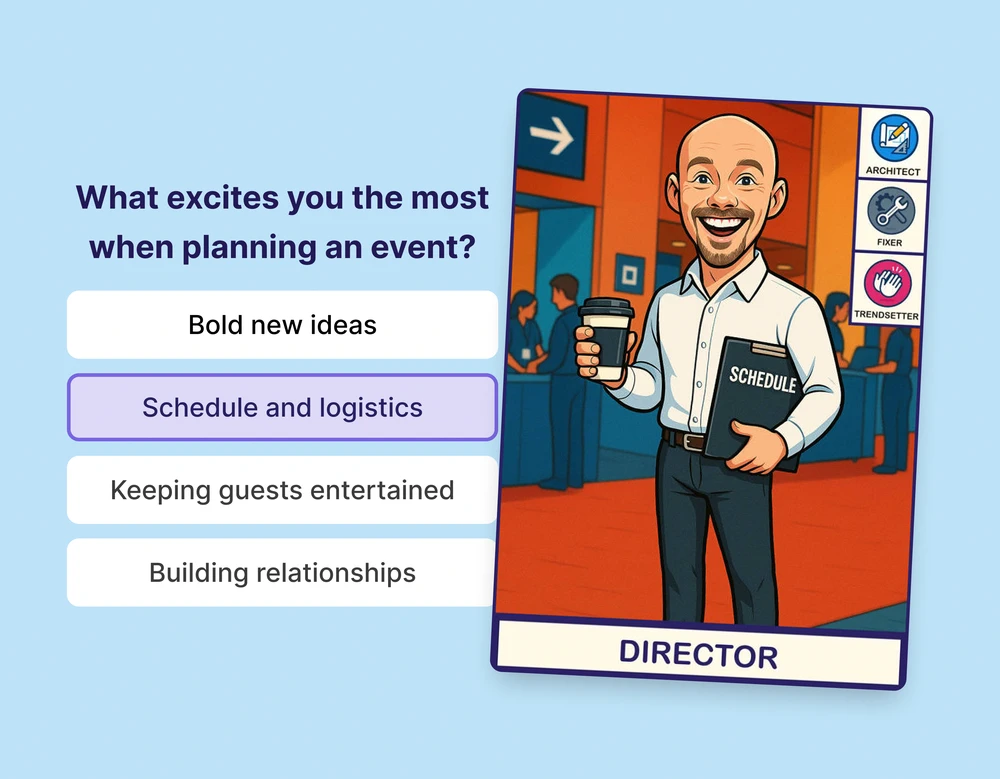
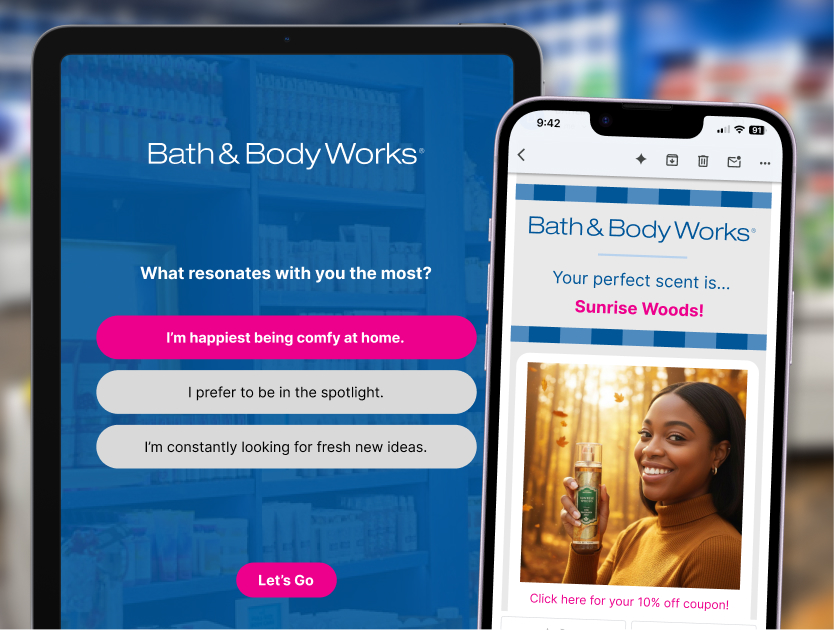
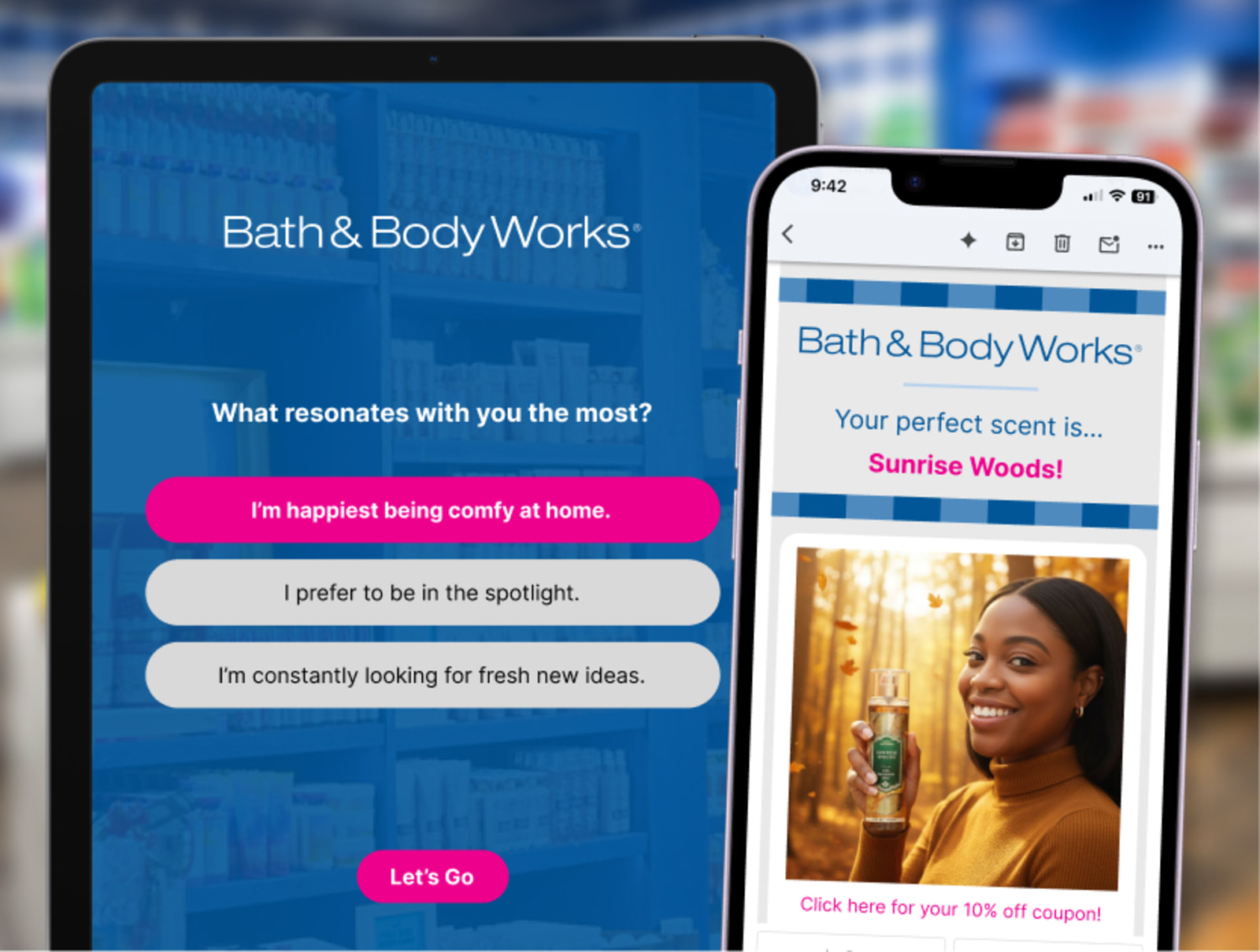
Snapbar is an experiential marketing platform, not a photo booth company. That distinction matters because it changes how we build, who we serve, and what we put in our clients' hands. Our goal is to democratize the kind of creative photo and video activations that used to be locked behind six-figure agency budgets and give that capability directly to the event pros and marketers doing the work. Every format we ship, from the AI Photo Booth and AI Video Booth to AI Stories, Trading Cards, and Persona Quiz, is built around the same idea: every minute a guest spends with your brand should produce branded content they want to share and lead data your team can actually use. Across fourteen years and more than ten thousand brand activations, that lens is what has stayed constant even as the underlying tech has moved from rented booths to web-based AI platforms. You can see recent client activations across sports, entertainment, tourism, B2B tech, and healthcare, and explore the concept library at activation concepts to see which formats fit specific goals.
The thread across every format is the same. Give guests a reason to engage that feels like a reward, not a transaction. Carry the brand all the way through the content they take home. Deliver the lead data to your team in a format they can actually use. When those three things happen together, the activation stops being a photo booth at all. It becomes what I think is the single most productive minute a brand gets with a guest at an event, and the thing that should make the team running the event feel powerful about the work they are doing.
Key Takeaways
An experiential photo booth is a brand activation built around three pillars: branded content creation, contextual data capture, and distribution beyond the event. It is not the same category as a traditional rental booth, and it is not measured the same way.
The technology matters, but the differentiators that actually separate platforms are web-based delivery, depth of AI-powered personalization, brand customization that reaches into the output itself, and a lead data workflow that gives your team what it needs. For most providers today, that workflow is a clean CSV export, not a real-time CRM sync.
Measure the activation with capture rate, share rate, email open rate, and pipeline contribution. The email open rate alone, which can reach ninety-five percent on activation delivery, makes the follow-up email some of the most valuable real estate a brand owns.
If you are evaluating a provider, look for web-based delivery, AI depth, brand customization that carries all the way through, managed services for anything above a small event, an enterprise track record, and a clean data export you can audit in advance.
Zooming out, experiential marketing is going to matter more, not less, over the next decade. As more of the world becomes digital, AI-generated, and harder to trust, the value of showing up in person goes up, not down. Meeting people face to face goes up, not down. Leaving an event with a piece of content you actually want to share goes up, not down. Experiential photo booths, built the way this guide describes, are one of the most efficient tools a marketing team has to show up in those moments with a brand their audience will remember.