

Table of Contents
AI video crossed the line from novelty to default in 2026. About 78% of marketing teams now use AI-generated video in at least one campaign per quarter, and AI video ad spend is on track to hit roughly $9.1 billion globally by year-end. The category isn't an experiment anymore. It's a working part of the marketing stack.
What's harder to find is a clear-eyed read on which use cases actually pay off, where the tooling still trips, and how AI video shows up at live events versus on a campaign brief. We've been building AI photo and video activations for over a decade, and the version of "AI video in marketing" that lives in our world (guests at events, brand activations, marketing fuel that walks out the door on a phone) looks different than the version that lives in a HeyGen demo. Both versions matter. They solve different problems.
Key takeaways
What is AI video, and why does it matter in 2026?
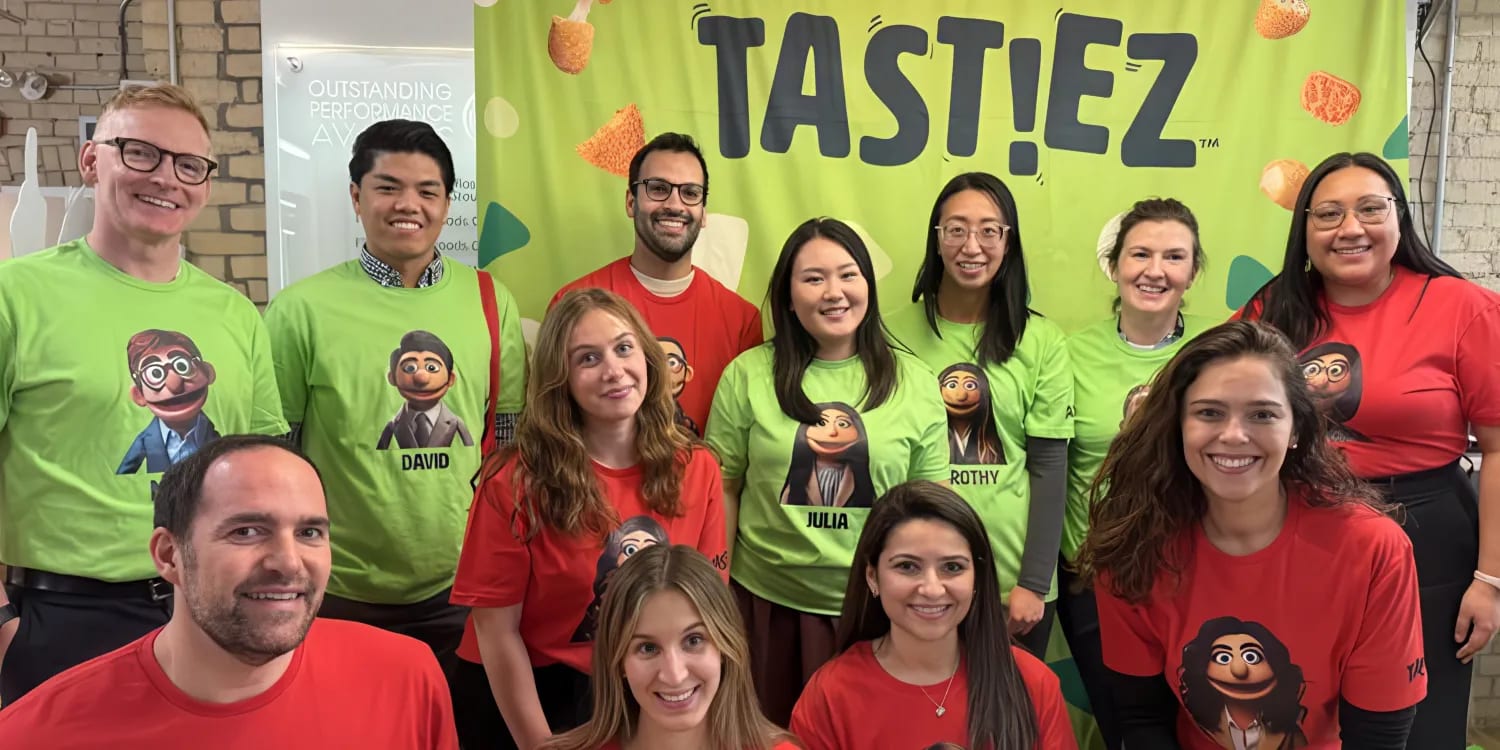
AI video is video content where a meaningful share of the production (the script, the visuals, the motion, the voice, or the personalization layer) is generated or assembled by AI rather than filmed conventionally. That covers a lot of ground. It includes a synthetic avatar reading a sales script, a 4-second clip generated from a single guest portrait at a brand activation, a personalized product demo emailed to a named prospect, and a programmatic ad that swaps in a localized version per audience segment.
The reason it matters now is unit economics. The global AI video generation market is projected to reach $18.6 billion by the end of 2026, up from $5.1 billion in 2023, growing at a 34% compound annual rate. That growth is being pulled by two forces: production cost dropping fast, and platforms rewarding video content (especially short-form) with disproportionate reach. When you can iterate on five video variations in the time it used to take to shoot one, the testing math changes. Marketing teams that adopted AI video early are sitting on more reps than the ones that didn't.
How is AI video being used in marketing today?
The honest answer is "everywhere, at varying levels of polish." Some of the use cases are mature and quietly dominant. Others are still in the showcase phase where one bold campaign goes viral and everyone debates whether it counts.
The mature, working use cases:
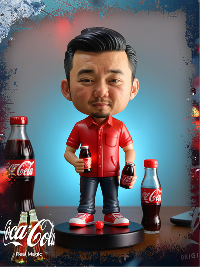
The showcase examples that stuck in 2025 and 2026 give a feel for the range. Kalshi produced an AI commercial that ran during the NBA Finals on a $2,000 budget and a two-day production timeline. Coca-Cola's "Create Real Magic" platform turned consumer-submitted AI artwork into billboard video content. Synthego shipped a CRISPR Day promotional animation in five days using AI-assisted asset generation. The common thread isn't the technology. It's the willingness to compress timelines that used to take weeks.
The highest-impact AI video use cases for marketers in 2026
Pick your battles. Not every team needs every use case. These four are where most of the measurable wins land.
Personalized social and short-form content
Short-form is where AI video pays for itself first. A team that ships 30 short pieces a week instead of three has more shots on goal, more learnings, and a healthier feedback loop with the algorithm. The catch: short-form rewards specificity and a real point of view. AI doesn't fix flat ideas; it just lets you push more of them through the pipeline. Use AI video to scale the tests, not to skip the strategy.
AI-generated ad creative
The cost shift here is the headline. Median production has moved from $4,200 to $2,500 per finished minute, and that's the average across all AI assistance. Teams running fully synthetic creative (avatar, script, voice, b-roll) often run cheaper still. The trade-off is brand control. Synthetic creative tends to look "almost right," and the gap between almost-right and on-brand is where mid-funnel performance leaks. Build a review pass into the workflow so brand and legal touch every variant before paid spend goes behind it.
Video personalization in email
Insert a video block where the first frame is rendered with the recipient's name on a sign, their company logo on a hoodie, or their team in a personalized sales-outreach scene. Click-through rates on personalized video email blocks consistently outperform static thumbnails. The lift compounds when the video itself includes a personalized hook in the first three seconds. The implementation gotcha is data hygiene. Bad CRM data renders bad first frames.
Live event activations
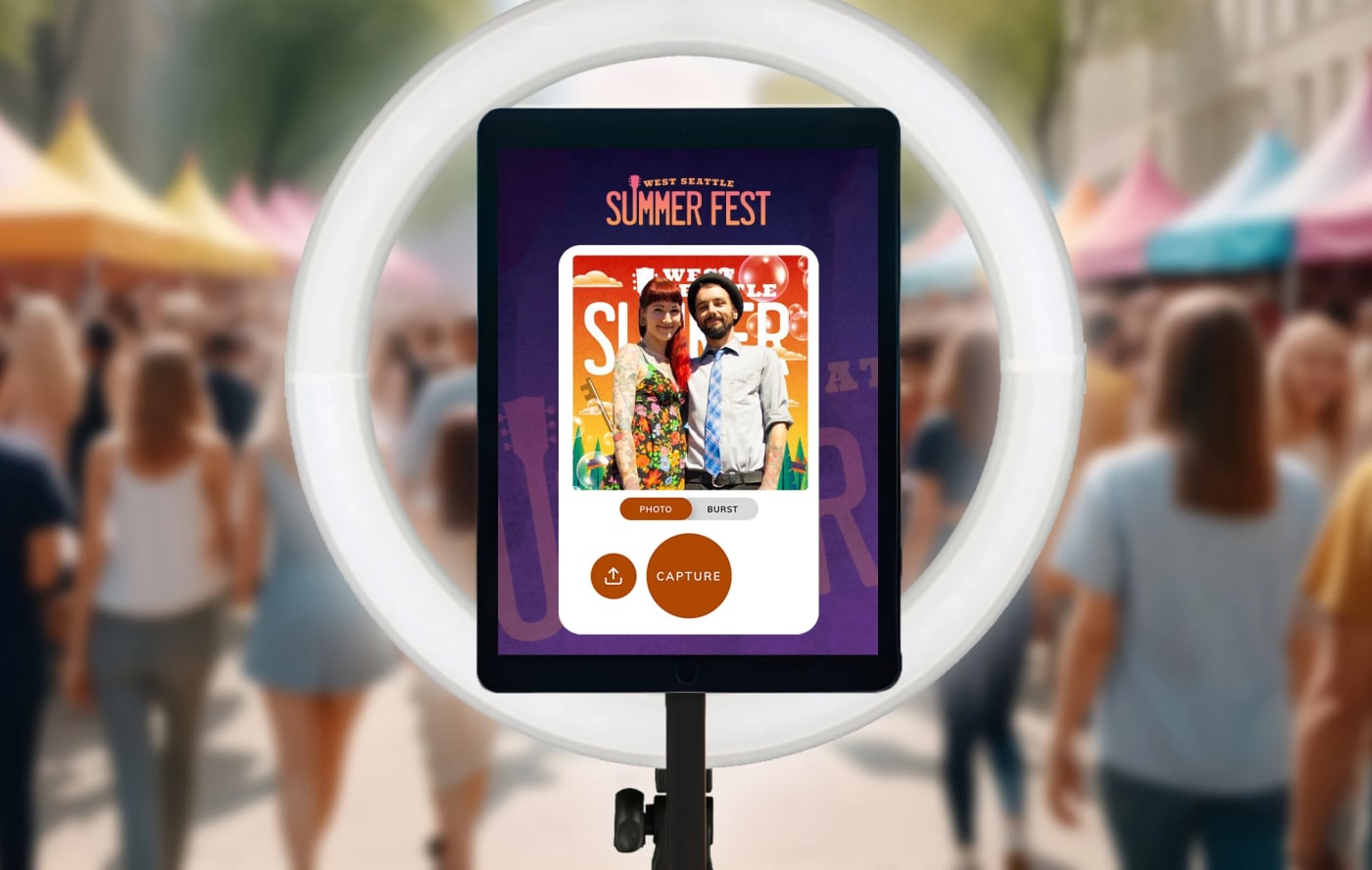
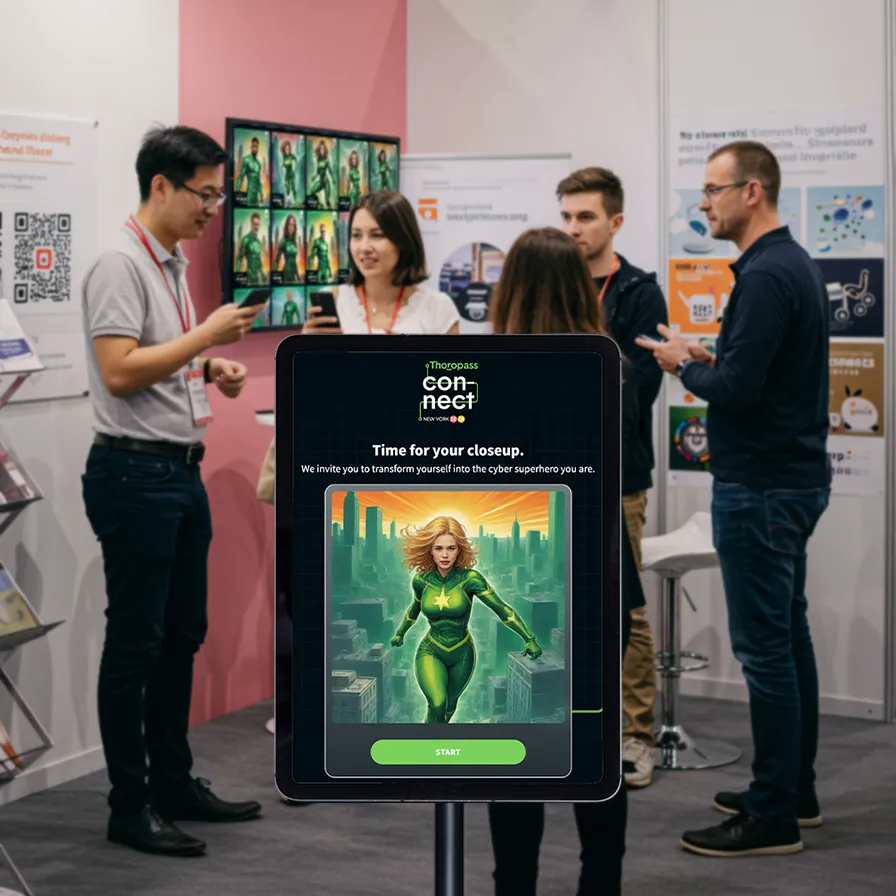
This is the lane we live in. At a trade show or brand event, the guest is the star of the video, not the brand. They scan a QR code or step up to a kiosk, capture a selfie, and AI generates a short branded video clip with their image as the input. The clip lands in their inbox four seconds later, ready to share. The brand gets lead capture and a piece of organic social content. The guest gets something they actually want to post. We've seen this pattern hit a 95% email open rate, well above the typical post-event email range. The reason is the value exchange: leads in, content the guest genuinely wants out.
AI video tools vs AI video activations: what's the difference?
This is the cleanest mental model for figuring out where to invest. AI video tools and AI video activations aren't competing. They're solving for different parts of the funnel.
AI video tools (Synthesia, HeyGen, Runway, Veed, Idomoo, and the long tail) are software you, the marketer, use to produce video output. The marketer is the operator. The use case is asynchronous content production: ads, training videos, sales outreach, social posts, explainers. The success metric is volume, speed, and cost per asset.
AI video activations are guest-facing experiences where the audience is the operator and the content is co-created in real time. The marketer designs the activation. The guest captures the moment. The AI generates the video. The use case is at events, in-person or hybrid, where the brand wants engagement, lead capture, and shareable content from the audience itself. The success metric is participation rate, lead quality, and the social reach of the content guests post afterward.
Most marketing teams need both. The AI video tool layer gives you a steady drumbeat of campaign creative. The AI video activation layer gives you a peak moment at events that compounds into earned reach. They feed each other. Activation footage becomes ad creative. Ad creative drives traffic to the next event.
How brands use AI video at events with Snapbar
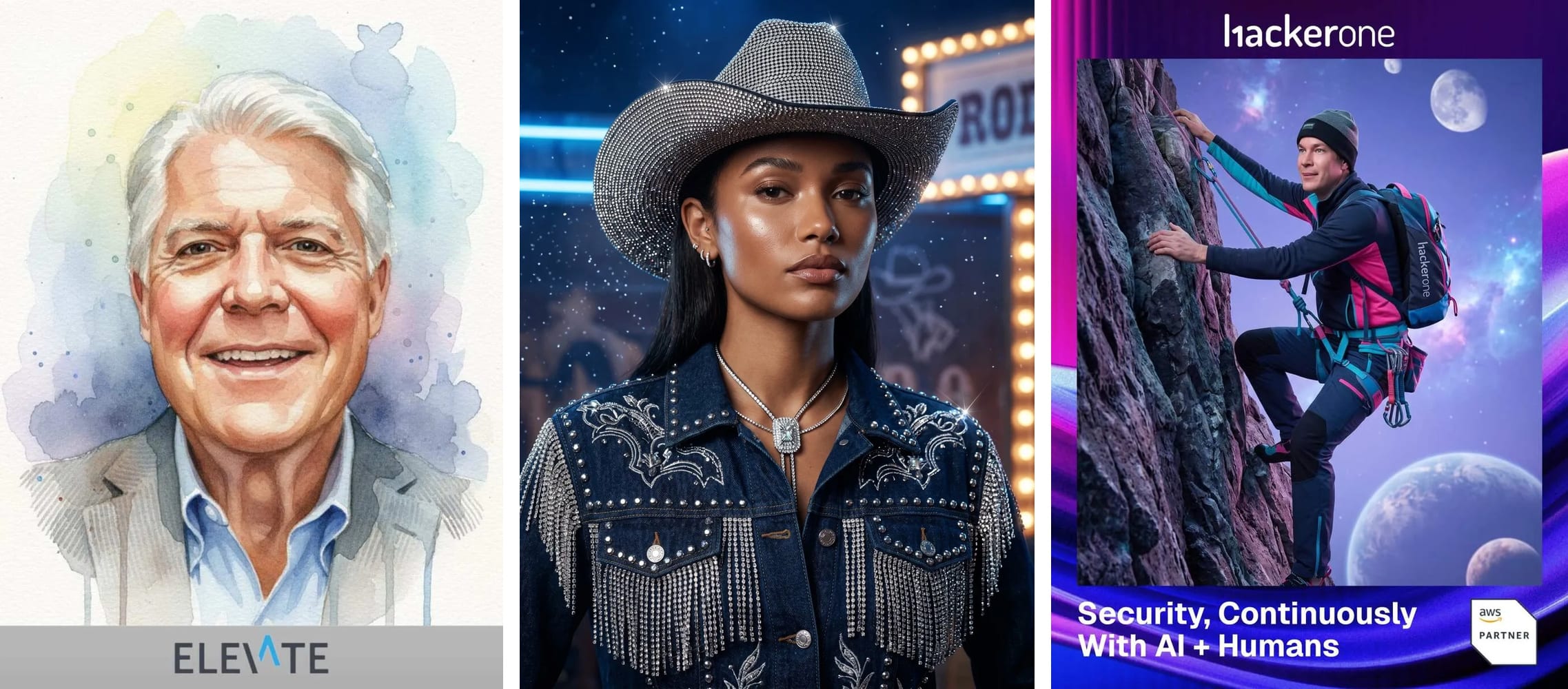
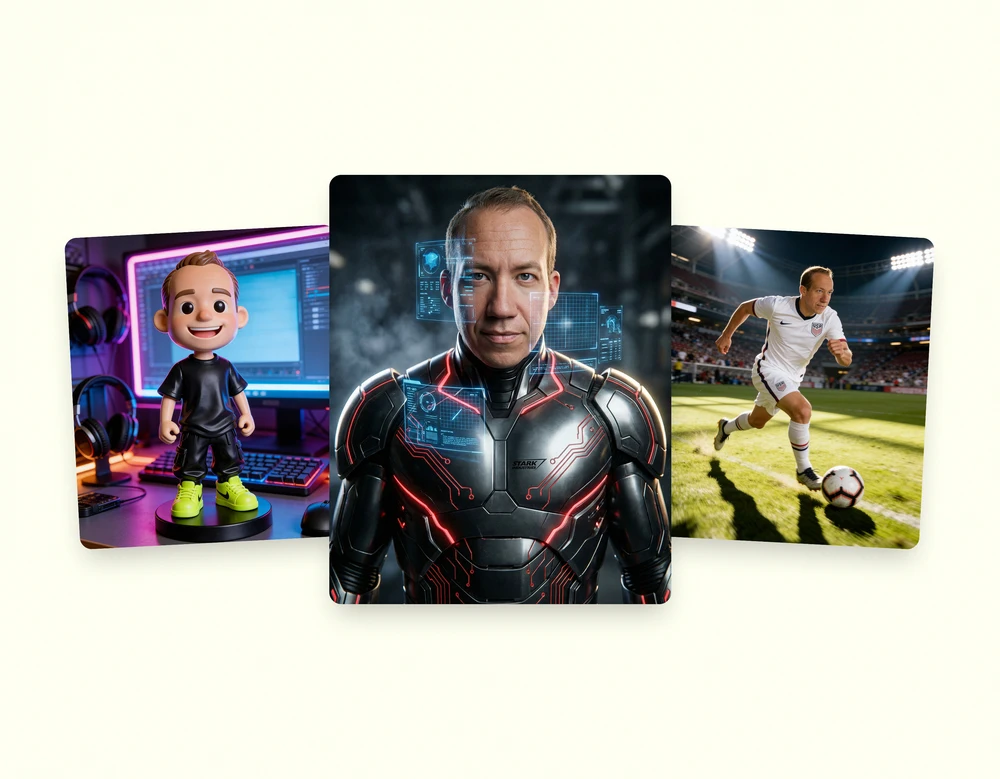
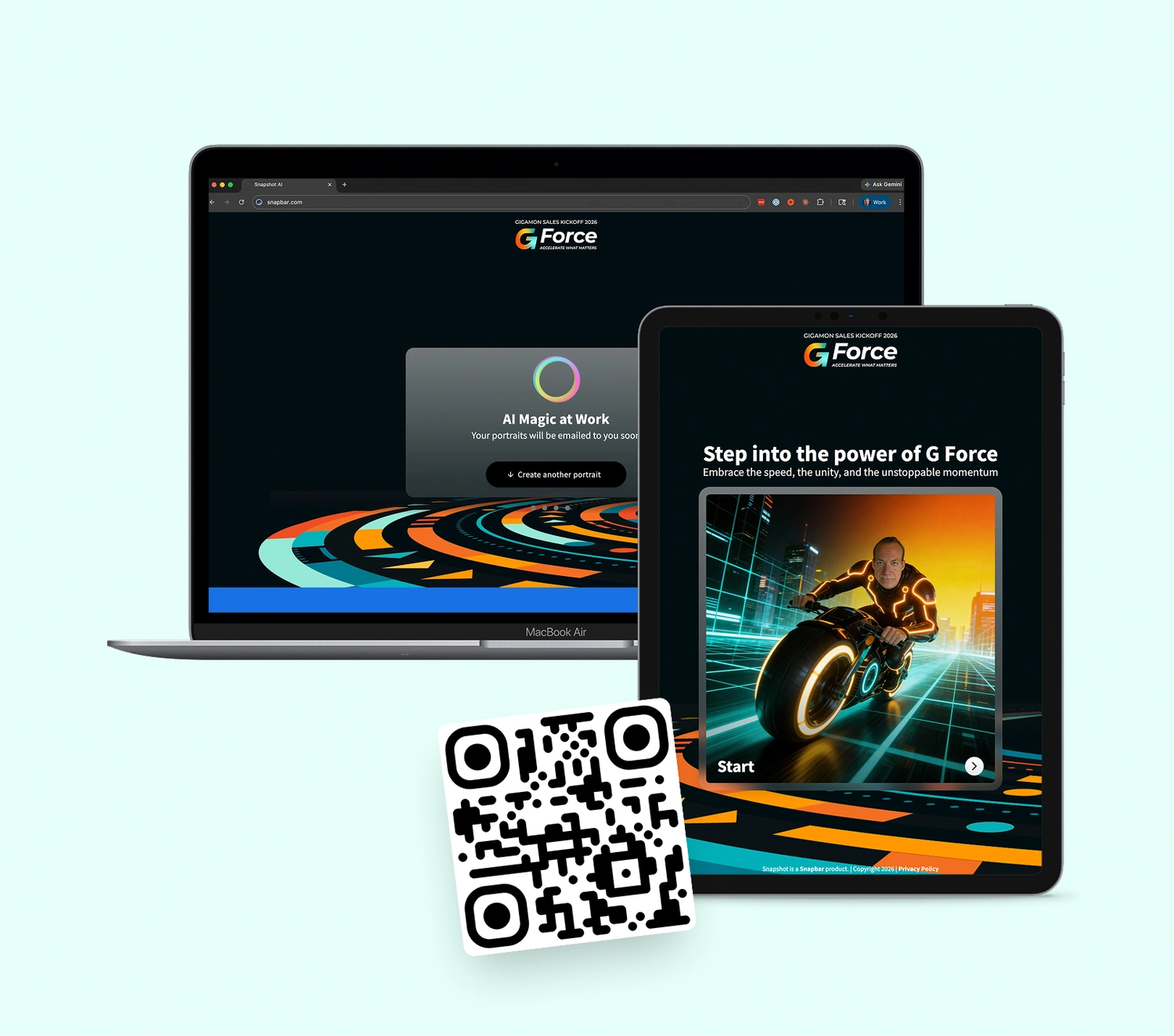
Our AI Video Booth is built around a single mechanic we sometimes call "photo in, video out." A guest captures or uploads a photo, the platform generates an AI portrait, and that portrait runs through an AI video model (currently Kling v3, as of April 2026) to produce a 4-second video clip the guest can post anywhere. We deliberately don't deliver the still photo. The output is the video, and skipping the still makes the experience feel more magical.
The use cases that have worked best so far:
The activation can also bolt onto a Digital Photo Booth flow, where the input is a real photo (not an AI portrait) and the output is the video. That's useful when authenticity of the guest's actual image is the point and the AI lift is in the motion treatment, not the visual transformation. We see this with sports fan moments and customer highlight reels. For some context on what's possible at the engagement layer, our piece on how an AI video generator works walks through the mechanics, how image-to-video works, and the limitations to plan around.
What we've learned across thousands of activations
The brands that get the most out of AI video at events aren't the ones with the biggest budgets or the most polished creative direction. They're the ones who treat the guest as the protagonist and the brand as the frame around them. When the video looks like it belongs in the guest's social feed (their face, their moment, lightly branded), it gets posted. When it looks like a brand ad with the guest's face dropped in, it doesn't. The math on earned reach turns on that distinction.
What should marketers consider before adopting AI video?
Honest version. AI video is real, working, and worth investing in. It also has gotchas worth naming so the budget allocation lands cleanly.
The teams getting the most mileage right now are the ones who treat AI video as a creative medium with its own grammar, not as a cheaper shortcut to traditional video. Lean into the variability. Use the speed to test more, not to ship the same thing faster.
Ready to activate your next event?
Or explore: AI Video Booth | Activation Concepts