

Table of Contents
Event gamification has become one of the most talked-about strategies in the events industry, and for good reason. When done well, it transforms passive attendees into active participants, creates natural opportunities to collect data, and gives people something worth remembering (and sharing) long after the event ends.
But here's the thing: most conversations about gamification stop at surface-level tactics like leaderboards and badge collections. That approach worked in 2018. In 2026, attendees expect more. They want experiences that feel personalized, social, and genuinely fun, not a glorified checklist. The brands seeing real results from event gamification are the ones treating it as a design strategy, not a feature bolted onto an existing booth.
Whether you're planning a trade show activation, a corporate conference, or an internal team event, this guide breaks down what gamification actually looks like when it works, and how to measure whether it's doing its job.
Key Takeaways
- Modern gamification goes beyond points and leaderboards: personalization loops, social mechanics, and creative co-creation drive deeper engagement.
- Well-designed activations hit 60-80% participation rates compared to 10-20% for passive booth setups.
- Trade show activations like AI photo booths and trading cards turn lead capture into a natural value exchange.
- Digital activations scale to thousands of simultaneous participants without added staff or hardware.
- Measure participation rate, opt-in quality, social amplification, and post-event pipeline conversion to prove ROI.
What Is Event Gamification (and Why Does It Go Beyond Points and Badges)?
At its core, event gamification applies game mechanics to non-game contexts to encourage specific behaviors. At events, those behaviors are usually engagement, participation, data sharing, and social amplification. The mechanics themselves (challenges, rewards, competition, progression, personalization) are borrowed from game design, but the goal is always tied to a business outcome.
The mistake most event teams make is treating gamification as synonymous with points systems. Points and leaderboards are one tool in the kit. But the most effective event gamification strategies use a broader set of mechanics:
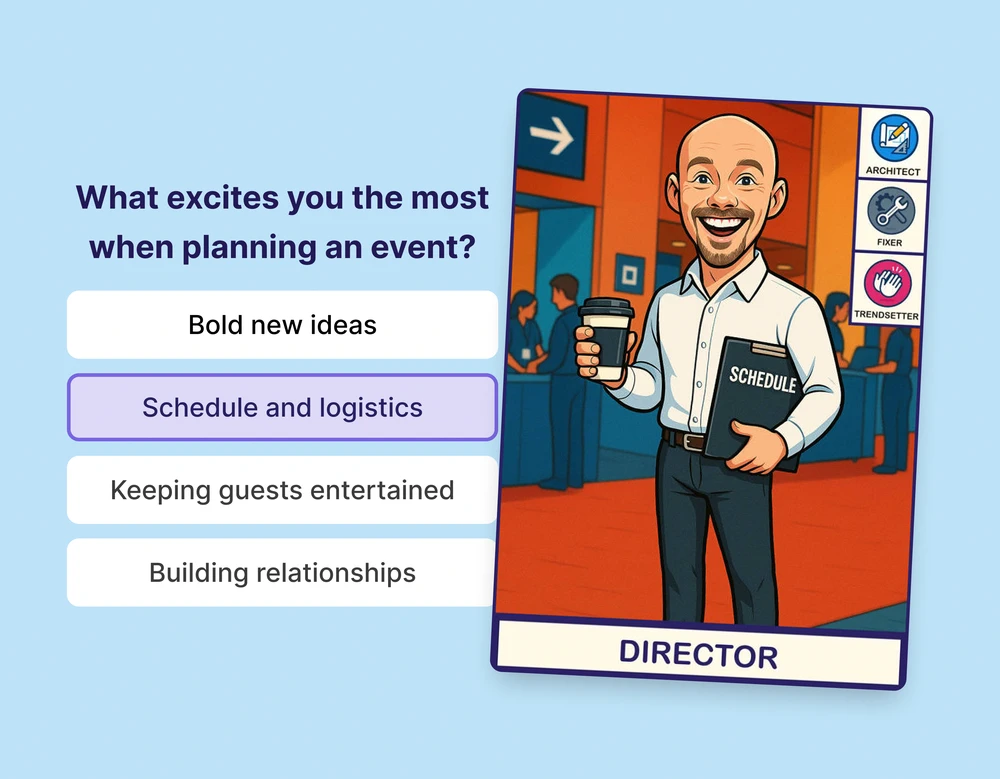
- Personalization loops: Attendees make choices that shape their experience (think personality quizzes, style selectors, or "choose your adventure" prompts)
- Social mechanics: Collectible content, shareable outputs, trading systems that encourage attendee-to-attendee interaction
- Progress and discovery: Multi-touchpoint journeys across a venue, revealing content or rewards at each stop
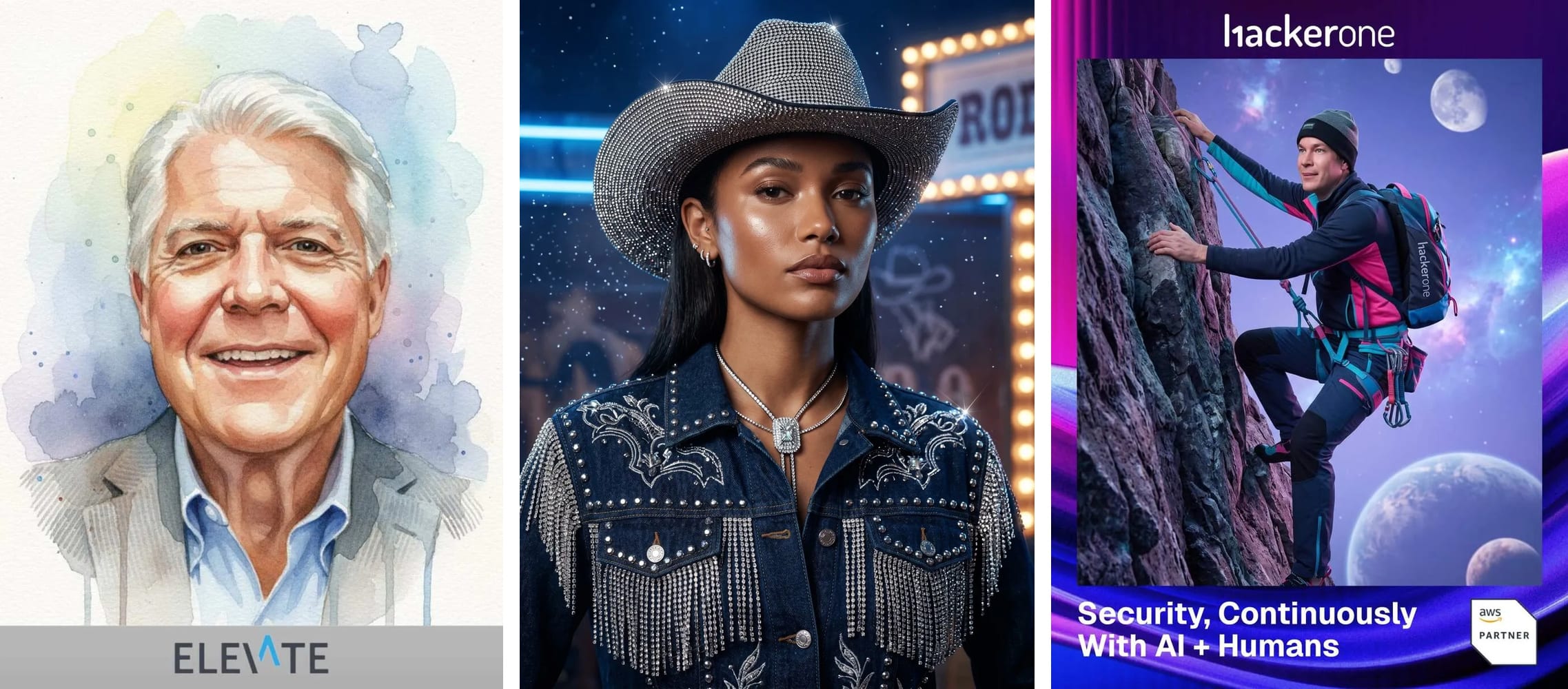
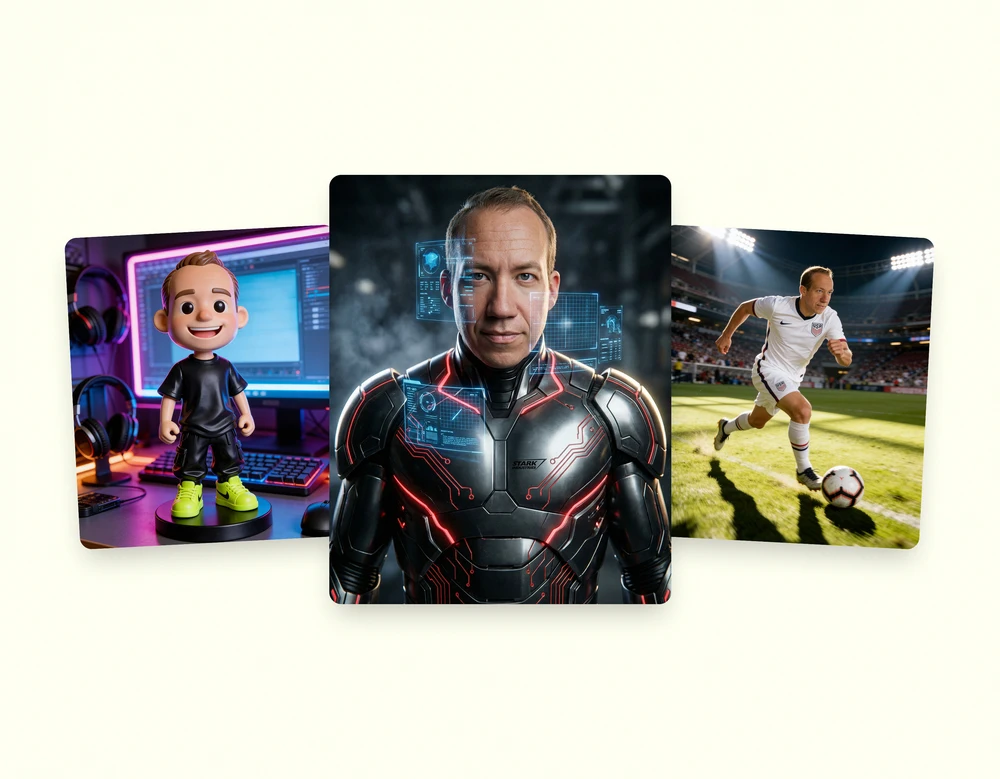
- Creative co-creation: Giving attendees a role in producing something unique, like AI-generated portraits, personalized trading cards, or custom video content
The shift is from "do this to earn points" to "do this because the experience itself is rewarding." That's the difference between gamification that feels like homework and gamification that people actively seek out.
Insight: The most effective gamification doesn't feel like a game at all. When attendees are willingly sharing data, creating content, and engaging with your brand because the experience is genuinely enjoyable, you've nailed the design. That's what separates a gimmick from a strategy.
Why Does Gamification Work for Event Engagement?
Gamification works because it taps into psychology that's deeply wired into how people make decisions and stay motivated. Three principles do most of the heavy lifting.
Intrinsic Motivation
People engage more when they feel autonomy (they chose to participate), competence (they're good at it), and relatedness (they're connected to others). A well-designed persona quiz hits all three: the attendee chooses to take it, gets a personalized result that feels accurate, and can compare outcomes with peers.
The Endowment Effect
When someone creates or earns something, they value it more than something handed to them. This is why personalized digital content (AI portraits, custom trading cards, quiz results) outperforms generic swag as a takeaway. Attendees who co-create their output are far more likely to share it, keep it, and remember the brand behind it.
Variable Reward Patterns
Unpredictable outcomes keep people coming back. If every interaction produces the same result, novelty fades quickly. But when each AI-generated image is unique, or each quiz result reveals something different, attendees stay curious. This is the same psychology that makes social media feeds addictive, applied constructively to event engagement.
For a deeper look at these principles applied across event formats, check out our guide to audience engagement strategies.
What Are the Best Gamification Strategies for Trade Shows?
Trade shows present a specific challenge: hundreds of exhibitors competing for the same pool of attendees, most of whom are experiencing decision fatigue by mid-morning. Gamification at trade shows needs to cut through noise and create a reason for attendees to stop, engage, and share their information willingly.
Interactive Photo Activations
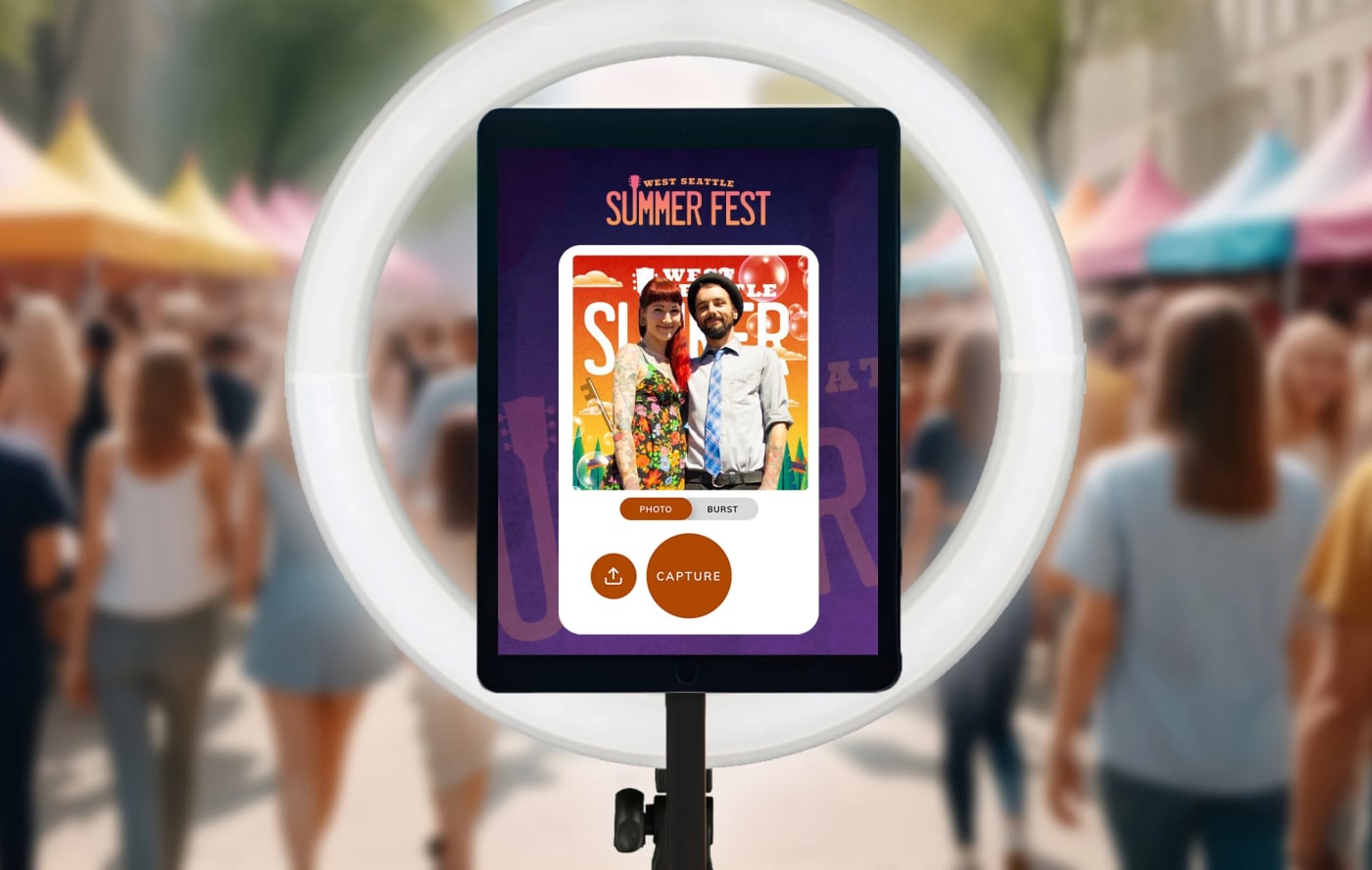
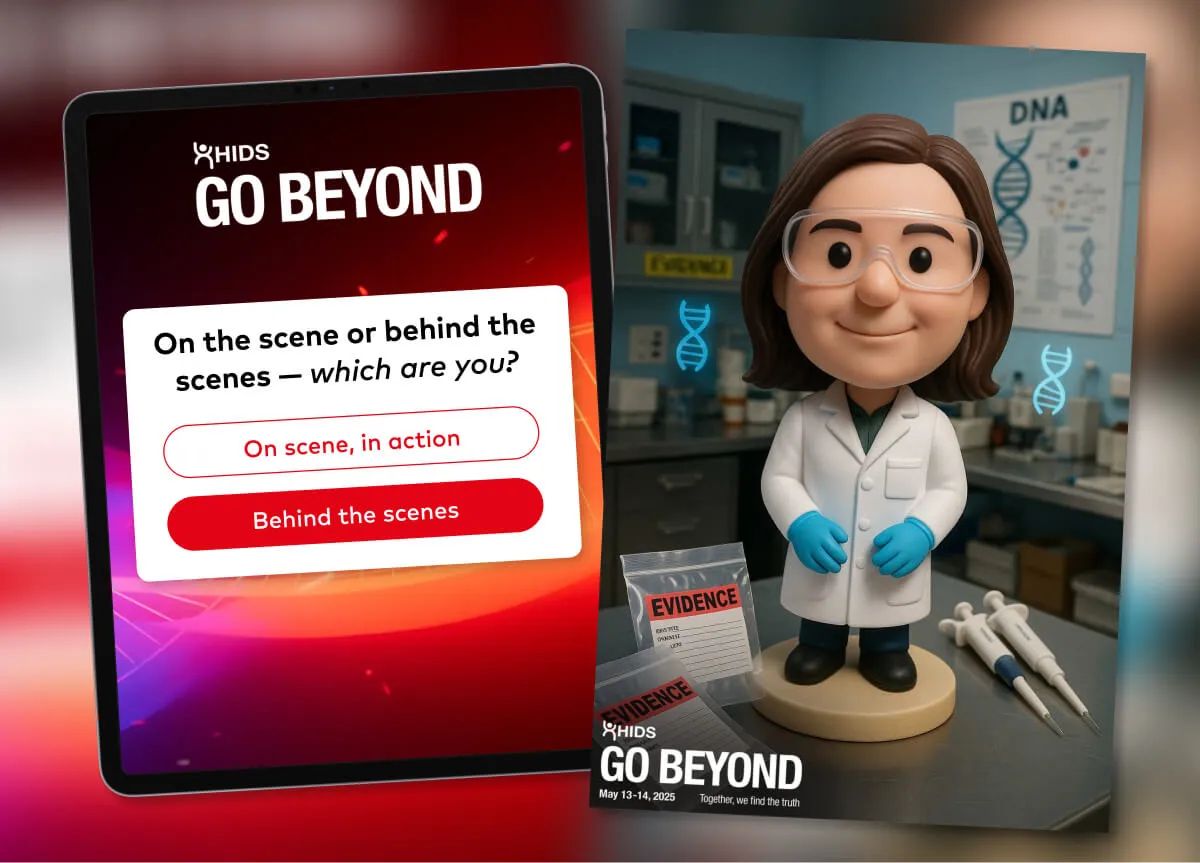
An AI photo booth that transforms selfies into themed portraits gives attendees something immediately shareable. The gamification layer comes from the personalization: attendees pick a style, see a unique result, and want to try different options. Each interaction is a natural moment to capture contact information through a real value exchange, where attendees willingly share data because they're getting something valuable in return.
Multi-Booth Challenges
For exhibitors with larger footprints (or sponsors working across a venue), scavenger hunts that span multiple touchpoints create a journey. QR codes at each station can reveal different digital experiences, building toward a final reward. This works especially well when each station offers a distinct interaction rather than just a check-in.
Collectible Content Systems
Trading card activations are having a moment, and for good reason. When attendees receive a custom trading card featuring their own photo and stats, it becomes a networking tool and a conversation starter. The collectible mechanic (different cards at different stations, or different styles based on quiz answers) adds replay value and keeps people moving through your space.
Our trade show booth engagement playbook covers more tactical approaches for driving traffic to your booth, including how to structure foot traffic flow around interactive stations.
How Can You Gamify Corporate Events and Employee Engagement?
Corporate events and internal gatherings have different goals than trade shows. You're not fighting for attention against competitors. Instead, you're trying to create genuine connection, reinforce culture, and make the event memorable enough that employees actually talk about it afterward.
Team-Based Creative Challenges
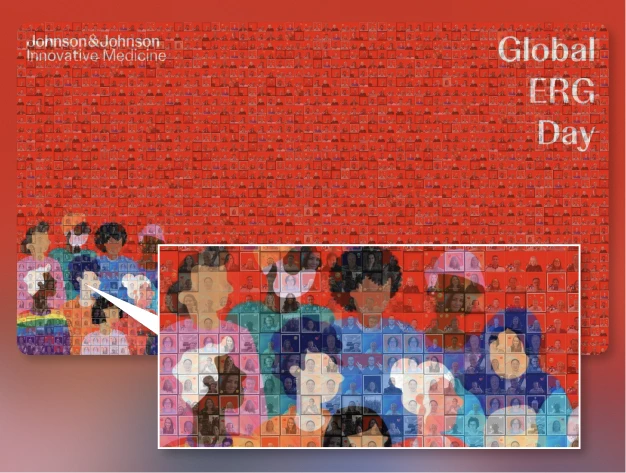
Splitting attendees into teams for creative challenges (best AI portrait theme, most creative quiz persona, collaborative mosaic building) adds friendly competition without the pressure of traditional team-building exercises. The key is making the challenge social and shareable. When teams can see each other's outputs on a live display, the energy in the room shifts from passive observation to active participation.
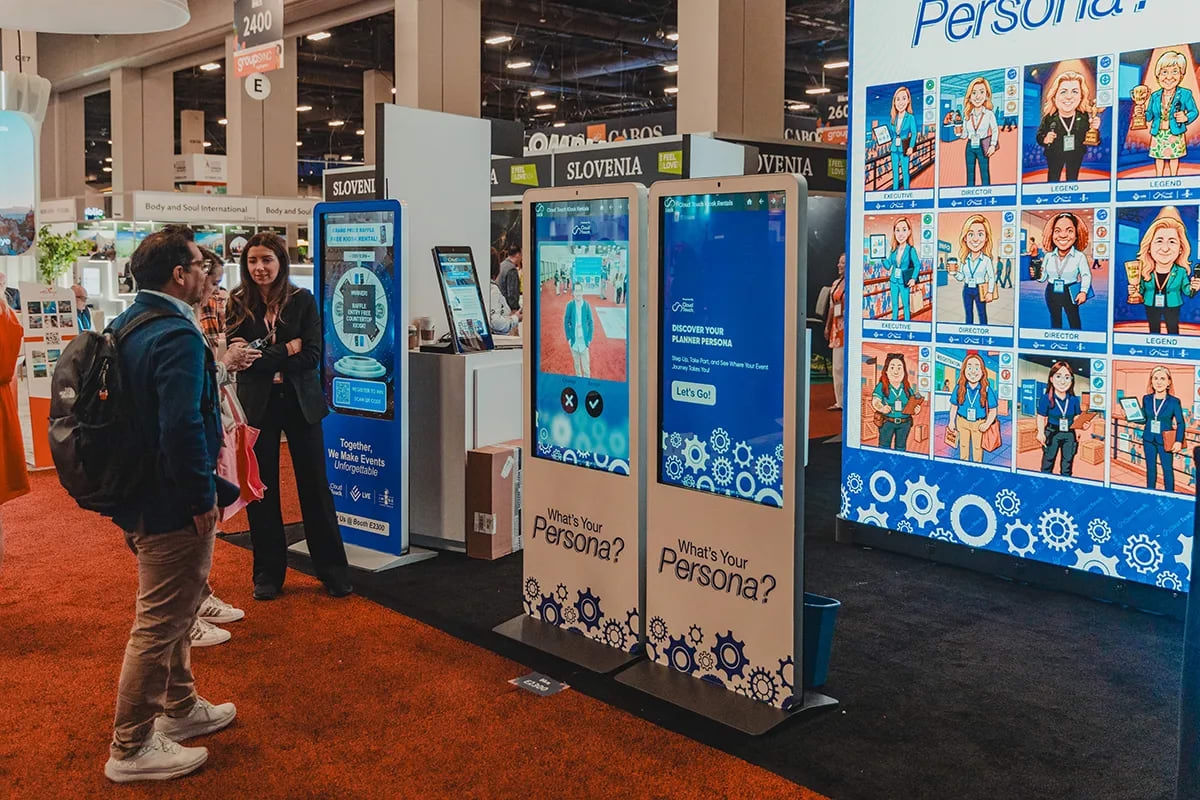
Persona Quizzes as Icebreakers
For conferences, kickoffs, or all-hands meetings, a branded persona quiz gives every attendee a shared language to break the ice. "I'm a Visionary, what are you?" is a much better conversation starter than a name badge. Results can feed into a live mosaic or social wall, creating a visual representation of the room's collective personality.
Recognition and Milestone Moments
Employee events are prime territory for recognition-based gamification. Service anniversaries, project milestones, and team achievements can be turned into personalized digital content that employees actually want to keep. An AI-generated portrait celebrating five years at the company is more meaningful than a certificate, and it's infinitely more shareable.
Insight: The best employee engagement gamification creates outputs that people share voluntarily on their personal social channels. When an employee posts their AI-generated team portrait on LinkedIn, that's organic employer brand content you didn't have to produce or pay to distribute.
How Do Digital Activations Make Event Gamification Scalable?
Traditional gamification (physical game stations, printed scavenger hunts, manual leaderboards) has a scaling problem. It requires staff, hardware, and logistics that multiply with event size. Digital activations solve this by running entirely through web browsers, no app downloads or special equipment required.
A digital photo booth accessible via QR code can handle hundreds or thousands of simultaneous participants. The gamification elements (personalized outputs, multiple style options, social sharing prompts) are baked into the software. One setup serves the entire event, whether that's 200 people in a ballroom or 10,000 across a convention center.
This also opens up hybrid and multi-location events. The same activation can run at a trade show in Chicago, a satellite office in London, and a virtual attendee's living room, all contributing to the same leaderboard, mosaic, or gallery. That kind of scale was impossible with physical gamification setups.
The digital approach also solves the data problem. Every interaction is automatically tracked: who participated, what they created, whether they shared it, and what contact information they provided. That lead capture data flows directly into your CRM without manual entry or badge scanning delays.
For more examples of how digital activations create interactive experiences across event types, explore these interactive marketing examples.
How Do You Measure the ROI of Event Gamification?
This is where most gamification strategies fall apart. Teams invest in creative activations but don't set up measurement frameworks before the event. If you can't quantify what the gamification achieved, it becomes a "nice to have" that gets cut from next year's budget.
Engagement Metrics
Start with participation rate: what percentage of attendees engaged with the gamified elements? For well-designed activations, 60-80% participation rates are realistic (compared to 10-20% for passive booth setups). Track time spent per interaction, repeat participation, and completion rates for multi-step challenges.
Data Capture Quality
Count more than just leads collected. Measure opt-in rate (what percentage of participants shared their information voluntarily), data completeness (did they provide full contact details or just an email?), and enrichment quality (did the interaction reveal anything useful about their interests or needs?). A persona quiz that captures role, industry, and pain points alongside contact info is worth far more than a business card scan.
Content Amplification
Track social shares, downloads, and secondary engagement from the content attendees created. When someone shares their AI portrait on LinkedIn and it gets 50 likes, that's measurable brand reach you can attribute directly to the activation. Monitor branded hashtag usage, user-generated content volume, and the engagement rate on shared outputs.
Post-Event Conversion
The real ROI shows up after the event. Track how gamification-sourced leads move through your pipeline compared to leads from other channels. Look at email open rates on post-event follow-up (personalized content delivery consistently sees open rates above 90%), meeting conversion rates, and ultimately, revenue attributed to event leads.
The framework is straightforward: set benchmarks before the event, instrument every touchpoint, and compare gamification-sourced outcomes against your baseline. The data is there if you're set up to capture it.
Getting Started: Three Principles for Effective Event Gamification
If you're planning your first gamified event (or rethinking an approach that didn't land), keep these three principles front of mind:
- Start with the behavior you want, then design backward. Don't pick a game mechanic and hope it drives engagement. Define the specific outcome (leads captured, content shared, booths visited) and choose mechanics that naturally produce that behavior.
- Make the reward the experience itself. If the only reason someone participates is to win a prize, your gamification is fragile. The best activations are inherently enjoyable. Prizes and incentives can amplify participation, but they shouldn't be the sole motivator.
- Measure everything, then iterate. Run the same activation format across multiple events, compare the data, and refine. Gamification is a design discipline, not a one-time gimmick. The teams that get the best results treat each event as a test-and-learn cycle.
Event gamification isn't about turning your booth into an arcade. It's about understanding what motivates people, designing interactions that align those motivations with your goals, and capturing the data to prove it worked. The technology to do this at scale, without hardware or staffing complexity, already exists. The question is whether your next event will use it.