
Table of Contents
Let's be honest about something: most corporate event entertainment hasn't changed much in the last decade. A DJ, a photo booth with some props, maybe a trivia game. It fills time, but it doesn't move the needle. If you're searching for corporate event entertainment ideas that actually engage attendees and leave a lasting impression, you're in the right place. The bar has shifted in 2026, and the events that stand out are the ones where entertainment does more than just entertain.
As someone who coordinates creative activations for brands of all sizes, I've seen what actually works on the ground. The ideas worth investing in are the ones that spark participation, generate shareable content, and give your team useful data long after the event wraps. Here's what's working right now.
Key Takeaways
- The best corporate event entertainment in 2026 is participatory, not passive. Attendees create content, not just watch performers.
- Browser-based digital activations (AI photo, persona quizzes, trading cards) scale to thousands of guests without the staffing or hardware costs of traditional setups.
- The strongest formats serve at least two goals at once: they entertain while capturing leads, audience data, or shareable branded content.
- Live entertainment still works, especially when paired with interactive technology that turns the audience into part of the act.
What Makes Corporate Event Entertainment Actually Work?
Before diving into specific ideas, it helps to understand what separates forgettable entertainment from the kind people talk about weeks later. Three things matter most:
- Participation over spectation. Watching a performer is passive. Creating something is active. The best corporate event entertainment pulls people in, not just entertains them from a distance.
- Personalization. Generic experiences feel generic. When the entertainment adapts to each attendee (their interests, their role, their preferences), the engagement rate jumps dramatically.
- Outcomes beyond fun. Entertainment that also captures leads, surfaces audience insights, or generates branded content isn't a trade-off. It's a multiplier.
With those principles in mind, here are the ideas worth building your next event around.
Interactive Digital Experiences
This is where the biggest shift is happening. Interactive digital activations give every attendee a personal, shareable experience from their own device (or a shared kiosk). No app downloads, no waiting in long lines, no complicated setup. For year-end events specifically, our corporate holiday party ideas guide covers trading cards, live voting and a mosaic that every office can fill.
AI-Powered Photo Activations
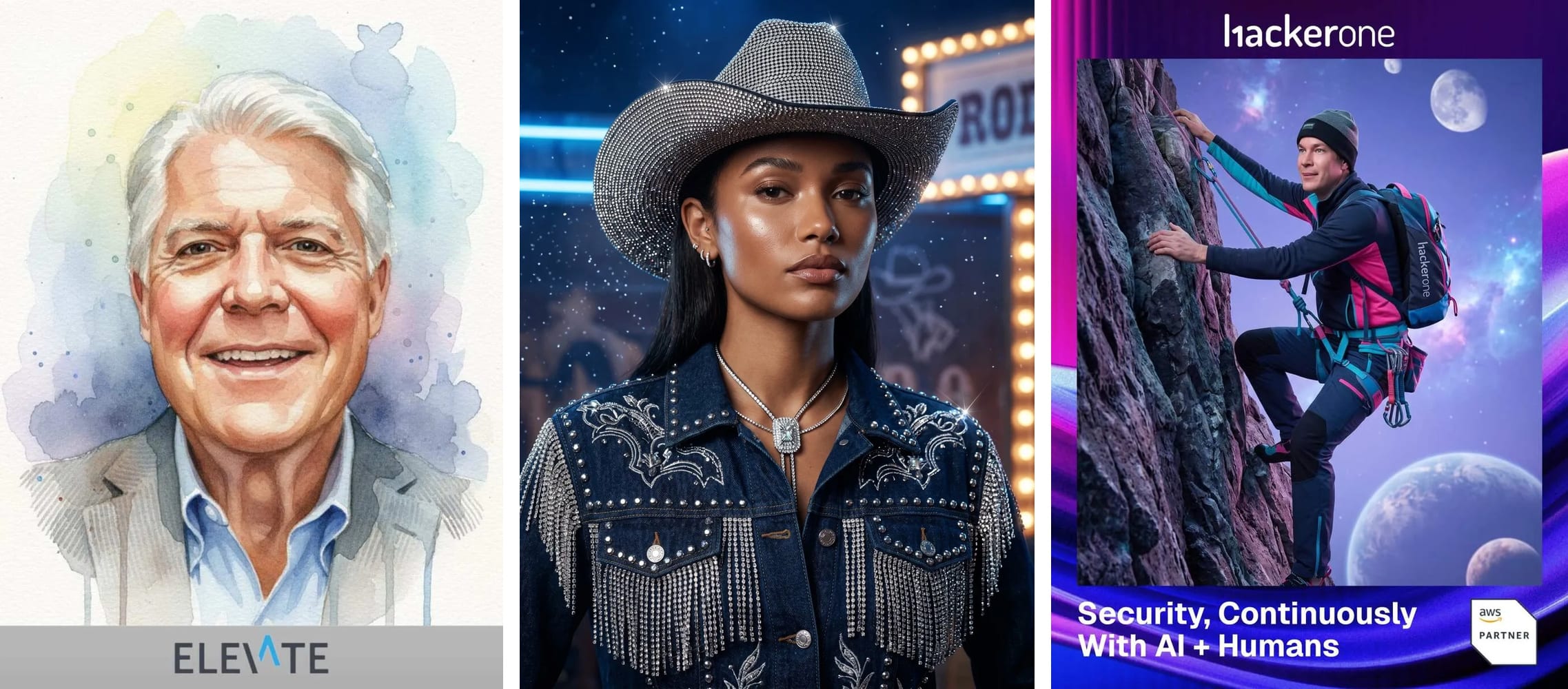
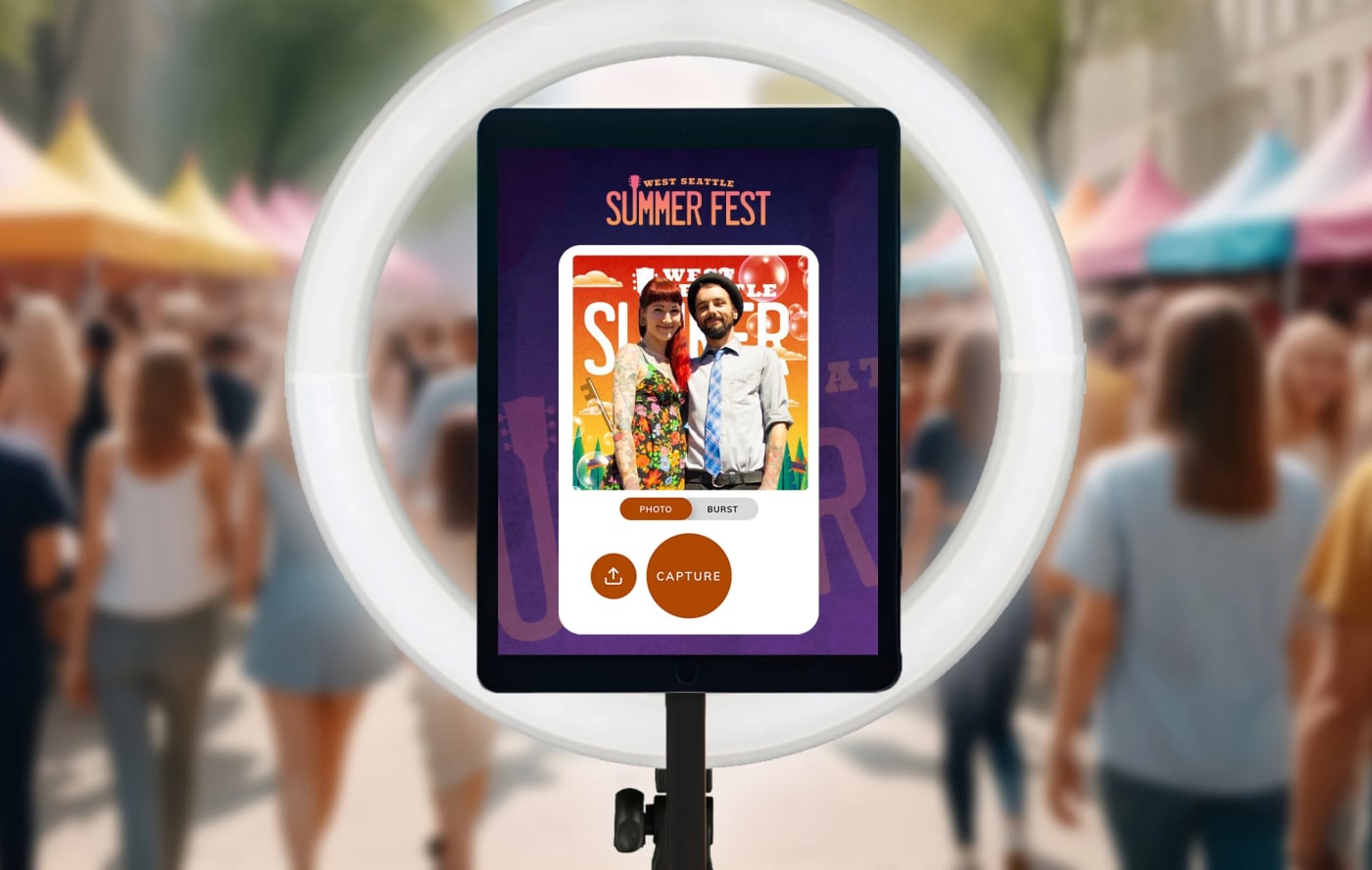
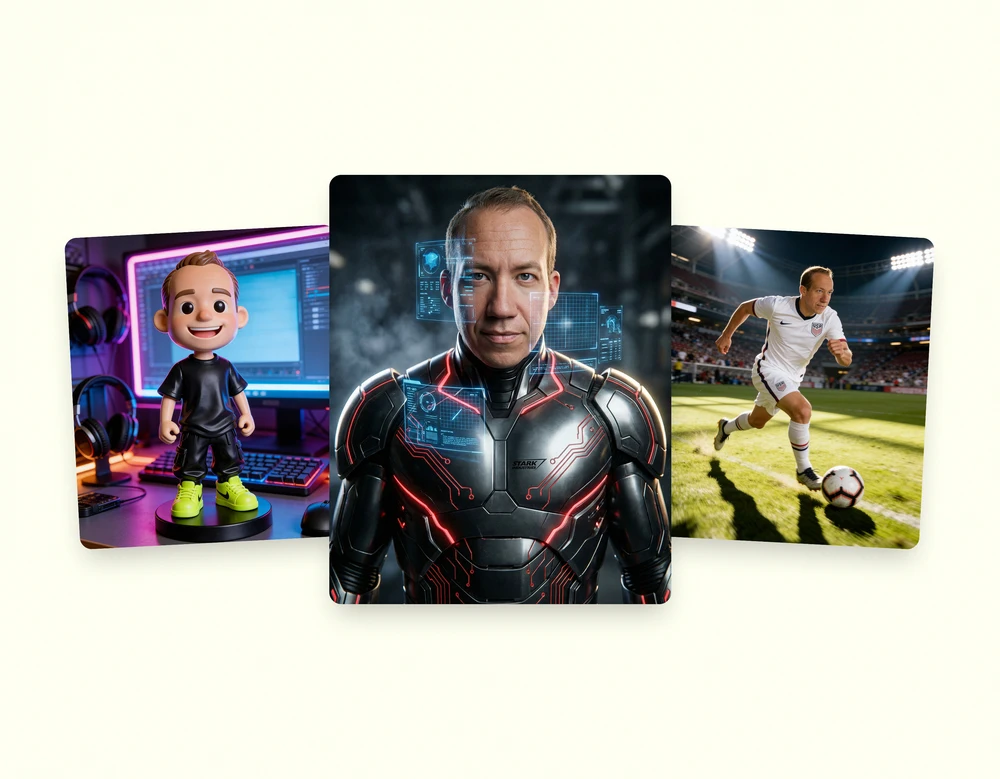
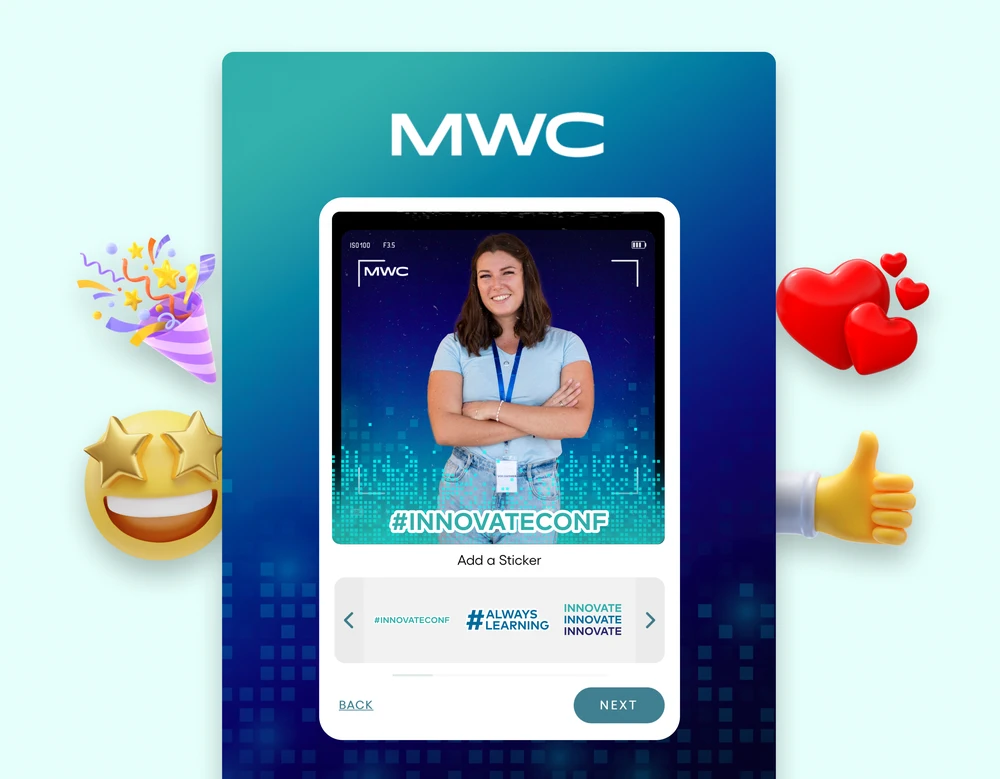
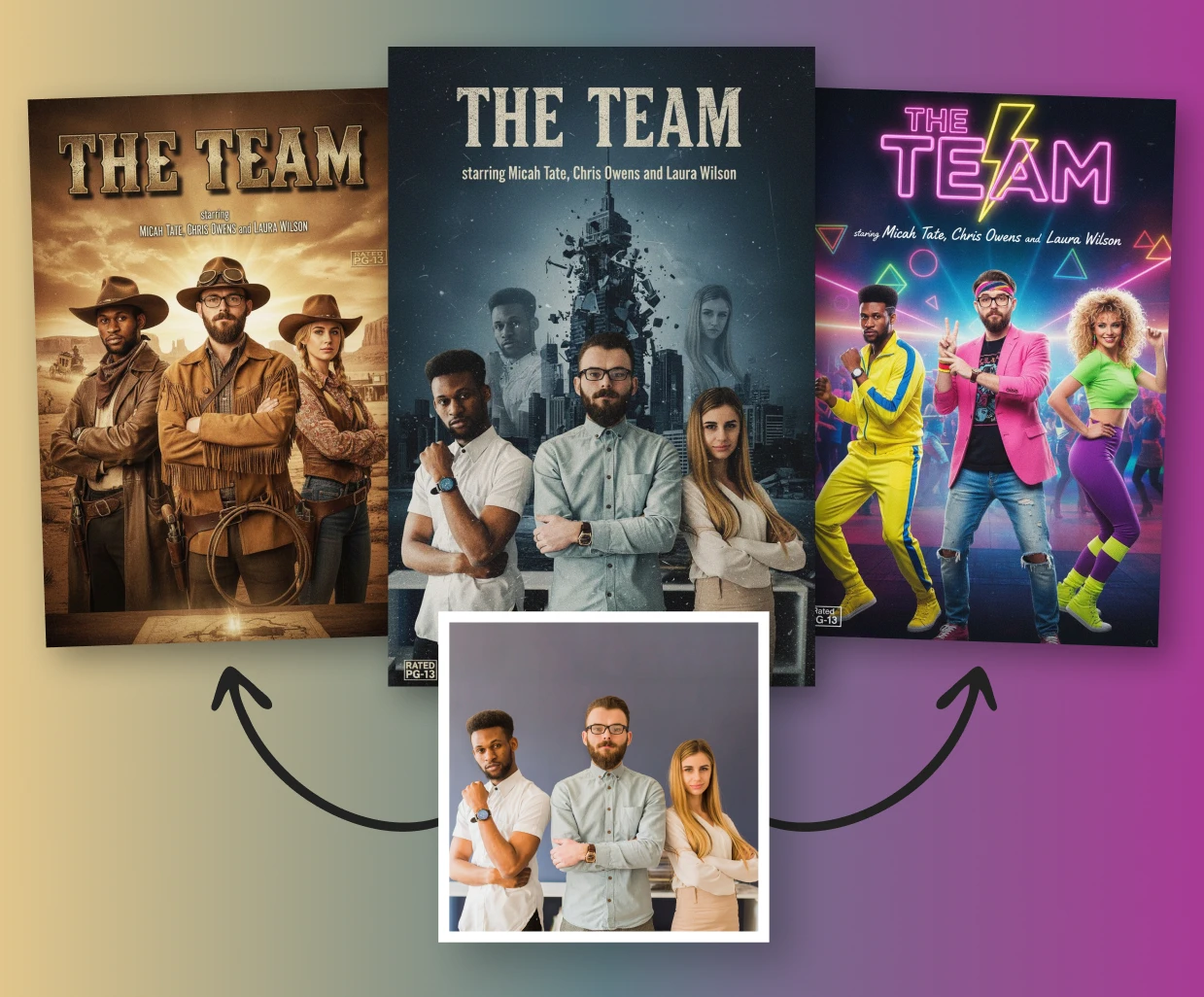
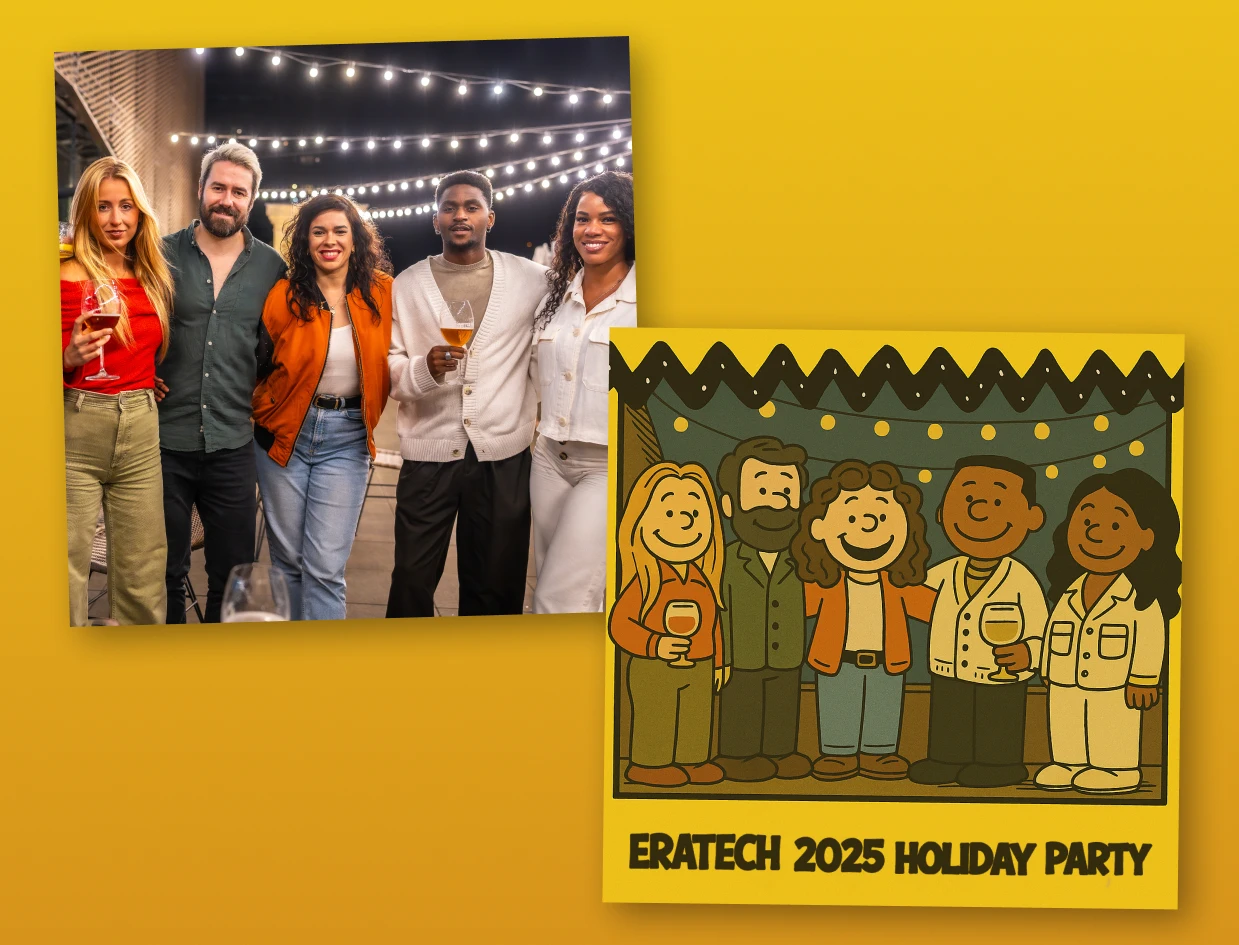
An AI photo booth transforms a simple selfie into a branded, AI-generated portrait. Attendees snap a photo, choose a style or theme, and receive a one-of-a-kind image within seconds. It's visual, it's personal, and it generates content people actually want to share on social media.
What makes this different from a standard booth setup? The output is creative in a way that feels intentional, not generic. You can match the AI style to your event theme, your brand aesthetic, or even your product line. And because it runs through a browser, you can serve hundreds of attendees simultaneously without staffing a booth. If you're weighing formats for an internal event, this corporate photo booth breakdown shows which one fits a kickoff, an offsite or a town hall.
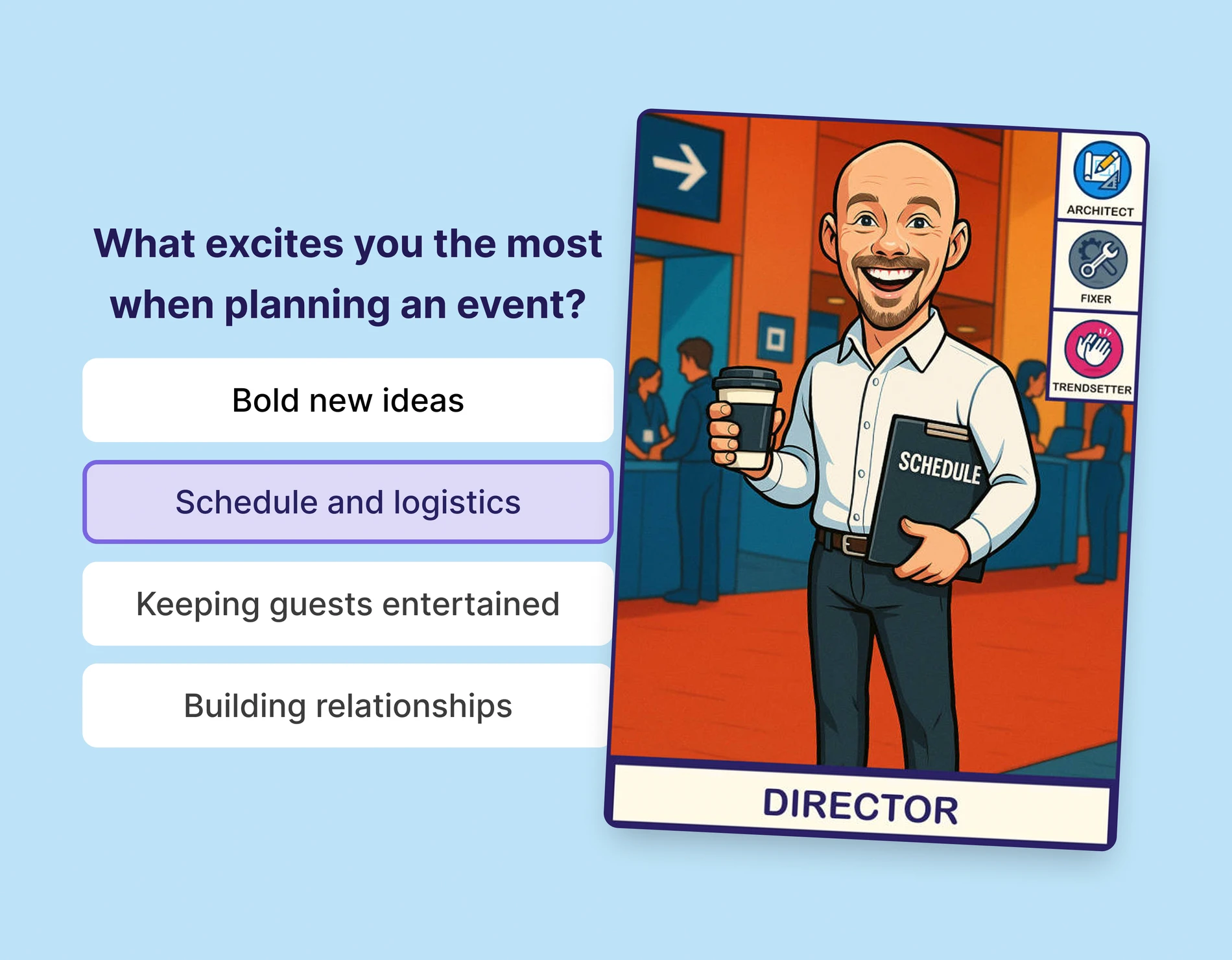
Persona Quizzes
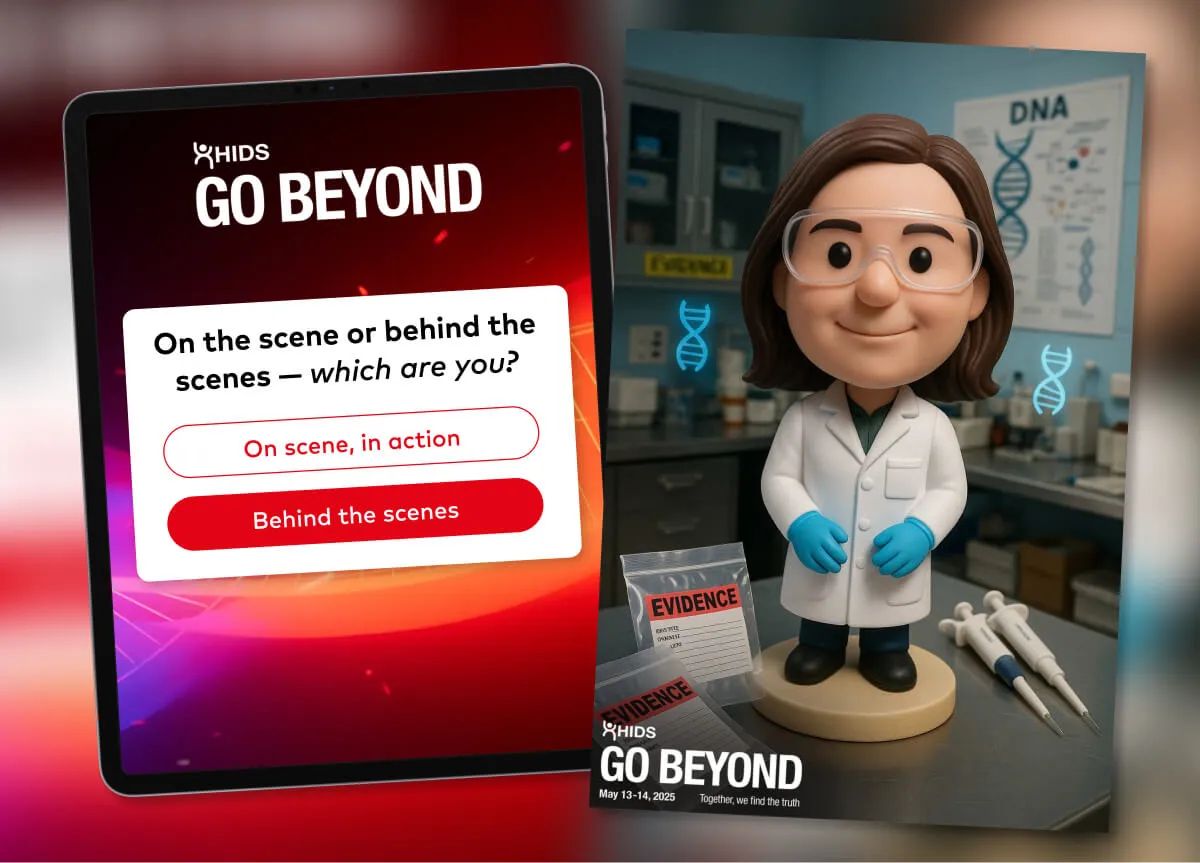
A persona quiz asks attendees a short series of questions, then delivers a personalized result: their "leadership archetype," their "innovation style," or whatever fits your event narrative. The output can include custom AI imagery, shareable cards, and data that maps to real audience segments.
This format works especially well for conferences and internal events because it gives people something to discuss. "What did you get?" becomes a natural icebreaker, and the quiz data gives your team a real picture of who attended and what resonated.
Digital Trading Cards
Trading cards turn attendees into collectible characters. Each person gets a custom card (generated from their photo and a few inputs), and the format encourages people to find each other, compare cards, and trade. It's a networking mechanic disguised as entertainment.
For corporate events where connection-building is a priority, this is one of the strongest formats available. People approach strangers to trade cards, which solves the cold-open problem that plagues most networking sessions. Our research on structured networking events shows why giving guests a reason to talk beats leaving connection to chance.
Insight: The most effective entertainment formats do double duty. A persona quiz captures audience data while giving attendees a conversation starter. AI-generated trading cards drive networking while creating branded content. Look for ideas that serve at least two goals at once.
Immersive Brand Activations
Immersive activations take entertainment a step further by wrapping attendees in a cohesive, branded experience. Instead of a single touchpoint, the entire environment tells a story.
Themed Experience Zones
Set up distinct zones within your event space, each built around a product line, company value, or campaign theme. Within each zone, attendees interact with digital experiences (AI-generated content, quizzes, live displays) that tie back to the zone's narrative. A live gallery or social wall can aggregate content across zones in real time, creating a visual pulse for the entire event.
This approach works particularly well for product launches and annual conferences where you need to communicate multiple messages without overwhelming attendees.
QR-Activated Scavenger Hunts
Place QR codes throughout the venue, each unlocking a different digital experience. Attendees collect experiences as they explore, with a leaderboard tracking participation. This turns your entire venue into the entertainment, encouraging people to visit areas they'd otherwise skip (like sponsor booths or breakout rooms).
The beauty of QR-based activations is the infrastructure is minimal: printed codes and a web experience. No hardware, no dedicated staff at each station. For a deeper look at how to build a cohesive corporate event activation strategy, that guide covers the planning framework.
Branded Content Studios
Set up a dedicated space where attendees create content that ties directly to your brand story. This could be an AI-powered activation where participants see themselves in your brand's visual world, or a fill-in-the-blank narrative experience where their answers shape a personalized story. The content they walk away with feels like a gift, not a marketing touchpoint, which is exactly why they share it.
What Team-Building Activities Actually Engage People?
The phrase "team-building activity" still triggers eye-rolls in most offices, and that reaction is fair. Trust falls and ropes courses aren't the answer for 2026. The team-building activities that work today feel less like mandatory fun and more like experiences people would actually choose to do.
Collaborative Creative Projects
Give teams a shared creative challenge that uses digital tools. For example, each team creates an AI-generated campaign for a fictional product, complete with branded imagery and a persona quiz that represents their target audience. Teams present their campaigns, and attendees vote on the winner. It's competitive, creative, and teaches real skills.
Interactive Challenges with Live Displays
Combine individual participation with collective results. Each attendee completes a digital activation (a quiz, an AI portrait, a trading card), and the results aggregate on a live display that tracks team progress. The individual experience is personal, but the team dimension adds stakes and energy to the room.
For teams distributed across locations, corporate team activations that run entirely through the browser mean every office participates on equal footing. If you're planning activities specifically around employee engagement events, the key is creating moments where people feel actively involved, not just present.
Live Entertainment with a Tech Integration
Live performers aren't going anywhere, and they shouldn't. But the most memorable corporate events in 2026 blend live entertainment with interactive technology to create something neither could achieve alone.
Live Art + AI Collaboration
Hire a live artist and pair them with an AI image generator. The artist creates a piece in real time, while attendees submit prompts or vote on elements through their phones. The AI generates interpretations alongside the human artist, and the final piece combines both. It's a conversation about creativity that audiences find compelling.
Interactive Keynotes
Turn passive keynote sessions into participatory ones. Embed real-time polls, persona quizzes, and AI-generated content into the presentation itself. When a speaker asks "What type of innovator are you?" and every attendee's result appears on screen moments later, the energy in the room shifts completely. This is where audience engagement strategies move from theory to practice.
Musical or Comedy Acts with Audience Integration
Performers who incorporate audience-generated content (submitted via QR codes during the show) create a unique performance every time. Comedians riffing on audience-submitted trading card personas, musicians incorporating crowd-chosen themes into improvised sets. The technology makes the audience part of the act.
Insight: The best live entertainment integrations feel seamless, not gimmicky. Technology should amplify what the performer does naturally, not replace it. Start with the performer's strengths and build the interactive layer around them.
How Do You Choose the Right Entertainment for Your Event?
With all these options, the real question is which ones fit your event. Here's a practical framework:
Start with Your Goals
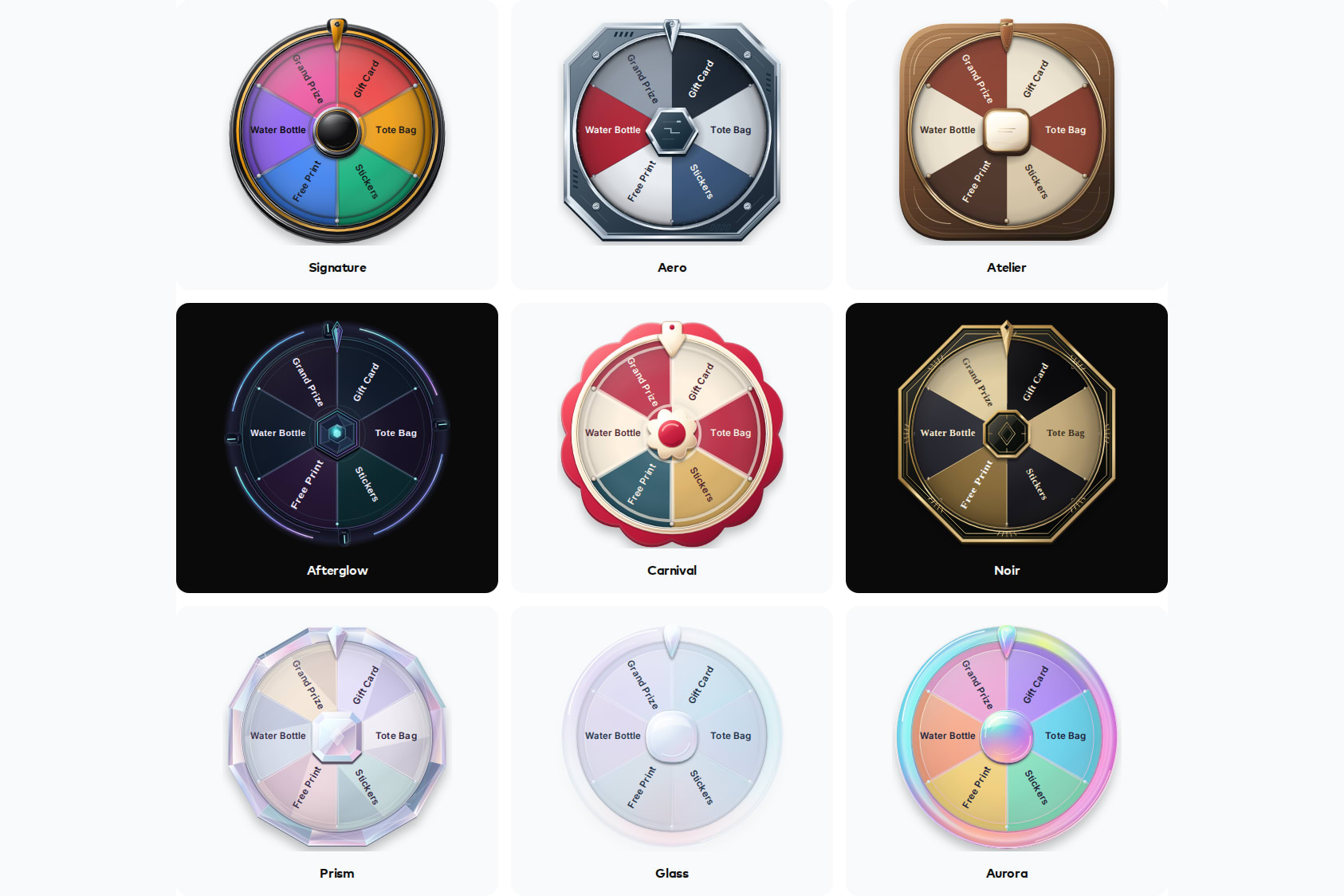
What does success look like? If it's lead capture, lean into formats that naturally collect data (persona quizzes, AI activations with email delivery). If it's networking, prioritize formats that create interaction between attendees (trading cards, collaborative challenges). If it's brand awareness, focus on formats that generate shareable content (AI portraits, live displays).
Consider Your Audience
A room full of executives has different energy than a company all-hands with 500 employees. Executives tend to engage more with curated, high-touch experiences. Larger groups thrive with self-serve digital activations that scale without bottlenecks. Mixed audiences benefit from layered experiences: a self-serve base layer everyone can access, with premium touchpoints for VIPs.
Think About the Afterlife
The most valuable entertainment extends beyond the event itself. AI-generated portraits become LinkedIn profile photos. Trading cards get shared in team Slack channels. Quiz results spark conversations in follow-up emails. When choosing entertainment, ask: "What will attendees still have from this experience in two weeks?"
Budget Realities
Digital activations have changed the cost equation significantly. Browser-based experiences don't require shipping hardware, hiring staff, or booking dedicated floor space. A single activation can run across multiple events and locations, which means the per-event cost drops every time you reuse it.
This also opens up possibilities for teams with smaller budgets. You don't need a six-figure production to create something memorable. A well-designed persona quiz or AI photo activation can cost a fraction of hiring a live band and still generate higher engagement, better data, and content that keeps working after the event ends. Booking lead times are shorter than you might expect too: our event activation booking data shows a median of just 28 days from booking to event date.
Putting It All Together
The best corporate events in 2026 don't treat entertainment as filler between sessions. They treat it as a strategic element that drives participation, captures insights, and creates content that extends the event's reach. Whether you're planning a 200-person leadership retreat or a 5,000-person annual conference, the shift is the same: move from passive entertainment to active engagement.
Start with one or two interactive elements that align with your goals. Measure the results (participation rate, content shares, leads captured). Then build from there. The organizations getting the most from their events right now are the ones treating entertainment as infrastructure, not decoration.
Ready to make your next corporate event unforgettable?
Get a QuoteOr explore: How It Works | Activation Concepts