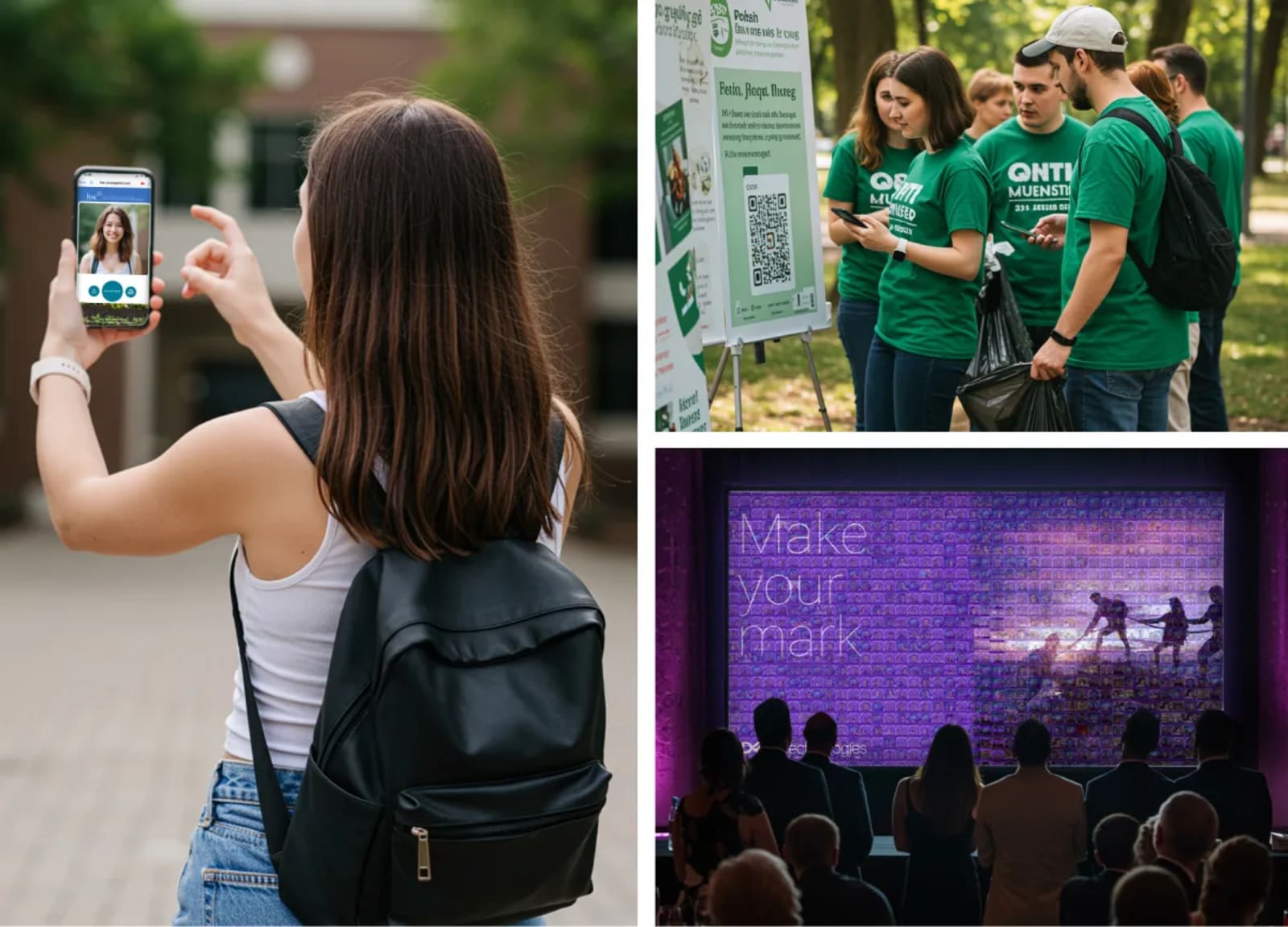
In today's event landscape, building community isn't a feel-good metric. It's how you turn passive attendees into brand advocates, generate user-generated content that extends your reach, and create lasting relationships that deliver measurable ROI.
At Snapbar, we've spent 14 years at the intersection of human connection and event technology. We've seen firsthand how the right interactive experience can transform a room full of strangers into an engaged community. The secret isn't technology for technology's sake. It's about creating meaningful moments where people feel seen, heard, and connected to something larger than themselves.
This guide reimagines proven community engagement strategies through an event marketing lens. We'll show you how to blend classic frameworks with modern event technology to create experiences that resonate, engage, and deliver results you can measure.
1. Asset-Based Community Development: Uncover Hidden Strengths
Traditional engagement starts by identifying problems. Asset-Based Community Development (ABCD) flips this approach. Instead of asking "What's wrong?", ask "What strengths already exist here?" This shift transforms attendees from passive participants into active co-creators.
For event marketers, this means designing interactions that celebrate the inherent talents and stories within your audience. Interactive event technology serves as the catalyst for this discovery process.
Implementation with Event Technology
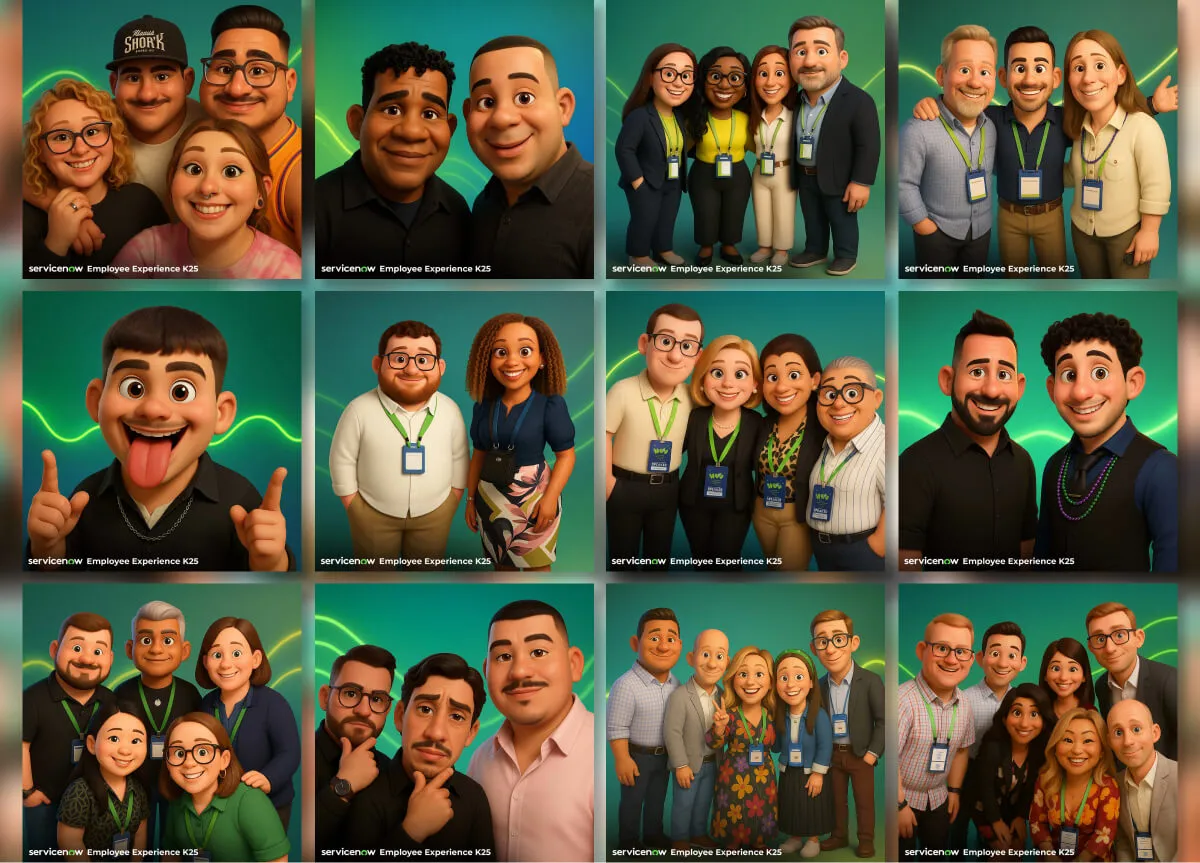
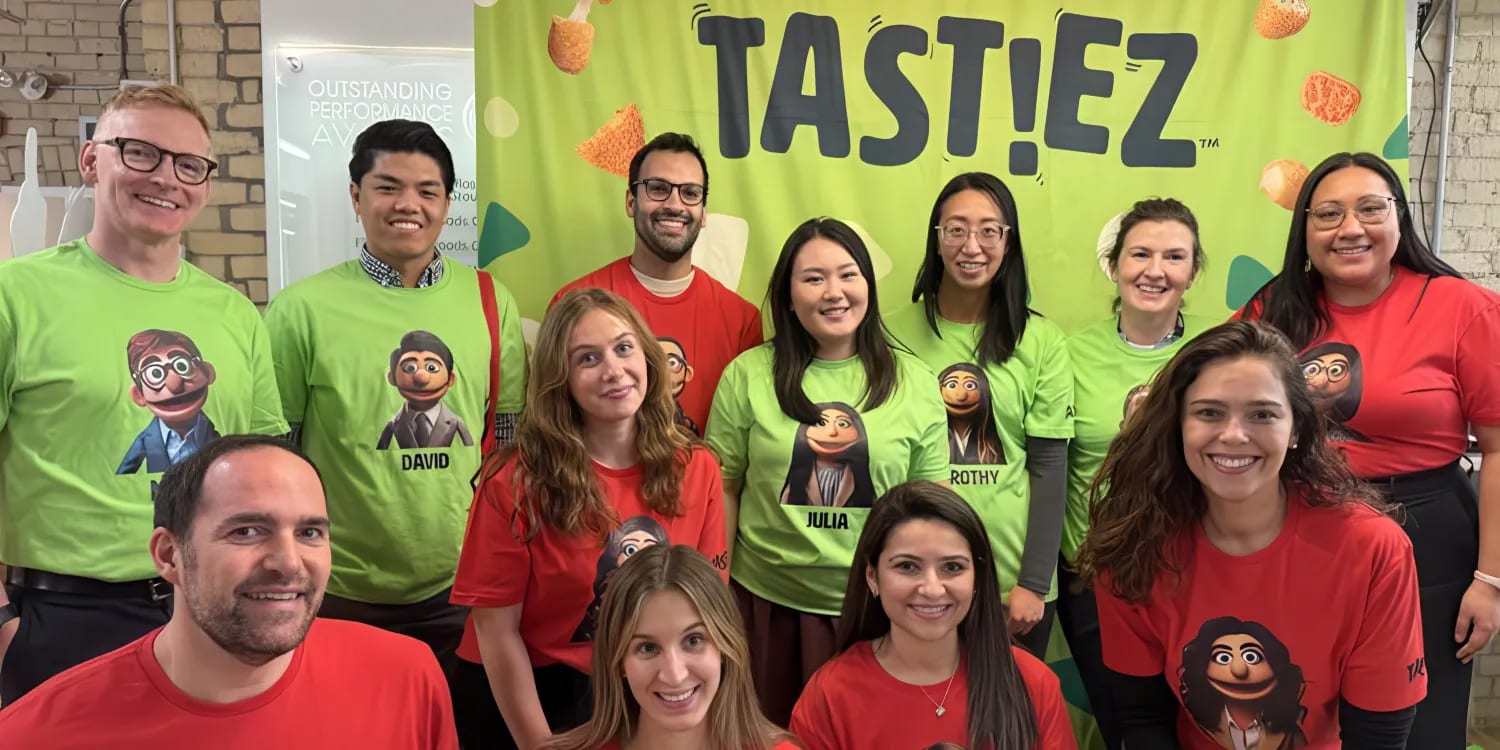
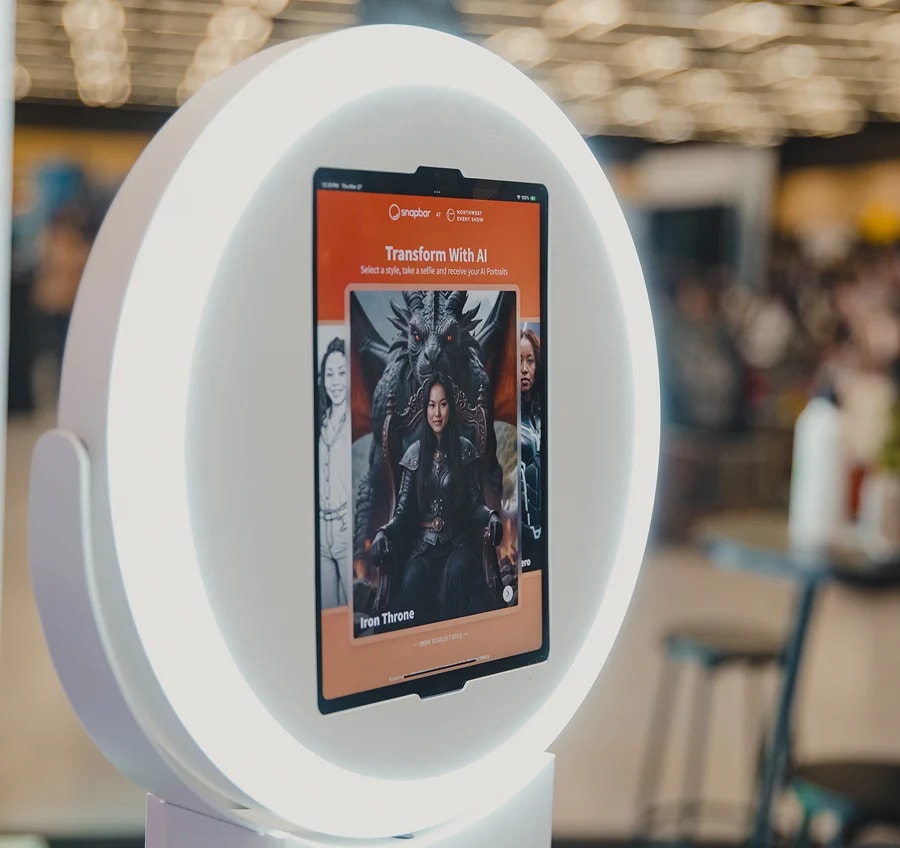
Use an AI photo booth as a strategic discovery tool. Prompt attendees with questions that reveal unique value:
- "Visualize your professional superpower."
- "What is your vision for our industry's future?"
- "Share a project you're proud of."
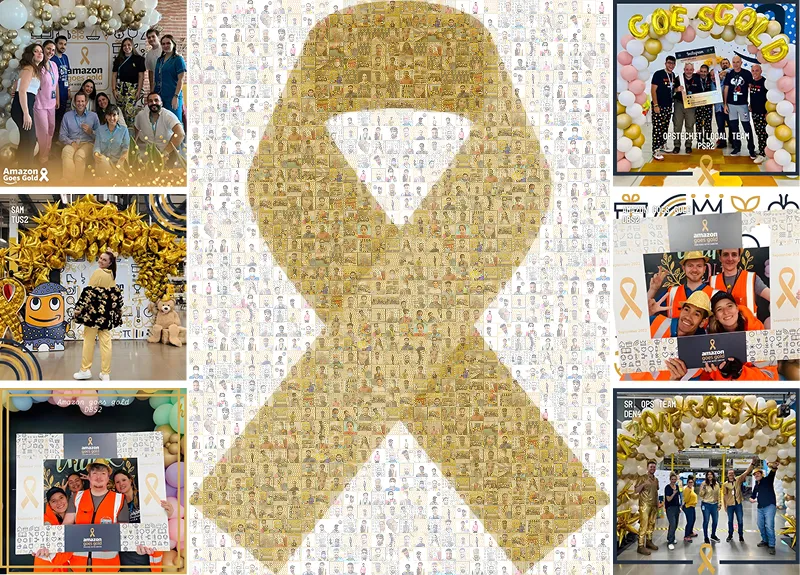
The generated images become a live inventory of your community's skills. Display this content on a dynamic mosaic wall to transform individual contributions into a visual representation of collective strength. Everyone feels essential to the community's identity, and you capture authentic content that proves engagement.
This approach works exceptionally well for internal company events or professional conferences where building collaborative culture is the primary goal.
2. Participatory Budgeting: Give Your Community Real Decision-Making Power
Participatory budgeting gives community members direct control over resource allocation. Instead of top-down decisions, you invite deliberation and voting, granting real power to the people impacted by outcomes. It elevates engagement from feedback to genuine co-creation.
For brands, this means facilitating a structured process where your audience helps shape the future. Whether deciding on new product features, community initiatives, or conference session topics, this method builds deep trust and investment.
Implementation with Event Technology
Use a dedicated microsite to manage the entire budgeting cycle. An AI-powered survey tool can gather initial ideas.
- Step 1: Announce the budget and theme on the microsite
- Step 2: Virtual submission form for project proposals
- Step 3: Gallery display where others can comment and discuss
- Step 4: Virtual town hall to deliberate, then digital ballot for voting
Broadcast the results and celebrate winning projects on a live display. This demonstrates that every voice matters and generates ROI through trust and loyalty.
This method is ideal for membership associations deciding on annual initiatives or companies allocating CSR budgets. The key is genuinely ceding control and honoring the outcome.
3. Place-Based Storytelling: Build Identity Through Shared Narratives
Every community has a history tied to specific places. Place-based storytelling taps into this connection, using personal narratives linked to locations to build shared identity. This strategy moves beyond generic messaging to unearth authentic stories that define your group's culture.
For event marketers, this means creating platforms for participants to share experiences tied to a place: an office, a conference city, or even a digital workspace. The location transforms from backdrop into meaningful, co-authored space.
Implementation with Event Technology
Use a video testimonial booth or virtual event microsite as your digital story-collecting hub. Pose location-specific prompts:
- "Share a memory from your favorite spot in this office."
- "What does this conference city mean to your career?"
- "Describe a breakthrough moment that happened right here."
Map these video and text stories onto a digital or physical map displayed on-site, creating an interactive "Story Map" of your community's journey. This makes history and culture visible and personal, strengthening your brand narrative.
This strategy is exceptionally powerful for city-wide festivals, company anniversary events, or alumni reunions where shared history and location are central themes.
4. Collective Impact Framework: Unite Stakeholders Around Common Goals
The Collective Impact Framework addresses large-scale challenges by uniting diverse stakeholders around a shared goal. This isn't a one-off initiative but a structured, long-term commitment requiring a common agenda and shared measurement systems.
For event marketers, this framework offers a powerful model for creating purpose-driven conferences. Instead of a single company hosting, a coalition of partners comes together to tackle a major industry issue. The event becomes the central hub for this collaborative effort, positioning all involved as thought leaders.
Implementation with Event Technology
Technology is the connective tissue that makes Collective Impact feasible at scale. Use a dedicated event microsite as the central hub, outlining the agenda and tracking shared metrics in real-time.
- Video guestbook for leaders to record commitments to the shared agenda
- Interactive surveys polling attendees on which KPIs matter most
- "Pledge Wall" using an AI photo booth where attendees visualize their individual contribution
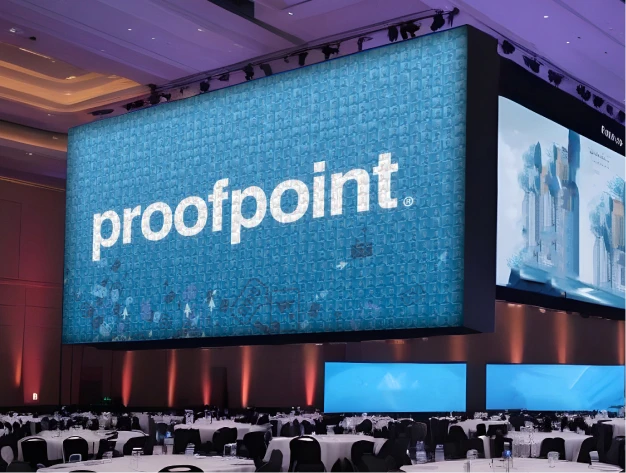
Display these contributions on a live mosaic wall to reinforce the power of unified action, transforming an abstract framework into a tangible movement that generates ROI for the entire industry.
This method is ideal for industry-wide consortiums or non-profit coalitions aiming to solve complex problems. The key is a shared focus on outcomes over individual organizational credit.
5. Digital Community Platforms: Extend Engagement Beyond the Event
Effective community engagement doesn't end when the lights go down. True connection requires a persistent space for interaction. Digital community platforms provide the year-round home for your audience to gather and collaborate, extending the energy of an in-person event into a continuous conversation.
The goal is bridging physical and digital participation to generate year-round ROI. A vibrant online platform transforms attendees from one-time participants into ongoing members of a thriving ecosystem.
Implementation with Event Technology
Think of your live event as the launchpad for your digital community. User-generated content captured on-site becomes the fuel. Photos and videos from your activation can kickstart conversations in a community Slack channel or Facebook group.
- "Post your favorite photo from the conference and share one key takeaway."
- "What collaboration came out of the connections you made? Share a photo!"
- "Continue the discussion from the keynote here. What are your thoughts?"
By seeding the platform with authentic moments from the shared experience, you create an immediate reason for people to join. Display these digital conversations back at your next event on a social media wall to create a powerful feedback loop, showcasing how online engagement connects to the in-person experience.
This strategy is essential for brands building a user community or professional associations fostering member connections.
6. Community Organizing Model: Build Collective Power Through Storytelling
The Community Organizing Model mobilizes people to create meaningful change. Rooted in building power from the ground up, it identifies shared concerns, develops local leaders, and inspires collective action.
For event marketing professionals, this model provides a framework for building authentic brand communities and generating ROI through advocacy. It shifts focus from one-way communication to fostering genuine relationships. By applying these principles, you can turn a passive audience into a network of dedicated advocates using event technology as the catalyst.
Implementation with Event Technology
Run a "listening campaign" before, during, and after your event. An AI photo booth can be repurposed as a powerful organizing tool:
- "What is the single biggest challenge you face in your role?"
- "If you could change one thing about our industry, what would it be?"
- "Share a story of a time you collaborated to solve a problem."
The responses, captured as video testimonials or text overlays on photos, become a public record of your community's priorities. Display this content on a live gallery to build solidarity, showing attendees they are not alone.
This method is ideal for industry associations or user conferences aiming to mobilize their base. It's particularly effective when the goal is organizing members around a common cause.
7. Deliberative Democracy Methods: Facilitate Informed Group Decisions
While many engagement strategies gather individual opinions, deliberative democracy methods prioritize informed, collective decision-making. This structured process brings diverse community members together to learn, discuss different perspectives, and collaboratively arrive at consensus. It's a shift from a popularity contest to a thoughtful, educated group verdict.
For organizations tackling significant challenges like strategic planning, this approach builds unparalleled trust. It ensures the final decision isn't just supported, but deeply understood.
Implementation with Event Technology
Event technology is crucial for scaling these intensive discussions. Before the main event, use a microsite to distribute balanced briefing materials. During the event, leverage digital tools for structured feedback.
Use live polling not just for simple votes, but for nuanced feedback at key deliberation stages:
- "After reviewing the expert panels, which budget priority has shifted most for you and why?"
- "What is one concern you have about Proposal A that hasn't been addressed?"
- "Rank these proposed solutions based on our agreed-upon community values."
Display aggregated results in real-time to guide facilitators and help the group identify emerging consensus. This creates a transparent, data-informed environment where every voice contributes to a more intelligent collective outcome.
This method is ideal for corporate strategy off-sites or non-profit advisory boards where the goal is a complex, high-stakes decision with broad stakeholder support. Learn more from pioneers like the Deliberative Democracy Consortium.
8. Cultural Events and Festivals: Forge Unity Through Shared Experiences
Cultural events and festivals transform abstract concepts like diversity into vibrant, shared experiences. These gatherings act as social glue, bringing people together to create positive memories and foster collective identity.
For event marketers, sponsoring or creating a cultural festival is a direct line to the heart of a community, building brand affinity through genuine participation. These events are unparalleled opportunities to use interactive technology to capture and amplify the spirit of the occasion, turning fleeting moments into lasting digital assets that prove ROI.
Implementation with Event Technology
Capture attendees' joy and create a living archive. Use prompts designed to deepen the experience and capture user-generated content that tells a story:
- "Show us the best moment you experienced today!"
- "What does this community's culture mean to you?"
- "Capture a photo with someone new you met today."
Stream this content live to a digital mosaic, creating a dynamic, crowdsourced mural that reflects the event's energy in real time. This not only engages attendees but also creates authentic marketing material while building social cohesion.
This approach is ideal for brands aiming to build deep local roots or companies wanting to create a more inclusive internal culture through heritage-themed employee events.
9. Resident Leadership Development: Cultivate Your Community's Future Leaders
Truly sustainable community engagement isn't a one-off campaign. It's about building long-term capacity from within. Resident Leadership Development is a systematic approach to identifying, training, and empowering community members to take on leadership roles.
For event marketers, this translates to cultivating brand advocates who can champion your message long after an event. Live events serve as the perfect incubator for this process, using interactive technology to spotlight and nurture emerging leaders.
Implementation with Event Technology
Create a funnel for identifying and developing leaders. Start with surveys on registration forms to gauge interest. Then use an AI photo booth or video testimonial station as a platform for potential leaders to step forward:
- "What idea do you have to improve our community or industry?"
- "Record a 30-second pitch for a new member-led initiative."
- "What does leadership in this community look like to you?"
This content provides invaluable insight into who is ready to take the next step. Create dedicated microsites for these budding leaders to connect and collaborate, building a durable framework for customer advisory boards and ambassador programs.
This method is ideal for annual user conferences or membership-based associations looking to ensure the community's vitality for years to come.
Community Engagement Strategies Comparison
| Model | Implementation Complexity | Resource Requirements | Expected Outcomes | Ideal Use Cases | Key Advantages |
|---|---|---|---|---|---|
| Asset-Based Community Development | Moderate to high | Skilled facilitators, community time | Community empowerment, sustainable development | Strengthening local assets and capacities | Builds self-reliance, cost-effective, empowers groups |
| Participatory Budgeting | High (multi-stage) | Coordination, civic education | Increased participation, transparent budgeting | Public budget allocation with community input | Enhances transparency, civic skills, addresses priorities |
| Place-Based Storytelling | Moderate | Story collectors, digital/physical media | Strong community identity, cultural preservation | Building community identity and history | Connects generations, accessible, emotional engagement |
| Collective Impact Framework | High (complex coordination) | Backbone org, sustained funding | Systematic problem-solving, accountability | Tackling complex social issues collaboratively | Leverages diverse resources, reduces duplication |
| Digital Community Platforms | Moderate | Technology, ongoing tech support | Increased accessibility, broader engagement | Online community interaction and info sharing | Asynchronous participation, cost-effective scaling |
| Community Organizing Model | High (long-term) | Skilled organizers, sustained effort | Community power, leadership development | Social change through collective action | Builds lasting power, addresses root causes |
| Deliberative Democracy Methods | High | Skilled facilitators, facilitation resources | Thoughtful recommendations, reduced polarization | Complex issue deliberation and decision-making | Builds understanding, legitimizes decisions |
| Cultural Events and Festivals | Moderate to high | Budget, volunteers, logistics | Social cohesion, cultural celebration | Community gatherings and cultural exchange | Builds cohesion, celebrates diversity |
| Resident Leadership Development | Moderate to high | Trainers, mentorship programs | Sustainable leadership capacity | Developing local leadership for initiatives | Builds capacity, creates career pathways |
From Strategy to Execution: Technology as the Bridge
These community engagement strategies share a common thread: they shift perspective from broadcasting at people to creating platforms for them. True engagement isn't one-directional. It's about building sustained momentum that strengthens your brand long after the event concludes.
The key is thoughtfully integrating event technology that captures your community's voice and transforms it into tangible assets. Each strategy we've discussed presents an opportunity to integrate tools that facilitate genuine connection.
Practical Integration Examples
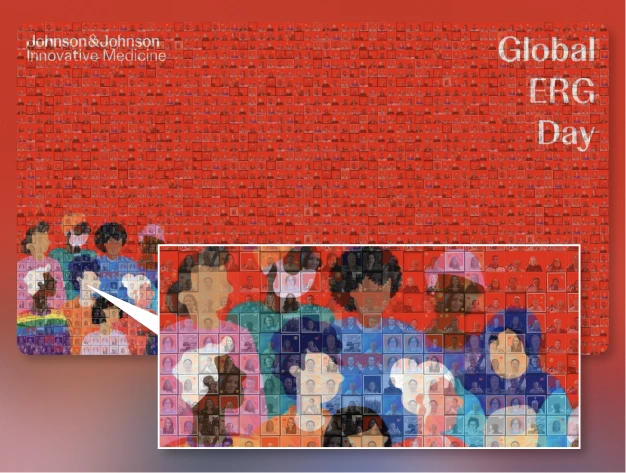
Consider how Interactive Team Mosaics can visualize collective participation during Place-Based Storytelling or Collective Impact initiatives. Individual portraits combine into a larger branded mosaic symbolizing the community's mission, displayed live or shared digitally as a keepsake of team contributions.
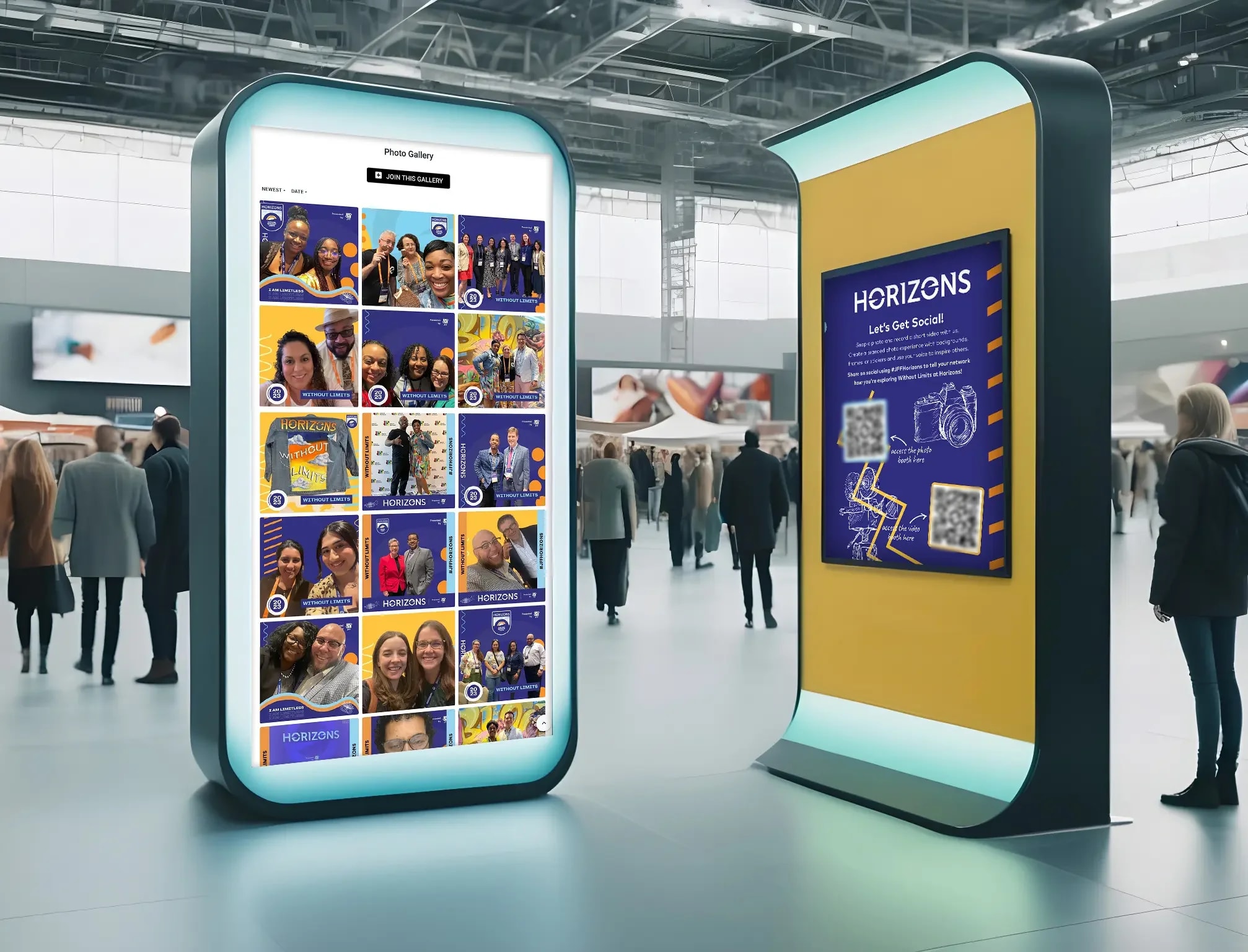
Or how Live Gallery Walls can showcase real-time engagement during cultural festivals or participatory budgeting votes. As people participate from their phones, content appears on branded, dynamic displays, creating immediate feedback that drives more participation.
- Capture the Story: Use AI-powered photo and video experiences to capture authentic moments during your activation
- Visualize the Impact: Display live content feeds on large screens to foster shared identity
- Gather Actionable Feedback: Deploy interactive surveys to inform your next steps while demonstrating you value community input
By thoughtfully integrating these technological touchpoints, you don't just host an event. You create an ecosystem of engagement. You generate authentic content, gather first-party data, and build a repository of shared memories that form the foundation of a resilient community.
Building a Community That Lasts
The most impactful community engagement strategies are built on trust, shared purpose, and authentic co-creation. The goal is designing experiential events where your community members feel seen, heard, and valued. Event technology facilitates this connection, but your commitment to genuine partnership is what drives ROI.
Start by identifying one or two strategies from this guide that resonate most with your brand's goals. Define your primary objective, then brainstorm simple ways to bring the experience to life for your audience.
Ready to activate your next community event?
Get a Quote
Or explore: How It Works | Activation Concepts
Topics