Table of Contents
Social media marketing for events is a strategic discipline that goes far beyond posting announcements and hoping for engagement. It is the practice of using social platforms to build anticipation, drive registrations, amplify on-site energy, and extend the conversation long after the venue empties. When done well, it transforms attendees from passive ticket holders into active brand advocates generating authentic content that reaches audiences you could never touch on your own.
This guide breaks down a practical, phase-by-phase framework for event social media, covering pre-event strategy, real-time engagement tactics, user-generated content systems, and post-event amplification. Whether you are promoting a trade show, a conference, or a product launch, these strategies will help you turn social media from a megaphone into a conversation engine.
How Do You Promote an Event on Social Media?
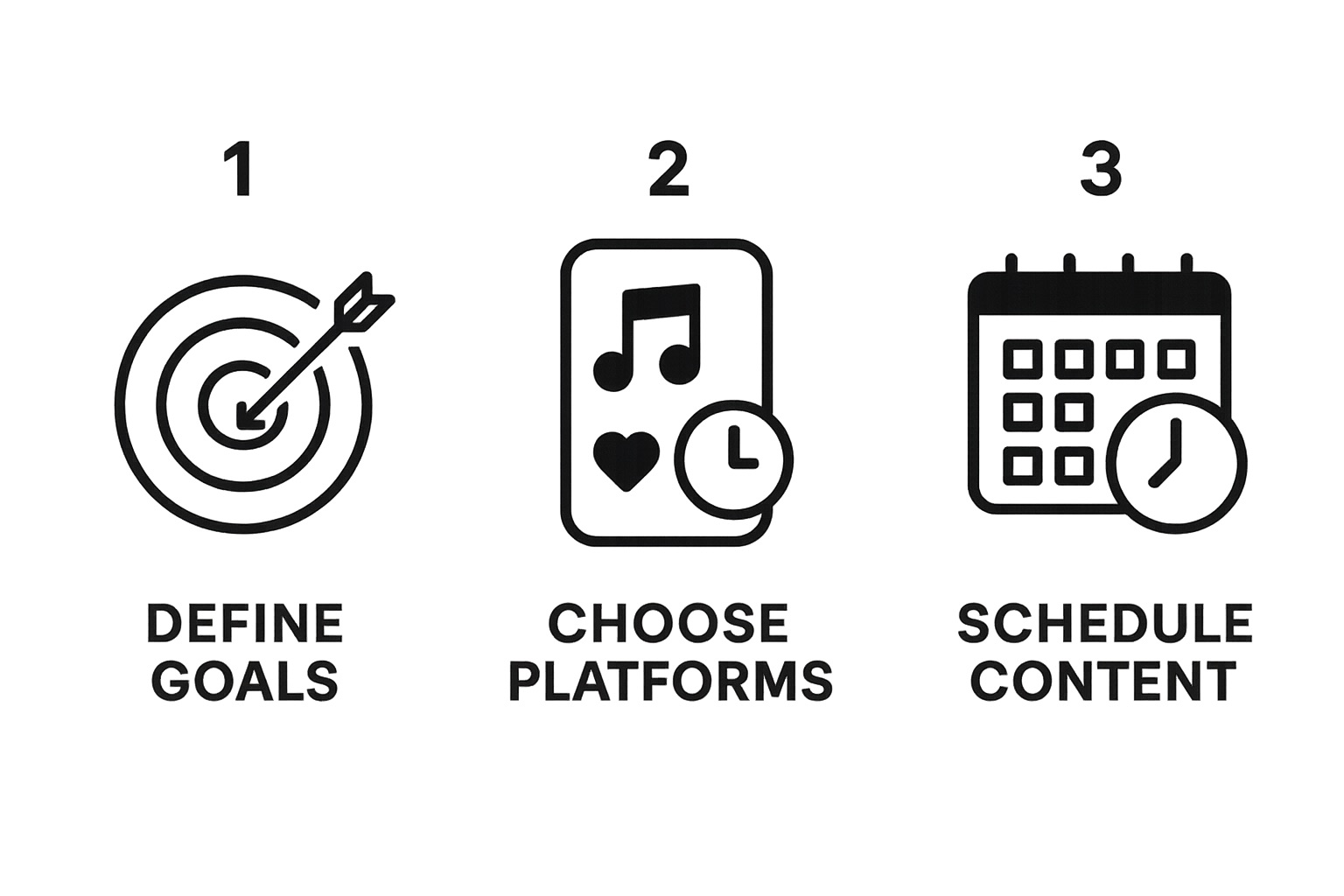
To promote an event on social media, work in three phases. Beforehand, pick the one or two platforms your audience actually uses. Launch a hashtag and post speaker teasers. During the event, give guests something they'll want to post, like a branded activation, and show what they make on screens. Afterward, turn that content into recap posts.
How Do You Build a Pre-Event Social Media Strategy?
A strong social media presence starts weeks (or months) before the event itself. The pre-event phase is where you generate anticipation, build community, and drive registrations. This is the foundation that separates packed events from half-empty rooms, and it requires more than a few countdown posts.
With nearly 5 billion people active on social media, these platforms are the primary channel for reaching virtually any audience. The key is knowing exactly who you are trying to reach and where they spend their time.
Define Your Audience and Choose Your Platforms
Before writing a single caption, nail down who you are talking to. A B2B leadership conference lives on LinkedIn. A brand festival thrives on Instagram and TikTok. A developer conference might find its home on X (formerly Twitter) and Reddit. Your audience determines everything, from your tone to the formats you prioritize.
The most common mistake here is trying to be everywhere at once. It is far more effective to own one or two channels than to maintain a weak, scattered presence across five. Go deep, not wide.
Build a Content Calendar and Create Your Event Hashtag
Your content calendar should balance promotional posts that drive action with value-driven content that builds trust and anticipation. A few formats that consistently perform:
- Speaker Spotlights: Introduce keynotes and panelists with short video interviews or quote graphics. This gives your audience a reason to follow along and a face to look forward to.
- Behind-the-Scenes Updates: Show venue setup, swag production, or planning sessions. This builds anticipation by pulling the curtain back on the process.
- Early-Bird Reminders: Create urgency around registration deadlines with countdown content and clear calls to action.
Your event hashtag is the digital thread connecting every post, photo, and conversation. Keep it short, unique, and easy to spell. Before committing, search the hashtag to make sure it is not already in use for something unrelated. For a deeper dive into building that content narrative, explore these event content marketing best practices.
Match Content to the Right Platform
| Platform | Best Content Types | Ideal Event Use Case | Posting Frequency |
|---|---|---|---|
| Articles, speaker spotlights, thought leadership | B2B conferences, industry summits | 3-5x per week | |
| Reels, carousels, Stories, photo galleries | Brand activations, experiential events | Daily (Stories), 4-5 posts per week | |
| TikTok | Short-form video, behind-the-scenes, trends | Consumer-facing events, festivals | 3-5x per week |
| X (Twitter) | Live updates, quote threads, polls | Tech events, real-time commentary | Multiple times daily during event |
| Event pages, community groups, live video | Community events, local gatherings | 3-4x per week |
Key Insight: The most effective pre-event strategies focus on one or two platforms where the target audience is most active. Depth of engagement on the right channel will always outperform shallow presence across many.
What Content Formats Drive the Most Event Engagement?
Generic posts get scrolled past. The events that dominate social feeds are the ones experimenting with formats that entertain, inform, and create genuine connection with their audience. If your content feels like an ad, it will be treated like one.
Lead with Short-Form Video
Short-form video is non-negotiable for building pre-event momentum. Instagram Reels, TikTok, and LinkedIn video are built for the kind of dynamic, attention-grabbing content that tells a story in seconds.
Use video to introduce speakers with quick Q&A sessions, offer behind-the-scenes glimpses of your planning process, or run countdown sequences that build tangible excitement. These authentic clips make your event feel human and accessible, creating a stronger connection than static graphics ever could.
Go Beyond Basic Announcements
Think like a content creator, not just an event promoter. Your feed should be a destination for compelling stories related to your event's themes, not a series of date-and-time reminders.
Content pillars that consistently work:
- Educational Snippets: Share quick tips, surprising statistics, or insightful quotes from your speakers that tie back to the event's core topics. This positions your event as a source of genuine knowledge.
- Interactive Polls and Questions: Ask followers what sessions they are most excited about or which speaker they cannot wait to see. This boosts engagement while giving you valuable feedback.
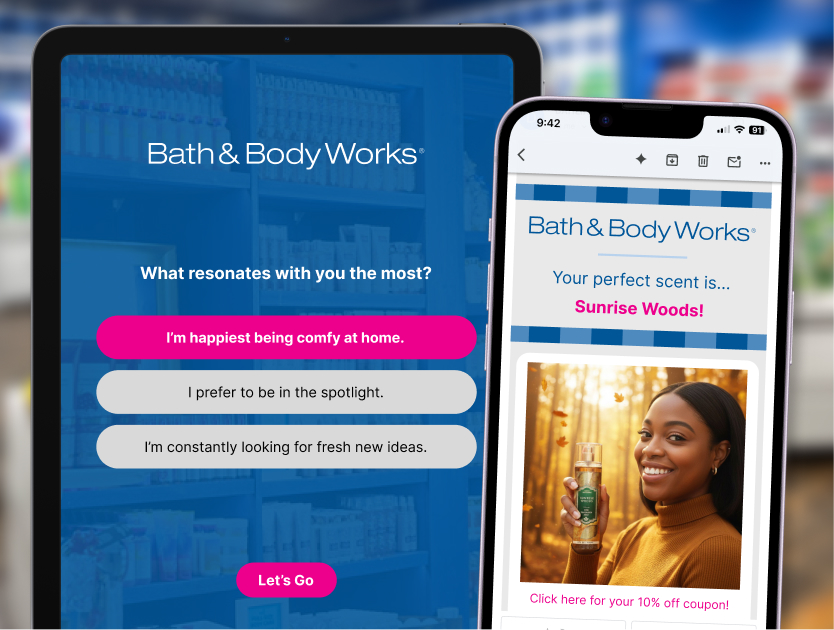
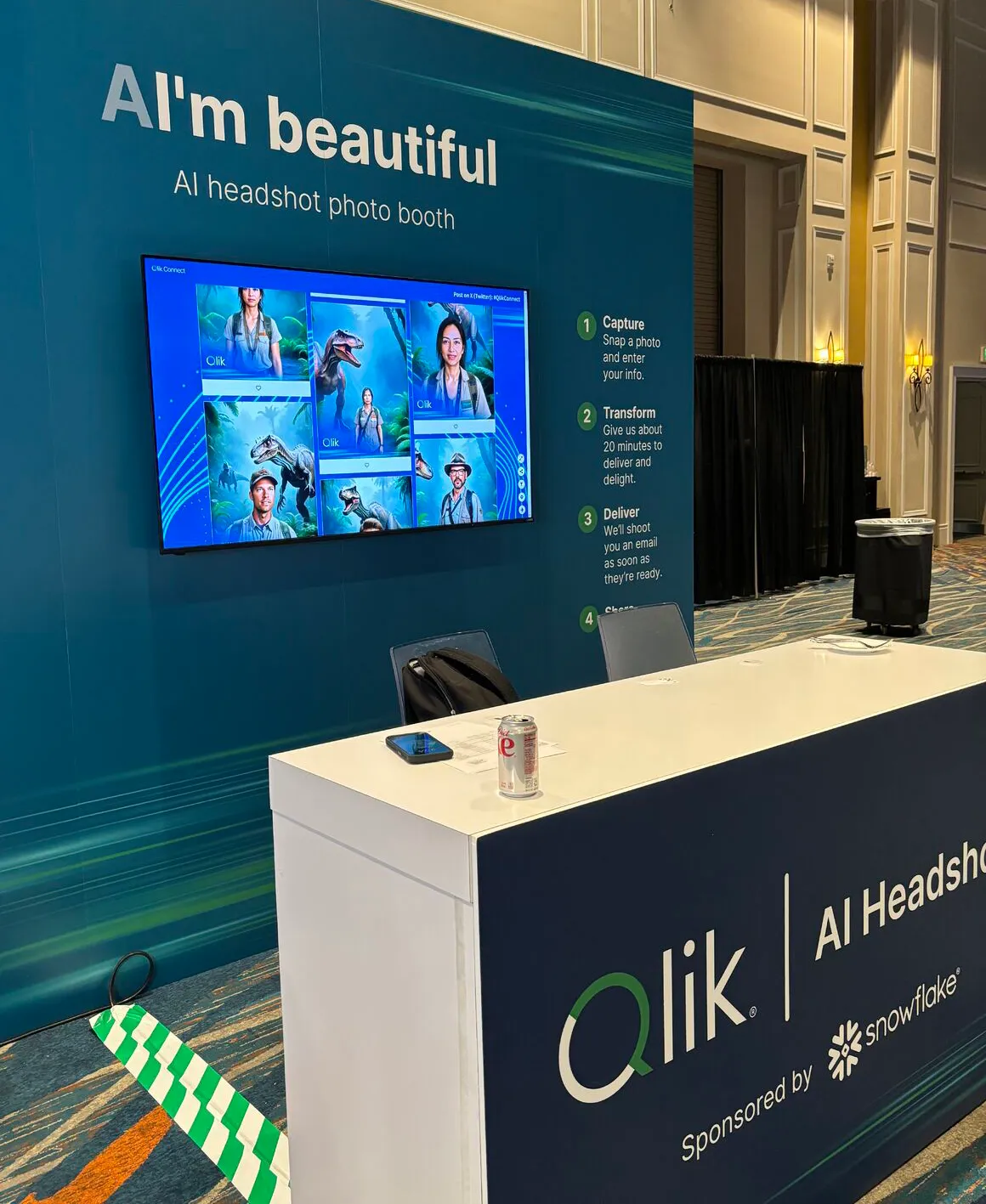
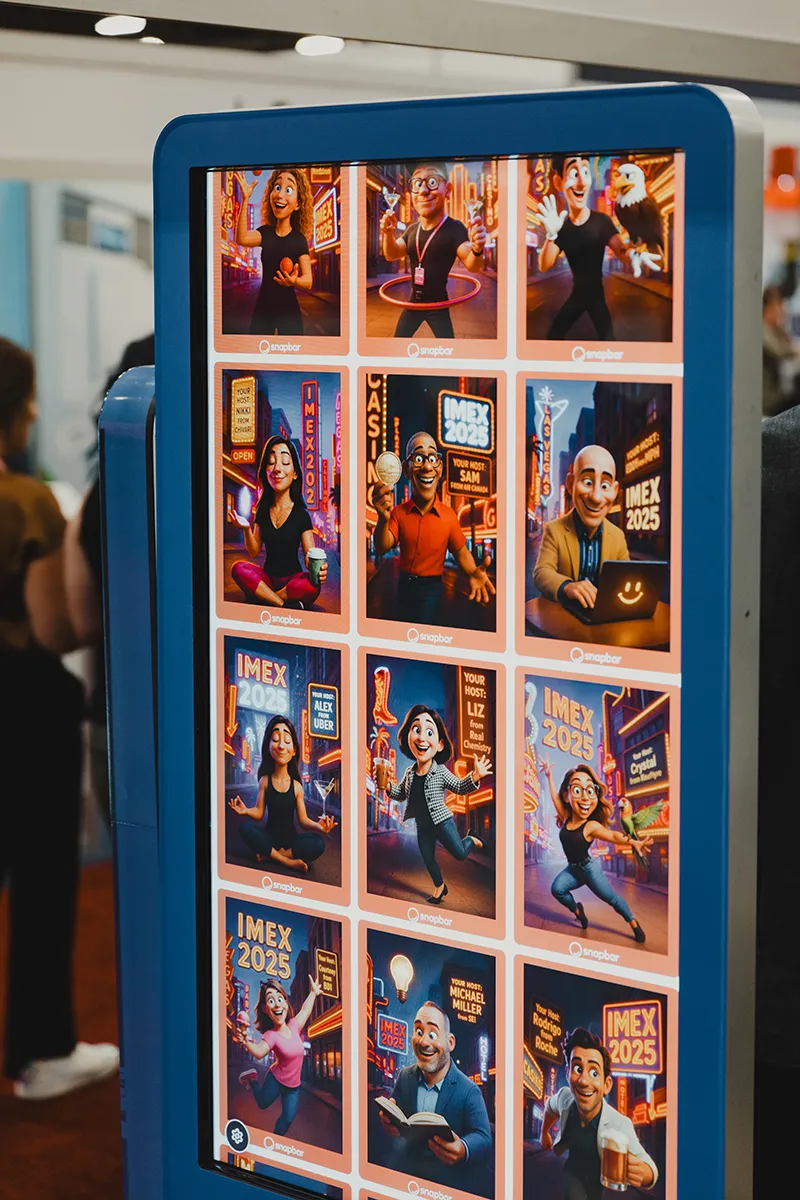
- Experience Teasers: If you have unique on-site activations planned, tease them. Help potential attendees visualize themselves in the middle of the action. An AI photo booth, for instance, can be a major draw when you showcase the creative, personalized outputs attendees will be able to create.
How Do You Drive Real-Time Social Engagement During an Event?
Once the doors open, the strategy shifts. The goal is no longer getting people to show up. It is amplifying the experience for everyone on-site while creating serious FOMO for those who did not make it. Think of your event as a content creation engine, and your job is to empower every attendee to become a storyteller for your brand.
Turn Attendees Into Content Creators
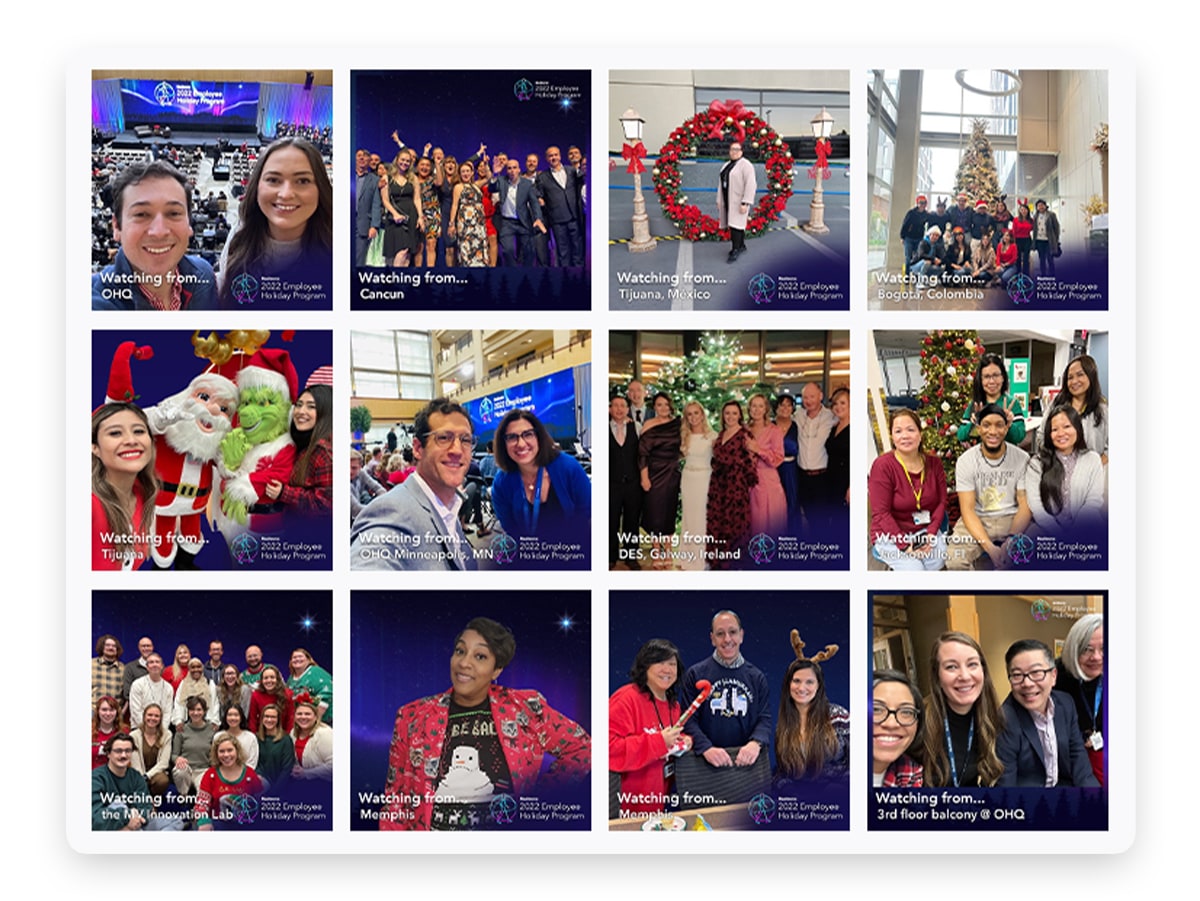
The most effective event promotion comes directly from attendees. It is authentic, trusted, and organic. Getting them to post about their experience (what marketers call user-generated content, or UGC) is one of the most powerful ways to extend your event's reach far beyond the venue.
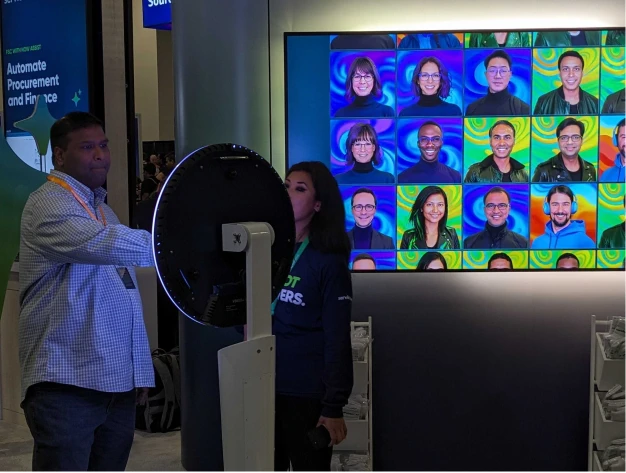
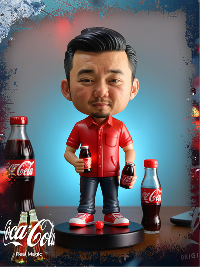
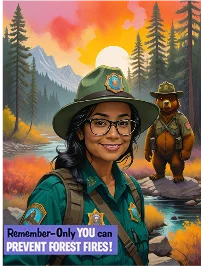
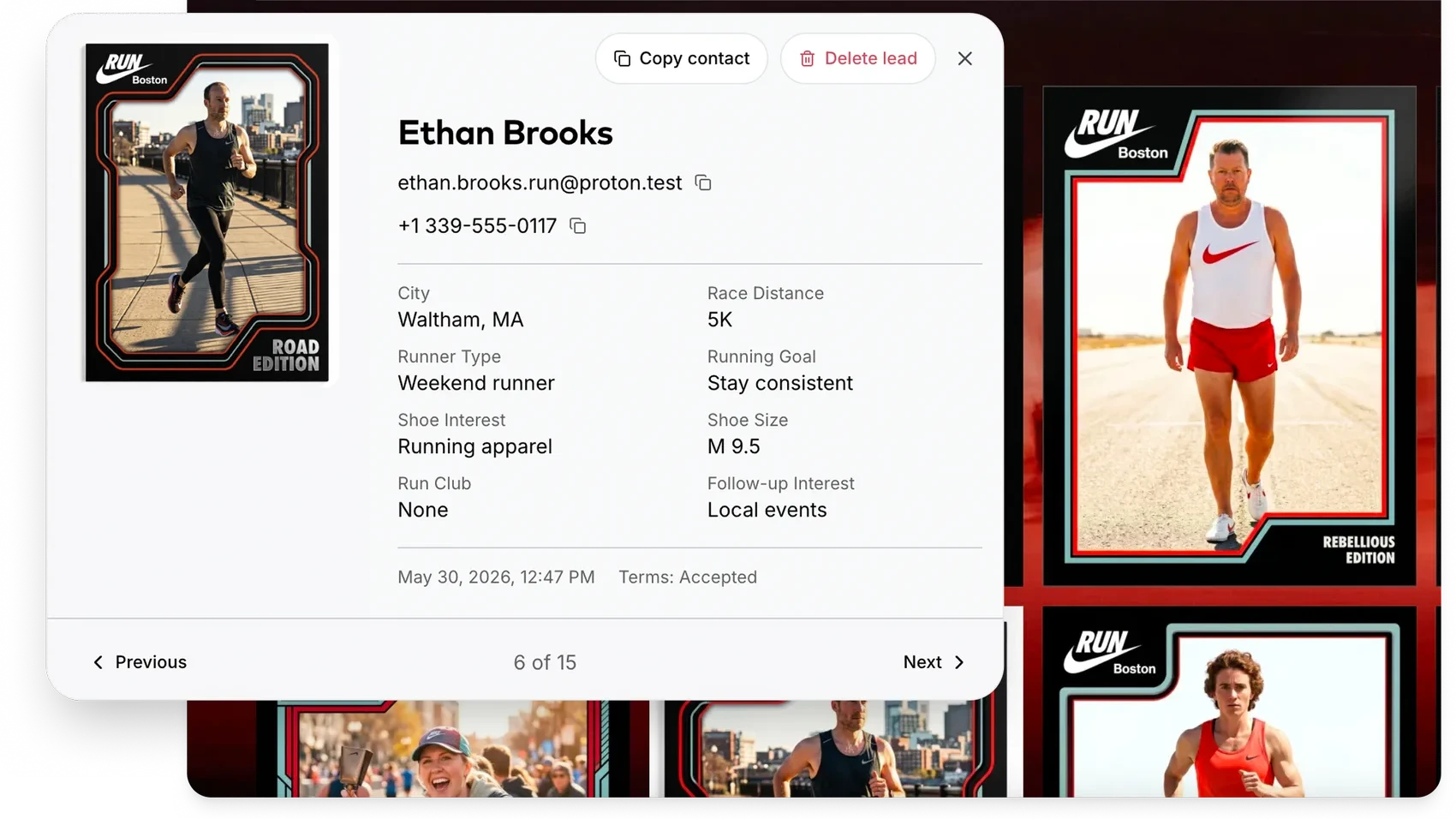
An AI-powered photo experience is a proven example of this in action. It is not just a photo; it is an engaging activity that produces high-quality, branded content people are genuinely excited to share. A simple photo op becomes a marketing activation that generates dozens or hundreds of organic social posts. You can dive deeper into strategies for UGC campaigns to see how leading brands approach this.
Key Insight: The goal is to make sharing effortless and rewarding. When attendees are having a great time and can instantly post a cool, branded photo or video, they become your most effective marketers without even realizing it. Design the experience for sharing first, and the content will follow.
Another proven tactic: run on-site social media contests. Offer a prize for the "best post" using your event hashtag. This gamifies the experience and adds another layer of engagement for attendees.
Amplify the On-Site Experience with Live Displays
Real-time engagement works best as a feedback loop between what is happening at the event and the digital conversation. When you make social media a visible, tangible part of the atmosphere, participation spikes.
- Live-Tweet Key Sessions: Have someone on your team live-tweet keynotes and panels. Pull out powerful quotes, share surprising statistics, and post compelling photos to keep your online audience connected.
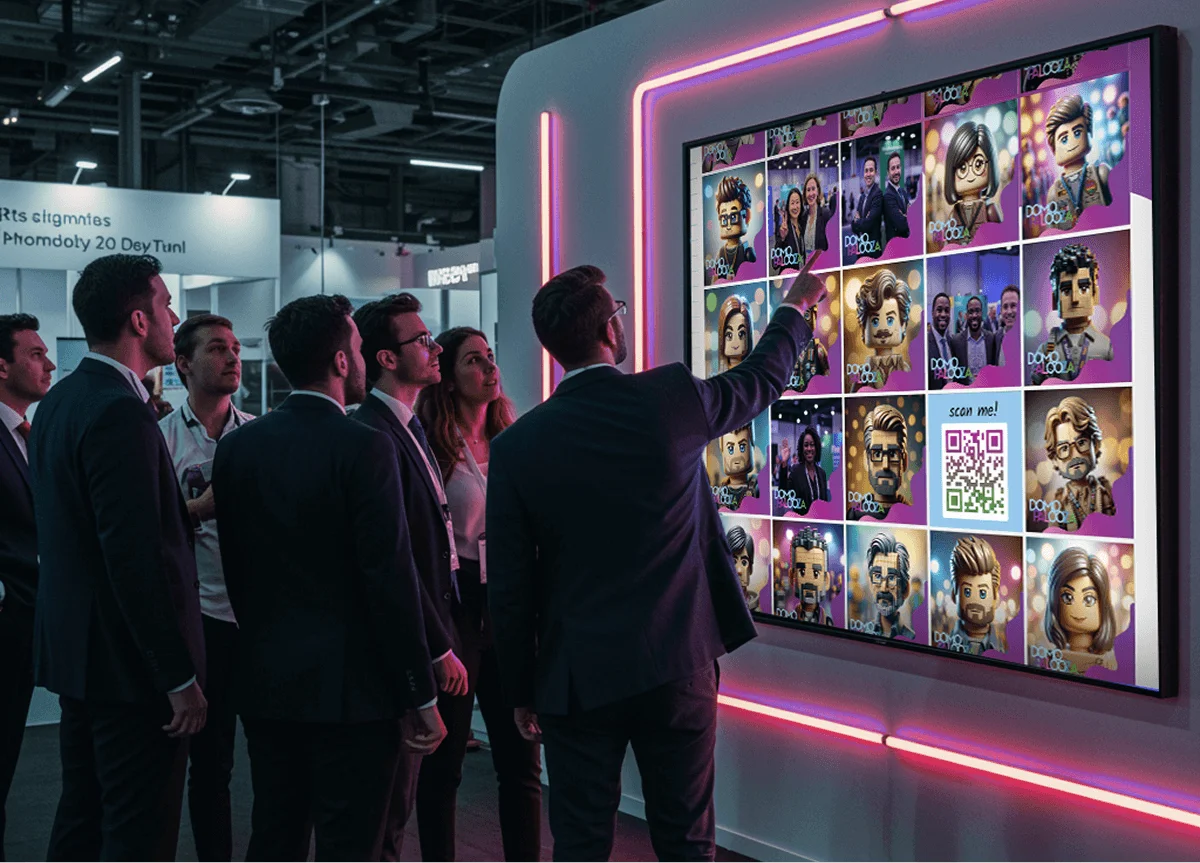
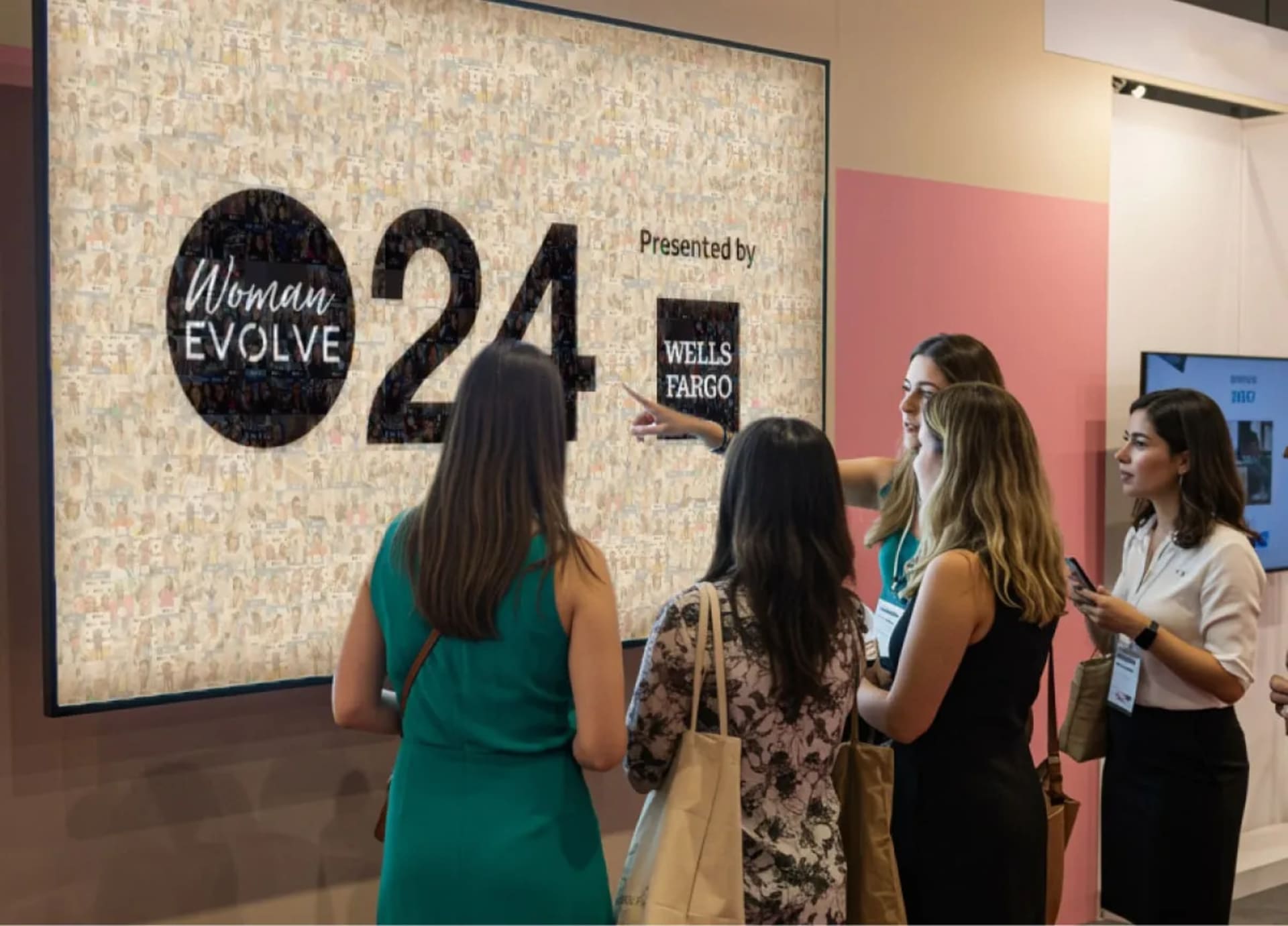
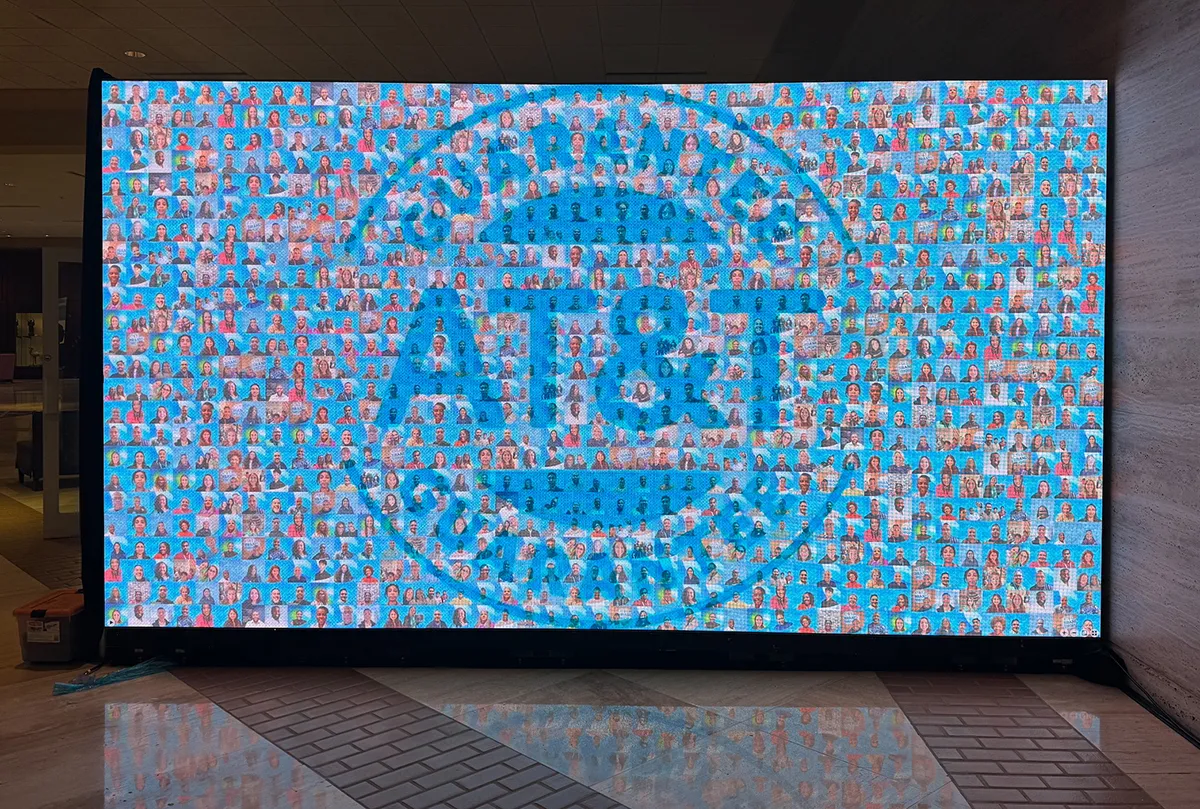
- Display a Social Wall: Use large screens to show a live feed of posts using your event hashtag. A social media wall gives participants instant recognition and encourages everyone else to post for their moment on screen.
- Go Behind the Scenes: Use Instagram Stories or TikTok for quick backstage glimpses. Grab a speaker for a short interview during a break. This content feels exclusive and authentic.
When the digital conversation becomes a visible part of the live experience, your social media stops existing in a separate universe and becomes something attendees can feel and respond to in real time. For more practical ideas on bridging this gap, check out our guide on boosting social media engagement at events.
How Can Event Technology Multiply Your UGC Output?
User-generated content is the most authentic form of event marketing. When a real person shares something from your event, their network pays attention in a way they never would for a brand post. But there is a gap between knowing UGC is valuable and actually generating it at scale. The answer lies in technology that makes content creation feel natural, fun, and frictionless.
Design Experiences People Actually Want to Share
If you want people to post, give them something worth posting about. This is where social media marketing for events gets strategic, moving beyond "please tag us" into engineered moments that are visually compelling and practically beg to be shared.
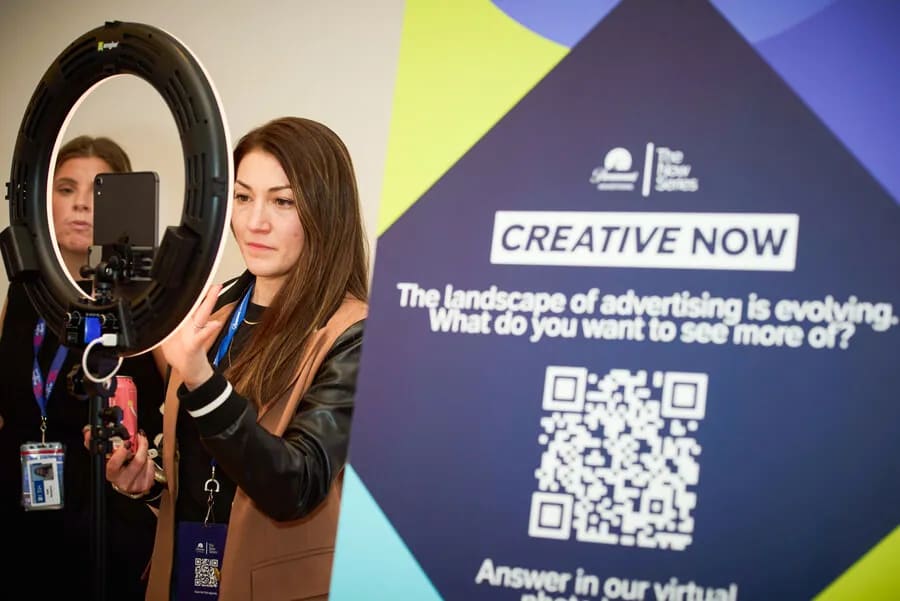
Technology like an AI photo booth or a digital photo booth can become central content creation hubs at your event. Guests get a fun, interactive experience. Your team gets a stream of high-quality, on-brand content. The key is designing activations that feel like a core part of the event, not an afterthought stuck in a corner. Browse activation concepts for inspiration on formats that drive participation and content creation simultaneously.
Key Insight: The best UGC strategies are built around experiences attendees genuinely want to participate in. When an AI photo booth transforms a simple selfie into a personalized piece of branded artwork, sharing becomes an impulse, not an obligation. That is when you know the activation is working.
Make Participation Easy and Rewarding
Great activations need a little nudge to maximize participation rates. A few proven tactics:
- Make It Obvious: Put your event hashtag and social handles everywhere: on screens, at booths, on napkins, on lanyards. Make it impossible for attendees to miss how to tag you.
- Add Friendly Competition: Run a contest for the "most creative post" or award a small prize to a random sharer. A little gamification goes a long way toward boosting participation rates.
- Show Content in Real Time: Display attendee posts on a live mosaic or social wall. Nothing encourages posting like seeing your own content appear on a giant screen. It is instant gratification and social proof rolled into one.
When you pair thoughtfully designed activations with smart incentives, you build an engine for authentic content. That UGC becomes the foundation of your post-event marketing, giving you months of genuine social proof and vibrant material for future campaigns.
What Is the Best Post-Event Social Media Strategy?
The event is over, but your social media work is just beginning. A smart post-event strategy keeps the energy alive, nurtures the community you built, and proves the investment was worth it. All that content generated during the event becomes fuel for weeks (or months) of marketing.
Give Your Event Content a Second Life
Now it is time to put all that content to work. Branded photos from your activation? Share them everywhere. Standout quotes from keynote speakers? Turn them into graphics. This content serves double duty: for attendees, it is a great trip down memory lane; for everyone who missed out, it is a powerful reminder of what they missed that builds anticipation for next time.
Core post-event content to prioritize:
- A "Best Of" Photo Album: Pull together the top shots and create a carousel on Instagram or an album on LinkedIn. Tag attendees and sponsors to extend the reach.
- High-Energy Recap Videos: Edit a fast-paced, 60-second highlight reel for Instagram Reels or TikTok that captures the event's atmosphere.
- Attendee Content Spotlights: Feature the best posts shared with your event hashtag. Showcasing real attendee voices is the most authentic social proof available.
Key Insight: A great post-event strategy is not about saying "thanks for coming." It is about demonstrating the value your event delivered and making a compelling case for why people should clear their calendars next time. Treat this content window as a nurture campaign, not just a wrap-up.
Measure What Matters
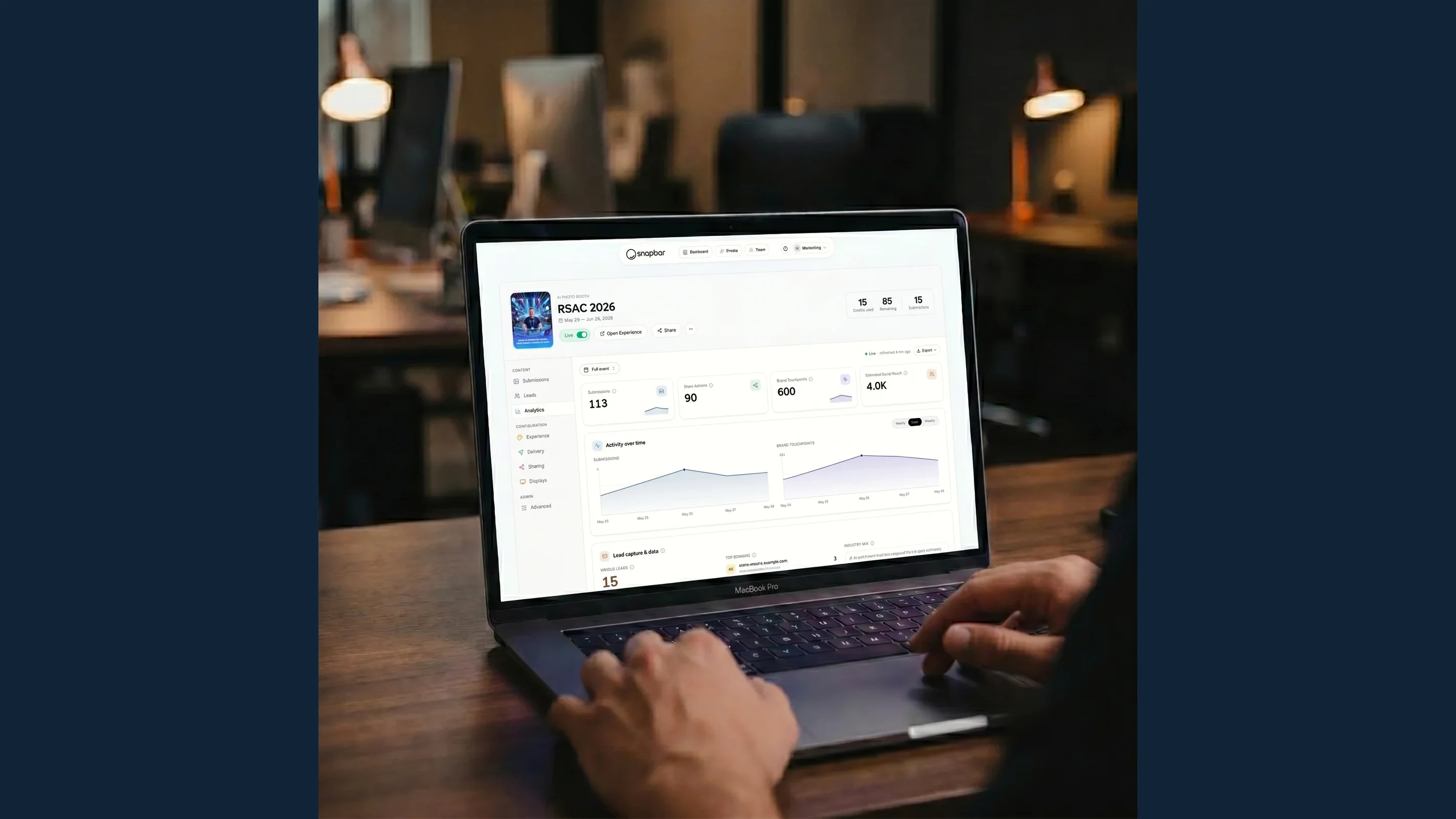
After the first wave of post-event content goes out, shift into analysis mode. The metrics that matter most are the ones tied to your original goals. Did you hit your target for hashtag usage? How did engagement on your recap content compare to your pre-event posts? Which platforms drove the most shares?
Focus your analysis on metrics that connect social activity to business outcomes:
- Pre-Event KPIs: Reach, engagement rate, and click-through rates on registration links. These show whether your message landed and drove sign-ups.
- During-Event KPIs: Event hashtag volume, brand mentions, and total UGC created. These measure real-time conversation scale.
- Post-Event KPIs: Engagement on recap content, audience sentiment, and conversion data tied back to the event. These prove long-term ROI.
This data is not just for a report that sits in a folder. It gives you the insights to refine your entire strategy, doubling down on what worked and cutting what did not. A data-informed approach should be the backbone of every future social media marketing for events campaign.
Event Social Media Strategy: Phase-by-Phase Summary
| Phase | Primary Goal | Key Tactics | Metrics to Track |
|---|---|---|---|
| Pre-Event (3-6 months out) | Build buzz, drive registrations | Speaker spotlights, hashtag launch, video teasers, early-bird campaigns | Reach, engagement rate, registration click-throughs |
| During Event | Amplify experience, generate UGC | Live-tweeting, social walls, AI photo booths, contests | Hashtag usage, brand mentions, UGC volume |
| Post-Event (2-4 weeks after) | Nurture community, prove ROI | Recap videos, attendee spotlights, data analysis | Engagement on recaps, audience sentiment, conversions |
By designing a complete before, during, and after strategy, you create a cohesive brand narrative that builds momentum at each phase. The social conversation does not stop when the venue empties; it evolves into a sustained relationship with your audience. To see how this fits into a broader event strategy, explore our guide to event and experiential marketing, or learn more about how experiential marketing platforms work to tie it all together.
Ready to Create Shareable Event Experiences?
Get a QuoteOr explore: How It Works | Activation Concepts